Leukemia, a cancer originating in the blood and bone marrow, can recur after apparent remission. This in-depth resource explains what leukemia relapse means, common symptoms to watch for, available treatment options for various leukemia types, and what patients and families should expect if a relapse occurs.
What Is Leukemia Relapse?
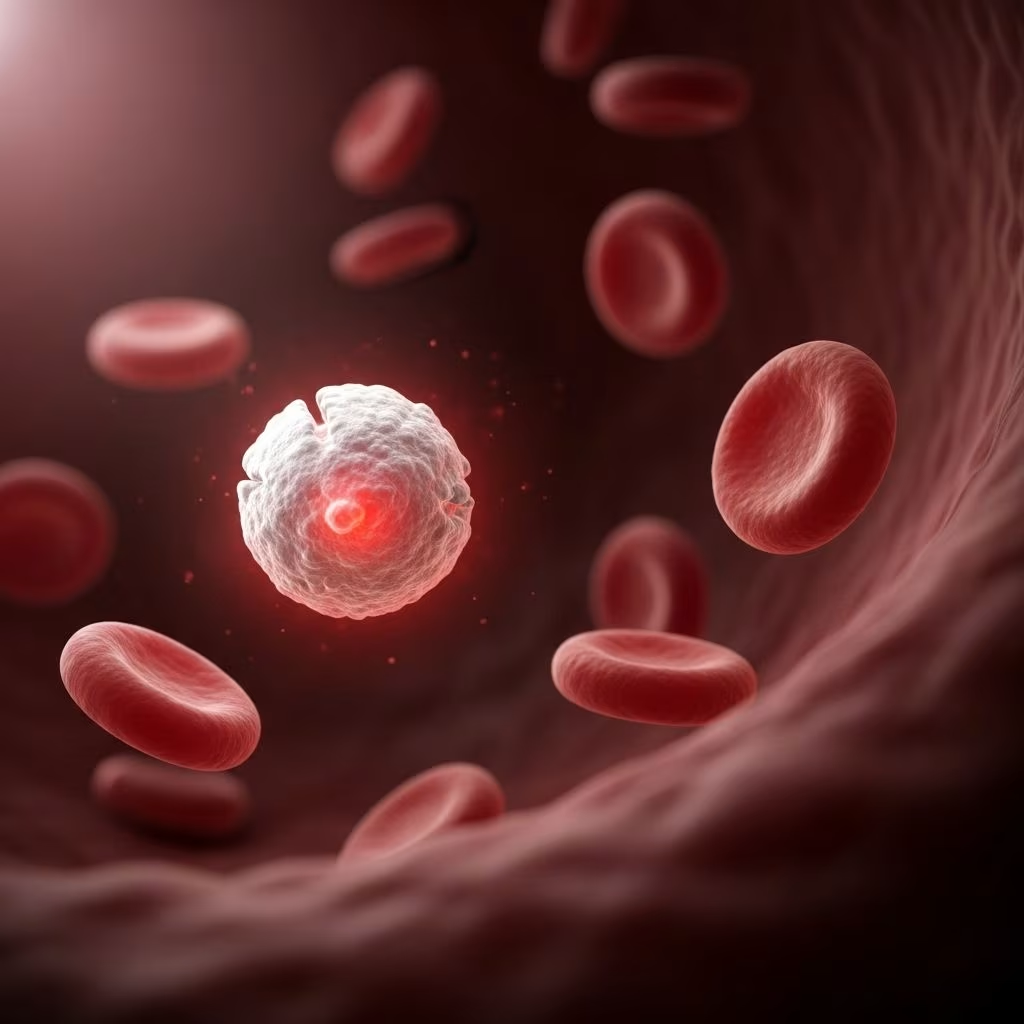
Leukemia relapse refers to the return of leukemia cells in the bone marrow or blood after a period of remission. Remission means the number of leukemia cells has dropped beneath the level detectable by standard tests and symptoms have improved. When leukemia returns after initial treatment, or if it never fully goes away, it is called a relapse or recurrence.
- Relapse can happen months or even years after initial diagnosis and treatment completion.
- It often indicates that some leukemia cells survived treatment and began multiplying again.
- Relapse is not the same as refractory leukemia, which is when the leukemia does not respond to initial therapy at all.
Causes of Leukemia Relapse
Relapse occurs when a small population of resistant leukemia cells survive initial treatment, evade the immune response, and begin replicating. Over time, these cells may accumulate genetic changes that make them even less susceptible to the therapies previously used against them, leading to recurrence.
- Incomplete eradication of cancer cells during initial therapy
- Development of drug resistance
- Mutation or genetic changes in leukemia cells
- Changes in the bone marrow environment that support cancer cell survival
Types of Leukemia and Relapse Patterns
Leukemia comprises four principal subtypes, each with distinct relapse patterns and treatment implications:
| Leukemia Type | Relapse Features |
|---|---|
| Acute Lymphoblastic Leukemia (ALL) | Relapse may occur months or years after remission. Around 15-20% of children with ALL experience relapse, often while still in or shortly after completing treatment. More intensive therapies are required upon relapse. |
| Acute Myeloid Leukemia (AML) | More likely to relapse within the first few years after therapy. Relapsed AML is often harder to treat and may necessitate a stem cell transplant or targeted drugs. |
| Chronic Lymphocytic Leukemia (CLL) | A slow-growing cancer common in adults. Most patients eventually relapse, often within 5 years of initial treatment. Additional treatment lines are often required. |
| Chronic Myeloid Leukemia (CML) | Also slow-growing and more common in adults. Around 60% relapse rates occur after cessation of therapy, typically within 6 months. Targeted therapy can often induce another remission. |
Signs and Symptoms of Leukemia Relapse
The warning signs of recurring leukemia usually mirror those present at initial diagnosis. Sometimes, the relapse is discovered during routine follow-up bloodwork before symptoms become obvious.
- Fatigue or weakness
- Fever or unexplained infections
- Night sweats
- Easy bruising or bleeding (including nosebleeds or bleeding gums)
- Pain in bones or joints
- Swollen lymph nodes in the neck, groin, or underarms
- Abdominal pain (often due to an enlarged spleen or liver)
- Headaches or dizziness
- Pale skin (anemia-related)
- Frequent infections
- Loss of appetite or unintentional weight loss
- Shortness of breath
- Petechiae (tiny, flat, red spots under the skin)
- Behavioral changes such as irritability (in children)
Note: Symptoms often overlap with other illnesses. Regular checkups and blood tests after remission are crucial for early detection.
How Is Leukemia Relapse Diagnosed?
If symptoms suggest recurrence, or if routine surveillance bloodwork is abnormal, the following diagnostic steps are typical:
- Blood tests: To check for abnormal white blood cell, red blood cell, and platelet counts.
- Bone marrow biopsy: To confirm the presence and type of leukemia cells.
- Molecular testing: Looks for genetic changes in the leukemia cells (e.g., Philadelphia chromosome, FLT3, or IDH mutations).
- Imaging: Rarely, scans or ultrasound may be used to detect organ enlargement or lymph node involvement.
Treatment Options for Relapsed Leukemia
Treatment choice depends on the leukemia subtype, how aggressive the relapse is, previous therapies used, the patient’s age and overall health, and the presence of specific genetic markers.
Acute Lymphoblastic Leukemia (ALL)
- More intensive chemotherapy: Often the first step, typically more aggressive than initial protocols.
- Stem cell (bone marrow) transplant: Considered for those who achieve remission after re-induction and are at high risk of recurrence.
- Immunotherapy: Blinatumomab (Blincyto) and inotuzumab ozogamicin (Besponsa) for B-cell ALL; imatinib (Gleevec) for Philadelphia chromosome-positive ALL.
- CAR T-cell therapy: (tisagenlecleucel/Kymriah) for select patients with B-cell ALL.
- Clinical trials: Provide access to new, experimental therapies for relapsed ALL.
- Palliative care: Focuses on symptom relief and improving quality of life when cure is not an option.
Acute Myeloid Leukemia (AML)
- More intensive chemotherapy: Re-induction protocols often used.
- Stem cell transplant: Recommended for suitable candidates after achieving a second remission.
- Immunotherapy: Gemtuzumab ozogamicin (Mylotarg).
- Targeted therapies: For genetic subtypes—gilteritinib (Xospata) for FLT3, ivosidenib (Tibsovo) for IDH1, enasidenib (Idhifa) for IDH2 mutations.
- Enrollment in clinical trials: Encouraged for access to promising new drugs.
Chronic Lymphocytic Leukemia (CLL)
- Targeted therapies: Newer oral drugs like ibrutinib or venetoclax are often preferred.
- Immunotherapy: Monoclonal antibodies or other emerging immunotherapies may be used.
- Chemotherapy: Used less often as targeted pills become the main option.
Chronic Myeloid Leukemia (CML)
- Tyrosine kinase inhibitors (TKIs): Switching to a different TKI (e.g., from imatinib to dasatinib or nilotinib) if relapse occurs.
- Stem cell transplant: Rarely used, but may be considered in selected cases of multiple relapses or drug-resistant CML.
New and Emerging Treatment Options
| New/Experimental Therapy | Leukemia Type | Mechanism |
|---|---|---|
| Blinatumomab, Inotuzumab ozogamicin | ALL | Monoclonal antibodies that attach to leukemia cells and help the immune system target them with fewer side effects. |
| CAR T-cell therapy | ALL (B-cell type) | Patient’s T cells are engineered to target leukemia cells. |
| Gemtuzumab ozogamicin | AML | Immunotherapy that binds to the CD33 molecule on leukemia cells, delivering a toxin that kills them. |
| Targeted small molecule inhibitors | AML, CML, CLL | Inhibit specific mutated proteins that drive leukemia growth (e.g., FLT3, IDH). |
Access to these therapies may require clinical trial participation, especially if standard options are exhausted.
Factors Affecting Prognosis After Relapse
- Age (younger children and adults under 60 have better outcomes)
- Duration of initial remission (longer remission before relapse is a positive sign)
- Site of relapse (isolated bone marrow relapse can be harder to treat than testicular or central nervous system relapse in ALL)
- Genetic mutations present in the leukemia
- General health and ability to tolerate intensive therapies
It is important to discuss individual prognosis and treatment strategy with a hematologist/oncologist, as cases can vary greatly.
Support and Follow-Up After Relapse
A leukemia relapse can be emotionally and physically taxing. Patients and families should utilize resources such as social workers, psychologists, dietitians, and peer groups specific to those with relapsed cancers. Regular follow-up visits and blood tests remain critical to monitoring progress, addressing side effects, and ensuring early intervention if another recurrence develops.
- Participate in survivorship clinics or late effects clinics (especially for childhood leukemia survivors).
- Ask about fertility preservation strategies if more intensive treatments or transplants are needed.
- Monitor for late treatment-related side effects, such as heart, lung, or hormonal issues.
- Consider advance care planning if aggressive treatment is not desired or feasible.
Frequently Asked Questions (FAQs) About Leukemia Relapse
How common is leukemia relapse?
Relapse rates vary by leukemia type and patient age. For children with ALL, the relapse rate is about 15-20%. Almost all people with CLL will experience a relapse during their lifetime. AML is more likely to relapse in the first few years post-treatment.
Can leukemia relapse be prevented?
Currently, relapse cannot be fully prevented, but research is ongoing to improve initial therapies and maintenance treatments that aim to eradicate residual leukemia cells. Regular monitoring and rapid response to abnormal findings can improve outcomes.
What are the latest advances in treatment?
Immunotherapies such as CAR T-cell therapy and monoclonal antibodies, as well as targeted drugs tailored to specific genetic mutations, are significantly advancing outcomes for relapsed patients, especially in ALL and AML. Clinical trials are key sources for cutting-edge therapies.
When should I contact my healthcare team?
Contact your doctor promptly for any symptoms of relapse: unexplained fatigue, frequent infections, unexplained bruising/bleeding, night sweats, or any new or worsening symptoms. Regularly scheduled check-ins are vital even when you’re feeling well after treatment.
Key Resources and Support Networks
- Leukemia & Lymphoma Society
- St. Jude Together
- Blood Cancer UK
- Alex’s Lemonade Stand Foundation
Consider joining support groups, exploring counseling services, and maintaining regular communication with your oncology care team for guidance and hope during and after relapse treatment.
References
- https://together.stjude.org/en-us/conditions/cancers/acute-lymphoblastic-leukemia-all-relapse.html
- https://www.alexslemonade.org/childhood-cancer/guides/childhood-leukemia/chapter-25-relapse/signs-and-symptoms
- https://bloodcancer.org.uk/understanding-blood-cancer/leukaemia/acute-lymphoblastic-leukaemia/all-treatments-side-effects/treatment-relapsed-all/
- https://www.healthline.com/health/leukemia/leukemia-relapse
- https://www.seattlechildrens.org/conditions/leukemia-relapsed-all/
- https://www.webmd.com/cancer/lymphoma/aml-relapse
- https://www.dana-farber.org/cancer-care/types/relapsed-childhood-acute-lymphoblastic-leukemia
- https://cancer.ca/en/cancer-information/cancer-types/acute-lymphoblastic-leukemia-all/treatment/relapsed-or-refractory
- https://healthtree.org/all/community/articles/all-remission-relapse
- https://my.clevelandclinic.org/health/diseases/6212-acute-myeloid-leukemia-aml