


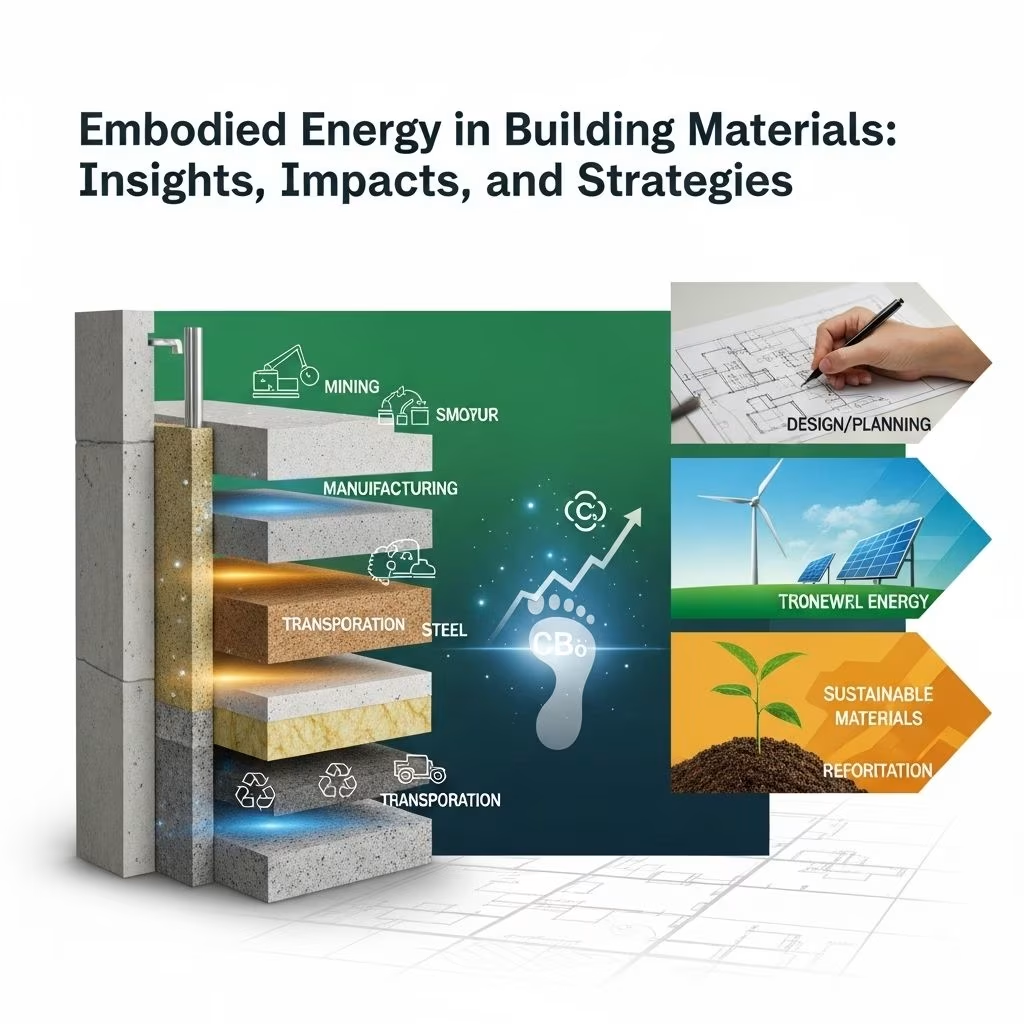
Embodied Energy in Building Materials: An In-depth Guide
Buildings shape our environment and daily lives, yet the decisions we make about which materials to use can have far-reaching energy and environmental impacts. Embodied energy is a critical concept for anyone aiming to make sustainable choices in construction, as it encapsulates the total energy expended across the full life cycle of building materials, from extraction to demolition. This comprehensive guide explores what embodied energy means, why it matters, how it is calculated, and strategies for minimizing its footprint.
What Is Embodied Energy?
Embodied energy refers to the sum total of energy required to produce a material, carry it to the building site, construct with it, and eventually demolish or recycle it. This includes:
- Mining or harvesting raw resources
- Processing and manufacturing
- Transporting materials
- Onsite construction and assembly
- Repairs, renovations, and end-of-life processing
The concept is best viewed over the entire life cycle of a building, encompassing both initial construction and ongoing maintenance or upgrades.
Embodied energy is measured in units such as megajoules per kilogram (MJ/kg), reflecting energy per amount of material used.
Embodied Energy vs. Operational Energy
Understanding total building energy use means considering two primary categories:
- Embodied energy: All energy invested in generating and placing materials in the building. This is fixed once construction is complete, but can change if materials are added or replaced.
- Operational energy: The ongoing energy required to run the building (heating, cooling, lighting, appliances, etc.). This varies depending on design, material choices, and efficiency measures.
As buildings become more efficient and operational energy drops, embodied energy constitutes a larger proportion of total lifetime energy usage. In some ultra-efficient buildings, embodied energy may account for nearly all total energy used over the structure’s lifespan.
How Is Embodied Energy Calculated?
The process of calculating embodied energy is complex, involving multiple stages and data sources. Key steps include:
- Quantifying energy for raw resource extraction (mining, logging, etc.)
- Measuring energy used in manufacturing and processing
- Accounting for energy during transportation to the build site
- Including energy in onsite construction, renovations, and demolitions
Embodied energy values may differ widely depending on geographic location, manufacturing methods, and use of recycled content. Lifecycle assessment tools and databases are often used by designers and engineers to compare materials and assemblies.
Factors That Affect Embodied Energy
Embodied energy in building materials is influenced by several variables:
- Material processing: Highly processed materials (like aluminum or steel) typically have much higher embodied energy than less refined ones (like timber or straw).
- Transportation: Using locally sourced materials reduces transportation energy costs.
- Recycled content: Materials manufactured with recycled inputs generally require less energy.
- Manufacturing efficiency: More energy-efficient plants and renewable energy sources lower the embodied energy of their products.
- Durability and lifespan: Choosing durable materials may reduce energy spent on repairs and replacements.
Embodied Energy of Common Building Materials
Not all materials are created equal—the amount of energy invested in producing each material varies greatly. The table below summarizes typical embodied energy values per kilogram for common construction materials:
| Material | Embodied Energy (MJ/kg) |
|---|---|
| Timber (Kiln dried) | 2.5 |
| Concrete (average) | 1.5 |
| Bricks | 3.0 |
| Glass | 15.9 |
| Plasterboard | 6.0 |
| Gypsum | 1.8 |
| Aluminum | 170 |
| Steel (general) | 35 |
| Stainless steel | 54 |
| Polyvinyl Chloride (PVC) | 70 |
| Insulation (glass wool) | 28.5 |
Note: Actual values may vary depending on production methods, recycled content, and region.
Initial versus Recurrent Embodied Energy
Embodied energy is categorized further into:
- Initial embodied energy: The energy used up front to create and assemble construction materials.
- Recurrent embodied energy: The energy required for repairs, renovations, and replacements over the life of the building.
Both must be considered to accurately assess total lifetime energy use for a building.
Impact of Material Choice and Construction Methods
Choosing low embodied energy materials can reduce environmental impact, but the long-term operational energy costs must also be weighed. For example:
- Timber: Has low embodied energy, renewable if sourced responsibly, and stores carbon; may need more maintenance.
- Concrete: Higher embodied energy, but offers greater thermal mass, which can lower heating and cooling energy requirements if properly designed.
- Steel: Very high embodied energy, but often recycled; used when structural requirements demand it.
- High insulation materials: May require significant initial energy investment, but can substantially cut operational energy costs.
Material selection is a balancing act—sometimes using a higher embodied energy material pays off by drastically reducing operational energy for decades.
Operational vs. Embodied Energy: A Shifting Balance
As modern buildings become increasingly energy efficient, the proportion of embodied energy rises relative to operational energy. For example:
- In a typical home over 50 years, embodied energy may comprise about 50% of total energy, with the rest from ongoing operation.
- In passive or net-zero energy designs, embodied energy can account for close to 100% of lifetime energy use.
This underscores the need to consider both factors as part of a holistic approach to sustainability.
Strategies for Reducing Embodied Energy
Adopting systemic design and construction practices can greatly lower embodied energy:
- Source materials locally to minimize transportation energy.
- Select renewable or recycled materials where possible.
- Design for durability and future disassembly or reuse.
- Optimize structural designs to minimize unnecessary material use.
- Utilize manufacturing facilities that use renewable energy or more efficient production techniques.
- Avoid over-specification and construction waste—order only what is needed, in standard sizes, to reduce offcuts and waste.
Case Study: Reducing the Carbon Footprint of Construction
Let’s examine the impact of material choices on the carbon footprint:
- A typical new detached house (230m²) in Australia has an average initial embodied energy of 13.4 GJ/m², and recurrent embodied energy of 8 GJ/m² over 50 years.
- By switching to low-carbon concrete, emissions may be reduced by 5% in the short term; improving steel and concrete manufacturing processes could cut embodied carbon by up to 29% in the long term.
- In New Zealand, construction’s embodied carbon footprint is estimated equivalent to more than 1 million cars on the road.
Embodied Energy and Carbon Footprint: The Link
Reducing embodied energy also means curbing embodied carbon—the greenhouse gas emissions associated with that energy use. Tackling embodied carbon in construction contributes directly to climate change mitigation, especially as operational emissions decrease due to better efficiency and renewable energy adoption.
Evaluating Environmental Trade-Offs
When making decisions about which materials to use, consider:
- Will low embodied energy materials result in higher heating/cooling costs?
- Do high-embodied-energy materials offer functional benefits that lower operational energy?
- Can recycled or renewable choices lower both embodied and operational impacts?
- Is the building adaptable for future use, limiting the need for demolition or rebuild?
FAQs: Embodied Energy in Building Materials
Q1: Why does embodied energy matter in construction?
A: Because it represents a significant portion of total energy consumption in buildings, especially as operational demands decrease. Understanding it is key to minimizing environmental impacts across the building’s life cycle.
Q2: What materials have the highest and lowest embodied energy?
A: Aluminum and steel usually have the highest embodied energy due to intense processing, while timber and rammed earth typically have the lowest, provided they are locally sourced and renewable.
Q3: Can using a material with higher embodied energy be justified?
A: Yes, if it drastically reduces operational energy (for example, high thermal mass materials in passive solar design) or fulfills structural requirements that alternatives cannot meet.
Q4: How can homebuilders or renovators measure embodied energy?
A: By consulting life cycle assessment databases, asking manufacturers for data, and using selection tools that compare assemblies and products for their total embodied energy and carbon footprints.
Q5: Are embodied energy and embodied carbon the same?
A: No, embodied energy is the total energy invested, while embodied carbon refers to the greenhouse gases emitted as a result of energy use. Energy from renewable sources has much lower embodied carbon than fossil fuels.
Conclusion: Key Takeaways for Sustainable Building
- Embodied energy is a hidden but integral aspect of building sustainability, influencing lifetime energy use and environmental impact.
- Material selection balances upfront energy costs with long-term operational benefits; careful choices can lower both embodied and lifecycle energy.
- Recycled, renewable, and locally sourced materials help minimize energy and carbon footprints.
- Future-proofing buildings through durable material choices and adaptable design reduces recurrent embodied energy and waste.
- Sustainable construction requires holistic thinking about both embodied and operational energy to truly minimize environmental impacts.
References
- https://www.yourhome.gov.au/materials/embodied-energy
- https://websites.umass.edu/natsci397a-eross/embodied-energy-in-building-materials/
- https://www.level.org.nz/material-use/embodied-energy/
- https://en.wikipedia.org/wiki/Embodied_energy
- https://sor.epa.gov/sor_internet/registry/termreg/searchandretrieve/termsandacronyms/search.do?matchCriteria=Contains&checkedTerm=on&checkedAcronym=on&search=Search&term=embodied+energy
- https://www.archdaily.com/931249/embodied-energy-in-building-materials-what-it-is-and-how-to-calculate-it
- https://rmi.org/embodied-carbon-101/
- https://www.pmcarchitects.com/sustainability-information-blog-content/embodied-energy-of-materials


