Incredible Treasures Unearthed by Metal Detectorists
Metal detecting is not simply a hobby—it’s a gateway for ordinary people to uncover stories long forgotten, pieces of history lost to time, and treasures of immeasurable cultural and monetary value. Throughout recent decades, amateur and professional detectorists have unearthed remarkable finds in forests, rivers, fields, and backyards, revealing a hidden world beneath our feet. From glittering gold hoards to quirky relics, these discoveries continue to thrill, astonish, and inspire.
Legendary Hoards Rediscovered
Across Europe and beyond, everyday enthusiasts with metal detectors have stumbled upon collections once thought irretrievably lost. These hoards, buried in times of turmoil or simply forgotten by their owners, offer invaluable glimpses into the societies that created them.
The Staffordshire Hoard
Location: Staffordshire, England
Date Found: 2009
- The largest cache of Anglo-Saxon gold and silver ever discovered.
- Consisted of over 3,500 items, mostly military in nature, including helmet decorations, sword fittings, and stunning religious crosses.
- Dating from the 7th century, the hoard reveals the artistry and warfare of Anglo-Saxon England.
- The find sparked new research into the era and led to the reevaluation of historical scholarship about English dark ages.
The Hoxne Hoard
Location: Suffolk, England
Date Found: 1992
- Discovered by Eric Lawes while searching for a lost hammer—a find worth far more than he anticipated.
- Contained over 15,000 Roman coins, 200 items of gold and silver jewelry, and fine tableware.
- Valued at over $4 million by today’s standards; it offers a snapshot of Roman Britain in the 5th century.
- The hoard influenced English law on treasure finds, establishing clear processes for reporting and protecting archaeological finds.
The Saddle Ridge Hoard
Location: Gold Country, California, USA
Date Found: 2013
- Unearthed in cans buried beneath a tree by two anonymous treasure hunters.
- Contained 1,411 gold coins (mostly $20 gold pieces) minted between 1847–1894.
- Total estimated value exceeded $10 million, making it one of the largest hoards discovered in North America.
- Its origin remains mysterious, but the coins have become iconic in American numismatic circles.
Fortune in Gold and Silver
Sometimes a metal detectorist’s lucky sweep results not in a collection of items, but a single stunning piece—worth a fortune both as metal and as history.
| Discovery | Year | Location | Value |
|---|---|---|---|
| Hand of Faith Nugget | 1980 | Kingower, Australia | $1.1 million |
| Hoxne Hoard | 1992 | Suffolk, England | $2.3 million (then) $4.3 million (now) |
| Saddle Ridge Hoard | 2013 | California, USA | $10 million+ |
The Hand of Faith Nugget
Location: Kingower, Australia
Date Found: 1980
- The largest gold nugget found with a metal detector, weighing a remarkable 875 ounces (27.2 kg).
- Discovered by Kevin Hillier, it was sold for $1.1 million and now resides in Las Vegas’s Golden Nugget Casino.
- Its purity and astonishing size make it a central attraction for gold enthusiasts worldwide.
Finds That Reveal Forgotten History
Not all treasures are measured by monetary value—many discoveries illuminate aspects of history previously unknown, providing pieces to centuries-old puzzles.
Medieval Jewelry and Relics
- Gold and gemstone rings, exquisite brooches, and intricately worked crosses have all emerged from beneath plowed fields.
- Finder’s tales often highlight how a simple signal led to ornate objects, sometimes fresh as the day they were dropped.
- Such artifacts offer evidence of trade, fashion, and craftsmanship from medieval Europe.
Roman, Viking, and Civil War Relics
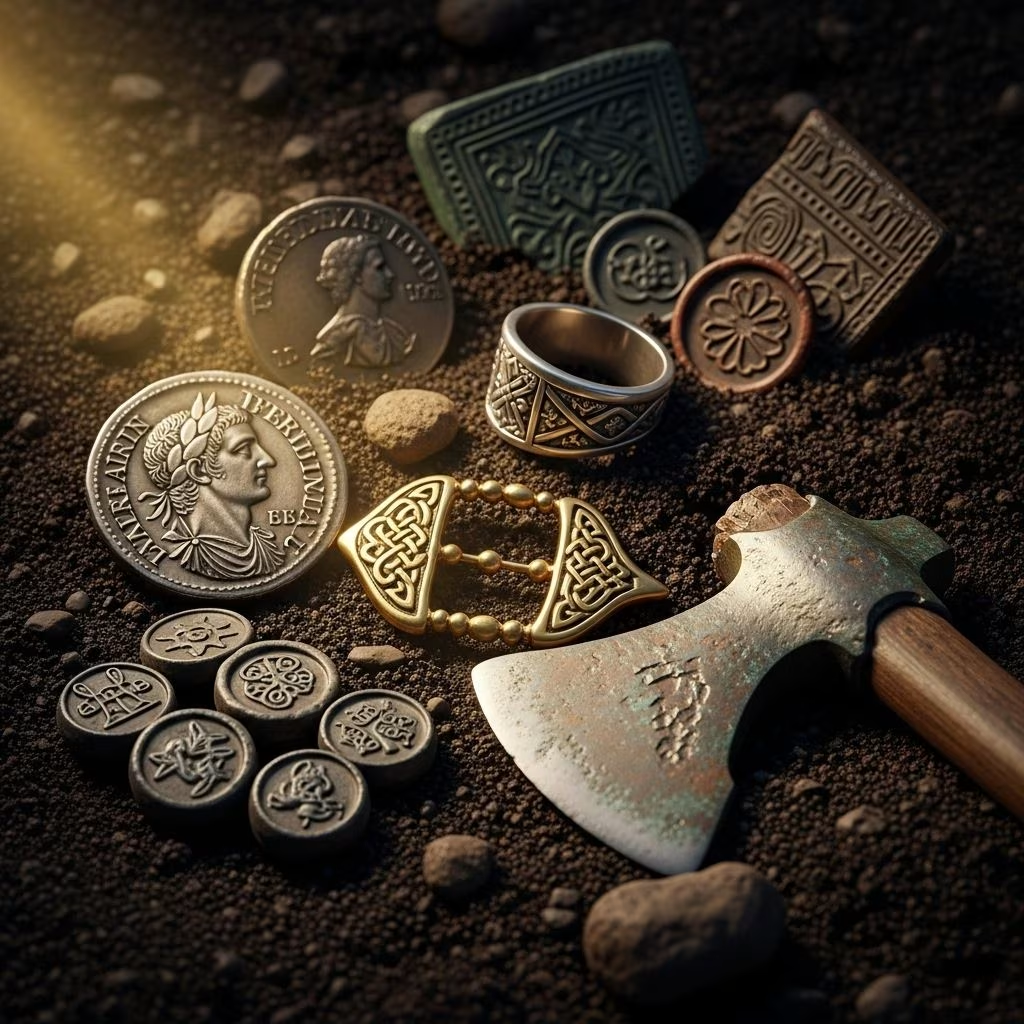
- Common finds include coins spanning centuries, each offering a glimpse into the economies and rulers of distant ages.
- Weapon fragments, soldier’s badges, and everyday tools present tangible connections to battles and lives lived during dramatic historical turning points.
- Buttons, musket balls, shrapnel—and even rare confederate insignia—tell the tale of wars, migrations, and life on the frontier.
Napoleonic and Early Modern Curiosities
- Detectorists have stumbled upon French coins from the Napoleonic era, royal cufflinks, musket triggers, and dresser drawer pulls.
- Occasionally, relics from the 18th and 19th centuries surface, ranging from lantern parts to flat buttons, each with a unique story attached.
Quirky and Weird Discoveries
Not every metal detector discovery changes textbooks—some simply spark wonder or amusement. Detectorists have unearthed unexpected, puzzling, or humorous items that remind us how strange, playful, and mysterious our world can be.
- Old hornet’s nests discovered in trees while treasure hunting.
- Umbrella pieces and dresser pulls among ancient coins and historic buttons.
- A missing shank from a silver cufflink turns up alongside musket balls and lantern fragments.
- One enthusiast even uncovered an abandoned safe rumored to contain a fortune—but the excitement often lies in the search itself.
Epic Finds in Everyday Places
Many major finds were made by chance in unexpected locations—backyards, riverbeds, or fields under cultivation for centuries.
- In England, a simple search for a lost tool uncovered the Hoxne Hoard, transforming a humble chore into an archaeological event.
- In California, a routine walk led two hobbyists to a centuries-old stash worth millions.
- Riverbanks, forests, and even abandoned urban lots have all produced caches of coins, relics, and personal treasures.
What Do Treasure Finds Teach Us?
- Each item provides clues about commerce, social status, warfare, religion, and daily life in ages past.
- The best finds are often preserved for study or display, enriching museums and public knowledge.
- Responsible treasure hunting—with proper permits and archaeological oversight—is crucial for safeguarding historical artifacts.
The Role of Technology in Treasure Hunting
Metal detectors have evolved, with some models equipped to distinguish between metals and detect objects deeper underground. The right equipment, combined with skill and patience, greatly increases the odds of finding not only coins and jewelry, but significant archaeological treasures.
- Advanced 3D scanners can help map locations prior to excavation.
- Lightweight, high-sensitivity detectors reveal targets missed by older models.
- Digital mapping and GPS assist in both documentation and site preservation for archaeologists and hobbyists alike.
Legal and Ethical Considerations
The excitement of discovery is matched by the responsibility to protect and respect cultural heritage.
- In many countries, laws require reporting significant finds and collaborating with archaeologists.
- Permits are mandatory before undertaking searches in protected areas.
- Respect for private property and historical preservation is vital; finds may belong to national museums or, in some cases, be subject to shared ownership between finder and land owner.
Frequently Asked Questions (FAQs)
What is the most valuable treasure ever found with a metal detector?
The Saddle Ridge Hoard, discovered in California, is considered the most valuable, estimated at over $10 million in gold coins.
Do detectorists keep everything they find?
No, significant finds must be reported to authorities. Laws vary by jurisdiction, but in many cases, items of historic or cultural value are preserved for public benefit.
Is metal detecting environmentally friendly?
When practiced responsibly—with minimal digging and restoration of the landscape—metal detecting has a low ecological impact. However, ethical practices and permit compliance are critical.
Can anyone become a treasure hunter?
Yes, but new hunters should study regional laws, obtain proper equipment, and ideally seek guidance from professionals or join local clubs.
What should you do if you find a rare artifact?
Report it to local or national authorities; avoid cleaning or removing any significant object without proper documentation and archaeological support.
Tips for Successful Metal Detecting
- Research your chosen area: Historic maps and local stories may hint at hidden treasures.
- Invest in quality equipment suited to your goals (coins, relics, nuggets).
- Join a community: Clubs and forums provide support, sharing of finds, and encouragement.
- Be patient and persistent; not every signal results in gold, but every hunt brings experience.
- Respect private and public lands—get permission before every search.
Conclusion: Treasures Beneath Our Feet
From magnificent gold nuggets and legendary hoards to the occasional quirky relic, metal detecting offers unmatched excitement and a unique connection with the past. With careful stewardship, responsible practices, and an adventurous spirit, detectorists continue to uncover incredible chapters of history—one signal at a time.
References
- https://detectorpower.com/blogs/metal-detectors/8-biggest-treasures-found-using-metal-detectors
- https://www.youtube.com/watch?v=33cY-BFiMYw
- https://www.youtube.com/watch?v=zzt2jU1uKhw
- https://www.treasurehunter3d.com/post/the-biggest-treasures-ever-found-with-metal-detectors
- https://www.youtube.com/watch?v=_bHUEVljs08
- https://www.metaldetector.com/blogs/new_blog/the-top-12-weirdest-metal-detector-finds-from-metaldetector-com-customers-over-the-past-decade-are-described-here
- https://seriousdetecting.com/blogs/finds-stories