


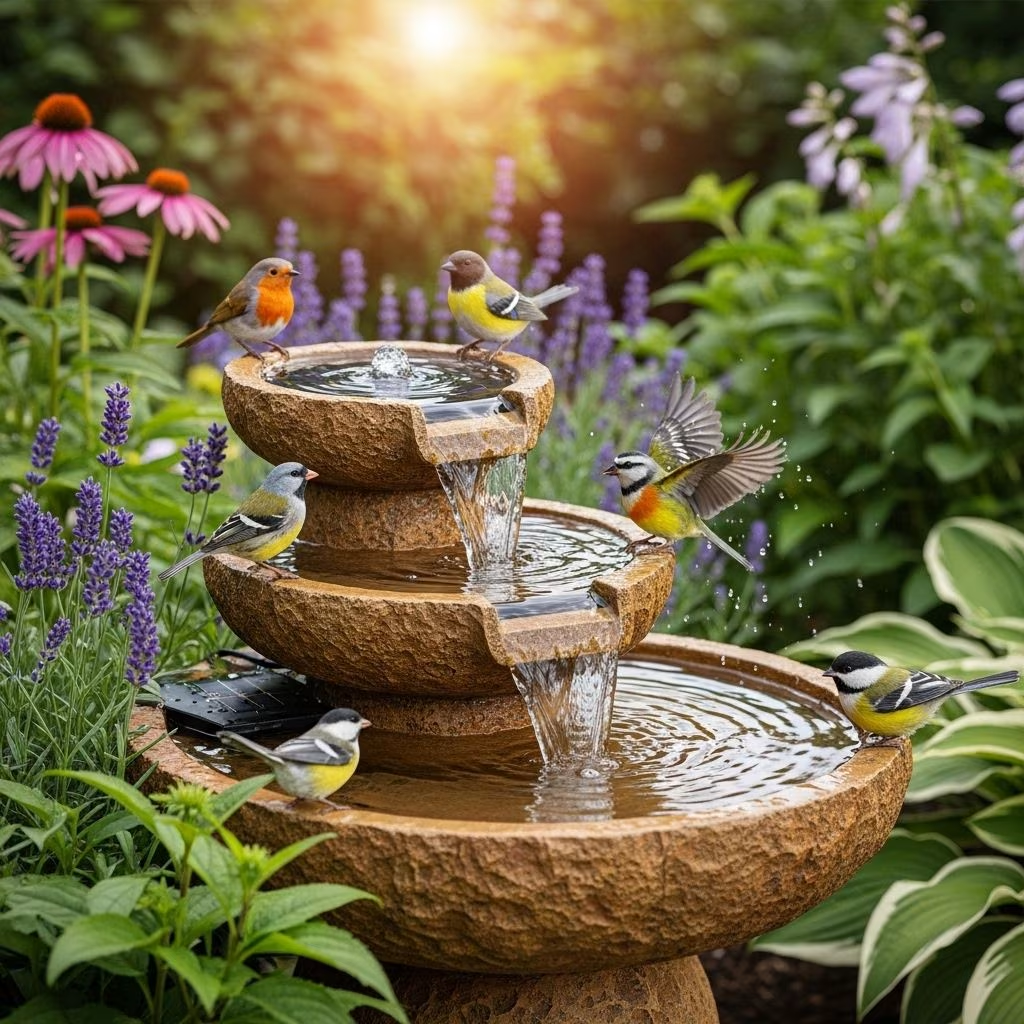
What Is a Solar Birdbath Fountain?
A solar birdbath fountain is an outdoor water feature that uses energy from the sun to power a small pump, circulating water in a birdbath or small pond. By harnessing solar power, these fountains provide fresh, moving water to attract birds, deter pests, and enhance garden aesthetics—all without relying on traditional electricity or complex wiring.
How Solar Birdbath Fountains Work
Solar birdbath fountains have two main components: a pump that moves the water and a solar panel that collects sunlight and powers the pump. These systems come in various designs, from all-in-one floating fountains to pumped models with separate panels that can be placed in sunlit areas for maximum energy collection.
- Integrated solar panels: Built into the fountain or birdbath basin itself, requiring the entire unit to be placed in a sunny spot.
- Remote solar panels: Connected via wiring, allowing more flexible placement of the bath and optimal sunlight exposure for the panel.
Some advanced models include lithium batteries to store excess solar energy, allowing the fountain to run on cloudy days or into the evening. Basic varieties operate only during direct sunlight and stop functioning when the sun goes down.
Types of Solar Birdbath Fountains
- Solar-Powered Fountain Bird Baths: Feature a pump and panel to keep water circulating, often attracting more birds due to the moving water and gentle splashing sounds.
- Heated Solar Bird Baths: Designed to prevent water from freezing in cold weather, using solar energy to maintain a suitable temperature for birds year-round.
- DIY Solar Fountain Kits: Offer a cost-effective and customizable approach by allowing homeowners to convert existing birdbaths into solar fountains with standalone pumps and panels.
Design Variations
- Floating Fountains: Self-contained units that float on the water, easy to install and suitable for both birdbaths and small ponds.
- Fixed-Pump Fountains: The pump sits on the bottom of the basin and is connected to the solar panel. May include interchangeable nozzles for different spray patterns.
Key Benefits of Solar Birdbath Fountains
- Eco-Friendly Operation: Powered entirely by sunlight, reducing reliance on grid electricity and supporting a lower-carbon lifestyle.
- Healthier Water for Birds: Consistent movement deters algae and bacteria, keeping water fresh and more suitable for birds to drink and bathe in.
- Bug Prevention: Flowing water discourages mosquitoes from laying eggs, reducing the risk of infestations and overall nuisance.
- Safety: No need for electrical cords, making these fountains safer for pets, children, and wildlife in your garden.
- Cost Savings: Low ongoing costs—only the initial purchase is required, and operation is free as long as there is sunlight.
- Easy Installation: Most models require no advanced installation, plumbing, or wiring. Simply set up the panel and place the fountain in water.
- Garden Appeal: The sights and sounds of moving water attract birds and create a soothing, natural ambiance.
Drawbacks and Considerations
- Dependence on Sunlight: Most solar fountains only operate in direct sun. Cloudy weather or shaded locations may significantly limit performance.
- Limited Night Operation: Unless equipped with energy storage (such as an integrated battery), these fountains shut down at night.
- Water Evaporation: Integrated-panel designs positioned in full sun may warm up quickly and increase water evaporation, requiring more frequent refills.
- Not a Complete Solution for Large Ponds: For fish ponds, solar fountain pumps can supplement aeration but may not be sufficient alone, especially when sunlight is minimal.
Where and How to Use Solar Birdbath Fountains
Solar birdbath fountains are suited for a variety of settings:
- Backyards and Gardens: Place in flower beds, lawns, or near patios to attract wildlife and enhance visual interest.
- Balconies and Small Spaces: Compact designs allow urban dwellers to enjoy the benefits of moving water and visiting birds.
- Wildlife Gardens: Use in conjunction with native plants to create an inviting habitat for birds, pollinators, and small mammals.
To get the most from your fountain, locate the solar panel in direct sunlight, keep the water basin clean, and ensure regular refilling especially during hot, dry weather.
Installation: Steps and Tips
- Unpack and Assemble: Follow manufacturer instructions to put together the pump, panel, and nozzle components if required.
- Choose a Location: Pick a sunny area for the panel. For integrated designs, make sure the whole bath is in sun; for wired panels, find a spot with maximum exposure.
- Fill the Basin: Use clean, fresh water and top up as needed.
- Place the Fountain: Position the floating pump or fixed unit in the basin according to the instructions.
- Secure the Panel: If using a remote panel, set it up where it receives uninterrupted sunlight.
- Turn On: Most models start as soon as sunlight hits the panel. Some may have switches for control.
Maintenance Tips
- Clean the Pump Regularly: Prevent clogging and buildup by cleaning pump filters or nozzles as directed.
- Rinse the Basin: Wash out algae, debris, and old water at least weekly to keep the system healthy for birds.
- Store Batteries Properly: For battery-assisted models, follow guidelines for safe storage and periodic recharging in winter, if applicable.
- Check for Freezing: In cold climates, switch to a heated solar birdbath or manually prevent freezing if you want to offer birds drinking water during winter.
Cost Considerations and Value
| Fountain Type | Estimated Cost | Electricity Use | Year-Round Function? |
|---|---|---|---|
| Solar Floating Fountain | $15 – $50 | None | Daytime use only (without a battery) |
| Solar Fountain with Battery | $40 – $120 | None | Extended operation (with battery/solar charge) |
| Heated Solar Birdbath | $100 – $300 | None/Minimal (solar panel dependent) | Winter use, may not work on cloudy days |
Solar fountains generally cost less than large electric or hardwired water features, with much lower installation and operational expenses.
Environmental and Wildlife Impact
Solar birdbath fountains are an eco-friendly option that benefits both people and wildlife:
- Help birds find clean water for drinking and bathing, supporting their health, especially in hot or dry periods.
- Benefit local pollinators and small mammals by providing a safe water resource.
- Discourage mosquitoes and other pests by breaking the standing water environmental cycle.
- Reduce carbon footprint versus electrically powered features by relying on renewable energy.
How to Choose a Solar Birdbath Fountain
When shopping for a solar birdbath fountain, keep these factors in mind:
- Sunlight Availability: Assess the exposure in your intended location; battery backup is useful for cloudy climates.
- Desired Features: Consider different spray nozzles, night lighting, battery storage, heated water, and fit for your birdbath or pond size.
- Maintenance Requirements: Simpler models may be easier to clean but offer fewer features.
- Material and Durability: Make sure the materials (plastic, resin, metal) can handle your climate and garden use.
- Wildlife Needs: Choose gentle water flow or multiple patterns to accommodate the preferences of local bird species.
DIY Solar Birdbath Fountains
Many garden enthusiasts opt to create their own solar birdbath fountains as a fun project and a way to save money. Basic kits are widely available online and at garden centers, designed to fit right into existing birdbaths or shallow ponds.
- Purchase a standalone solar pump and panel kit.
- Attach the pump securely to your birdbath or basin—either using suction cups or by weighing it down.
- Place the panel in a sunny area and connect it to the pump using the provided cable.
- Test and adjust the nozzle settings or spray height to match your preferences.
DIY solutions allow for customization of spray pattern, height, and overall look, making it easy to match the fountain to your garden’s style and needs.
Frequently Asked Questions (FAQs)
Do solar fountains work when it’s cloudy or at night?
Many basic solar fountains run only in direct sunlight. However, some models have built-in batteries for extended operation during cloudy periods or evening hours.
Are solar birdbath fountains safe for birds and other wildlife?
Yes. Because there are no electrical cords or live wiring in the water, solar fountains are safer for birds, pets, and children compared to traditional electrically powered fountains.
How often should I change the water?
Water should be changed at least every few days, and the entire birdbath cleaned weekly to prevent algae and disease. Warmer weather or high activity may require more frequent refilling.
Can I use a solar birdbath fountain in winter?
Standard solar fountains do not prevent freezing. Use a heated solar birdbath or add a solar-powered water heater to keep the basin unfrozen in cold climates.
Will a solar birdbath fountain attract more birds?
Yes. The moving water and sound of splashing make these fountains highly attractive to many bird species, increasing the likelihood of regular visitors to your garden.
Tips for Birdbath Fountain Success
- Position in full sun for maximum operation and energy efficiency.
- Keep water levels topped up, especially in hot weather, to prevent the pump from burning out.
- Periodically move the birdbath to prevent bare spots in your lawn or garden and reduce the spread of algae.
- Use stones or a shallow ramp so smaller birds can easily enter and exit the bath safely.
With the right setup, maintaining a solar birdbath fountain is straightforward and highly rewarding—bringing beauty, motion, and wildlife to your outdoor space while supporting an eco-friendly lifestyle.
References
- https://www.homesandgardens.com/gardens/are-solar-water-fountains-effective
- https://www.birdspot.co.uk/bird-baths/guide-to-solar-powered-bird-baths
- https://www.outdoorfountainpros.com/blogs/news/go-powerless-the-benefits-of-solar-fountains
- https://www.poposoapsolar.com/blogs/news/the-rise-of-solar-fountain-birdbaths
- https://www.youtube.com/watch?v=z5-bVLDBNUg
- https://www.thebirdhousechick.com/collections/moving-water-bird-bath
- https://www.homedepot.com/p/DARTWOOD-Solar-Bird-Bath-and-Water-Fountain-with-4-Different-Nozzle-Heads-Perfect-for-Bird-Baths-and-Small-Ponds-SolarBirdFountBlkUSA/315077891
- https://www.trama.org/Fountain-With-LED-Lights-Classic-Pedestal-Solar-Powered-Garden-i-1088510


