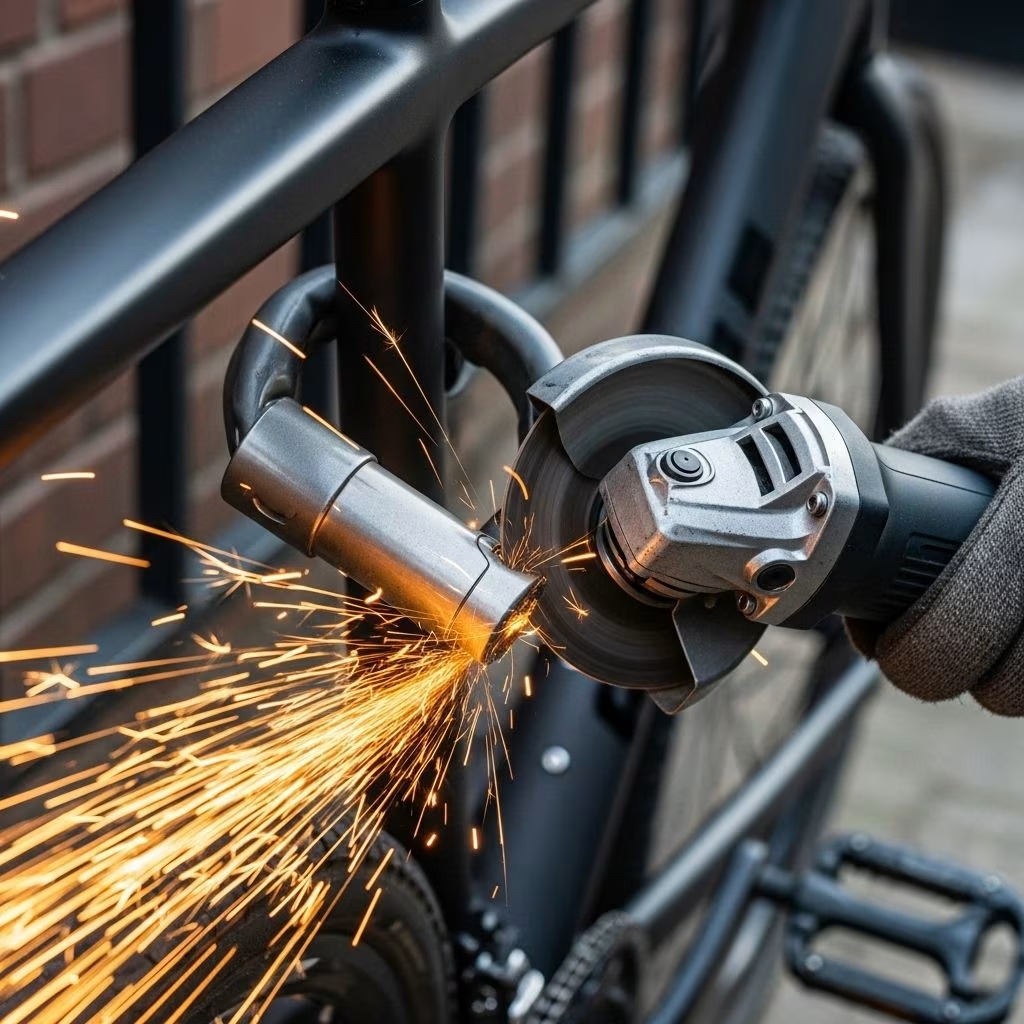
Angle Grinder Resistance: The New Frontier in Bike Security
For decades, urban cyclists have faced a persistent threat: not traditional lock picks or brute-force attacks, but the power and speed of the angle grinder. Recent advancements in materials science have led to a new breed of bike locks that claim unprecedented resistance to this potent tool. In this article, we examine what makes these locks different, the tech behind their resistance, real-world reviews and tests, and their implications for everyday security.
Why Angle Grinder Resistance Matters
Bike theft is a chronic urban problem, and angle grinders have become the obvious weapon for professional thieves. These handheld power tools can cut through conventional D-locks in mere seconds, rendering even heavy-duty locks obsolete. Recent innovations, however, are turning the tables. These new locks use advanced materials and engineering strategies designed to destroy angle grinder discs or render them ineffective, buying crucial time and deterring would-be thieves.
How Angle Grinder-Resistant Locks Work
The central innovation in the latest locks is two-fold:
- Advanced materials: Locks like the Litelok X1 and X3 employ specialized alloys such as Barronium™. This composite fuses steel with ceramic layers that rapidly destroy cutting discs via heat, abrasion, and forced disc wear.
- Clever engineering: These locks feature anti-twist, anti-pick, and drill-resistant mechanisms. The combination means thieves often require multiple cuts, further doubling the time required.
Battery life and noise are additional considerations. Grinding through new locks can eat through multiple discs and batteries, and the prolonged noise is more likely to attract attention—potentially foiling the theft.
Technology Behind the Protection
- Composite shells with embedded ceramics deflect and erode cutting tools.
- Hardened steel shackles: Many locks use proprietary hardening treatments that resist both mechanical and thermal attack.
- Rubberized protective coatings: Certain models (such as the OnGuard RockSolid) employ ultra-tough, non-slip surfaces which hinder grinder action.
Wrecked and Rated: Testing the Toughest Locks
Independent reviewers have subjected these locks to their ultimate test: direct assault with multiple angle grinders. Notable cycling publications and safety engineers agree—modern angle grinder-resistant locks can outlast numerous attacking tools and discs, and in some cases remain barely scratched even after prolonged efforts.
Overview of Top Models
| Lock Model | Weight | Main Material | Angle Grinder Resistance | Notable Features |
|---|---|---|---|---|
| Litelok X3 | 1.7 kg | Barronium, hardened steel | Exceptional (up to 6 discs destroyed) | Frame mount included, anti-pick mechanisms |
| OnGuard RockSolid 8590 | 1.3 kg | Hardened steel, rubberized surface | High (3 discs destroyed) | Diamond rating, lightweight, compact |
| Abus Granit Super Extreme | 2.2 kg | Steel composite | Strong (2 discs consumed) | Large locking volume |
Across several tests, the Litelok X3 consistently ranks as the top performer due to its resistance to both regular and diamond grinding discs, and absence of any obvious weak points. The OnGuard RockSolid, meanwhile, offers impressive protection in a lighter, more portable format.
Testing Methodology Explained
Reviewers generally immobilize each lock securely and subject them to cutting with:
- Standard battery-powered angle grinders
- Specialized metal-cutting discs, including diamond variants
- Measures of time, number of discs destroyed, and depth of cut
Why immobilization matters: Street thieves typically struggle to keep locks steady, which can double the effort and number of discs required. This means real-world resistance is significantly higher than controlled lab tests suggest.
Angle Grinder Test Results: A Comparative Snapshot
Below is a synthesis of findings from multiple expert tests:
| Lock Model | Number of Discs Required | Max Cut Depth in 5 Min | Lock Shackle Dimensions |
|---|---|---|---|
| Litelok X3 | 6 | 15mm | 18 x 9 cm |
| OnGuard RockSolid 8590 | 3 | 13mm | 17.5 x 9 cm |
| Abus Granit Super Extreme | 2 | 16mm | 23 x 12 cm |
Note: Even after exhausting several discs, none of these locks could be fully breached in the five-minute test window—a timeframe far longer than most thieves can risk working in public.
Materials and Mechanisms Giving Locks Their Edge
- Barronium composite: Multiple layers combining hardness, heat dissipation, and abrasive surfaces.
- Patented rubberized finish: OnGuard’s special finish both resists grinding and inhibits disc speed.
- Double-lock and anti-twist mechanisms: Prevent the lock from rotating, forcing thieves to make more cuts.
- Sold Secure Diamond rating: The highest level of independent certification for bike locks, demanded by insurers and many cycling enthusiasts.
Compromises of Advanced Locks
While these locks offer significant upgrades in security, they are not perfect. For example, locks with the highest resistance often carry size and weight penalties. The OnGuard RockSolid is notably smaller and lighter, but restricts locking volume—important for securing bikes to larger objects. High costs and lock compatibility with existing mounts can also be a factor.
The Real-World Effectiveness: What It Means for Cyclists
In controlled and street settings, these new locks dramatically raise the bar on theft deterrence. Instead of seconds, thieves must spend minutes grinding, swapping discs, and risking detection. If the attack is even attempted, it’s now likely to be abandoned, especially in busy or surveilled areas.
- Even skilled thieves rarely carry enough discs or batteries for a prolonged assault.
- Noise is a major deterrent—angle grinders in public draw instant attention.
- Locks are increasingly standardized to fit common bike frames and racks, reducing user inconvenience.
From Bike Shops to Urban Parks: Changing Habits Through Trust
Retailers and urban cycling groups now recommend angle grinder-resistant locks as the new standard for high-value bikes and e-bikes. Cities with notorious theft rates have begun encouraging their use for long-duration parking, even in unsupervised public spaces.
Angle Grinder Resistant Locks: Market Overview Table
| Brand | Lock Model | Material Tech | Price Range (USD) | Weight | Sold Secure Rating |
|---|---|---|---|---|---|
| Litelok | X3 | Barronium composite | $200-$250 | 1.7 kg | Diamond |
| OnGuard | RockSolid 8590 | Hardened steel/rubber | $80-$110 | 1.3 kg | Diamond |
| Abus | Granit Super Extreme | Special alloy | $180-$220 | 2.2 kg | Gold |
Why Certification Matters
The Sold Secure Diamond rating is increasingly required by insurance companies and is a mark of real-world resilience against modern theft tactics. Locks without this certification can leave cyclists exposed to coverage loopholes and, importantly, greater risk on the street.
Frequently Asked Questions (FAQs)
Q1: Will these locks stop all professional thieves?
No lock is 100% theft-proof. However, angle grinder-resistant locks drastically increase the effort, time, and risk required—making theft much less likely and far more conspicuous.
Q2: Can an angle grinder eventually cut through these locks given enough time?
Yes, if a thief is undisturbed and prepared to destroy multiple discs and batteries, they may eventually breach even the toughest locks. The main benefit is the extended time and dramatic increase in noise required during the process.
Q3: Are these locks heavier or bulkier than traditional D-locks?
Most angle grinder-resistant locks are slightly heavier due to added material complexity, but some models prioritize portability. Always consider shackle size and weight in relation to your daily bike use.
Q4: Are angle grinder-resistant locks compatible with frame mounts?
Newer models such as the Litelok X3 offer frame mounts, whereas some heavy-duty models may require alternative mounting solutions due to their dimensions.
Q5: How do I know which lock is best for my bike?
Consider your local theft risk, bike type, parking habits, and budget. Look for locks with Sold Secure Diamond ratings and proven resistance in independent tests for maximum peace of mind.
Conclusion: A Turning Point for Bike Security
The emergence of angle grinder-resistant bike locks marks a major shift in personal security for cyclists. By leveraging new composites, strategic engineering, and rigorous testing, manufacturers have answered a call for tougher, smarter solutions.
While no lock offers perfect safety, these innovations are raising the stakes—slowing down thieves, making their work riskier and more costly, and restoring cyclists’ confidence to park their bikes almost anywhere. As technology continues to advance, urban mobility may become safer and theft less profitable for criminals.
Want More Security Tips?
- Always lock your bike in well-lit, busy areas when possible.
- Don’t forget secondary protection for wheels and seats.
- Consider combining angle grinder-resistant locks with alarms or GPS trackers for additional layers of defense.