


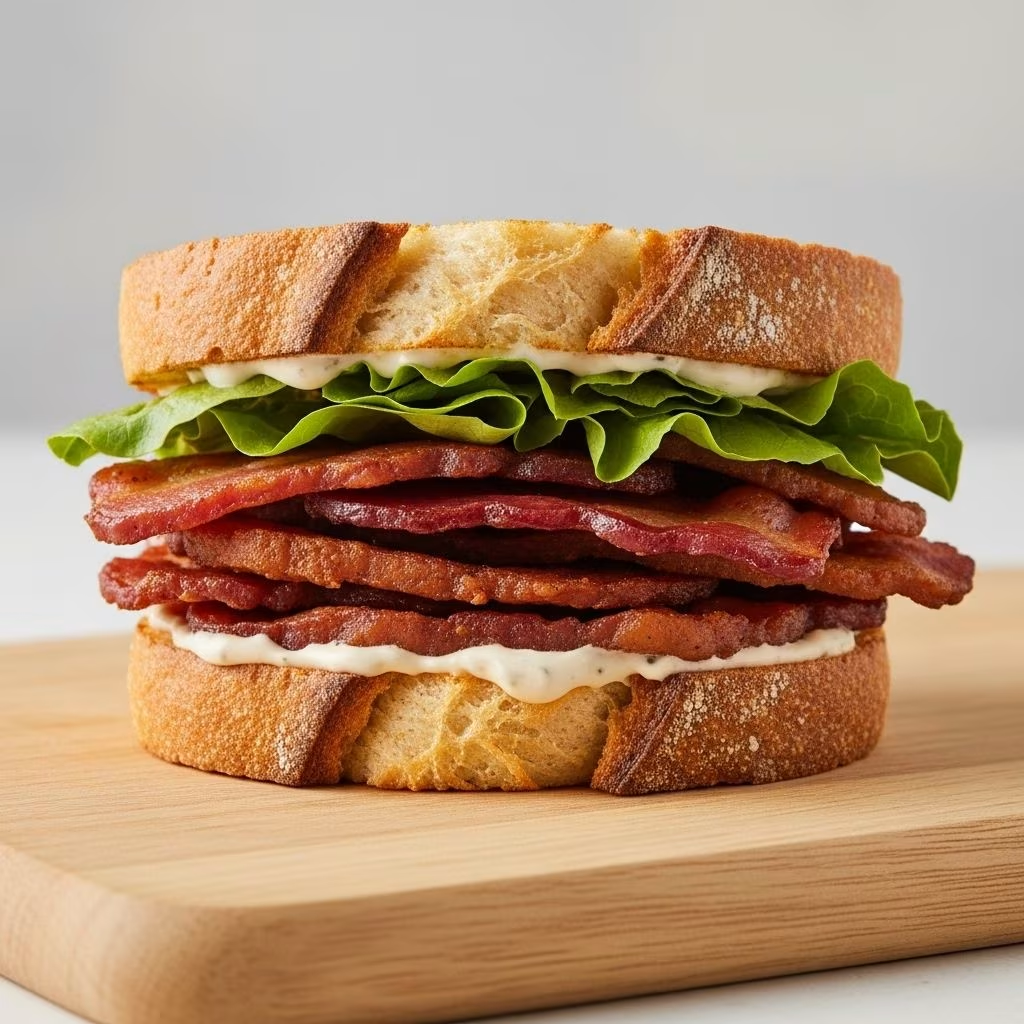
Costa Coffee’s Vegan Bacon Sandwich: A Bold Step for Plant-Based Fast Food
As more consumers embrace meatless meals, UK high-street giant Costa Coffee has drawn mainstream attention with its vegan bacon bap. This new menu item combines a plant-based approach with familiar British breakfast flair, all wrapped in a playful celebrity-driven marketing campaign. How does it stack up on taste, ethics, and the ever-mounting expectations on vegan fast food? Let’s break down what you need to know about this headline-grabbing sandwich.
The Rise of Plant-Based Menus in Mainstream Chains
Once a rare offering, vegan fast food is now a staple at many major chains across the UK and US. Driven by increased demand for sustainable and ethical meals, brands have raced to deliver plant-based takes on consumer favorites. Costa Coffee’s vegan bacon sandwich is one of the latest—and boldest—efforts in this trend, signaling just how serious the national appetite for plant-based meals has become.
From TikTok Roast to Vegan Boast: The Launch Story
The Costa vegan bacon bap debuted following a viral moment involving renowned chef Gordon Ramsay. After Ramsay posted a scathing TikTok lamenting Costa’s animal-based bacon bap for its meager, microwaved bacon, the brand seized the opportunity. Instead of recruiting the notoriously blunt chef, Costa enlisted Martin Jordan, a convincing Ramsay look-alike, to promote its new vegan sandwich in a tongue-in-cheek marketing campaign. The result: a campaign that both disarms criticism and spotlights Costa’s plant-based innovation.
- Ramsay Look-Alike Video: Costa’s promotional video features Jordan (posing as Ramsay) making and sampling the vegan bacon bap at home, declaring it “pretty f*cking good” in a playful nod to Ramsay’s signature style.
- Mainstream Attention: The campaign generated buzz across media outlets and social media, illustrating the power of celebrity parody for brand storytelling.
- Brand Messaging: Costa stressed its commitment to expanding consumer choices, with a focus on making its vegan offerings just as appealing as their animal-based counterparts.
What’s Inside the Costa Vegan Bacon Bap?
The vegan bacon bap is a breakfast sandwich heated and served in-store, designed for convenience and mass appeal. Here’s what you’ll find in this plant-powered item:
- Soft White Bun: Classic, pillowy texture perfect for breakfast on-the-go.
- Vegan Bacon: Plant-based, designed to approximate the flavor and chew of traditional bacon.
- Condiment Choices: Customers choose between Heinz ketchup and HP Brown Sauce—both vegan favorites in the UK.
This straightforward build aims to capture the essence of a traditional British bacon bap, while updating it for various dietary needs.
The Marketing Genius: Parody, Inclusion, and Challenge
Costa’s choice to parody Gordon Ramsay—rather than ignore or refute his critique—highlighted the brand’s sense of humor and willingness to engage with critics. The campaign’s lighthearted tone not only addressed the sandwich’s microwave origins but also shifted focus to the innovation and inclusiveness of the vegan alternative.
- Public Engagement: The campaign sparked a flurry of social media discussion and news coverage, with many praising Costa’s quick-witted response.
- Inclusivity and Choice: Costa repeatedly emphasized consumer choice, presenting the vegan bap as an exciting but mainstream option for all customers—not only vegans.
- Brand Positioning: By tying the vegan bap to an easily recognizable and controversial pop culture moment, Costa positioned itself as agile, responsive, and aware of broader food debates.
How Does the Vegan Bacon Bap Taste?
The hype around Costa’s vegan bacon bap led to a wave of food critic and consumer reviews. Here are some key points from prominent reviewers:
- Texture: The vegan bacon broadly succeeds in providing a satisfying bite, though some reviewers felt it lacked the crisp edge of traditional bacon.
- Flavor: Mixed reactions here; the plant-based bacon offers a smoky flavor, but purists may find it a little less robust than expected.
- Condiments Matter: The choice between classic ketchup and brown sauce helped boost the overall taste, masking any “off notes” in the plant-based bacon for some testers.
- Convenience: As a hot, ready-to-eat product available at hundreds of UK high-street locations, the vegan bap stands out for accessibility and speed.
Vegan Sandwiches: How Does Costa Compare?
While Costa’s vegan bacon bap has garnered much attention, it sits amidst a wider field of plant-based sandwiches and breakfast options. Here’s a comparison of some high street and supermarket vegan offerings, based on professional and consumer reviews:
| Brand | Vegan Sandwich | Key Ingredients | Review Summary | Score |
|---|---|---|---|---|
| Costa | Vegan Bac’n Bap | Vegan bacon, soft bun, ketchup or HP sauce | Accessible, tasty but bacon texture divides opinion; condiments improve the experience. | 3/5 |
| Costa | P’lgs & Blankets Panini (Christmas) | Faux pork, stuffing, cranberry chutney | Much better warm; “cheese” sauce can be heavy. Bacon feels unnecessary for some. | 3/5 |
| Greggs | Vegan Turkey-Free & Stuffing Baguette | Plant-based turkey, stuffing, cranberry sauce | Filling and festive, flavors work harmoniously—onion gravy praised. | 4/5 |
| Marks & Spencer | No Turkey Feast | Plant-based turkey, spinach, smoky vegan bacon flavor | Classic choice, dressing lifts the sandwich, generous filling. | 3/5 |
| Morrisons | Very Merry Vegan | Vegetable fritter, parsnip hummus, red cabbage chutney | Unexpected flavors, satisfying, doesn’t rely on plant meats. | 4.5/5 |
| Asda | Festive Vegan Wrap | Plant turkey pieces, red cabbage, spinach | “Soggy,” flavor lacking, red cabbage overpowers; generous spinach saves it. | 2/5 |
These ratings reveal both the progress and limits of plant-based sandwiches: bold innovation, but sometimes mixed outcomes for flavor and texture.
The Bigger Picture: Veganism, Sustainability, and Fast Food
For many, Costa’s vegan bacon bap represents more than just a sandwich. It’s a symbol of:
- Growing Vegan Options: High-street chains now offer plant-based items as standard fare, not niche experiments.
- Sustainability Efforts: By promoting meatless meals, brands help reduce the carbon footprint associated with animal agriculture.
- Convenience and Mainstreaming: Hot, ready-to-eat vegan food is available as quickly and widely as conventional fast food, lowering the barrier for consumers curious about plant-based diets.
- Cultural Impact: Celebrity-driven moments and playful campaigns help bring vegan food into everyday conversation, lessening the stigma and increasing curiosity and trial.
Consumer Experience: Accessibility, Value, and Production Concerns
While the vegan bacon bap and other new menu items have received praise, reviewers have pointed out key factors shaping the consumer experience at chain coffee shops like Costa:
- Accessibility: Costa’s meal deal price point makes trying vegan options affordable for many.
- Availability: High demand can lead to products selling out, especially during peak times.
- Taste and Texture Expectations: Vegan cheese and bacon can be hit or miss—some consumers report stickier, less rich textures than animal-based versions, but note continued product improvement.
- Cross-Contamination: As with many large chains, there is the potential for accidental cross-contact with non-vegan items, a common concern for strict vegans.
- Staff Pressures: Busy urban branches often challenge staff, who must juggle high order volumes and meet rising consumer expectations for both quality and clarity about vegan offerings.
What’s Next for Vegan Fast Food?
The debut of Costa’s vegan bacon bap, and the strong reactions it generated, underscore the rapid shifts reshaping the mainstream food landscape:
- Expectation of Parity: Consumers increasingly expect plant-based sandwiches to rival animal-based classics in flavor and satisfaction.
- Iterative Improvement: Criticism—constructive or celebrity-driven—encourages brands to keep refining recipes and managing consistency across locations.
- Marketing Creativity: Incorporating social media moments and tongue-in-cheek campaigns can transform criticism into opportunity, fostering loyalty and discussion.
- Expansion of Offerings: More chains will likely follow suit; expect to see further innovation in plant-based proteins, vegan cheese, and indulgent treats.
Frequently Asked Questions
Is Costa’s vegan bacon bap suitable for people with allergies?
While entirely plant-based, the sandwich may contain gluten, soy, or other allergens common in processed vegan products. Always check in-store for ingredient lists.
Does the vegan bacon taste like real bacon?
It aims to emulate the salty, smoky flavor and chewy texture of traditional bacon, though some reviewers found it milder and less crispy than animal-derived bacon.
Are the condiments in the vegan bap also vegan?
Yes, both Heinz ketchup and HP Brown Sauce are vegan, offering familiar flavors for a classic UK breakfast feel.
Are Costa’s other vegan menu items worth trying?
Reviewers found several vegan options, such as the ham and cheese toastie and vegan croissant, tasty and satisfying. Some noted variation between stores and the potential for accidental cross-contamination.
What does Costa’s choice to engage with Gordon Ramsay’s criticism achieve?
By embracing playful parody, Costa diffused negative attention, demonstrated a sense of humor, and spotlighted its innovative vegan offerings, resulting in wide media coverage and positive engagement.
Final Thoughts
The Costa vegan bacon sandwich is more than a novelty—it marks a cultural turning point in UK fast food, blending innovation, humor, and high street accessibility. Its playful origin, mainstream embrace, and mixed but thoughtful reviews reflect the vibrant, sometimes bumpy journey of plant-based eating as it becomes foundational to everyday diets. As brands like Costa continue to iterate and engage, consumers can expect even better (and tastier) options to follow.
References
- https://veganeatsoxford.com/2020/01/12/review-costa-coffee-vegan/
- https://vegnews.com/costa-coffee-gordon-ramsay
- https://plantbasednews.org/culture/holiday-season/vegan-christmas-sandwiches/
- https://www.adweek.com/brand-marketing/costa-coffee-aims-to-fake-it-with-gordon-ramsay-lookalikes-vegan-bacon-bap-review/


