


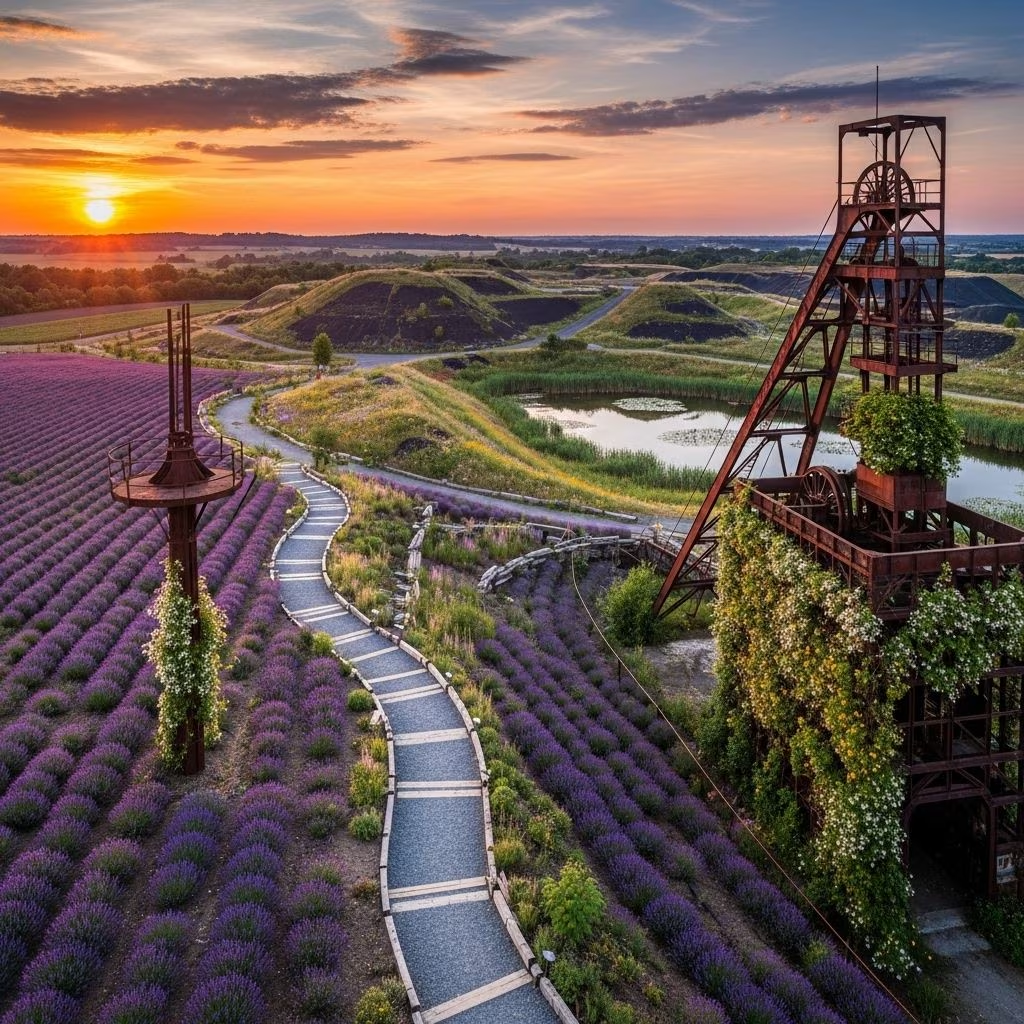
Turning Coal Mines Into Blossoming Lavender Farms
\n\n
Across Appalachia, land scarred by centuries of coal extraction is being revived with vibrant, fragrant fields of lavender. What once were barren stretches of rocky soil and eroded hillsides are now productive, beautiful farms that foster ecological rehabilitation and generate opportunities for local communities. This article explores the journey, impact, and future vision of lavender farming on reclaimed mine lands, focusing on innovative work by Appalachian Botanical Company and similar initiatives.
\n\n
From Scarred Landscapes to Sustainable Beauty
\n\n
Coal mining leaves a profound mark on the land. Surface mines, in particular, strip away vegetation and topsoil, creating harsh conditions that persist for decades. With over 6 million acres of abandoned coal mines across the United States, restoration is a considerable challenge . Environmental regulations require mine reclamation, but typical reforestation can be costly and slow to show results . Now, forward-thinking entrepreneurs and communities are finding novel ways to rehabilitate these lands—by transforming them into thriving fields of lavender .
\n\n
Why Lavender Thrives on Former Mines
\n
- \n
- Lavender (Lavandula angustifolia) excels in poor, well-draining soils and full sun—conditions often found on reclaimed mine sites .
- The plant tolerates rocky soil and slopes that would inhibit most crops.
- Lavender is drought-resistant and requires relatively low input once established.
- Its roots help hold soil in place, providing erosion control.
\n
\n
\n
\n
\n\n
Choosing lavender is both strategic and symbolic—restoring damaged land with a crop that represents healing, resilience, and beauty .
\n\n
The Appalachian Botanical Company: Pioneering Lavender Reclamation
\n\n
Among the most successful and visible ventures is the Appalachian Botanical Company (ABC), founded in 2018 by Jocelyn Sheppard. Operating in Ashford, Boone County, West Virginia, ABC leases former strip mine land and has turned 40 acres into a vibrant lavender and honey bee operation .
\n\n
Goals and Vision
\n
- \n
- Build a botanical enterprise that generates local jobs and fosters community resilience.
- Utilize sustainable farming techniques on land previously unusable for conventional agriculture.
- Contribute to the economic diversification of a region deeply affected by the decline of coal mining .
\n
\n
\n
\n\n
Sheppard’s approach is pragmatic and community-focused, intentionally avoiding divisive cultural debates around coal. The goal is simple: find productive, restorative uses for land no longer viable for mining, while offering new opportunities for West Virginians .
\n\n
A Rapid Path to Restoration
\n\n
- \n
- Lavender’s relatively fast growth allows mine owners to quickly meet environmental checkpoints required by state regulators.
- This method is more economical and efficient than traditional re-vegetation efforts, which often require many years to succeed .
- The company collaborates with landowners and mining firms, benefiting from wide community support.
\n
\n
\n
\n\n
Economic Revitalization: Creating Jobs and New Skills
\n\n
ABC’s model not only restores the land but also reinvigorates local economies severely affected by the coal sector’s decline. In West Virginia, job losses have forced many families to consider leaving in search of new livelihoods. Lavender farming offers an alternative—employment in agriculture and land management for former miners and locals .
\n\n
- \n
- 85 jobs created: As of 2022, ABC had already generated 85 jobs, with plans to expand as more acres are cultivated .
- Training and education: Employees receive training in plant care, harvest, processing, and product development.
- Career transition: Many workers, like ex-miner Aaron Morgan, have successfully made the leap from coal to farming, expressing pride in their new roles .
\n
\n
\n
\n\n
These jobs help keep families in-state and foster a renewed sense of hope and purpose .
\n\n
Restoring Ecology: Healing the Land and Bees
\n\n
Beyond economic impact, lavender farming provides substantial ecological benefits by:
\n
- \n
- Stabilizing soil and reducing erosion.
- Offering pollinator habitat, especially for honeybees raised on site by ABC .
- Potentially reducing toxic heavy metals and improving soil chemistry through root action .
\n
\n
\n
\n\n
By planting diverse, resilient crops, lavender farms contribute to the long-term health of both the local ecosystem and the Appalachian landscape .
\n\n
Community Support and Engagement: Building a “Purple Project”
\n\n
Appalachian Botanical Company is clear that their project is not a political statement but a practical answer to local needs. Sheppard describes the effort as “truly purple”—focused on solutions rather than divisive cultural issues . Community response has been overwhelmingly positive, with residents welcoming new enterprises and looking forward to further expansion and diversification .
\n\n
- \n
- Collaboration: Partnerships with mining companies, landowners, and local governments foster mutual benefits.
- Local pride: Many employees are ex-miners deeply invested in their region’s future.
\n
\n
\n\n
Opportunities for Expansion: Agritourism and New Ventures
\n\n
With more than 100 acres available at the current site, ABC and similar startups are actively planning for future growth . Longer-term visions include:
\n
- \n
- Agritourism: Turning lavender fields into destinations for visitors, offering tours, workshops, and hands-on experiences.
- Cooperative models: Some projects hope to transition to worker-owned co-ops, empowering farmers and increasing local oversight .
- Diversified product lines: Expanding beyond lavender and honey into essential oils, soaps, and regional artisanal products.
\n
\n
\n
\n\n
Challenges to Overcome
\n\n
Despite successes, reclaiming strip-mine land is not without obstacles:
\n
- \n
- Initial costs and technical complexity of land restoration.
- Ensuring soil health—monitoring for heavy metals and pollutants .
- Securing long-term funding, land leases, and market access for products.
- Adapting to weather extremes and variable crop yields.
\n
\n
\n
\n
\n\n
Ongoing research and grant support are vital to overcoming these hurdles and building resilient farm models.
\n\n
Table: Coal Mine Reclamation vs. Lavender Farming Benefits
\n
| Traditional Reclamation | Lavender Farming |
|---|---|
| Slow establishment; trees take years to mature | Fast-growing crops, visible results in 2-3 seasons |
| High costs; extensive replanting and monitoring | Lower ongoing costs, marketable yields |
| Minimal direct economic benefit | Job creation, community involvement |
| Limited support for pollinators | Habitat for bees and other beneficial insects |
| Typically inaccessible to public | Potential tourist and educational site |
\n\n
Frequently Asked Questions (FAQs)
\n
Q: Why is lavender suitable for mine reclamation?
\n
A: Lavender thrives in poor, well-draining soil typical of former mines and is resilient against drought and pests. Its cultivation helps stabilize soil and provides economic returns.
\n\n
Q: How does lavender farming create jobs for ex-miners?
\n
A: Many employees are former miners who transition to agricultural roles, gaining new skills and stable employment through harvesting, processing, and product development.
\n\n
Q: Does lavender help reduce toxic pollutants on mine land?
\n
A: Lavender’s roots may help bind heavy metals and improve soil chemistry. However, full contamination removal often requires additional measures.
\n\n
Q: Can this model work on other abandoned mine lands?
\n
A: Yes—lavender farming is being tested on sites across Appalachia and beyond, suggesting broad potential for scaling up this approach where conditions permit.
\n\n
Q: What future opportunities could lavender farms offer?
\n
A: Expansion into agritourism, co-op ownership, and artisanal product development—all fostering sustainable regional economies and stronger communities.
\n\n
Conclusion: Hope and Renewal in Appalachia
\n
Transforming coal mines into lavender farms stands as a symbol of hope and ingenuity for Appalachian communities and others facing the challenges of post-industrial land restoration. By combining innovative agriculture with committed community involvement, these projects offer a replicable, sustainable model for healing both landscapes and livelihoods. Lavender farms provide beauty, economic opportunity, and environmental stewardship, demonstrating how damaged lands can be reborn for productive use and new generations.


