Trek’s Global Campaign Inspires Millions to Ride Bikes
Bicycles are often hailed as tools of freedom, fitness, and environmental stewardship. In a landscape where urban congestion and climate change top the world’s challenges, cycling offers a compassionate, practical alternative. Recognizing this, Trek—a major name in the cycling industry—launched a robust global campaign to encourage everyone, from casual commuters to aspiring athletes, to choose two wheels over four. This campaign aims not just to foster a love of cycling, but to plant the seeds for healthier, greener lifestyles and communities worldwide.
Why Trek Launched a Cycling Movement
With mounting evidence that transportation plays a key role in climate change and urban health crises, Trek’s latest campaign emerges as both a business initiative and a social mission. Their goal is to inspire more people to discover the transformative benefits of riding bikes regularly—whether for fun, fitness, or commuting. According to Trek, each trip made by bike rather than car represents a small, meaningful contribution toward a less polluted environment and a healthier society.
- Environmental Impact: More cyclists mean fewer cars, which in turn reduces carbon emissions and urban air pollution.
- Health Benefits: Cycling is proven to boost physical health, mental wellness, and even social connectedness.
- Community Connection: Riding bikes helps create vibrant, people-friendly neighborhoods.
The Campaign’s Core Message: “Everyday’s a Good Day to Ride.”
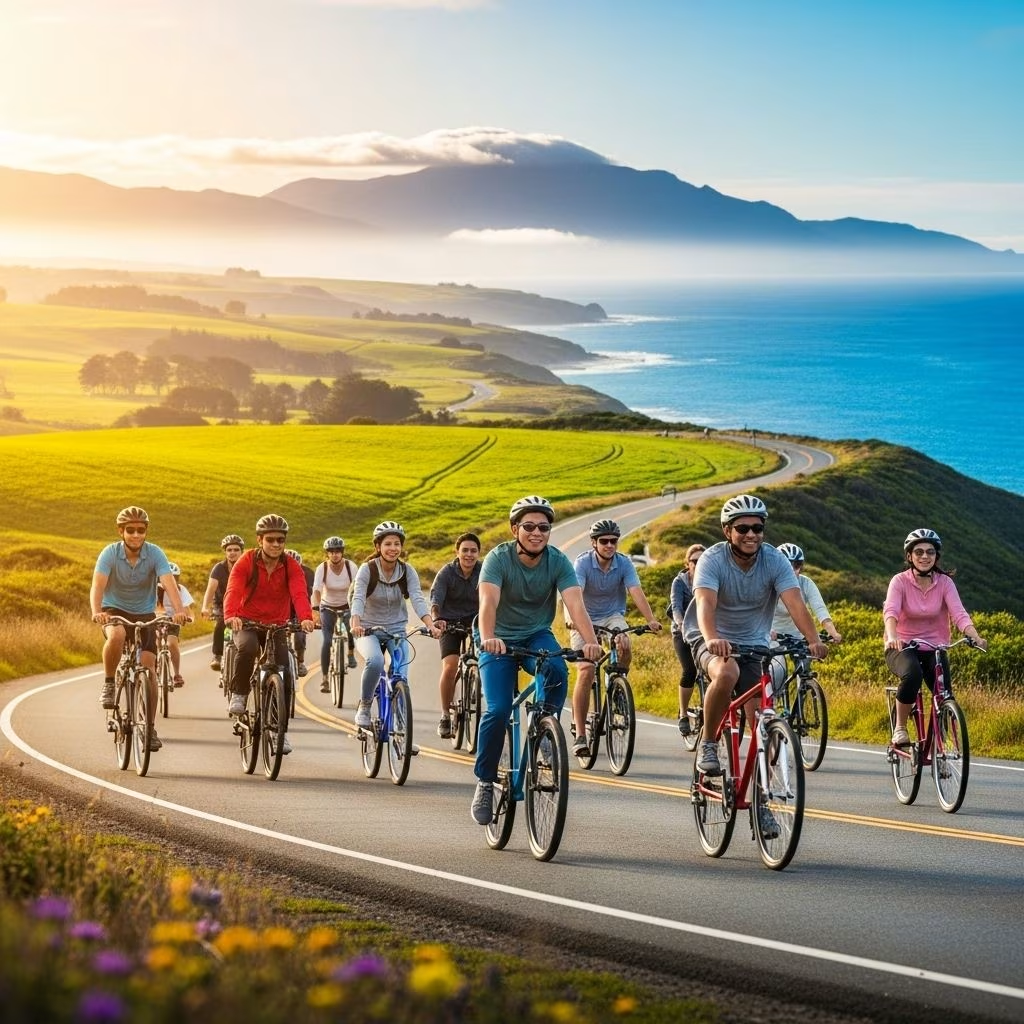
Central to Trek’s movement is the message that cycling should be a natural part of daily life—easy, accessible, and rewarding. The campaign’s slogan, “Everyday’s a Good Day to Ride,” is more than marketing language: It’s a deliberate invitation to tap into cycling’s joys any day, every day. Through evocative imagery and storytelling, Trek isn’t focusing solely on athletes, but underscores cycling as an inclusive, community-driven pursuit.
Highlighting the Environmental Benefits of Cycling
Amid mounting concern about climate change, Trek’s campaign positions cycling as an actionable and immediate way for individuals to cut their carbon footprint. Transportation is a leading source of greenhouse gas emissions globally, and replacing car trips with bike rides offers a direct path to sustainability.
- Emission Reduction: Each mile ridden by bike in place of a car prevents the release of an estimated 0.9 pounds (0.41 kg) of CO₂.
- Clean Air: More bikes and fewer cars result in less smog and superior urban air quality.
- Sustainable Cities: Large-scale cycling adoption supports quieter, safer, and more attractive urban environments.
Trek’s messaging leverages facts like these to empower individuals, arguing that widespread cycling adoption can produce collective change far bigger than the sum of individual trips.
The Personal and Societal Health Advantages
Cycling is known to revolutionize both individual lifestyles and public health metrics. Trek’s campaign boldly ties health and happiness to everyday bike riding.
- Physical Wellbeing: Regular cycling lowers risk for heart disease, obesity, diabetes, and many other chronic illnesses.
- Mental Health: Studies show that regular exercise, such as cycling, decreases anxiety, depression, and stress.
- Social Connectivity: Bike rides—whether solo or in groups—foster community spirit and engagement.
- Reduced Healthcare Costs: On a systemic level, healthier populations require less medical intervention, saving resources for society.
Cycling as Urban Transformation
One of the campaign’s central themes is about the power of the bicycle to shape urban life. As cities grapple with congestion, pollution, and public health challenges, cycling offers a blueprint for smarter, cleaner streets. Trek’s campaign spotlights how increased bike adoption benefits all city dwellers, not just cyclists.
- Reduces traffic congestion, freeing up road space and cutting commute times.
- Decreases noise pollution, helping to create calmer neighborhoods.
- Stimulates local economies by making urban centers more accessible and attractive.
- Encourages inclusive infrastructure such as bike lanes, greenways, and safer intersections.
Cycling-Friendly Cities: A Global Snapshot
| City | Notable Cycling Initiative | Impact |
|---|---|---|
| Amsterdam | 1000+ km dedicated bike lanes | Most trips are by bike; drastically reduced car use |
| Copenhagen | Bicycle Superhighways connect suburbs to city | Over 60% of residents commute by bike daily |
| Portland (USA) | Comprehensive bike sharing and urban trails | Bike commuting up 400% in two decades |
Trek’s campaign calls for more cities to follow these leaders and invest in cycling infrastructure.
Key Features of Trek’s Campaign
- Inspiring Storytelling: The campaign employs real stories from everyday cyclists—commuters, families, older adults, youth—demonstrating that cycling is for everyone.
- Global Reach: Targeting audiences around the world, Trek is adapting its message to diverse cultural contexts.
- Practical Resources: Offering how-to guides, route suggestions, and maintenance tips, the campaign lowers the pain points for first-time riders.
- Partnership Initiatives: Trek is collaborating with schools, local advocacy groups, and governments to amplify their message and facilitate access to bicycles.
How the Campaign Is Being Delivered
Trek’s approach harnesses the power of multi-channel marketing, blending digital assets, social media, retail engagement, and community events. By employing a dynamic mix of video content, blog features, and in-store experiences, the campaign strives to reach both the uninitiated and the seasoned cyclist.
- Digital Campaigns: Social media challenges and shareable stories encourage user engagement.
- Events: Local bike rides, workshops, and community cleanups help build grassroots momentum.
- Retail Activations: Trek’s dealerships offer test rides, maintenance clinics, and cycling seminars to break down barriers to entry.
Addressing Barriers: Making Cycling Accessible
Access to bikes, safe routes, and cycling knowledge remains a hurdle for many. Trek is confronting these barriers directly with special focus on:
- Affordable Bike Models: Offering entry-level bicycles and periodic discounts to lower the cost of ownership.
- Inclusive Messaging: Featuring a diverse range of riders in campaign materials to break stereotypes around age, gender, and body type.
- Education: Providing free resources and safety clinics to improve rider confidence and know-how.
- Community Partnerships: Supporting local initiatives to distribute bikes and build new infrastructure—especially in under-resourced neighborhoods.
Case Studies: Real People, Real Change
The Trek campaign storyteller through real-life examples, driving home the point that every rider has the power to make a difference.
- The Daily Commuter: By cycling to work, the average commuter saves hundreds of dollars annually on fuel and parking—while drastically reducing their carbon footprint.
- The Family Ride: Families who replace weekend car trips with group bike rides report greater bonding, healthier habits, and increased neighborhood engagement.
- Senior Cyclists: Older adults participating in community rides experience improved mobility, lower stress, and expanded social connections.
Amplifying the Movement: How to Get Involved
While Trek’s campaign is ambitious, its power originates from individuals making a commitment to cycling—even just once a week. Here’s how anyone can participate and help grow the movement:
- Start Small: Swap a short car trip for a bike ride—whether it’s for groceries, a school run, or meeting friends.
- Share Your Story: Use social media tags to share your cycling experiences and inspire others.
- Join Local Advocacy: Support cycling infrastructure initiatives or volunteer with bike education programs.
- Encourage Friends: Invite others to ride and help build a supportive, cycling-friendly culture.
Lessons Learned: Toward a Cycling Future
Trek’s campaign underscores the idea that bikes can do more than move people—they can transform cities, save the planet, and improve lives. By blending positive messaging, community partnerships, and actionable tools, the campaign offers a template for any organization or individual hoping to make a difference through active transportation.
The more that cycling is normalized and celebrated, the easier it becomes for policymakers and city planners to justify investments in safe streets and bike-friendly infrastructure. Ultimately, the movement aims not just to fill roads with riders, but to foster a global mindset where cycling is an everyday solution for everyone.
Frequently Asked Questions (FAQs)
Q: How does cycling actually benefit the environment?
A: Every mile traveled by bike instead of car prevents emissions that contribute to air pollution and climate change. Large-scale cycling adoption can meaningfully lower urban carbon footprints.
Q: I live in a city with few bike lanes. Is it still safe to ride?
A: Always assess your local conditions and prioritize safety. Many cities are increasing their investment in cycling infrastructure. Check for group rides or advocacy organizations that can recommend safer routes and support more protected lanes.
Q: How can I start cycling regularly if I haven’t ridden in years?
A: Start with short, manageable rides on safe roads or trails. Local bike shops often offer beginner classes, and Trek’s campaign website and resources provide guidance on basic skills and bike maintenance.
Q: What if I can’t afford a new bike?
A: Trek and many local groups offer entry-level bikes, discounts, and sometimes even free bikes through community programs. Consider checking with local nonprofits focused on cycling access.
Q: Why is cycling so strongly linked to health?
A: Cycling keeps you physically active while being gentle on the joints, supports cardiovascular health, and can boost mood and mental clarity. It also encourages regular time outdoors, which is shown to improve overall well-being.
References
- https://www.unlimitedbiking.com/blog/bike-events/tri-state-trek-2025-three-states-two-days-one-bike/
- https://www.youtube.com/watch?v=GtF6If6b3CQ
- https://teentreks.com
- https://racing.trekbikes.com/stories/lidl-trek/the-lidl-trek-riders-ready-to-leave-their-mark-at-the-2025-tour-de-france
- https://racing.trekbikes.com/stories/lidl-trek/ltfr-2025
- https://trektravel.com/tours/2025/
- https://trektravel.com/tours/ride-camp/
- https://racing.trekbikes.com/stories/lidl-trek/all-in-for-green-on-the-final-push-to-paris
- https://www.trekbikes.com/us/en_US/trek100/