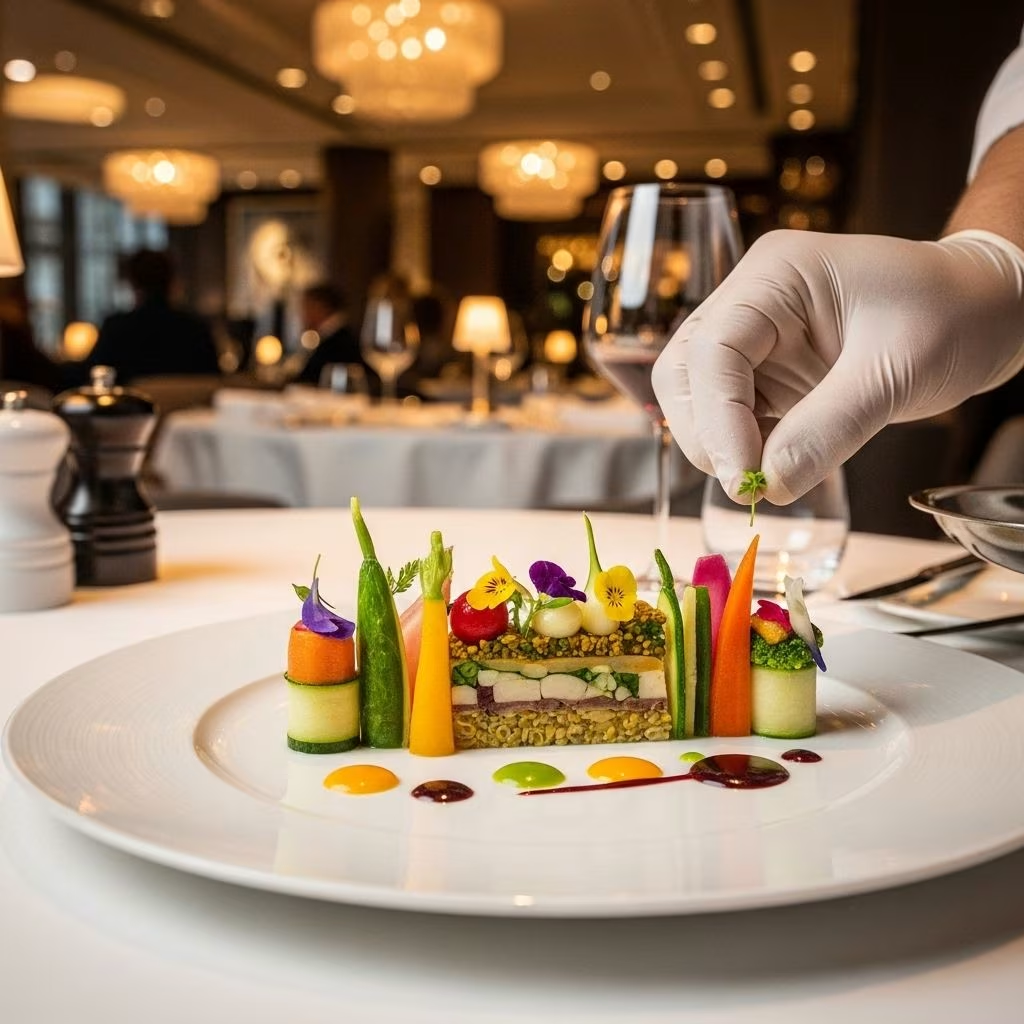
World’s Top Restaurants Are Going Plant-Based
Across the globe, fine dining institutions are redefining the culinary experience by focusing on plant-based cuisine. As diners and chefs alike grapple with planetary health and animal welfare concerns, some of the most influential names in gastronomy are pioneering menus that put plants at the center. This transition not only signals a radical shift in luxury food culture but also establishes new benchmarks for sustainability, flavor innovation, and inclusivity.
Why Leading Restaurants Are Moving Toward Plant-Based Menus
- Environmental Consciousness: Plant-based cooking is far less resource-intensive than traditional animal agriculture, drastically cutting greenhouse gas emissions and water use.
- Ethical Considerations: Many chefs cite compassion for animals and reducing suffering as key motivations.
- Healthier Options: Plant-based meals offer guests diverse nutritional benefits, including heart-healthy fats, lower cholesterol, and increased fiber.
- Culinary Innovation: Plant-based cuisine sparks creativity, encouraging chefs to explore flavors, textures, and techniques not previously prioritized in meat-centric kitchens.
These factors have led world-renowned restaurants—some formerly famous for their meat, seafood, or dairy specialties—to pivot dramatically toward plant-forward menus.
Profiles of Top Restaurants Making the Switch
1. Eleven Madison Park — New York City, USA
Eleven Madison Park, the three Michelin-star establishment led by Chef Daniel Humm, stunned the culinary world in 2021 by announcing its shift to a near-completely plant-based tasting menu. The restaurant, previously acclaimed for its butter-poached lobster and duck, now features inventive dishes based on locally sourced vegetables, fruits, legumes, and grains. Humm’s pivot was motivated by environmental concerns and a desire to push culinary boundaries while serving only minimal animal products in coffee or tea upon request.
- Signature Plant-Based Creations: Sunflower butter-stuffed croquettes, beet ‘steak’ with fermented vegetable jus.
- Impact: The move has been both celebrated and critiqued, igniting debate about the future of haute cuisine.
2. Geranium — Copenhagen, Denmark
Geranium, a Michelin three-star restaurant helmed by Rasmus Kofoed, moved to a meat-free menu in 2022, becoming the first of its caliber to do so in Denmark. While fish, seafood, and dairy are occasionally present, Kofoed’s menu spotlights complex, visually stunning vegetable preparations sourced directly from biodynamic farms.
- Signature Dishes: Carrot flower with sea buckthorn, mushroom broth with forest herbs.
- Motivation: Kofoed’s choice was rooted in personal ethics and environmental urgency, reflecting a commitment to seasonal, local produce.
3. ONA — Arès, France
ONA (Origine Non Animale), in the Bordeaux region, made history in 2021 as the first vegan restaurant to be awarded a Michelin star. Founded by Claire Vallée, ONA’s menu is a celebration of French techniques using 100% plant ingredients: herbs, roots, edible flowers, and grains. The restaurant’s commitment extends to its operations, using renewable energy and composting food waste.
- Highlight: Innovations such as vegan foie gras, and sauces built from umami-rich fungi.
- Sustainability Focus: ONA’s holistic approach includes eco-friendly design and supply chain choices.
4. Alexis Gauthier at Gauthier Soho — London, UK
Gauthier Soho, run by former Michelin-star chef Alexis Gauthier, transitioned fully vegan in 2021. Gauthier’s Parisian roots and classical training push him to recreate French luxury—from rich sauces to elegant pastries—without animal products. The plant-based menu continues to attract both vegans and omnivores seeking refined flavors.
- Signature Items: Vegan cheeses and traditional Paris-Brest recreated with almond and oat.
- Cultural Impact: Gauthier is vocal about climate action and routinely participates in activism for plant-based eating in the fine dining sector.
5. Kajitsu — New York City, USA
Kajitsu specializes in shojin ryori, a centuries-old Japanese Buddhist vegetarian cuisine. Rooted in spiritual principles and an ethos of respect for all forms of life, Kajitsu’s multi-course kaiseki meals feature seasonal vegetables, tofu, and delicate broths. The restaurant’s minimalist presentation and profound flavors earn regular critical acclaim.
- Examples: Bamboo shoots in miso broth, persimmon wagashi (traditional sweets).
- Principles: Shojin ryori is inherently vegan, emphasizing harmony between nature and the diner.
6. Yellow — Sydney, Australia
Yellow, in Potts Point, Sydney, reimagined itself as a plant-based restaurant in 2016 under chef Brent Savage. Instead of replacing meat, Savage built dishes that showcase local Australian produce—often with unexpected textures and color combinations, providing a vibrant counterpoint to the city’s traditional steakhouse culture.
- Notable Dishes: Roasted pumpkin with vegan XO sauce, smoked beetroot tartare.
- Culinary Direction: Yellow aims to inspire curiosity and delight, without relying on imitation meats.
The Impact of Top Restaurants Going Plant-Based
The transition of elite restaurants to plant-based menus reverberates far beyond the kitchen. Key impacts include:
- Setting Industry Trends: When culinary leaders embrace plants, smaller restaurants and home cooks follow suit.
- Influencing Consumer Perceptions: Fine dining elevates the status of plant-based food, undermining stereotypes that vegan eating is bland or restrictive.
- Reducing Environmental Load: High-profile restaurants source ingredients with lower footprints and often support regenerative agriculture.
- Food Waste Minimization: Many plant-based chefs focus on whole vegetable utilization—roots, stalks, leaves—reducing kitchen waste.
| Restaurant | City | Plant-Based Since | Recognition |
|---|---|---|---|
| Eleven Madison Park | New York | 2021 | 3 Michelin Stars |
| Geranium | Copenhagen | 2022 | 3 Michelin Stars |
| ONA | Bordeaux | 2021 | 1 Michelin Star |
| Gauthier Soho | London | 2021 | Michelin Chef |
| Kajitsu | New York | N/A | Critical Acclaim |
| Yellow | Sydney | 2016 | Critical Acclaim |
Why Plant-Based Fine Dining Is Growing
This movement is not simply a trend, but the result of a convergence of pressing global issues and culinary ambition. Major factors include:
- Climate Anxiety: Faced with reports of environmental decline, chefs and diners seek ways to reduce impact through their eating habits.
- Market Demand: More consumers identify as ‘flexitarian,’ showing willingness to pay for great plant-based meals, making it financially sustainable for restaurants.
- Culinary Artistry: Plant-based menus force chefs to use greater skill to coax flavor and presentation from vegetables, legumes, nuts, and grains.
- Health Awareness: Diners request more healthful, whole-food meals, shifting industry standards.
Challenges Restaurants Face When Transitioning
Despite growing enthusiasm, shifting to plant-based cuisine poses challenges—especially for restaurants known for meat, seafood, or dairy:
- Customer Skepticism: Some diners resist the perception that plant-based means less flavorful or less filling.
- Supply Chain Adjustments: Sourcing high-quality, diverse vegetables, grains, and legumes—often in volume—requires new supplier relationships.
- Training: Chefs and kitchen staff must retrain in novel ingredients and techniques.
- Menu Engineering: Achieving balance without animal-based stocks, cheeses, or meats demands inventiveness in taste and texture.
However, many chefs have responded by developing new methods: fermenting vegetables for umami richness; employing nuts and legumes for creaminess; utilizing smoking and roasting to build depth.
Benefits for the Planet and Society
The plant-based pivot of prominent dining rooms is not merely about food—it has environmental, ethical, and social implications:
- The shift saves water, reduces emissions, and supports greater biodiversity.
- It challenges long-standing prejudices about luxury and exclusivity, making elegant dining accessible to more people (including those with allergies or religious dietary rules).
- Plant-based menus tend to offer more gluten-free, nut-free, and soy-free options.
- Some restaurants partner directly with local farmers, supporting smaller-scale, seasonal agriculture.
Frequently Asked Questions (FAQs)
Q: Why are top restaurants interested in plant-based menus now?
A: Chefs cite ecological urgency, new market demand, personal ethical growth, and a desire for artistic challenge as major motivators.
Q: Do plant-based tasting menus cost more than traditional ones?
A: Pricing varies, but many high-end restaurants maintain similar price points, citing increased labor and ingredient complexity in their plant-based menus.
Q: Are plant-based fine dining menus only for vegans?
A: No. While vegans and vegetarians celebrate these options, most customers identify as omnivores or flexitarians—drawn by flavor, innovation, and sustainability.
Q: How do chefs create ‘meaty’ or rich flavors without animal products?
A: Chefs use techniques like fermentation, smoking, roasting, and ingredients such as fungi, legumes, and nuts to achieve umami and rich textures.
Q: Will plant-based menus become the mainstream in fine dining?
A: Industry analysts predict growth, but tradition and local market differences mean animal-based dishes are likely to persist; however, plant-based offerings will expand.
The Future of Plant-Based Haute Cuisine
With innovative chefs and bold culinary institutions blazing a trail, plant-based fine dining is not merely a passing fad—it is an enduring evolution. As increasing numbers of the world’s most famous restaurants embrace this shift, they redefine luxury for a new era: one rooted in sustainability, compassion, and the limitless culinary possibilities of the plant kingdom.