


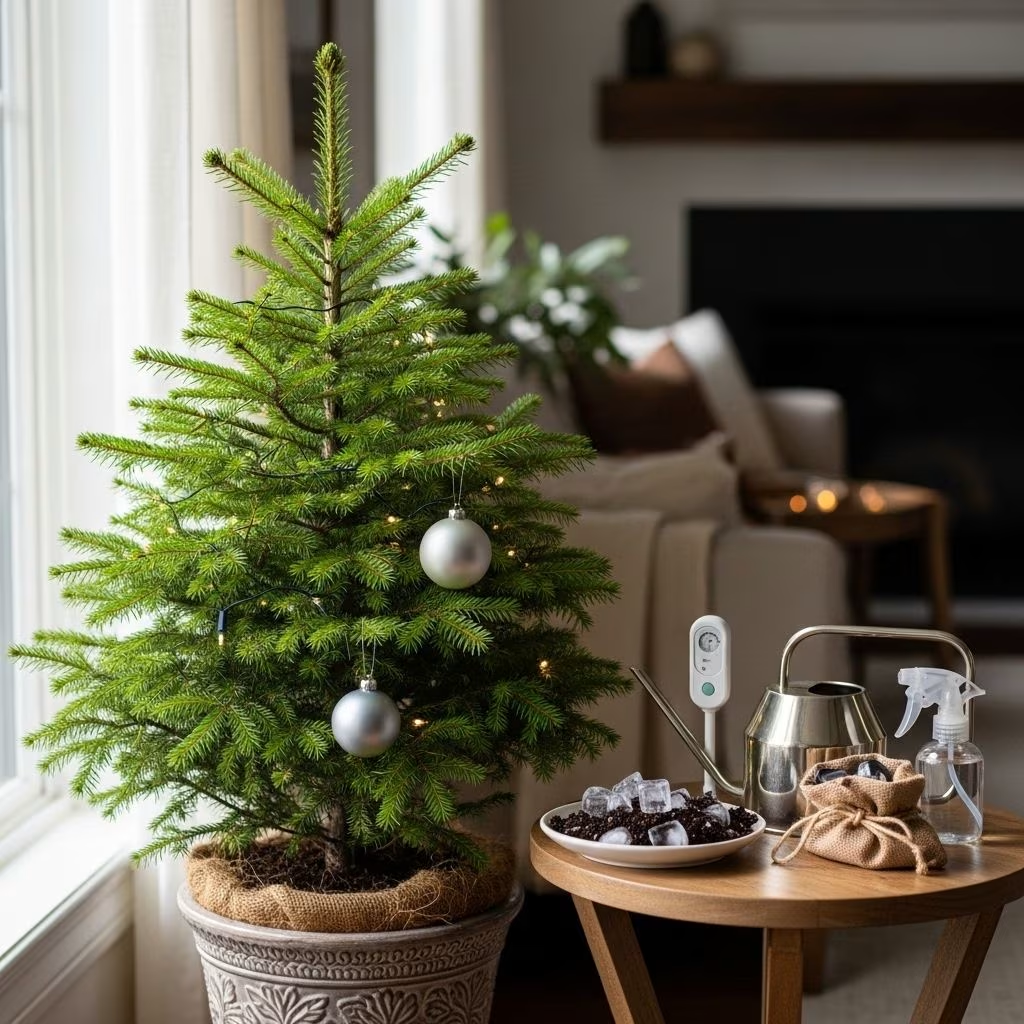
How to Care for a Living Christmas Tree: A Complete Guide
For those seeking a more sustainable and eco-friendly holiday tradition, choosing a living Christmas tree is a beautiful way to enjoy festive greenery while reducing waste. Unlike cut trees, living Christmas trees come with their roots intact—either balled and burlapped (B&B) or planted in a container—allowing them to be relocated and planted in the yard after the holiday season. However, caring for a living tree requires special attention before, during, and after its time indoors to ensure it thrives for years to come.
What Is a Living Christmas Tree?
A living Christmas tree is a healthy, actively growing tree, typically a conifer, kept in a pot or with its root ball wrapped in burlap. After the holidays, this tree can be integrated into your landscape, providing a continuous contribution to your local ecosystem and holiday memories for years ahead.
Choosing the Best Living Christmas Tree
Not all evergreens work equally well as living Christmas trees. When selecting a tree, you should consider both its suitability as a holiday decoration and its adaptability to your local environment.
- Species selection: Popular species for living Christmas trees include Serbian spruce, Norway spruce, white spruce, Canaan fir, Douglas fir, and white pine. Choose a species that will thrive in your region once planted outdoors.
- Size matters: Opt for a smaller tree (usually 4 feet or less) to prevent excessive stress during the transition from outdoors to indoors and back. Heavier/larger trees are harder to move and more likely to suffer root damage.
- Root health: Inspect the root ball or container for healthy, moist soil and a well-developed root system. Avoid trees with dry, brittle roots or excessively compacted soil.
Transporting Your Living Christmas Tree Safely
Caring for a living tree begins the moment you bring it home:
- Handle with care: Always lift the tree from underneath the root ball or container—never by the trunk—to avoid damaging the roots.
- Protect branches: Gently tie branches with soft twine or wrap the tree in a blanket for transport, minimizing breakage.
- Ventilate vehicle: Avoid exposing the tree to heat blasts or excessive exhaust; keep it cool and well-ventilated in transit.
- Acclimate gradually: Place the tree in a sheltered, unheated area (like a garage or porch) for several days before bringing it indoors, allowing it to adjust slowly to temperature and light changes.
Acclimatizing Your Living Christmas Tree
Rapid temperature swings can shock a living tree. Use this two-stage acclimation process for a successful transition:
- First, move the tree from the outdoors to a protected but cool, sheltered area such as a garage, enclosed porch, or mudroom. Let it rest here for a day or two to moderate the temperature shift.
- Next, shift the tree into the house, choosing a cool room away from direct heat sources and out of sunlight, which can dry needles and stress the plant.
Setting Up Indoors: The Right Location
Where you place your tree indoors has a significant impact on its health. Follow these key steps:
- Keep it cool: Locate the tree in the coolest spot available, away from heating vents, radiators, fireplaces, and large electronics, all of which dry the air and stress the tree.
- Limit time indoors: Aim to keep your living tree inside for a maximum of 7–10 days, and never more than two weeks. Extended indoor stays can break the tree’s dormancy and reduce its chance of survival outdoors.
- Use protection: Place a waterproof saucer or tray beneath the pot or root ball to catch any water spills and protect your flooring.
- Stabilize the tree: For balled and burlapped (B&B) trees, set the root ball snugly in a container using stones, wood chips, or mulch to steady it.
Decorating a Living Christmas Tree
Gentle, thoughtful decorating ensures your tree enjoys the festivities without undue stress:
- Lightweight ornaments: Choose lightweight and non-breakable decorations to avoid damaging delicate branches.
- Use LED lights: Opt for LED string lights, which emit less heat than traditional incandescent bulbs and help prevent needles from drying out.
- Be cautious with lights: Limit the time that tree lights are switched on, especially with small or potted trees, as even gentle warmth can dehydrate needles and sap moisture from the soil.
- Avoid sprays and artificial snow: Chemicals can clog pores (stomata) and damage the tree’s needles and bark.
Watering: The Key to Survival
Proper hydration is crucial for a living Christmas tree’s health. Here’s how to provide optimal care:
- Check soil moisture daily: The soil should be kept evenly moist, but not soggy. Never allow it to dry out completely or become waterlogged.
- Drain excess water: For potted trees, empty saucers if water accumulates to avoid root rot. For B&B trees, do not remove the burlap during the holidays; just ensure good drainage.
- Water tips: Water slowly and thoroughly around the roots, rather than dumping water quickly, to allow deep penetration and minimize spillage.
- Avoid additives: Do not add sugar, fertilizers, aspirin, or commercial preservatives to the water. Plain, cool water is best for root and needle health.
After the Holidays: Re-Transitioning Your Tree
When it’s time to move your living Christmas tree outdoors, reverse the acclimatization process:
- Gradual transition: Move the tree first to a cool, sheltered indoor space (like a garage or porch) for several days before placing it fully outside to minimize shock.
- Outdoor placement: If you live in a region with cold winters, avoid planting the tree immediately if the ground is frozen or temperatures are frigid. Instead, keep the tree in a sheltered, unheated, but protected spot (garage, shed, or along the north side of your home).
- Protect the roots: If you are unable to plant right away, insulate the root ball or pot with straw, leaves, or mulch to prevent freezing. Check soil moisture periodically and water as needed to avoid drying out.
If the tree must remain potted until spring, water enough to keep the roots moist but not wet throughout winter dormancy. Once the weather allows, plant as soon as possible.
How to Plant Your Living Christmas Tree
Planting your living tree correctly sets it up for healthy growth:
- Location: Choose a planting site suited to your tree’s mature size and sunlight requirements. Avoid places close to structures, power lines, or driveways where roots or branches may interfere as the tree grows.
- Soil preparation: Dig a hole twice as wide as the root ball but only as deep as the root system. Amend the soil if needed based on your species’ acidity and drainage preferences.
- Burlap removal: For B&B trees, remove any non-biodegradable twine or synthetic burlap before planting. Natural burlap can be loosened but may be left partially covering the root ball.
- Backfill and water: Position the tree at the same soil depth as it was in its container or burlap wrap. Backfill with native soil and water thoroughly. Mulch around the base to conserve moisture and insulate roots.
- Maintenance: Keep the soil evenly moist and check the tree regularly (especially during dry spells), watering as needed during its first growing season.
Long-Term Care for Your Planted Christmas Tree
Turn your festive holiday investment into a healthy landscape feature:
- Watering: Young trees need consistent moisture, particularly through their first spring and summer outdoors. Reduce frequency as roots establish, but never allow the soil to bake dry.
- Mulch management: Refresh mulch yearly to help control weeds and maintain moisture. Keep mulch a few inches away from the trunk to prevent rot and pest problems.
- Structural support: Stake the tree if needed to protect from wind until it is firmly rooted, especially in exposed areas.
- Fertilizer: Avoid heavy nitrogen fertilizers in the first year. Optional: Use a gentle, balanced fertilizer at the start of the second growing season if desired.
- Pest and disease monitoring: Watch for signs of stress, insects, or fungal problems and address promptly using eco-friendly methods.
Frequently Asked Questions (FAQs)
How long can I keep a living Christmas tree indoors?
Limit the time indoors to 10 days or less. Keeping it inside for too long can break dormancy and reduce survival chances after planting.
What is the best way to water a living Christmas tree?
Check the soil daily and water only when the soil starts to feel dry to the touch. Keep it moist, never soggy. Drain excess water from trays or saucers if needed.
Can I bring my living Christmas tree indoors next year?
Yes, if grown in a large enough container and properly cared for, your tree may be used for Christmas again. Each year, reseat, water, and re-acclimate as described above.
Should I fertilize my living Christmas tree before or after the holidays?
Do not fertilize during the holiday or heavy dormant season. If desired, wait until spring after planting or repotting, and use a light, balanced fertilizer.
What should I do if I see yellowing needles or falling needles?
Yellowing or dropping needles are usually signs of stress from dryness, overwatering, or temperature shock. Review your watering routine and ensure the tree is not near heat sources or in a draughty spot.
Tips for a Greener Holiday
- Choose regionally appropriate species to maximize outdoor success after the holidays.
- Consider reusing the tree in its container each year for a potted patio tree or holiday tradition.
- Contact local nurseries or municipal recycling programs if you aren’t able to plant your living tree long-term.
Summary Table: Living Christmas Tree Indoor Care Checklist
| Task | Best Practice | Why It Matters |
|---|---|---|
| Acclimate tree before bringing inside | Leave in a cool shelter 2-3 days | Reduces temperature shock |
| Location indoors | Coolest spot, away from heat | Minimizes drying and stress |
| Watering | Moist, not soggy soil; check daily | Prevents dehydration and root rot |
| Lighting | LED lights, used sparingly | Reduces heat damage |
| Indoor time limit | Maximum 10 days | Maintains dormancy, supports outdoor survival |
Final Thoughts
Caring for a living Christmas tree rewards both your home and the planet. By thoughtfully selecting, nurturing, and planting your tree, you foster a holiday tradition that grows more meaningful with time—offering beauty and wildlife habitat for generations. With the right care, your festive centerpiece can become a living reminder of the holidays for years to come.
References
- https://bygl.osu.edu/node/2292
- https://deradesigninc.com/blogs/news/how-to-select-and-care-for-a-live-potted-christmas-tree
- https://www.floraly.com.au/blogs/news/christmas-tree-care-tips
- https://www.canr.msu.edu/news/living_christmas_trees_another_real_tree_option
- https://urbanforestprofessionals.com/blog/why-planting-your-live-christmas-tree-in-the-yard-is-a-bad-idea/


