The Essential Chinkapin: An American Native Oak
Chinkapin oaks—also spelled chinquapin oak—are revered throughout North America for their unique adaptation, historic value, edible acorns, and vital role in wildlife habitats. At the crossroads of culture and ecology, this native tree stands as a resilient example of nature’s bounty and adaptability.
What Is a Chinkapin Oak?
The chinkapin oak (Quercus muehlenbergii) is a medium-to-large deciduous tree, closely related to the white oak, and native to much of the eastern, central, and southern United States. It is easily recognized by its distinctive, chestnut-like leaves—dark green in summer, turning a vivid spectrum of yellow, orange, and brown in autumn. Mature trees normally reach heights between 40 to 60 feet, with an open, rounded canopy and an equally expansive spread, making them excellent shade trees for parks and large yards.
Taxonomy and Relatives
- Scientific Name: Quercus muehlenbergii
- Family: Fagaceae (Beech Family)
- Common Names: Chinkapin Oak, Chinquapin Oak, Yellow Oak
- Native Range: Eastern, Central, and Southern United States
- USDA Hardiness Zones: 4–7
Botanical Features and Identification
Chinkapin oaks display several distinctive features:
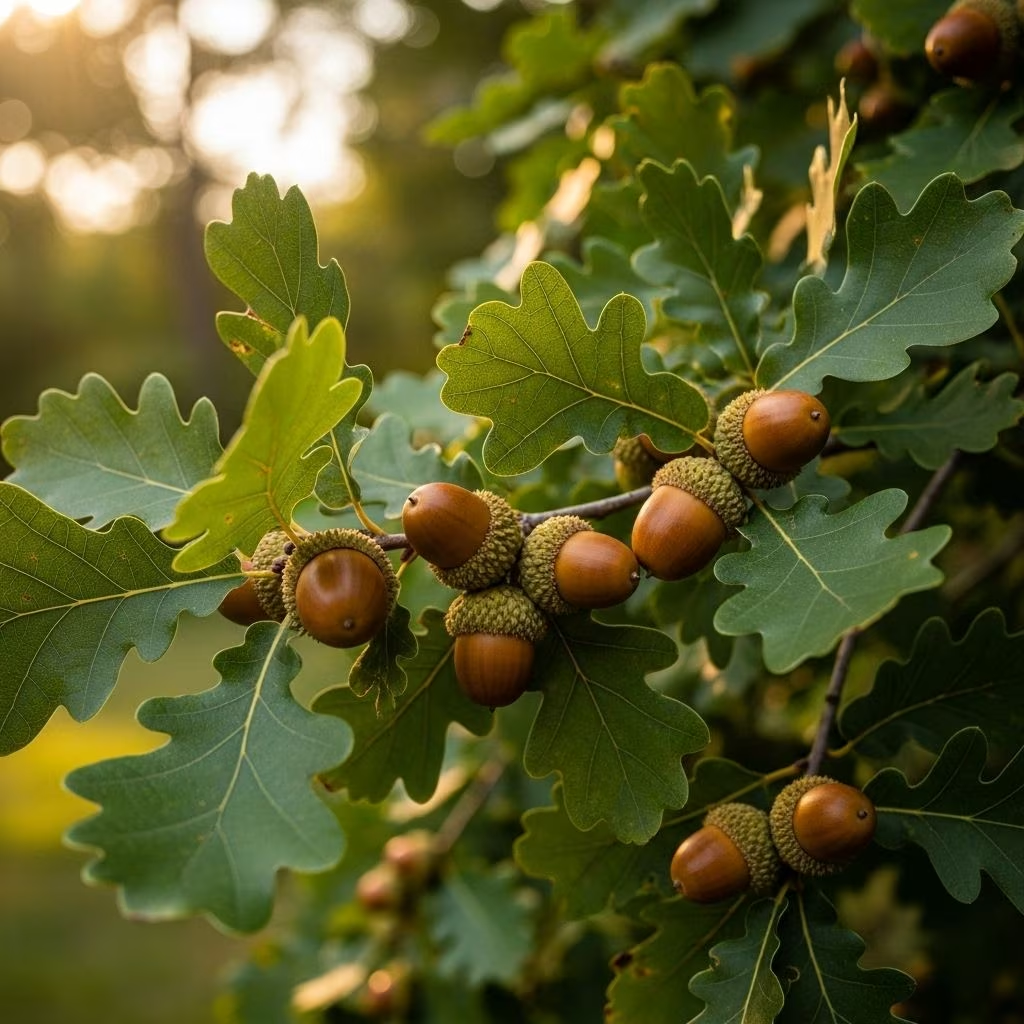
- Leaves: Resemble those of chestnuts—narrow, oblong, with sharply serrated or saw-toothed edges. They are a glossy dark green during the growing season, transitioning to gold and bronze tones in autumn.
- Acorns: Small, shiny, and typically chestnut-brown, the acorns emerge singly or in pairs and are about half-covered by a thin, scaly cap. Notably, these acorns are much sweeter than those of most other oaks.
- Bark: Mature bark is thin, shaggy, or flaky, often pale gray to brown—giving older specimens a rugged texture reminiscent of the white oak.
- Growth Habit: Chinkapins form open, rounded crowns and can exhibit a somewhat irregular, spreading growth when mature.
Table: Quick Facts about Chinkapin Oak
| Attribute | Details |
|---|---|
| Height at Maturity | 40–60 feet |
| Spread | 50–60 feet |
| Growth Rate | Slow to Moderate |
| Leaf Shape | Narrow, saw-toothed margin |
| Fall Color | Yellow, Bronze, Orange |
| Acorn Taste | Sweet |
| Soil Preference | Neutral to Alkaline, Well-drained |
| Drought Tolerance | High |
| Wildlife Value | Very High |
Natural Range and Habitat
Chinkapin oaks are adaptable, with a natural range stretching from New England and the Midwest, down into Texas and northern Mexico. They thrive in open woods, limestone hills, rocky bluffs, and even dry soils where few other trees persevere.
- Soils: Well-drained soils are preferred, from deep loams to rocky limestone. Chinkapins are especially tolerant of higher soil pH (neutral to alkaline), unlike many other North American oaks.
- Light Requirements: Full sun is optimal, as the species is shade intolerant and needs open space to realize its growth potential.
- Water: Mature trees are drought-tolerant; however, young plants need consistent moisture for establishment.
Chinkapin Oak Through History
The chinkapin tree’s value goes far beyond its ecological benefits. Its story is woven through American history and folklore:
- Pioneer Times: Early settlers in the Ohio River Valley used chinkapin wood for sturdy fencing and as an essential source of fuel—particularly for steamboats. The wood’s density made it ideal for enduring structures and long-burning firewood.
- Native American Heritage: The Lenape and other Native American tribes revered the chinkapin for both its shade and its nourishing mast. Folklore reports chiefs holding council and ceremonies beneath the sheltering boughs, seeking fortune in war and peace.
Ecological Role and Wildlife Value
Few trees provide as much to native wildlife as the chinkapin oak:
- Acorns serve as critical food: Their sweet, low-tannin nuts are relished by deer, wild turkeys, squirrels, blue jays, quail, and a multitude of other birds and mammals.
- Cover and nesting habitat: Its broad, spreading shape provides shelter and nesting space for birds and shade for ground-dwelling creatures.
- Biodiversity anchor: As a native mast tree, it strengthens food webs where it grows, particularly in regions with limited other nut-producing trees.
Because of its ecological importance, many conservation plantings and wildlife habitat projects incorporate chinkapin oaks as cornerstone species.
Cultural and Culinary Uses
The chinkapin offers benefits that go far beyond wild food sources:
- Edible Acorns: The nuts can be eaten raw when fully ripe, or leached, roasted, and even ground into flour for breads or as a coffee substitute. Their sweetness makes them more palatable than most other oak acorns and a historic staple food during times of scarcity.
- Traditional Crafts and Woodworking: Though not widely used in modern commercial lumber, chinkapin wood is dense and durable, making it favorable for furniture, cabinetry, fencing, and fuelwood where available.
- Ornamental Value: Landscapers prize the chinkapin as a low-maintenance, drought-tolerant shade tree with striking autumn color and unique foliage. Its adaptability makes it especially suitable for urban environments, especially where soil conditions are challenging.
Planting and Care Tips
Chinkapin oaks are adaptable but thrive best with some thoughtful placement and early care:
- Site Selection: Plant in full sun with ample room for spreading roots and branches. Avoid shade from larger neighboring trees or buildings.
- Soil Preparation: Prefers alkaline to neutral, well-drained soils. Avoid poorly drained, compacted, or highly acidic sites (pH below 6.5).
- Spacing: For windbreaks or wildlife plantings, allow 8–15 feet between young trees, giving them space to mature without competition.
- Establishment: Young seedlings benefit from good weed control for at least three years. Mulch to conserve soil moisture and reduce competition.
- Pest and Disease Resistance: Chinkapin oaks are hardy, with few major insect or disease problems in most locations.
Growth Performance in the Landscape
| Region | Height in 20 Years | Drought Tolerance | Soil pH Range |
|---|---|---|---|
| Eastern US | 24–28 feet | High | 6.5–8 |
| Central US | 22–26 feet | High | 6.5–8 |
| Western US | Not suitable | N/A | N/A |
Conservation Importance and Status
The chinkapin oak remains widespread and generally secure within its range, yet its habitat—especially open woodlands and limestone glades—is increasingly fragmented by land use change and urban development. It is a valuable species for restoring native landscapes and supporting declining wildlife populations.
In addition to being a vital resource for wildlife, chinkapins can be used:
- To stabilize disturbed sites and field borders
- In multi-row windbreaks
- As large specimen trees for urban planting and shade
Frequently Asked Questions (FAQs) about Chinkapin Oaks
Q: What makes chinkapin oak acorns special compared to other oaks?
A: Chinkapin acorns are among the sweetest of all North American oak species. Their low tannin content makes them edible raw (when fully ripe) and highly prized by both wildlife and humans.
Q: Is the chinkapin oak related to chestnut or true chinkapin trees?
A: Despite similar leaf shape and common names, the chinkapin oak (Quercus muehlenbergii) belongs to the oak genus (Quercus), while true chinkapins (including Allegheny chinkapin, Castanea pumila) are in the chestnut genus (Castanea).
Q: How fast do chinkapin oaks grow?
A: Chinkapin oaks typically grow at a slow to moderate rate, often putting on 1–2 feet of height per year under favorable conditions. Their longevity more than compensates for early patience required.
Q: Are chinkapin oaks threatened by pests or diseases?
A: This species is generally resistant to most common oak diseases and insect pests. However, like all oaks, it may occasionally be affected by borers, oak wilt, and leaf miners.
Q: Are chinkapin oaks suitable for small yards or urban sites?
A: Chinkapin oaks require ample space to develop their broad crown but can be suitable for larger urban lots, parks, and open landscapes. Their deep roots and drought tolerance also make them resilient to tough urban conditions.
Conclusion: A Tree for Generations
The chinkapin oak stands as a striking symbol of North America’s ecological and cultural heritage. With its handsome foliage, bountiful acorns, and value to both wildlife and people, it deserves a prominent place in restoration projects, conservation settings, and home landscapes. By planting and preserving chinkapin oaks, we support biodiversity, enrich our environment, and keep a vital thread of natural history alive for generations to come.
References
- https://kb.jniplants.com/chinkapin-oak-quercus-muehlenbergii
- https://www.kansasforests.org/conservation_trees/products/deciduous/chinkapin.html
- https://www.npsot.org/posts/chinquapin-oak-a-nice-good-looking-shade-tree/
- https://www.arborday.org/perspectives/chinkapin-oak-tree-many-uses
- https://plants.usda.gov/DocumentLibrary/factsheet/pdf/fs_capu9.pdf
- https://hort.ifas.ufl.edu/woody/Pages/caspum/caspum.shtml