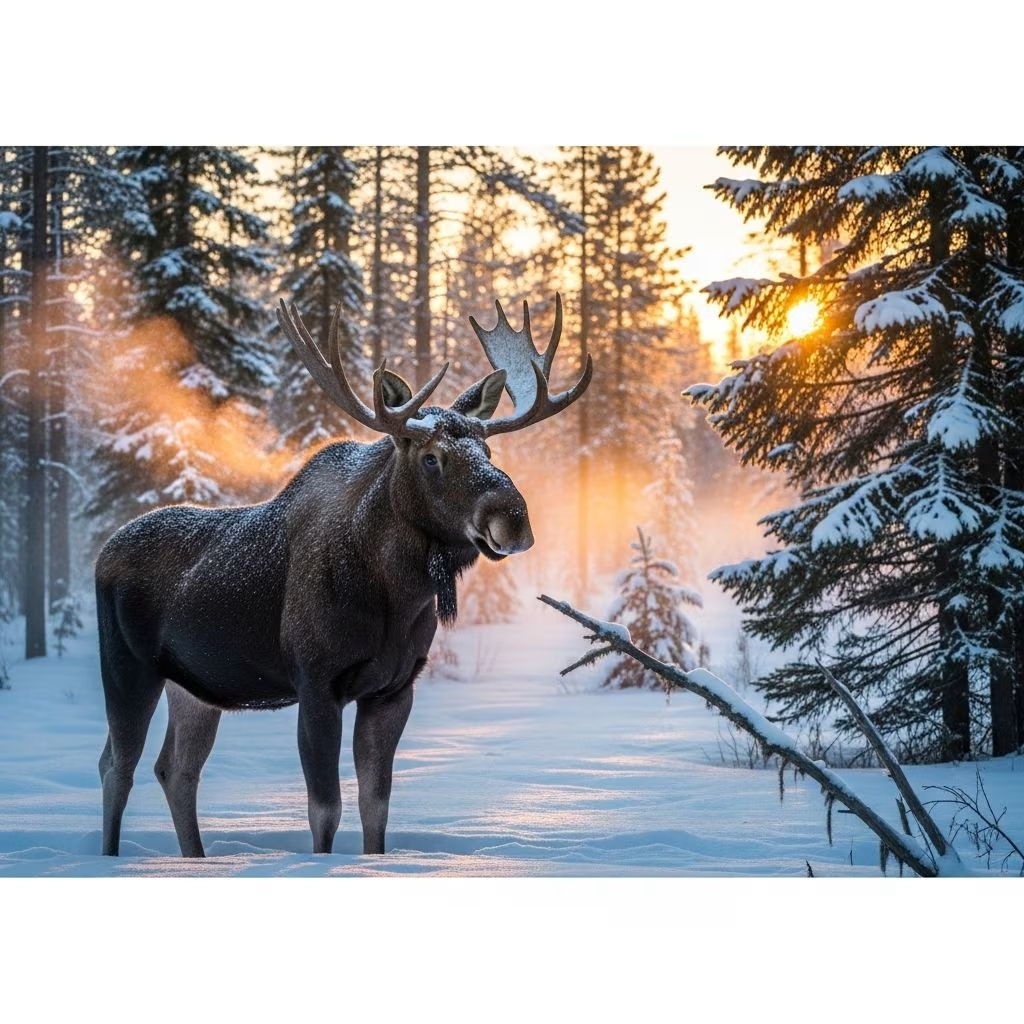
Among the most awe-inspiring inhabitants of northern forests stands the moose (Alces alces), the largest member of the deer family. These solitary giants, instantly recognized by their towering height, immense antlers, and shaggy coats, have captured people’s curiosity for generations. Beyond their imposing presence, moose are critical to their ecosystems, intricately woven into the fabric of northern landscapes.
What Is a Moose?
The moose, known as “elk” in parts of Eurasia, is the world’s largest and tallest species of deer. Adult moose can stand up to six feet (1.8 meters) at the shoulder and weigh over 1,000 pounds (450 kilograms). Their unique appearance—highlighted by a long, overhanging nose; a pendulous “bell” of skin and hair (dewlap) under the throat; and broad, palmate antlers—sets them apart from other deer species. Males, or bulls, grow these massive antlers annually, while females (cows) do not have antlers at all.
- Scientific Name: Alces alces
- Family: Cervidae (deer family)
- Bull, Cow, Calf: Terms for male, female, and young moose respectively
- Longevity: 10–20 years in the wild, although many succumb to threats before reaching old age
- Distinctive Features: Large size, palmate antlers (in males), long legs, and a dewlap or “bell” under the throat
The Name and Its Origins
The word “moose” is derived from Algonquin languages and means “eater of twigs”—a fitting tribute to this giant browser’s diet. In Eurasia, moose are often called “elk,” but this term can cause confusion, as “elk” in North America refers to a distinct, smaller species (Cervus canadensis).
Where Do Moose Live?
Moose are found across the northern hemisphere in regions with boreal forests, temperate broadleaf, and mixed forests. Thanks to their dense coats and large bodies suited for cold temperatures, moose thrive in places with long, harsh winters and plentiful wetlands.
- In North America, moose are widespread in Canada and Alaska, with significant populations in northern U.S. states such as Maine, Minnesota, Washington, and as far west as Idaho and Montana.
- Outside North America, they range across Fennoscandia (Norway, Sweden, Finland), the Baltic states, Russia, and parts of Eastern Europe and Asia.
- Preferred Habitat: Forested areas with abundant wetlands, river valleys, ponds, and meadows—ideal locations for their browsing and aquatic feeding habits.
Adaptations to Cold Environments
Moose are superbly adapted to cold conditions:
- Their coats consist of hollow hairs that trap insulating air, minimizing heat loss.
- They have long legs for moving through deep snow and thick undergrowth.
- Large bodies help conserve warmth, but moose are susceptible to heat stress in hot weather and often seek shade or water to cool off during summer months.
Moose Size and Physical Characteristics
| Feature | Details |
|---|---|
| Height at Shoulder | Up to 6 feet (1.8 meters) |
| Weight | 800 to 1,600 pounds (360 to 725 kg) for bulls; 600 to 800 pounds (270 to 360 kg) for cows |
| Antlers | Bulls: Broad, flat, up to 6 feet (1.8 meters) wide; up to 60 pounds (27 kg) in mass |
| Other features | Elongated nose, “bell” under throat, long legs, dark brown coloration |
Antlers: The Moose’s Crowning Glory
One of the most remarkable features of the male moose is its antlers. Each year, bulls grow a new pair in preparation for the autumn mating season. Unlike deer with many pointed tines, moose antlers are broad and flat—described as “palmate,” like the open hand. They can span up to six feet and weigh over 60 pounds, making them one of the largest antlers in the animal kingdom. Antler size signals health and dominance to potential mates and rivals alike. After the mating season, the antlers are shed and regrown the following spring.
Moose Behavior and Social Structure
Moose are mostly solitary creatures except during mating season or when a cow is raising her calf. Highly territorial, moose roam alone in search of food and mates, rarely forming herds like other deer species. Bulls may become aggressive during the rut, using their antlers to spar with rivals.
- Solitary Lifestyle: Most of the year, moose are seen alone.
- Mother and Calf Bond: Calves stay with their mothers for about a year before setting out alone.
- Vocalizations: During the mating season, moose are more vocal—bulls bellow to attract cows and challenge other males.
Diet: The Moose as a Browser
The moose’s feeding style is best described as browsing. Their diet includes:
- Leaves, bark, and twigs from willow, aspen, and birch trees
- Aquatic plants, such as water lilies and pondweed, which they access by wading or swimming into ponds and lakes
- Buds and young shoots during spring and summer
Their high shoulders and long legs allow easy access to tree branches that other deer can’t reach, but make grazing on short grasses difficult. In winter, moose rely heavily on woody browse, often stripping tree bark and twigs.
Unique Adaptations: Swimming and Feeding
Despite their massive size, moose are excellent swimmers. They can:
- Swim up to six miles per hour for several miles
- Dive up to 20 feet (6 meters) underwater to access aquatic plants
- Hold their breath underwater for over 30 seconds
This aquatic ability helps moose escape predators, find food during hot weather, and even cross large lakes or rivers between feeding grounds.
Life Cycle: From Birth to Maturity
Mating Season (the Rut): September to October is moose mating season. Bulls compete for cows using their antlers. Cows select mates based largely on antler size and apparent health.
- Gestation: About 8 months
- Calving: Cows usually give birth in late spring (May–June), most often to a single calf, though twins are common if food is plentiful.
- Calf Development: Calves can usually stand and move within a day. They remain with their mothers through their first year before becoming independent.
- Lifespan: Moose can live up to 20 years in the wild, though 10–12 years is more typical due to predation, accidents, and disease.
Predators, Threats, and Conservation
Adult moose have few natural predators due to their size, but calves are vulnerable to bears and wolves. Occasionally, packs of wolves or large bears may attack adults. Humans are also a primary predator, both through hunting and vehicle collisions.
Other Major Threats:
- Parasites: Moose are susceptible to brainworm, which they acquire via land snails (themselves infected by white-tailed deer).
- Winter Ticks: Heavy infestations can weaken moose, causing hair loss, weight loss, and sometimes death.
- Habitat Loss: Logging, development, and road construction fragment moose habitats.
- Climate Change: Warming temperatures can lead to higher tick populations and force moose into suboptimal habitats.
- Vehicle Collisions: Moose frequently cross roads, leading to potentially fatal accidents for both people and animals.
In some regions, notably Minnesota, moose populations have declined sharply in recent years due to the combined pressures of climate change, disease, and parasites. Conservation efforts focus on habitat protection, managing predator-prey relationships, and monitoring of tick and parasite populations.
Role in Their Ecosystem
Moose are vital to the ecosystems they inhabit:
- Browse Control: By feeding on shrubs, young trees, and aquatic plants, moose help shape plant communities and maintain balance in forest regeneration.
- Food Source: Calves and sometimes adults are important prey for large predators like wolves and bears.
- Landscape Engineers: Moose, in conjunction with beavers and voles, influence the development of habitats like beaver meadows. When beavers flood woodlands, aspen regrowth is suppressed by moose browsing—aiding the transition of forests to meadows. Voles regulate recolonization of mycorrhizal fungi, further impacting forest regeneration dynamics.
Human-Moose Interactions
Moose have long been important to Indigenous peoples as a valuable source of food, clothing, and tools. Today, they are prized by wildlife enthusiasts and hunters, and sightings are popular highlights on nature tours and trips. However, increased urbanization means moose sometimes wander into cities or towns, leading to encounters that require thoughtful management for both human and animal safety.
- Safety Tip: Moose are wild and unpredictable—especially females with calves or bulls during rutting season. Always observe from a safe distance and respect their space.
- Driving Precaution: Moose can be difficult to see on roads, especially at night, due to their height. Slow down in known moose areas and remain vigilant, particularly during spring and fall when animals migrate more frequently.
Fascinating Moose Facts
- Moose are the largest members of the deer family worldwide.
- They can run over 35 miles per hour (56 km/h) for short bursts despite their weight.
- The moose’s nose is adapted for feeding on aquatic vegetation underwater.
- The “bell” or dewlap under the throat is more prominent in bulls, but its function is still debated.
- Moose antlers grow up to an inch (2.5 cm) per day during spring and summer, making them some of the fastest-growing organs in the animal world.
- Their vision is poor, but they have an excellent sense of smell and hearing.
Frequently Asked Questions (FAQs)
Q: How are moose and elk different?
A: In North America, “moose” refers to Alces alces, while “elk” designates Cervus canadensis (wapiti). In Europe and Asia, the term “elk” often means the animal called moose in North America, which can lead to confusion.
Q: Are moose dangerous to humans?
A: While not typically aggressive, moose can be extremely dangerous if provoked or during mating season (rut) and when cows are protecting calves. They are responsible for more injuries in some northern regions than bears.
Q: What causes the loss of moose populations in some areas?
A: Moose populations decline due to a mix of factors: climate change (leading to more parasites), habitat loss, vehicle collisions, and overhunting in some regions.
Q: How do moose survive harsh winters?
A: Moose rely on their thick, insulating coats, a slowed metabolism, abundant fat reserves, and the ability to browse twigs above snowbanks. They also use their long legs to move easily through deep snow.
Q: What is the moose’s role in maintaining healthy northern ecosystems?
A: By feeding on shrubs and young trees, moose limit overgrowth and promote plant diversity. As prey, they sustain healthy populations of predators. Their interaction with beavers and voles helps shape landscape succession, maintaining the dynamic balance of forests and meadows.
Key Takeaways: Protecting the Giants
- Moose are keystone species—their actions have far-reaching effects on entire ecosystems.
- Understanding and respecting moose is essential for safe coexistence and effective conservation.
- The future of moose depends on preserving cold, healthy forests and managing the multiple threats they face in a changing world.
References
- https://www.nps.gov/articles/species-spotlight-moose.htm
- https://en.wikipedia.org/wiki/Moose
- https://www.visitbigsky.com/articles/post/interesting-facts-about-moose/
- https://www.nwf.org/Educational-Resources/Wildlife-Guide/Mammals/Moose
- https://www.nslswcd.org/wp-content/uploads/2021/08/Moose-Factsheet.pdf
- https://www.adfg.alaska.gov/index.cfm%3Fadfg=livewith.aggressivemoose
- https://cpw.state.co.us/living-moose