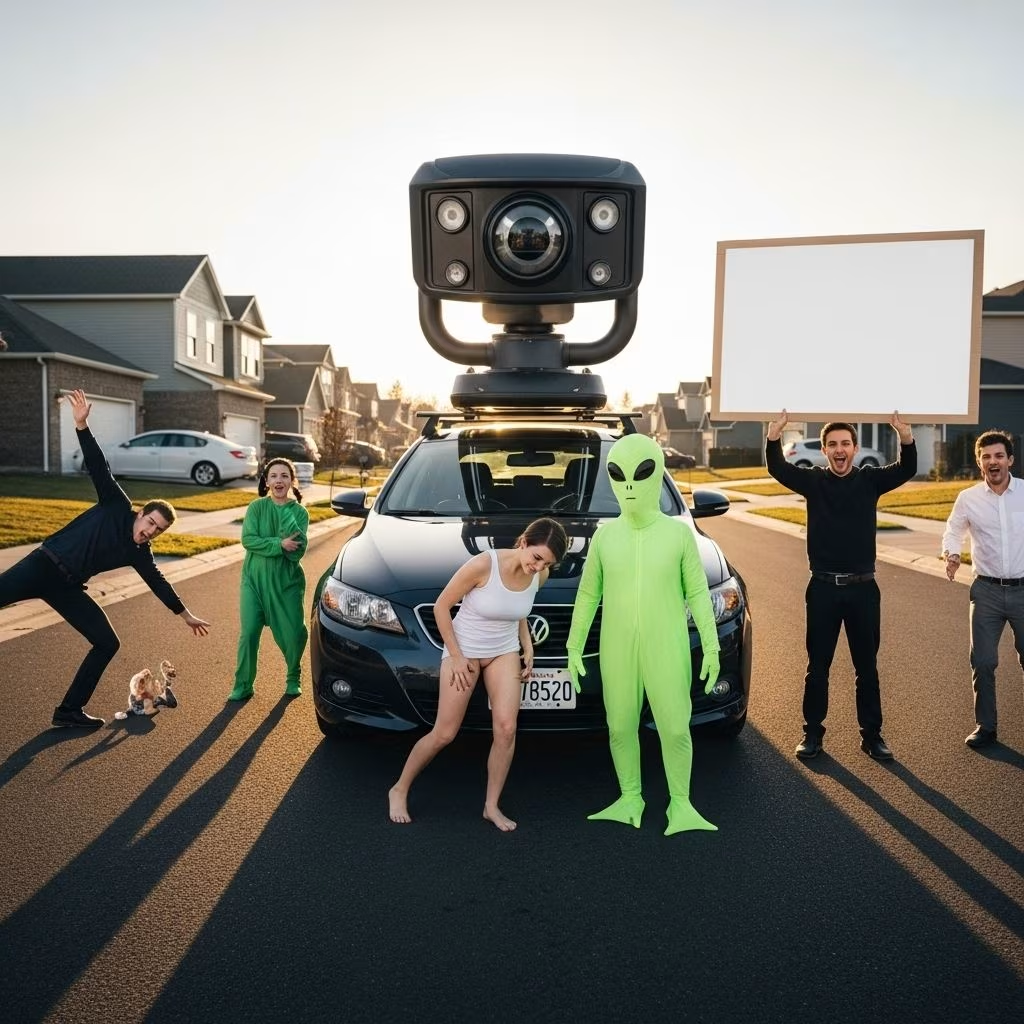
Google Street View has become an integral feature of online navigation, virtual tourism, and city exploration. But with its roving camera cars systematically recording public spaces, the platform has occasionally captured more than just street corners and traffic signs—it has preserved countless unintentional, embarrassing, and sometimes problematic moments for the world to see. Understanding what not to do in the presence of a Street View car is crucial for preserving your privacy, safety, and digital reputation.
Why Google Street View Presents Unique Privacy Concerns
Google Street View collects billions of photographs by driving special vehicles equipped with panoramic cameras throughout cities and towns around the globe. In doing so, it captures not only infrastructure but also everyday life, sometimes with unintended consequences for the people, animals, and activities happening in the frame. While Google employs face and license plate blurring technologies, these measures do not always ensure full privacy protection, and many incidents have slipped through the cracks.
- Images Are Permanently Archived: Once imagery is uploaded, it can remain for years, visible to anyone with an internet connection.
- Context Is Lost: Without context, innocent actions can appear suspicious or awkward.
- Legal Ramifications: Photographs can accidentally document questionable or illicit activities, attracting unwanted attention from authorities or employers.
Things You Should Probably Never Do in Presence of Google Street View
While most people are unlikely to encounter the distinctive car on a daily basis, it’s worth knowing what activities to avoid—or at least postpone—if you spot the raised camera rig rolling down your block. Here’s what not to do in full view of the world’s lens.
1. Engaging in Embarrassing or Intimate Behaviors
Whether you’re sunbathing in your front yard, picking your nose at the bus stop, or sharing a private moment with a loved one on your porch, remember that Street View cars can capture candid—and potentially mortifying—episodes for posterity.
- Examples captured in the past include:
- People napping, changing clothes, or participating in romantic moments in public spaces.
- Embarrassing fashion mishaps, falls, or wardrobe malfunctions.
- Unexpected acts of affection or confrontation.
- Potential outcomes:
- Images being shared on social media and viral websites.
- Involuntary internet fame or ridicule.
- Potential for images to resurface years later in a professional or personal context.
2. Committing Acts That Could Be Perceived as Illegal or Suspicious
Acts such as littering, vandalism, public intoxication, or loitering could potentially be captured forever. Even if your intent is harmless, being in the wrong place at the wrong time can paint you in a negative light.
- Possible issues include:
- Police or community scrutiny if incriminating images surface.
- Online communities drawing negative or inaccurate conclusions.
- Employers or family members discovering the imagery.
3. Displaying Private Information
Anything visible from a public street can find its way onto Street View. This includes identifying details such as documents, notes on doors, open packages, and house numbers.
- Digitally sensitive information can include:
- Tax forms or legal notices visible in windows.
- Children’s school projects with names and addresses.
- Packages with shipping labels left outside.
- Technology like facial and license plate blurring helps, but isn’t infallible.
4. Leaving Gates, Garages, or Front Doors Open
Open doors and gates reveal more than you might realize. Not only do they expose a snapshot of your life to the world, but they also offer cues about your security habits and routines that could attract unwanted attention.
- Visible items:
- Bicycles, lawn equipment, or other valuables stored in plain view.
- Clutter that could be mistaken for disrepair or neglect.
- Interior layouts, pets, or children playing nearby.
- Implications for privacy and security:
- Criminals can scope out potential targets or patterns.
- Insurance claims can be complicated by revealing details online.
5. Pretending to Be Someone Else or Acting Out for the Camera
While some may attempt to photobomb or dress up for the camera as a joke, these stunts have a tendency to backfire. Not only can they result in unwanted or lasting embarrassment, but they might also be misinterpreted as more serious behavior by unsuspecting viewers.
- Known past stunts:
- People donning costumes or absurd outfits in anticipation of the Street View car.
- Groups staging mock crimes or accidents.
- Consequences:
- Accidental attention from law enforcement or journalists.
- Discomfort years later when images circulate out of context.
6. Pursuing or Approaching the Google Car
Curiosity may tempt you to follow or interact with the Street View vehicle. However, getting too close can lead to accidents and misunderstandings, and aggressive behavior could result in unwanted notoriety.
- Potential incidents:
- Pedestrians or cyclists rushing into the frame.
- Children running into the street to wave at the camera.
- Safety risks and public perception:
- Inadvertent traffic dangers.
- Images of children or vulnerable individuals online.
7. Neglecting to Report Sensitive or Inappropriate Imagery
If you or someone you know has been captured by Street View in a compromising way, don’t ignore it. Google offers tools for requesting additional blurring or removal of sensitive content when legitimate privacy concerns arise.
- How to take action:
- Use the built-in reporting tool on Street View to flag inappropriate imagery for review.
- Encourage neighbors, schools, or local businesses to monitor and report issues proactively.
- Why it matters:
- Minimizing exposure for children, crime victims, and other vulnerable groups.
- Correcting inaccuracies that may harm individuals or communities.
The Global Impact and Legal Controversies of Being Watched
Google Street View has faced privacy challenges around the world. In some countries, citizens, advocacy groups, and governments have opposed the unrestricted capture and distribution of public imagery, citing potential threats to personal safety, security, and local customs.
| Region | Key Privacy Concerns | Legal Status |
|---|---|---|
| United States | Security-sensitive areas, military bases, private roads, lawsuits over private property | Generally permitted with exceptions (e.g., military zones, private communities) |
| Europe (e.g., Germany, Switzerland) | Filming without consent, faces/plates not blurred adequately, legal challenges | Laws vary by country; some outright bans in public display |
| Australia | No explicit ban, but operations temporarily suspended over privacy | Resumed with oversight |
| Philippines | University campuses, domestic imagery concerns | Seeks consent, ongoing dialogue |
Evolution of Privacy Controls
As a result of these controversies, Google has implemented several privacy measures over the years, including automated blurring, a user-reporting process, and alterations to how imagery is collected in sensitive regions. However, criticism continues as new images, technologies, and uses raise fresh privacy dilemmas.
How to Protect Yourself from Google Street View Mishaps
- Be Aware of Your Surroundings: If you spot the Street View car, consider stepping out of sight or avoiding conspicuous behavior.
- Secure Private Property: Keep gates, doors, and garages closed, and remove or obscure sensitive information from public view wherever possible.
- Educate Family and Neighbors: Let others in your household or building know about Street View and encourage vigilance.
- Monitor Online Maps: Periodically check your home or workplace on Street View to look for changes or exposures.
- Use Google’s Tools: Take advantage of blurring and reporting features if you notice something inappropriate or compromising online.
Social Etiquette and Digital Footprint Considerations
Being aware of Street View’s presence is not just about personal safety—it’s also about social responsibility. Imagine the impact of posting images that unintentionally embarrass or endanger others, and act accordingly. When acting in public, keep in mind that your behavior may be immortalized without your knowledge.
Dos and Don’ts for Avoiding Street View Trouble
- Do move out of camera view if possible.
- Do help vulnerable individuals (e.g. children or elderly) seek cover if they may be exposed.
- Don’t draw attention to yourself or interact with the camera car unnecessarily.
- Don’t display anger, aggression, or inappropriate gestures; these moments can be misinterpreted online.
Frequently Asked Questions (FAQs)
Can I have myself or my property removed from Google Street View?
Yes, Google allows users to request blurring of faces, vehicles, homes, or other objects that raise valid privacy or safety concerns. Use the “Report a problem” tool on the image in question to initiate a request.
What should I do if Street View captures something sensitive near my home?
Act quickly by using Google’s reporting tools to flag the image. In cases involving children, crimes, or violence, explain your reason clearly to expedite review and removal.
What are the risks of being seen on Street View?
Potential risks include embarrassment, negative social or professional consequences, and, in rare cases, legal ramifications if the photo is misinterpreted or used out of context.
Is Street View legal everywhere?
No. Some regions and communities ban or restrict Street View due to privacy laws, cultural norms, or security concerns. Always check local regulations if you have concerns about coverage in your area.
How often does Google update Street View images?
Updates vary widely by location—some cities get yearly changes, while remote areas may be updated much less frequently. Historic images can remain online for many years.
Key Takeaways
- Privacy is not guaranteed in a world of ever-present cameras and instant publishing.
- Behavior in public spaces can have lasting digital consequences, especially when documented by platforms like Street View.
- Stay informed and proactive to safeguard your reputation, security, and peace of mind online.
With the right awareness and tools, you can remain in control of your digital footprint, even when the world’s most famous camera car drives by.