


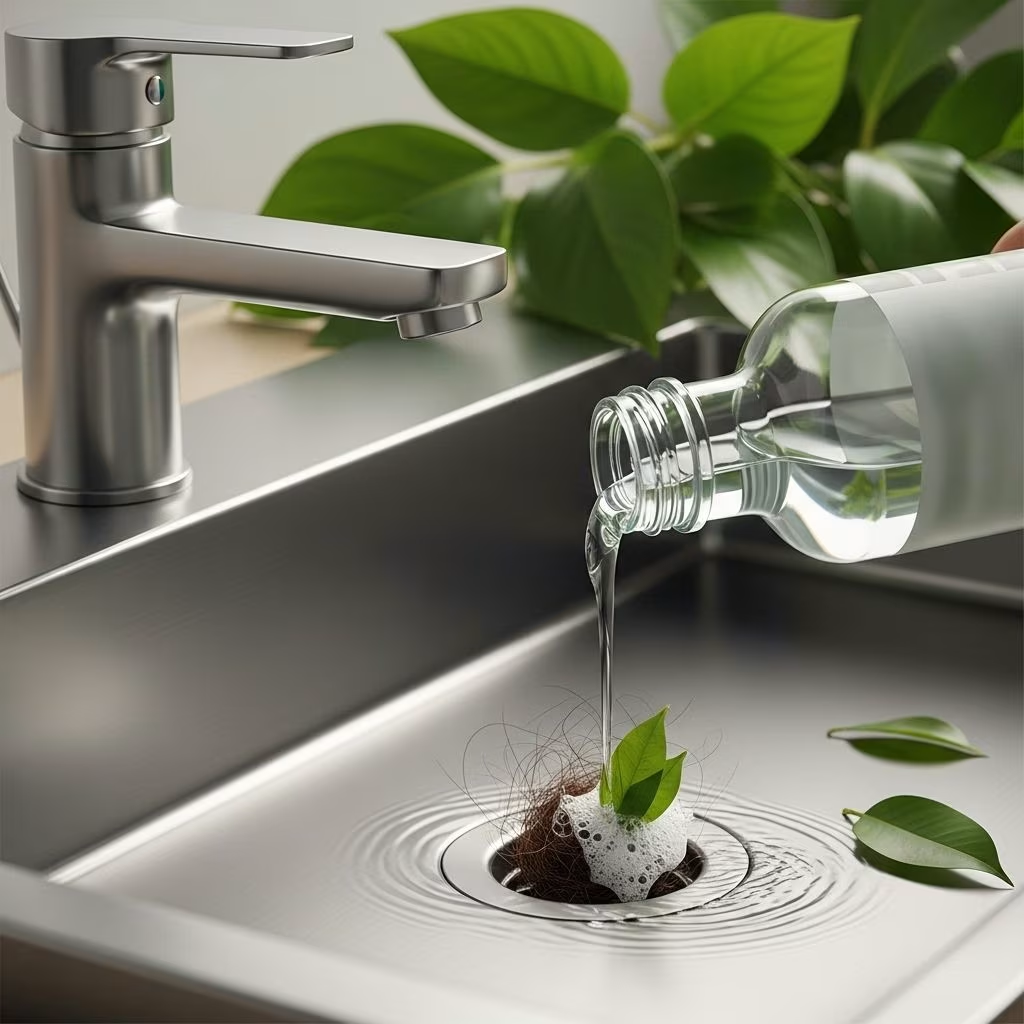
Eco-Friendly Drain Cleaners: Safe Ways to Unclog and Maintain Your Drains
Clogged drains are a common frustration for homeowners, and the urge to reach for a quick-acting chemical cleaner is understandable. However, traditional drain cleaners often contain harsh chemicals that pose risks to your plumbing, your health, and the environment. Eco-friendly drain cleaners offer a safer, effective alternative that keeps your pipes clear while respecting your health and the planet. This guide explores what makes a drain cleaner eco-friendly, reviews popular natural brands, discusses expert tips, and provides DIY recipes for a truly sustainable cleaning routine.
What Is an Eco-Friendly Drain Cleaner?
An eco-friendly drain cleaner uses non-toxic, biodegradable ingredients to remove clogs without harming people, pets, or ecosystems. Unlike conventional chemical cleaners, which often rely on caustic or acidic compounds, green alternatives utilize enzymes, bacteria, and other natural substances to break down blockages caused by organic material such as hair, soap, and grease.
- Plant- and mineral-based ingredients and enzymes target organic buildup.
- Biodegradability ensures run-off won’t persist in the environment.
- Non-corrosive formulas protect all types of plumbing, including septic systems.
- No harsh fumes or skin irritants, making them safer for use around children and pets.
Why Choose Eco-Friendly Drain Cleaners?
Traditional drain openers, such as caustic or acidic products, can harm pipes, trigger respiratory issues, and contaminate water systems. In contrast, eco-friendly alternatives offer numerous advantages for your home and surroundings.
- Pipe Safety: Green cleaners are typically non-corrosive, so they won’t degrade metal or PVC pipes over time.
- Health: Absence of toxic vapors reduces the risk of eye, skin, and lung irritation.
- Environmental Protection: Biodegradable ingredients decompose naturally and don’t harm aquatic ecosystems or groundwater.
- Septic System Compatibility: Many formulas are septic-safe, supporting healthy bacterial balance in tanks.
- Preventative Use: Natural drain cleaners can be used regularly as a preventive measure, not just for emergency clogs.
How Do Eco-Friendly Drain Cleaners Work?
Green drain cleaners operate through a variety of mechanisms, depending on their main ingredients. Most fall into one of the following categories:
| Type | Active ingredient | How it works |
|---|---|---|
| Enzymatic | Natural enzymes & bacteria | Break down organic clogs (hair, food, grease) into harmless byproducts, often water and gas. |
| Mineral-based | Sodium bicarbonate (baking soda), salt, citric acid, vinegar | The reaction helps loosen and dissolve minor blockages without harsh chemicals. |
| Surfactant-based | Plant-derived surfactants, essential oils | Dislodge or emulsify greasy buildup, sometimes in combination with enzymes or minerals. |
Unlike caustic or acid-based cleaners that aggressively attack both clogs and plumbing, these natural solutions are much gentler on pipes and septic systems. However, eco-friendly formulas may take longer to clear tough clogs, requiring patience or regular preventative use for best results.
Shop Smart: Top Eco-Friendly Drain Cleaner Brands
There are several reputable brands that offer eco-friendly drain cleaning products. Here are a few widely recommended by green cleaning experts and eco-conscious consumers:
- Earthworm Family Safe Drain Cleaner
- Enzyme-based, non-toxic, biodegradable, & safe for all pipes and septic systems.
- Actively prevents buildup with regular use, and is fragrance-free.
- Green Gobbler
- Enzyme-rich formula breaks down hair, grease, soap, and organic matter—gentle on pipes.
- Pre-measured packets make application simple and mess-free.
- Backed by a money-back guarantee.
- Biokleen Bac-Out Drain Care Gel
- Uses non-pathogenic live enzymes and extracts of citrus to clean and deodorize.
- Especially effective for slow drains and regular maintenance.
- ECOS Earth Enzymes Drain Maintainer
- Concentrated enzymatic powder for monthly use—clears slow pipes and dissolves clogs over time.
- Septic-safe and not tested on animals.
- Citra-Drain Natural Enzyme Formula
- Combines the grease-busting power of citrus with live enzymes; low odor and plant-derived.
- Especially good for kitchen sinks and drains where food scraps accumulate.
Most enzyme and bacterial cleaners work best when used regularly, before a drain clog becomes severe. For heavy, stubborn blockages, a natural product may require several applications—or mechanical intervention, such as snaking.
Key Features to Look for When Shopping
- Ingredient Transparency: Check for clear labeling and an absence of toxic chemicals such as lye, chlorine, or synthetic fragrances.
- Certifications: Look for labels such as EPA Safer Choice or Green Seal.
- Pipe and Septic Safety: Ensure compatibility with your plumbing and local wastewater treatment system.
- Packaging: Prefer recyclable or compostable materials when possible.
DIY Eco-Friendly Drain Cleaning Solutions
You don’t always need a store-bought product—a homemade drain cleaner using simple pantry staples can clear many slow or partially clogged drains. Here are four popular recipes for effective, non-toxic drain cleaning:
- Baking Soda and Vinegar
- Pour 1/2 cup baking soda down the drain, followed by 1 cup white vinegar. Let fizz for 10–15 minutes, then flush with boiling water.
- Ideal for deodorizing and breaking down minor organic clogs.
- Salt and Hot Water
- Dump 1/2 cup salt into the drain, wait a few minutes, then pour in 4–6 cups of boiling water.
- Helps loosen greasy deposits and clear simple blockages.
- Baking Soda and Lemon Juice
- Use 1/2 cup baking soda and 1/2 cup lemon juice. Allow to bubble for 10–15 minutes before rinsing with hot water.
- Provides deodorization in addition to cleaning power.
- Salt, Borax, and Vinegar (or Sodium Sesquicarbonate Alternative)
- Mix 1/4 cup salt with 1/4 cup borax or sodium sesquicarbonate in a bowl. Add 1/2 cup vinegar and allow the reaction to subside before pouring down the drain, followed by boiling water.
- Borax is banned in some countries due to toxicity concerns, but sodium sesquicarbonate is a milder alternative.
These DIY methods are best for preventative maintenance or mild slowdowns, rather than full blockages. For persistent or total clogs, try a biological drain cleaner or manual methods.
Natural Drain Cleaning Tools and Preventative Habits
Mechanical and maintenance strategies can further reduce your need for any type of chemical cleaner—green or otherwise:
- Drain Snakes and Augers: Simple devices to pull or push out tough hair and debris clogs from within pipes.
- Plungers: Suction-based removal of minor blockages in sinks, tubs, and toilets.
- Drain Traps and Screens: Cheap mesh or silicone fittings catch hair and larger debris before they can enter your pipes.
- Regular Hot Water Flushes: Pouring boiling water down your drains each week helps clear soap and grease accumulation.
- Proper Grease Disposal: Never pour fats or oils down the drain. Collect in a container and dispose of them in the trash.
Pros and Cons of Eco-Friendly Drain Cleaners
| Pros | Cons |
|---|---|
|
|
Are Eco-Friendly Drain Cleaners as Effective as Traditional Ones?
Enzyme- and bacteria-based cleaners excel at breaking down organic blockages and maintaining free-flowing pipes over time, making them ideal for regular prevention and household maintenance. However, most green options take longer to work and may struggle with total blockages (such as dense clots of hair or foreign objects) compared to caustic chemical formulas. Severe or fully stopped drains often require repeated applications, manual clearing, or professional intervention.
Pipe and Septic Safety
Most eco-friendly cleaners are safe for all types of plumbing—including copper, galvanized steel, PVC, and older pipes—because they lack corrosive acids or alkalis. They’re usually safe for septic systems as well, since many biological cleaners support beneficial bacteria critical for breaking down waste. Always check product labels, especially for older homes or specialty plumbing setups, to avoid any risk.
Environmental Benefits
- No toxic run-off into rivers, lakes, and oceans, helping protect aquatic life.
- Biodegradable formulas break down naturally without long-term environmental persistence.
- No contribution to air pollution as there are no harsh vapors.
- The use of recyclable packaging further reduces waste footprint.
Frequently Asked Questions (FAQs)
Q: Can I use eco-friendly drain cleaners for totally clogged drains?
A: Eco-friendly cleaners work best on slow drains and for maintenance. For fully blocked pipes, manual methods (like snaking) or a professional plumber may be necessary.
Q: How often should I use an eco-friendly drain cleaner?
A: Most manufacturers recommend monthly doses for maintenance and odor control. Always follow product label instructions for best results.
Q: Are natural drain cleaners safe for all plumbing materials?
A: Generally, yes. They’re non-corrosive and safe for copper, steel, PVC, and cast-iron pipes. Confirm on the label for older or specialty systems.
Q: Will eco-friendly cleaners clear hair clogs?
A: Enzyme-based products can break down hair over time. For severe hair clogs, starting with a drain snake is more effective, then follow with a green cleaner to prevent buildup.
Q: What household items work as DIY drain cleaners?
A: Baking soda and vinegar, hot water, salt, lemon juice, and sodium sesquicarbonate are all effective at clearing minor clogs and keeping drains fresh. These are best for ongoing maintenance.
Summary: Green Cleaning for Healthy Drains
Switching to eco-friendly drain cleaners and smart homemade solutions reduces toxin exposure, protects your pipes, and helps safeguard the environment. Combining preventative habits, occasional manual clearing, and trusted green brands keeps household drains running smoothly—naturally and sustainably.
References
- https://prudentreviews.com/green-gobbler-vs-drano/
- https://www.youtube.com/watch?v=WbvC7X7ZomM
- https://branchbasics.com/blogs/cleaning/natural-drain-cleaner
- https://www.cwservicepros.com/drain-cleaning/best-non-toxic-drain-cleaners/
- https://greengobbler.com
- https://davidsuzuki.org/living-green/how-to-unclog-a-drain/


