What Is Rhubarb?
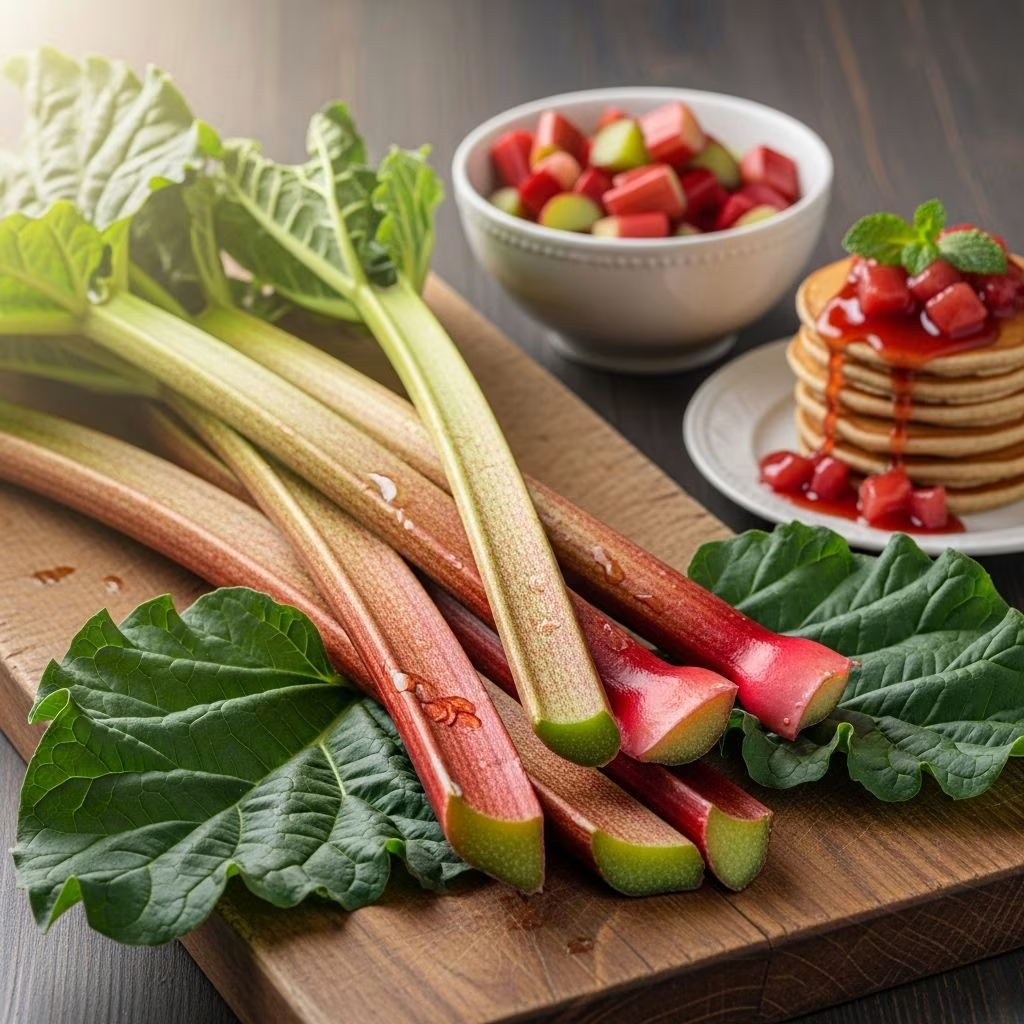
Rhubarb is a unique vegetable famous for its tart flavor, vibrant red and green stalks, and its starring role in classic desserts like rhubarb pie. Although many consider it a fruit because of how its often used in the kitchen, its botanically a vegetable. Native to Asia, especially China, rhubarb has a centuries-long history as both a culinary ingredient and a traditional remedy. Today, its cherished in spring and early summer recipes and packs a nutritional punch.
Rhubarb: Vegetable or Fruit?
In botanical terms, rhubarb is a vegetable (family Polygonaceae), closely related to buckwheat and sorrel. However, in the kitchen—and even legally in some places like the United States—its treated as a fruit because of its tart, fruity profile and common use in sweet dishes.
- The stalks are harvested and cooked like fruit, commonly in pies, compotes, jams, and sauces.
- Rhubarb leaves are inedible and toxic due to high oxalic acid content and should never be eaten.
- Many home gardeners grow rhubarb as an easy perennial that returns each season and thrives in cool climates.
What Does Rhubarb Taste Like?
Raw rhubarb is intensely tart, with a vibrant, slightly earthy flavor. Cooking rhubarb with sugar or pairing it with naturally sweet fruits like strawberries or apples balances its tang. The result is a complex, refreshing taste that adds depth to both desserts and more adventurous savory dishes.
Nutrition Facts: Whats in Rhubarb?
Rhubarb stands out as a low-calorie vegetable with surprising nutritional strengths. Heres a snapshot of the nutrients in about one cup (122 grams) of raw, chopped rhubarb:
| Nutrition | Amount per 1 cup |
|---|---|
| Calories | 26 kcal |
| Carbohydrates | 6 g |
| Fiber | 2 g |
| Sugar | 1 g |
| Vitamin K1 | ~35% Daily Value (DV) |
| Vitamin C | 6% DV |
| Calcium | 10% DV |
| Potassium | 8% DV |
Additional highlights:
- Rich in anthocyanins and proanthocyanidins, antioxidants linked to blood vessel protection and cellular health.
- Good source of fiber, helpful for digestion and heart health.
- No cholesterol or fat, and very low in sodium.
Health Benefits of Rhubarb
Though not a mainstream superfood, rhubarb offers several science-backed benefits:
- Antioxidant Power: The red color of rhubarb stalks comes from anthocyanins, antioxidants also found in berries and grapes, which help fight cell-damaging free radicals and may lower risk of chronic diseases.
- Heart Health Support: Some studies suggest the antioxidants in rhubarb may support blood vessel health, regulate blood pressure, and help control cholesterol levels thanks to fiber and phytochemicals.
- Digestive Health: Rhubarb is known for its mild laxative effect, traditionally used to help relieve constipation. Recent animal studies have shown that rhubarb extract influences gut microflora, reduces inflammation, and may promote healthy digestion by increasing beneficial bacteria and regulating cytokines.
- Bone Health: An excellent source of vitamin K1, which is important for blood clotting and maintaining strong bones.
- Cancer-Fighting Potential: Preliminary research has connected rhubarbs antioxidants to protective effects on cell growth and signaling, with potential anti-cancer benefits, especially regarding colorectal health.
Safety & Precautions: Is Rhubarb Ever Dangerous?
While rhubarb stalks are edible and nutritious, its leaves are highly toxic and must never be consumed. The leaves contain concentrated oxalic acid and compounds that can cause serious poisoning even in small amounts.
- Never eat rhubarb leaves. Symptoms of consuming leaves can include nausea, vomiting, diarrhea, difficulty breathing, kidney failure, and, in extreme cases, death.
- High Oxalate Content: The stalks also contain oxalates, though at much lower levels, which can be a concern for people prone to kidney stones. Cooking the stalks significantly reduces oxalate levels—boiling or steaming can cut oxalate content by up to 75%.
- Medication Interactions: Because rhubarb is high in vitamin K1, it may interact with blood-thinning medications like warfarin. Individuals on such medications should discuss dietary changes with their healthcare provider.
- Timing Matters: Avoid harvesting stalks late in the season (mid–late summer) because the oxalate content can rise. Spring rhubarb is safest and has the best quality.
How to Choose, Store & Prepare Rhubarb
Getting the most out of rhubarb starts at the grocery store or farmers’ market. Here are expert-backed tips:
- Look for: Crisp, brightly colored stalks—red, pink, and green are all fine, but avoid limp or wilted stalks. The thickness is not a sign of tenderness; both thick and thin stalks can be equally flavorful.
- Avoid: Any attached leaves, which should be discarded immediately after harvesting or purchase.
- Storage: Keep unwashed rhubarb stalks in a plastic bag in the refrigerator for up to a week. To freeze, wash, trim, cut into 1-inch slices, and blanch before freezing in airtight containers.
Preparation tips:
- Always cut off and discard all leaf parts and any tough ends.
- For most recipes, peeling rhubarb is unnecessary. Wash well and chop to the needed size.
- Cooked rhubarb is less tart and can be sweetened or paired with fruits for balanced flavor.
Creative Ways to Eat Rhubarb
Although most famous in desserts, rhubarb is versatile and lends itself to both sweet and savory recipes. Here’s how to get creative with this seasonal star:
- Classic Pies & Crisps: Combine rhubarb with strawberries for the iconic pie, or cook with apples, ginger, or orange zest for unique flavor twists in crumbles or crisps.
- Jams & Compotes: Simmer rhubarb with sugar and spices as an easy spread for toast, pancakes, or yogurt.
- Chutneys & Savory Sauces: Pair rhubarb with onions, vinegar, and spices to create a zesty chutney that complements grilled meats, roasted chicken, or cheese boards.
- Beverages & Syrups: Make a tangy rhubarb syrup to enliven seltzer water, cocktails, or lemonade.
- Salads & Salsas: Try thinly sliced raw rhubarb in salads for crunch or chopped into a spring salsa with strawberries, mint, and lime.
How to Cook Rhubarb: Quick Guide
- Bake: Toss chopped rhubarb with sugar and bake until soft for crisps or pies.
- Sauté or Poach: Cook rhubarb on the stovetop with a bit of water and sweetener for use in compotes and sauces.
- Roast: Roasting concentrates rhubarbs flavor—try roasting stalks with a little honey for topping yogurt or ice cream.
Frequently Asked Questions (FAQs) About Rhubarb
Q: Is rhubarb safe for everyone?
A: The stalks are safe when cooked and prepared properly, but those with a history of kidney stones should limit intake due to oxalate content. People on blood thinners should discuss with their doctor before increasing rhubarb in their diet.
Q: Why can’t you eat rhubarb leaves?
A: Rhubarb leaves contain very high levels of oxalic acid and other compounds that are hazardous and can be fatal, even in small amounts. They should always be discarded.
Q: What are the main health benefits of rhubarb?
A: Rhubarb is rich in antioxidants, fiber, calcium, and vitamin K1, and supports heart and digestive health. Its antioxidants and plant compounds offer cellular protection and may have cancer-preventive properties.
Q: Can you eat rhubarb raw?
A: Yes, you can eat rhubarb stalks raw, but their tartness is intense. Cooking softens and sweetens the flavor, which is why most recipes call for at least brief cooking.
Q: How can you safely reduce the oxalate content?
A: Cooking rhubarb by boiling or steaming can reduce oxalate levels by up to 75%. Additionally, pairing rhubarb with calcium-rich foods may help lower oxalate absorption in the body.
Q: What should I do if I accidentally eat rhubarb leaves?
A: Seek immediate medical attention. Consuming rhubarb leaves can cause severe poisoning symptoms and can be life-threatening.
Conclusion
Rhubarb is a flavorful, low-calorie vegetable that adds nutrition and culinary flair to your seasonal table. Just remember: enjoy the stalks, skip the leaves, and experiment in the kitchen for both sweet and savory surprises. With proper handling and mindful preparation, rhubarb is a healthy and delicious addition to diverse dishes.
References
- https://www.aicr.org/resources/blog/health-benefits-of-rhubarb/
- https://wayne.osu.edu/news/rhubarb-vegetable-acts-fruit
- https://pmc.ncbi.nlm.nih.gov/articles/PMC9760883/
- https://www.getlabtest.com/news/post/rhubarb-health-benefits-precautions
- https://www.prevention.com/food-nutrition/a39908996/what-is-rhubarb/
- https://teabreakgardener.co.uk/rhubarb/
- https://www.mountsinai.org/health-library/poison/rhubarb-leaves-poisoning