


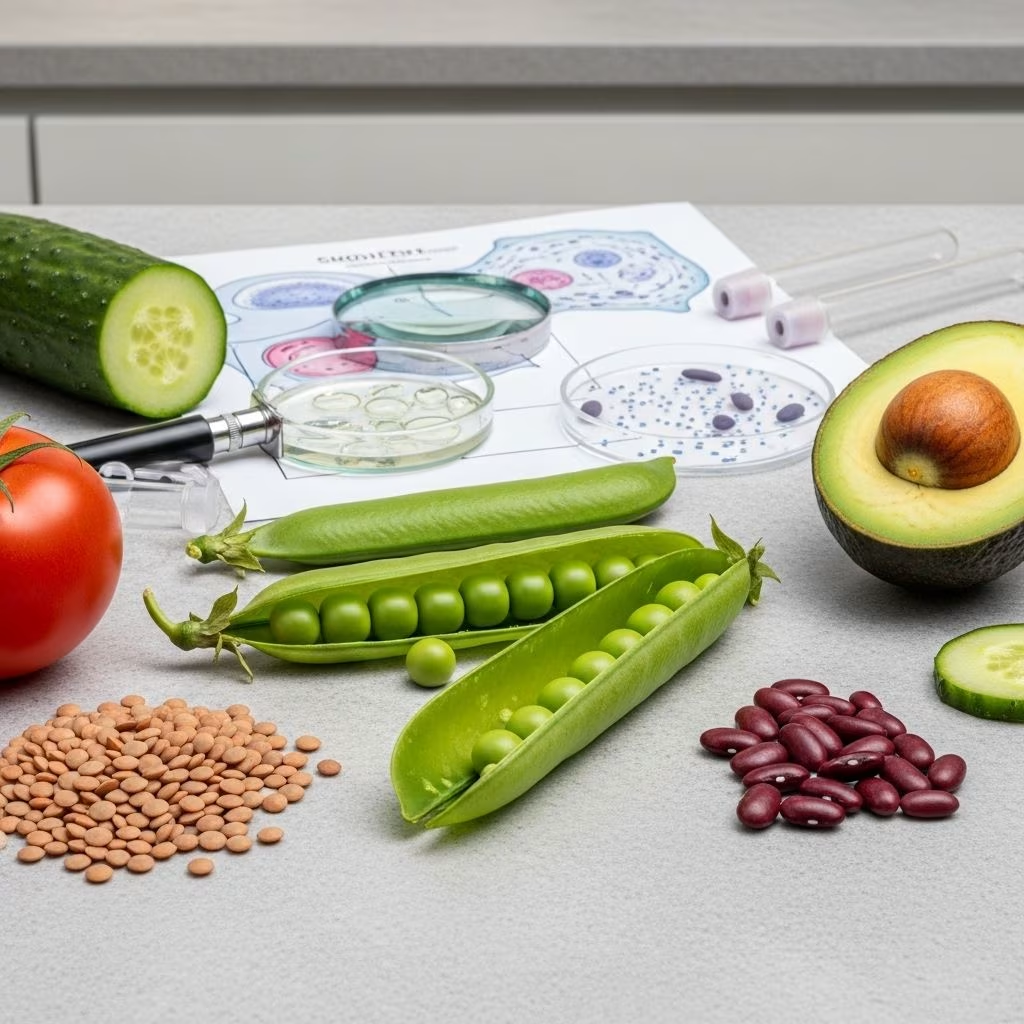
The lectin-free diet has emerged as a major trend in the world of nutrition and wellness, promising everything from reduced inflammation to rapid weight loss and even the prevention of chronic diseases. Its popularity has grown rapidly, fueled by best-selling books and celebrity endorsements. But what exactly is a lectin-free diet, what are lectins, and how much evidence is there behind these bold claims? This comprehensive guide explores the origins, principles, and scientific scrutiny surrounding the lectin-free diet.
What Are Lectins?
Lectins are a family of proteins naturally found in many plants, especially seeds, legumes, grains, and nightshade vegetables. Their primary function in plants is defensive: lectins help ward off pests and pathogens by binding to carbohydrates. When consumed, some lectins can resist digestion and interact directly with the gut lining, which is the basis for much of the controversy surrounding them.
- Lectins are particularly concentrated in beans, lentils, peas, peanuts, wheat, and nightshade vegetables like tomatoes, potatoes, and eggplants.
- Lectins are widely present in the food supply; in the US diet, roughly 30% of consumed foods contain lectins in some form.
- Cooking, soaking, fermenting, and pressure-cooking can greatly reduce the lectin content in foods, making them safer and more digestible.
Origins of the Lectin-Free Diet
The lectin-free diet was first proposed in the popular health arena by naturopath Peter J. D’Adamo, best known for the Blood Type Diet. However, the movement gained major traction due to Dr. Steven Gundry, a former cardiac surgeon. Gundry’s book, The Plant Paradox, posits that lectins are a root cause of many modern illnesses and that eliminating them can prevent and cure a wide range of chronic conditions.
- Gundry and other proponents claim that lectins are responsible for inflammation, weight gain, autoimmune diseases, and other serious health problems.
- Gundry’s diet recommends avoiding lectin-rich foods, especially beans, grains, nightshades, and certain dairy products, while promoting vegetables such as kale, spinach, broccoli, avocados, and healthy fats like olive oil.
Core Principles: What to Eat and Avoid on a Lectin-Free Diet
Followers of the lectin-free diet are advised to avoid foods with high lectin content, which include:
- All legumes (beans, chickpeas, lentils, peas, peanuts)
- Whole grains (wheat, quinoa, barley, oats, rice)
- Nightshade vegetables (tomatoes, potatoes, eggplants, peppers)
- Some dairy products, especially those not sourced from A2 cows or not fermented
- Certain fruits, nuts, seeds, and corn
Instead, the recommended foods focus on those naturally low in lectins or processed in ways that remove most lectins:
- Avocados
- Broccoli, cauliflower, Brussels sprouts, and other cruciferous vegetables
- Leafy greens: spinach, kale, Romaine, arugula
- Healthy fats: extra-virgin olive oil, coconut oil, avocado oil
- Wild-caught fish, pastured poultry, pasture-raised eggs
- Herbs: basil, parsley, cilantro, mint
Dr. Gundry suggests that if eliminating all lectin foods is difficult, certain preparation techniques can drastically reduce lectin content:
- Soaking beans and grains before cooking (preferably at least five hours, then drained and rinsed)
- Boiling in fresh water for at least 30 minutes (after soaking)
- Pressure cooking beans and some grains, which effectively destroys most lectins
- Peeling and deseeding vegetables like tomatoes and peppers
- Fermenting foods, which breaks down many lectins and increases digestibility
Health Claims and Popularity
Advocates of the lectin-free diet attribute numerous health benefits to cutting out lectins, including:
- Weight loss
- Reduced inflammation and joint pain
- Improvement in autoimmune diseases
- Better digestion and gut health
- Prevention or reversal of chronic diseases such as diabetes and heart disease
The diet’s premise is that by cutting out lectins—perceived as “anti-nutrients”—people can improve their overall well-being, lose weight naturally, and avoid disease. These ideas have gained wide attention in books, media, and online wellness circles.
Scientific Evidence: What Does Research Say?
Despite the excitement, major medical organizations and nutrition experts remain skeptical of the lectin-free approach. Here’s why:
- Lack of Human Evidence: Most studies showing negative effects of lectins have been conducted in animals or with isolated lectins in test tubes. There is almost no robust evidence that dietary lectins in cooked, whole foods negatively affect humans.
- Cooking Neutralizes Lectins: Cooking methods such as boiling and pressure-cooking deactivate nearly all lectins in foods like beans, making them safe to eat.
- Nutrient Loss: Foods high in lectins, such as beans and whole grains, are also rich sources of fiber, B-vitamins, antioxidants, iron, and protein. Eliminating them could lead to nutritional deficiencies, especially in restrictive diets or among certain populations.
- No Proof of Disease Prevention: Claims that removing lectins can cure diseases, promote weight loss, or heal the gut have not been validated in human clinical trials.
Expert bodies, including the Harvard T.H. Chan School of Public Health and Mayo Clinic, agree that lectins are not a health concern for the majority of people and that there is no sufficient evidence supporting the diet’s disease prevention claims. In fact, removing lectin-rich foods from the diet may do more harm than good.
Criticisms and Controversy
The lectin-free diet is often referred to as a fad diet. Multiple issues have raised concern among experts:
- It encourages eliminating entire categories of highly nutritious foods without substantial evidence.
- Many claims originate from publications or individuals who also sell supplements designed to “protect” from lectin exposure, creating a conflict of interest.
- The diet can make it difficult for followers to get enough fiber, essential vitamins, and minerals.
- Long-lived populations (the so-called “Blue Zones”) regularly consume lectin-rich foods such as beans and whole grains, yet have lower rates of heart disease and cancer.
Who Might Consider Reducing Lectins?
For the general population, avoiding lectins is not necessary and could be risky in terms of missing out on vital nutrients. However, certain people may be sensitive to lectins or have conditions such as:
- Diagnosed allergies or adverse reactions to specific lectin-containing foods
- Autoimmune conditions worsening with particular food triggers (under guidance of a registered dietitian or physician only)
- Digestive disorders, such as irritable bowel syndrome (IBS), where temporarily reducing specific lectins and FODMAPs is sometimes advised
Even in these instances, complete elimination is not generally recommended, and dietary adjustments should follow expert consultation.
How to Reduce Lectins in Foods (Safely)
- Soak dried beans/grains: Soak for at least 5–8 hours, then drain and rinse.
- Boil beans/grains in fresh water: Avoid using the soaking liquid.
- Use a pressure cooker: This is the most effective way to deactivate lectins in beans, including kidney beans, but avoid cooking kidney beans in a slow cooker (temperature may not be sufficient).
- Fermentation: Fermenting grains, soy, and vegetables greatly reduces lectin content and improves digestibility.
- Peel and deseed: For vegetables like tomatoes and peppers, removing skins and seeds limits exposure.
Sample Lectin-Free Food List
| Allowed | To Limit/Avoid |
|---|---|
| Avocado | Tomatoes (unless peeled & deseeded) |
| Cruciferous veggies (broccoli, cauliflower) | Beans, lentils, chickpeas, peas |
| Spinach, kale, leafy greens | Pumpkin, squash, zucchini |
| Pasture-raised eggs, wild fish | Eggplant, potatoes, peppers |
| Nuts (macadamia, pistachio, walnuts) | Grains (wheat, quinoa, oats, barley, corn, rice) |
| Olive, coconut, avocado oils | Peanuts, cashews |
| Herbs: mint, basil, cilantro, parsley | Certain dairy (A1 cow’s milk, non-fermented) |
Potential Risks and Downsides
- Nutritional deficiencies: Eliminating legumes, grains, and certain vegetables can result in low fiber, B vitamins, magnesium, and protein intake.
- Digestive issues: Lower fiber may worsen constipation or gut health over time.
- Expense and restrictiveness: The diet is often costly and challenging to maintain.
- Possible social isolation: Highly restrictive diets can make meals with family and friends more complicated.
- Unsubstantiated health claims: No evidence supports disease prevention or cure from a lectin-free diet.
Expert Opinions
Nutrition authorities such as the Mayo Clinic and Harvard T.H. Chan School of Public Health emphasize that:
- Lectins are not considered a health risk for most people, so there is no broad recommendation to avoid them.
- Completely removing lectin-rich foods may do more harm than good due to loss of essential nutrients.
- If cooking and food processing are performed correctly, lectin consumption is not a cause for concern.
- Instead of restrictive diets, following a Mediterranean diet or balanced plant-based diet is recommended for long-term health and disease prevention.
Practical Tips for a Balanced Approach
- Do not avoid lectin-rich foods unless medically necessary—use evidence-based strategies.
- If you have digestive discomfort with lectin-containing foods, experiment with preparation methods (e.g., pressure cooking, fermenting).
- Consult a registered dietitian or medical professional before making radical dietary changes.
- Remember: diversity in the diet supports a healthy microbiome and optimal nutrient intake.
Frequently Asked Questions (FAQs)
Q: Are lectins dangerous for most people?
A: When foods are prepared and cooked properly, lectins are not dangerous for the vast majority of people and are present in many nutritious foods.
Q: Can a lectin-free diet cure autoimmune diseases?
A: There is no scientific evidence supporting this claim. While some individuals may report symptom relief, this could be related to other dietary changes or the elimination of processed foods.
Q: Is it safe to eliminate beans and grains?
A: For most individuals, beans and whole grains are safe, healthy, and valuable parts of the diet. Excluding them can lead to deficiencies if not substituted appropriately.
Q: How can I safely reduce lectin intake if I’m concerned?
A: Proper food preparation methods such as soaking, boiling, and pressure-cooking are effective at reducing lectin levels in beans and grains.
Q: What are healthy alternatives to a lectin-free diet?
A: The Mediterranean diet and other well-balanced plant-forward diets have demonstrated health benefits and do not require lectin elimination.
Key Takeaways
- The lectin-free diet is based on the theory that lectins are harmful, but scientific evidence does not support this notion.
- Cooking and food preparation make most lectin-containing foods safe.
- Eliminating major food groups may increase the risk of nutrient deficiencies.
- There is no proof that a lectin-free diet can cure or prevent chronic diseases.
- For most people, a varied, plant-rich diet is optimal for health.
References
- https://www.prevention.com/weight-loss/diets/a19874756/lectin-free-diet/
- https://en.wikipedia.org/wiki/Lectin-free_diet
- https://newsnetwork.mayoclinic.org/discussion/mayo-clinic-q-and-a-is-a-lectin-free-diet-beneficial/
- https://hsph.harvard.edu/news/lectin-free-diet-more-risky-than-beneficial-experts-say/
- https://www.medicalnewstoday.com/articles/319593
- https://www.mdanderson.org/cancerwise/should-you-eat-a-lectin-free-diet.h00-159695178.html
- https://www.prevention.com/food-nutrition/healthy-eating/a66127239/is-peanut-butter-good-for-you/
- https://www.eatrightwv.org/meeting2024/Lectin-FreeDiet.pdf
- https://pmc.ncbi.nlm.nih.gov/articles/PMC6603809/


