


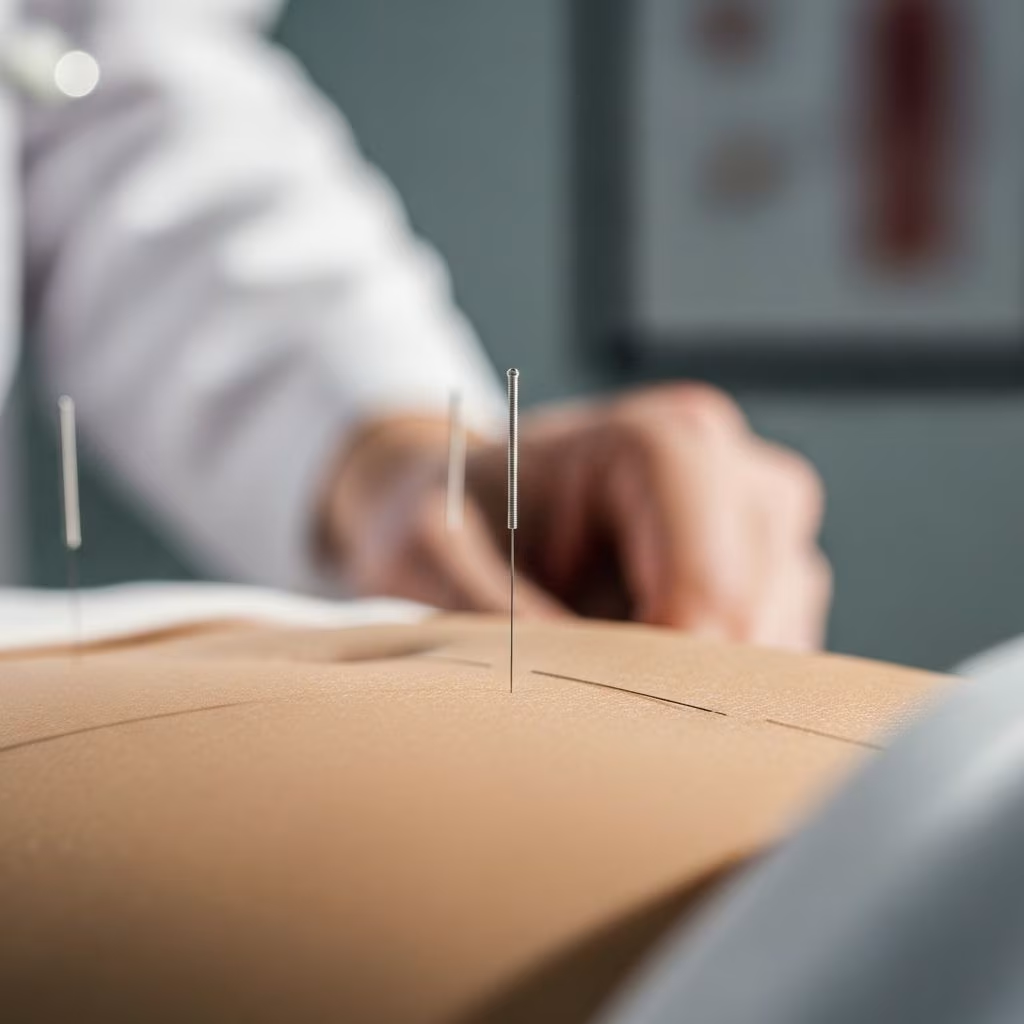
If you’ve wondered whether acupuncture can help you lose weight, you’re not alone. Acupuncture—an ancient practice rooted in Traditional Chinese Medicine (TCM)—has surged in popularity as a complementary or alternative tool for weight management. But does science support the claim that a few needles can fight stubborn pounds? This evidence-based guide covers what acupuncture is, how it might influence metabolism and appetite, what the latest studies show, expert perspectives, real-life experiences, risks, and what to ask before trying it yourself.
What is Acupuncture?
Acupuncture involves inserting very thin needles into specific points on the body to stimulate nerves, muscles, and connective tissue. It’s most commonly known as a pain management technique, but many clinics and wellness centers now promote it for various uses—including digestive issues, anxiety, and weight loss.
- Traditional Chinese Medicine views acupuncture as a tool to balance the body’s qi (vital energy).
- Western medicine suggests acupuncture may influence neurochemical pathways and modulate the nervous system.
How Could Acupuncture Affect Weight Loss?
The proposed mechanisms by which acupuncture could support weight loss include:
- Hormonal Regulation: Some studies suggest acupuncture may impact hormones related to appetite and metabolism, such as leptin, insulin, and ghrelin.
- Stress Reduction: Chronic stress is a known driver of overeating and metabolic disturbances. Acupuncture may help by lowering cortisol and promoting relaxation.
- Digestive Support: Practitioners often claim that acupuncture can improve digestion and decrease bloating, which might indirectly support weight loss efforts.
- Craving and Mood Regulation: By influencing neurotransmitters like serotonin and endorphins, acupuncture may help reduce emotional eating or cravings in some individuals.
Decoding the Science: What Does Research Say?
Interest in acupuncture for weight management has outpaced scientific proof. However, there is a growing body of research exploring its potential impact on body weight, Body Mass Index (BMI), and related metabolic factors.
Studies & Meta-Analyses
- Body Weight, BMI, and Waist Circumference: Meta-analyses and randomized controlled trials (RCTs) indicate that acupuncture may result in modest reductions in body weight and BMI compared to sham acupuncture or no treatment.
Example: One meta-analysis of eight RCTs involving 403 patients showed acupuncture produced superior BMI and weight reductions compared to placebo or sham acupuncture . - Impact on Inflammatory Markers: Some studies show significant reductions in markers linked to obesity—like TNF-α, IL-6, and hsCRP—following acupuncture combined with dietary changes .
- Comparison with Lifestyle Intervention Alone: Research suggests that combining acupuncture with conventional interventions such as diet or exercise may enhance weight loss outcomes, though the difference is often modest .
- Types of Acupuncture: Auricular (ear), electro-acupuncture (EA), and body acupuncture have all shown positive effects in various trials, with some suggesting EA is the most effective for lowering body weight and BMI .
| Acupuncture Modality | Effectiveness for Weight Loss | Noted Benefits |
|---|---|---|
| Body Acupuncture | Supported by most studies | BMI, weight, inflammatory markers |
| Auricular (Ear) Acupuncture | Positive but variable | Cravings, appetite |
| Electro-Acupuncture (EA) | Some of the best outcomes in meta-analyses | BMI, weight, waist circumference |
Note: Most studies agree the effect is modest and should not be considered a substitute for lifestyle change.
Limitations of the Research
- Variability in acupuncture protocols (e.g., acupoints used, session frequency, duration, practitioner training).
- Short study durations: Many trials run 8-12 weeks—too short to gauge long-term weight loss or maintenance.
- Small sample sizes and lack of consistent blinding in some studies.
- Confounding by lifestyle advice: Most research combines acupuncture with advice on diet or exercise, making it tough to tease out specific effects.
Expert Opinions: What Do Professionals Say?
Most medical experts and Registered Dietitians emphasize that acupuncture is not a miracle cure for weight loss.
- They agree that evidence points to small to moderate benefits when acupuncture is used alongside lifestyle changes.
- Most recommend viewing acupuncture as a potential adjunct—not a first-line or standalone treatment.
- For people who struggle with stress eating, cravings, or weight plateau, acupuncture might help as part of a broader wellness plan.
“Acupuncture may play a supportive role for certain individuals, especially when combined with behavioral and dietary modifications.” — Leading weight management MD
What Happens During a Typical Acupuncture Session?
Here’s what to expect if you decide to try acupuncture for weight management:
- Initial Consultation: The acupuncturist reviews your health history, eating habits, and goals.
- Needle Placement: Very thin, sterile needles are inserted into points on the ears, abdomen, legs, or elsewhere, depending on the protocol.
- Session Duration: Most treatments last 20–40 minutes. The needles may be twisted, gently warmed, or electrically stimulated (in electro-acupuncture).
- Aftercare: People usually feel relaxed or mildly energized. You may need multiple sessions each week for 6–12 weeks to see effects.
Patient Experiences: Success Stories and Limitations
Anecdotal reports from patients who have tried acupuncture for weight loss are mixed, often falling into two categories:
- Success Stories: Many patients report benefits such as decreased cravings, improved mood, increased motivation, or steady weight loss (often a few pounds over 1–3 months).
- Frustrations: Others feel the effects are negligible or temporary, or note weight returns after stopping sessions.
Most agree that notable results (5-10 pounds or more) typically coincide with dietary changes and increased activity, not acupuncture alone.
Types of Points Used: Where Are The Needles Inserted?
Common acupuncture points for weight management include:
- Ears (Auricular Points): Shenmen, stomach, hunger, and endocrine points are popular for appetite regulation.
- Abdomen and Legs: Points like Ren-12, Stomach-25, Spleen-6, and Stomach-36—chosen for effects on digestion and metabolism.
- Individualized Protocols: Reputable practitioners may tailor point selection after assessing your unique constitution and health challenges.
Safety, Side Effects, and Considerations
- Safety Profile: Acupuncture is considered safe when performed by a licensed, experienced practitioner.
- Possible Side Effects: Minor bruising, temporary soreness, and slight bleeding are most common. Serious side effects are rare.
- Precautions: Always confirm your provider uses disposable, sterile needles to prevent infections. Consult your healthcare provider if you have a bleeding disorder, are pregnant, or take anticoagulant medications.
Caution: Weight loss plans that rely on acupuncture alone rarely deliver substantial or sustainable results. Always combine with evidence-backed strategies such as healthy diet and physical activity.
How to Choose an Acupuncturist
- Check for licensure and credentials in your state or country.
- Look for experience or additional certifications in weight management or chronic disease.
- Ask about their training, approach, and history of ongoing education.
- Before your visit, prepare questions about their protocol, possible outcomes, and what you should realistically expect.
Frequently Asked Questions (FAQs)
Q: Does acupuncture for weight loss really work?
A: Scientific evidence suggests acupuncture may produce modest weight loss when combined with healthy eating and exercise, but it is not a substitute for long-term lifestyle change.
Q: How soon will I see results from acupuncture?
A: Some report reduced cravings within a few sessions, but most studies show noticeable weight changes after several weeks of regular treatments, especially with concurrent dietary changes.
Q: Is acupuncture safe for everyone?
A: Generally, yes, when performed by a qualified professional. People with bleeding disorders, certain chronic conditions, or who are pregnant should consult their physician first.
Q: Where are the needles placed to promote weight loss?
A: Common areas include the ears, abdomen, and lower legs, but point selection can vary by protocol and practitioner assessment.
Q: Do I need to keep getting acupuncture to keep the weight off?
A: Weight maintenance still depends on standard strategies—acupuncture may help support initial loss or healthy habits, but benefits typically wane after stopping treatments unless healthy routines are sustained.
Key Takeaways
- Acupuncture is not a rapid weight loss solution, but may provide modest benefits—especially for managing cravings and stress—which in turn can aid weight control.
- Best results are seen when acupuncture is used as part of a comprehensive lifestyle program, not in isolation.
- Choose a licensed acupuncturist and always maintain realistic expectations.
If you’re considering acupuncture for weight loss, use it as a supportive tool alongside healthy dietary changes, regular exercise, and guidance from experienced professionals.
References
- https://academic.oup.com/pmj/article/96/1134/221/6842783
- https://pmc.ncbi.nlm.nih.gov/articles/PMC4877795/
- https://www.frontiersin.org/journals/medicine/articles/10.3389/fmed.2024.1446515/full
- https://pmc.ncbi.nlm.nih.gov/articles/PMC6022277/
- https://www.dovepress.com/acupuncture-as-an-adjunct-to-lifestyle-interventions-for-weight-loss-i-peer-reviewed-fulltext-article-DMSO
- https://www.uc.edu/news/articles/2024/01/usa-today–acupuncture-is-used-to-treat-many-conditions-is-weight-loss-one.html


