


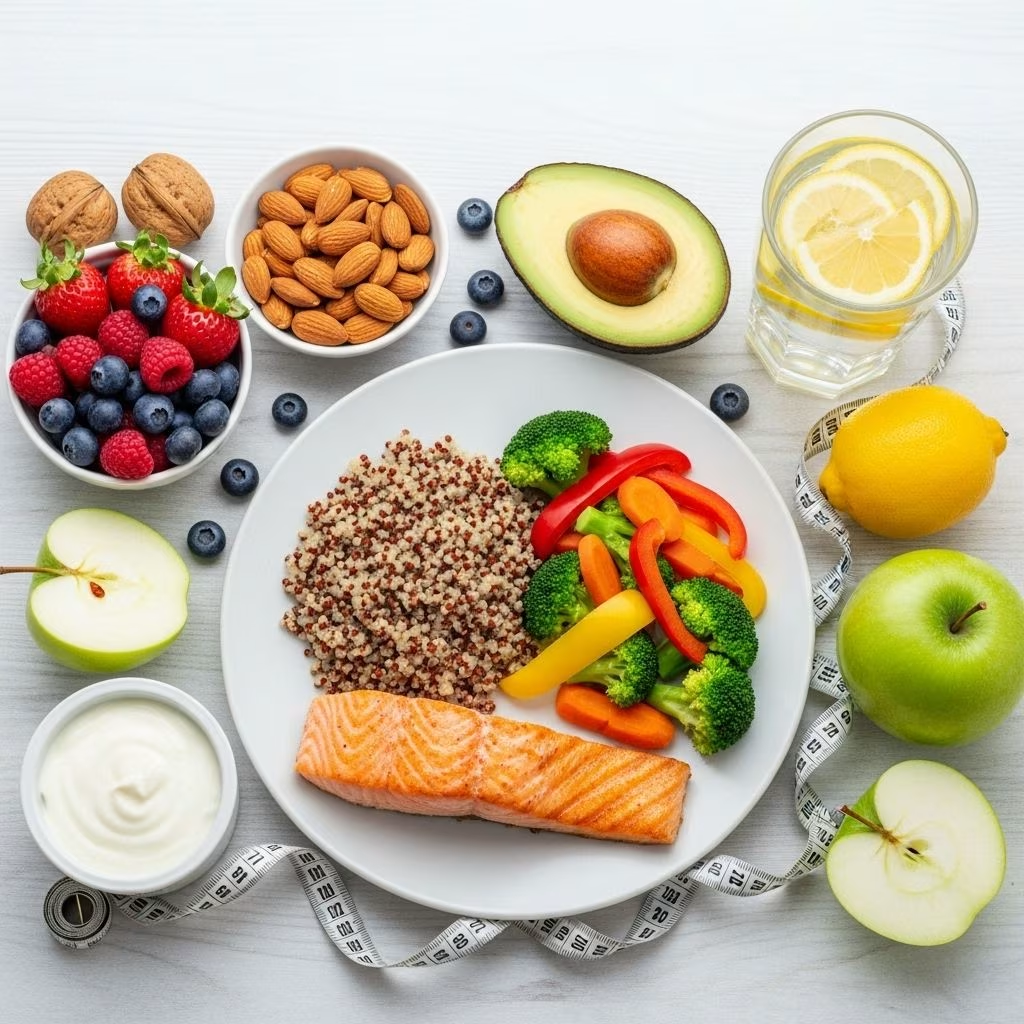
Smart Diet Choices for Effective Weight Loss
Losing weight and sustaining your progress requires more than a temporary shift in food choices; it demands adopting healthy, science-backed habits tailored to your lifestyle and needs. From Mediterranean-inspired meals to intermittent fasting and practical tips on avoiding diet traps, this guide explores the best options and offers clear advice to help you achieve your goals—all rooted in expert recommendations and research.
Why Diets Matter for Weight Loss and Wellness
Choosing the right diet impacts not just your body weight, but your overall health, energy, and longevity. Some diets promise rapid results, while others focus on long-term sustainability and wellness. The best approaches tend to balance whole foods, flexible eating patterns, and a focus on complete nutrition.
- Whole, minimally processed foods lead to healthier fat loss and fewer unpleasant symptoms than ultra-processed foods.
- Sustainable, balanced plans protect against nutrient deficiencies and diet burnout.
- Scientific evidence supports Mediterranean, DASH, and flexible fasting strategies for safe, effective weight loss.
The Best Diets for Weight Loss
Many popular diets are touted for weight loss, but not all are backed by science or recommended by nutritionists. Here are some of the top options proven to help people lose weight and enhance overall health:
Mediterranean Diet
Widely regarded as the gold standard for health, the Mediterranean diet emphasizes whole grains, fresh fruits and vegetables, lean meats (especially fish and poultry), healthy fats (such as olive oil and nuts), and herbs and spices.
- Linked with longevity, brain health, reduced stress, and balanced blood sugar.
- Focuses on limiting red meat, emphasizing plant-based foods, and incorporating healthy oils.
- Encourages flexible, enjoyable eating patterns and a wide variety of food groups.
DASH Diet
The Dietary Approaches to Stop Hypertension (DASH) diet was specifically designed to lower blood pressure and cholesterol, but it’s also a powerful tool for weight management.
- Similar to Mediterranean, but with a focus on limiting sodium intake (1,500–2,300 mg/day).
- Promotes fruits, vegetables, whole grains, and lean proteins, with minimal processed foods.
- Backed by studies showing reduced body fat, improved blood pressure, and cholesterol.
Intermittent Fasting
Intermittent fasting structures your eating into specific time windows. While it may not outperform classic calorie restriction, many people find it helps them control portions and improve metabolic health.
| Plan Name | Eating/Fasting Window | Main Details |
|---|---|---|
| 5:2 Program | Eat normally 5 days, restrict calories (500–600) 2 days | Allows “fast days,” flexibility in scheduling |
| Leangains (16:8) | Eat for 8–10 hours, fast for 14–16 hours | Popular for daily practice, supports hormonal balance |
| Eat Stop Eat | Full 24-hour fast once or twice weekly | Eat normally other days, requires discipline |
| The Warrior Diet | Fast for 20 hours, one large meal nightly | Extreme, less recommended for beginners |
Key Fact: Research shows intermittent fasting works about as well as classic calorie restriction, so choose what fits your lifestyle best.
Minimally Processed vs. Ultra-Processed Diets
A landmark study compared diets based on whole, minimally processed foods to those rich in ultra-processed products. Even when calories and nutrients were similar, outcomes were quite different:
- Whole food diets: Led to nearly twice the weight loss over eight weeks—primarily from body fat, not muscle.
- Ultra-processed diets: Linked to more cravings, digestive problems, fatigue, sleep issues, and a greater risk of nutrient deficiencies.
- Both diets improved cholesterol and bloodwork, but minimally processed diets further lowered triglycerides and average blood sugar.
Why Whole Foods Win for Weight Loss
Minimally processed diets lead to healthier, more sustainable changes by influencing metabolism and appetite regulation. They’re also linked to fewer side effects like constipation or indigestion.
How to Choose the Best Diet for You
Sustainability, flexibility, and complete nutrition are key when selecting a weight loss plan. Here are expert tips to keep in mind:
- Aim for balance: Avoid diets that cut out entire food groups or severely restrict calories, as these can cause nutrient deficiencies and rebound weight gain.
- Enjoy flexibility: Allow occasional “fun foods” to improve adherence and reduce stress or guilt.
- Be wary of detox diets: Avoid any plan centered around detox supplements or unproven products—they can lead to dehydration and other health risks.
- Take it slow: Rapid weight loss is rarely sustainable and often results in muscle loss and metabolic slowdown.
- Nourish your body: Focus on whole foods rich in essential nutrients rather than processed “diet” products that lack fiber and vitamins.
Common Pitfalls to Avoid
Not all diets are created equal, and many fad plans have more risks than benefits. Here are the major mistakes to watch out for, as highlighted by nutritionists:
- Extreme calorie restriction: Promotes “starvation mode,” causing muscle loss, water retention, and slower metabolism.
- Strict rules and inflexibility: Increase stress, guilt, and anxiety around eating, leading to burnout.
- Overreliance on supplements: May result in dehydration, digestive issues, and interference with normal body functions.
Practical Tips for Safe and Lasting Weight Loss
Expert dietitians recommend the following smart strategies to lose weight and keep it off:
- Prioritize whole, nutrient-dense foods: Fresh vegetables, lean proteins, whole grains, and healthy fats.
- Include variety: Eat from all major food groups for nutritional completeness.
- Maintain physical activity: Exercise supports weight loss and overall health.
- Stay hydrated: Water can curb hunger and aid digestion.
- Set realistic goals: Aim for gradual, steady progress—usually 1-2 pounds per week.
Sample Day on a Balanced Weight Loss Diet
| Meal | Example |
|---|---|
| Breakfast | Greek yogurt, berries, a sprinkle of walnuts |
| Lunch | Grilled chicken salad with olive oil dressing and whole grain bread |
| Snack | Apple slices with almond butter |
| Dinner | Salmon, roasted vegetables, quinoa |
Frequently Asked Questions (FAQs) About Diets and Weight Loss
Q: Is weight loss possible without cutting out entire food groups?
A: Yes. Dietitians recommend balance and variety; eliminating food groups is not necessary and can be harmful. Instead, favor nutrient-dense foods and allow occasional treats for long-term success.
Q: Which diet is safest for most people?
A: The Mediterranean and DASH diets are safe and effective for most individuals seeking to lose weight, improve heart health, and promote wellness. Always consult with a healthcare professional before starting a new diet.
Q: How fast should I expect to lose weight?
A: Steady, gradual weight loss (1-2 pounds per week) is considered safe and sustainable. Rapid loss often leads to regaining weight and muscle loss.
Q: Are detox diets or supplements necessary?
A: No. Your body has built-in detoxification systems. A diet rich in whole foods supports natural detox processes without the need for supplements or “detox” products.
Q: Can intermittent fasting be harmful?
A: For most adults, intermittent fasting is safe if practiced sensibly and combined with nutritious foods during eating windows. Extreme fasting or combining with restrictive diets may pose risks for some; consult a health professional for guidance.
Key Takeaways
- Focus on whole foods: The biggest impact on weight, metabolism, and overall health.
- Choose flexible, nutrient-rich diets: Mediterranean and DASH plans provide sustained success.
- Intermittent fasting is an option, not a necessity: Comparable to calorie-restricted diets.
- Avoid fad diets and “detox” supplements: They often do more harm than good.
Successful weight loss is not about short-term fixes. Prioritizing evidence-based strategies, balanced nutrition, and gradual progress leads to real, lasting results.
References
- https://www.prevention.com/food-nutrition/healthy-eating/a65664887/ultra-processed-foods-weight-loss-gut-health-study/
- https://www.prevention.com/weight-loss/diets/a63174975/best-diets-for-weight-loss-2025/
- https://www.prevention.com/weight-loss/a20500235/intermittent-fasting/
- https://pmc.ncbi.nlm.nih.gov/articles/PMC8017325/
- https://www.prevention.com/weight-loss/diets/
- https://www.prevention.com/weight-loss/diets/a60578947/how-to-lose-weight-fast-safely/
- https://www.prevention.com/weight-loss/
- https://www.prevention.com/weight-loss/a30188568/lose-weight-without-exercise-0/
- https://www.prevention.com/weight-loss/diets/a20718413/apple-cider-vinegar-for-weight-loss/
- https://www.prevention.com/weight-loss/a20445219/diet-and-weight-loss-success-story-1/


