


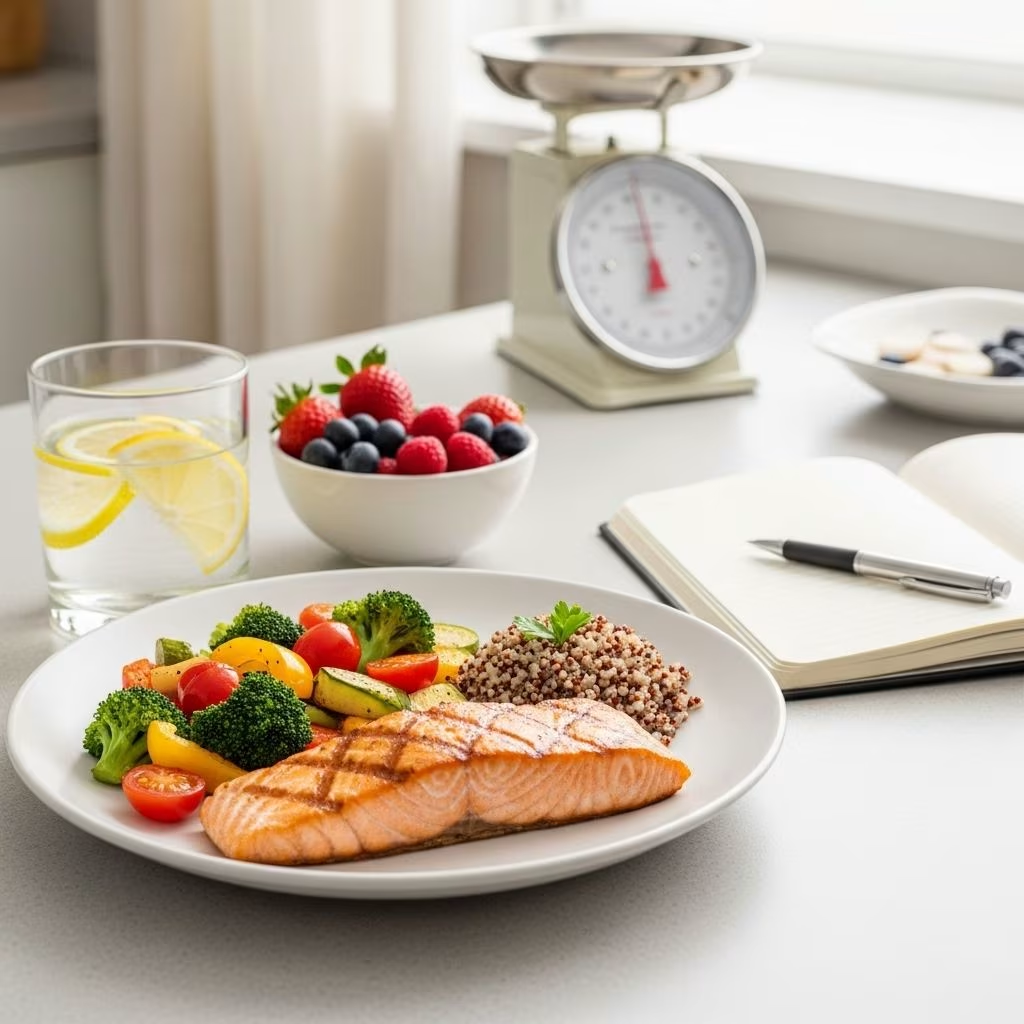
Losing weight doesn’t mean resorting to drastic measures, fad diets, or depriving yourself of the foods you love. Expert-backed strategies emphasize realistic, lasting changes to your eating habits, mindset, and daily routines. This comprehensive guide presents 20 actionable, science-based diet tips for achieving your healthiest weight in a balanced, enjoyable way—and keeping it off for good.
1. Mastering Portion Control
Portion control is a cornerstone of healthy weight management. Research shows that most people underestimate serving sizes, leading to unintentional overeating.
- Use smaller plates and bowls at home; this simple visual trick naturally reduces the amount of food you serve.
- Follow the rule of thumb: your fist equals a portion of carbs (about 1 cup), your palm equals a portion of protein (about 4 ounces), and about 2 tablespoons of healthy fat (like nuts or avocado) per meal. Fill the rest with colorful, non-starchy vegetables.
- In restaurants, split entrees, ask for a to-go container at the start, or order an appetizer and salad instead of a large main dish.
2. Avoiding Diet Fads & Extreme Restrictions
Drastically slashing calories or following trendy fads can sabotage your metabolism and make weight loss harder in the long run.
- Overly restrictive diets often lead to cravings, binge eating, and an unhealthy relationship with food.
- Prioritize a steady calorie deficit (about 300–500 calories less than your maintenance needs per day) for sustainable results. Going too low can push your body into “starvation mode,” slowing metabolism and fat burning.
- Be wary of advice that promises rapid weight loss with little effort; healthy changes take time and consistency.
3. Building Balanced Meals
Balanced meals aren’t just about calories—they fuel your body throughout the day, stabilize mood, and help control cravings.
- Every meal should include a source of protein (like poultry, beans, eggs, fish, nuts), healthy fats (such as olive oil, avocado, nuts), and fiber-rich carbohydrates (whole grains, starchy vegetables, fruit).
- Make vegetables the focus of your plate. Aim for at least half your meal to consist of colorful, non-starchy veggies for fullness and nutrients.
- Balance keeps blood sugar stable, curbs unhealthy snacking, and prevents mood swings.
4. Why You Shouldn’t Skip Meals
Contrary to popular belief, skipping meals can backfire. Going without food for long stretches makes you more likely to overeat at your next meal or snack impulsively on less healthy options.
- Aim for three meals a day with controlled portions. You’ll feel satisfied, keep your metabolism active, and avoid the ravenous hunger that leads to poor decisions.
- Listen to your body’s cues—physical hunger versus boredom or emotional eating.
5. Smart Snacking Strategies
Done right, snacking can stabilize your blood sugar and help prevent overeating at meals.
- Choose snacks with protein and fiber such as nuts, Greek yogurt, fruit, whole-grain crackers, or veggie sticks with hummus.
- Pre-portion snacks into small containers or bags instead of eating directly from the package.
- Have snacks planned and packed if you know you’ll be out for a long stretch.
6. Hydration as a Weight Loss Tool
The body often mistakes thirst for hunger, resulting in unnecessary snacking. Staying well-hydrated supports metabolism, helps regulate appetite, and can even temporarily increase the calories your body burns.
- Drink water before meals; it may help you feel fuller and eat less.
- Aim for at least 8 cups (64 ounces) of water per day, more if you’re active or in hot weather.
- If you struggle with plain water, add slices of citrus, cucumber, or berries for flavor (skip sugary add-ins and syrups).
7. Practicing Mindful Eating
Eating mindfully means being present with your food—slowing down, savoring flavors, and tuning into hunger and fullness signals. This can result in reduced calorie intake and greater enjoyment of your meals.
- Eat without distractions: put away phones, computers, and TVs while eating.
- Chew thoroughly and put your fork down between bites.
- Pause halfway through your meal and check in—are you still hungry or already satisfied?
8. Reducing Sugar & Empty Calories
Sugar lurks in obvious places (soda, desserts) and hidden sources (condiments, breads, cereals). Consuming too much sugar leads to weight gain, cravings, and energy crashes.
- Cut back on sugary drinks and sweetened snacks first; replace them with water and naturally sweet fruit.
- Check labels for hidden sugars (look for names like dextrose, fructose, corn syrup, etc.).
- Instead of dessert every night, savor fruit or a small piece of dark chocolate a few times a week.
9. The Power of Reading Labels
Nutrition labels offer valuable clues. High-calorie, high-sugar, and high-saturated-fat ingredients often hide in unexpected foods.
- Pay attention to serving sizes and ingredient lists. The shorter and less processed, the better.
- Opt for products with more fiber and protein, but less added sugar and sodium.
10. The Benefits of Home Cooking
Preparing more meals at home gives you full control over ingredients and portions, leading to healthier eating habits and fewer calories consumed over time.
- Try cooking in batches (meal prep) so you always have healthy options ready.
- Experiment with herbs and spices to keep meals interesting without adding calories or salt.
- Involve family or friends in cooking for extra motivation and accountability.
11. Navigating Restaurant Choices
Restaurant meals often have bigger portions and more hidden calories than home cooking, but you can make mindful swaps:
- Ask for dressings and sauces on the side.
- Order grilled, baked, or roasted options instead of fried or breaded items.
- Fill half your plate with vegetables first, then add lean protein and a small carbohydrate.
- Don’t feel pressured to finish enormous portions—take leftovers home or share with a friend.
12. Sleep & Weight: The Connection
Getting enough quality sleep is critical for appetite regulation and metabolism. Research ties lack of sleep to increased levels of hunger hormones and stronger cravings for high-calorie foods.
- Aim for 7–9 hours of sleep each night.
- Keep your sleep schedule consistent; avoid late-night eating, which can disrupt hunger hormones.
13. Managing Stress & Motivation
Stress can trigger overeating, especially of comfort foods. Addressing emotional health is vital for sustainable weight loss.
- Practice stress reduction techniques (deep breathing, meditation, walking, journaling).
- Consider talking to a mental health professional if you find yourself using food to cope with feelings.
- Set small, achievable goals to maintain motivation and celebrate progress along the way.
14. Eating Enough: Why Less Isn’t Always More
Eating too little can halt your weight loss. Severe calorie restriction can cause muscle loss, slow your metabolism, and increase the risk of binge eating later.
- Never go below 1,200 calories for women or 1,500 for men without medical supervision.
- Your body needs fuel to burn fat—focus on smarter, not smaller, portions and nutrient-dense foods.
15. The Role of Daily Movement
Exercise is vital for health and helps sustain weight loss, but you don’t need to spend hours in the gym. Building more movement into your day can significantly boost your calorie burn.
- Find enjoyable activities: dancing, swimming, biking, or brisk walking count, not just formal workouts.
- Consistency matters more than intensity; aim to move most days of the week.
16. Boosting Non-Exercise Activity (N.E.A.T.)
N.E.A.T. (Non-Exercise Activity Thermogenesis) refers to the calories you burn doing everything other than intentional exercise—walking, cleaning, taking the stairs, even fidgeting. These small efforts add up.
- Stand up and stretch every hour if you sit for work.
- Walk around during phone calls.
- Take the stairs, park farther away, or carry groceries.
17. Don’t Drink Your Calories
Beverages can be a hidden source of excess calories. Unlike solid foods, they don’t trigger the same feelings of fullness and are easy to overconsume.
- Swap sugar-heavy sodas, sweet teas, and store-bought smoothies for water, herbal teas, or black coffee.
- Check nutrition info on coffee shop drinks, flavored waters, and sports drinks—they often pack significant sugar and calories.
18. Why Diet Sodas Aren’t the Answer
Diet sodas promise “sweetness without the calories,” but emerging research shows they don’t solve the weight problem—and may even inadvertently encourage overeating by affecting hunger cues and gut health.
- Opt for water with lemon or unsweetened sparkling water with a splash of juice instead.
- If you do drink diet sodas, treat them as an occasional rather than daily choice.
19. Allowing Treats: Preventing Feelings of Deprivation
Depriving yourself completely sets you up for cravings and overindulgence. Instead, make room for treats—mindfully and in moderation.
- Enjoy your favorite foods on occasion, but savor them slowly and intentionally.
- Practice portion awareness: don’t eat dessert because you “deserve” it; choose it because you truly want it, and give it your full attention.
Frequently Asked Questions (FAQs)
Q: How quickly should I expect to lose weight?
A: A safe, sustainable rate of weight loss is 0.5 to 2 pounds per week. Rapid weight loss is often temporary and can lead to muscle loss, nutritional deficiencies, and slower metabolism.
Q: Is it bad to eat carbs if I want to lose weight?
A: Carbs are not inherently bad. The healthiest approach is to focus on whole, unprocessed carbs (fruits, vegetables, whole grains, legumes) rather than cutting them out entirely.
Q: How important is exercise for weight loss?
A: Diet changes usually drive the majority of weight loss, but adding regular movement makes it easier to keep weight off, boosts mood, and improves overall health.
Q: What do I do if I hit a weight loss plateau?
A: Reassess your portions, activity level, and sleep. Plateaus are common—sometimes your body needs a short maintenance break before continuing to lose. Don’t get discouraged; adjust your habits as needed.
Final Tips for Real-World Success
- Keep a food journal to track what, when, and why you eat.
- Set realistic, non-scale goals (like running a mile or packing lunch three times a week).
- Surround yourself with supportive people or communities.
- Seek help from registered dietitians or professionals for personalized guidance.
Remember: lasting weight loss is about progress, not perfection. Small daily choices add up to big, life-changing results over time.
References
- https://www.prevention.com/weight-loss/a30188568/lose-weight-without-exercise-0/
- https://www.prevention.com/weight-loss/g20494587/25-worst-diet-tips-ever/
- https://www.prevention.com/weight-loss/g20506618/weight-loss-maintenance/
- https://www.prevention.com/weight-loss/diets/g20440614/25-best-weight-loss-tips-ever/
- https://www.prevention.com/weight-loss/g20494462/eating-habits-for-weight-loss/
- https://www.prevention.com/weight-loss/
- https://www.prevention.com/weight-loss/a20465042/lose-weight-over-40/
- https://www.prevention.com/weight-loss/diets/
- https://www.prevention.com/weight-loss/a43905863/lose-weight-safely/


