


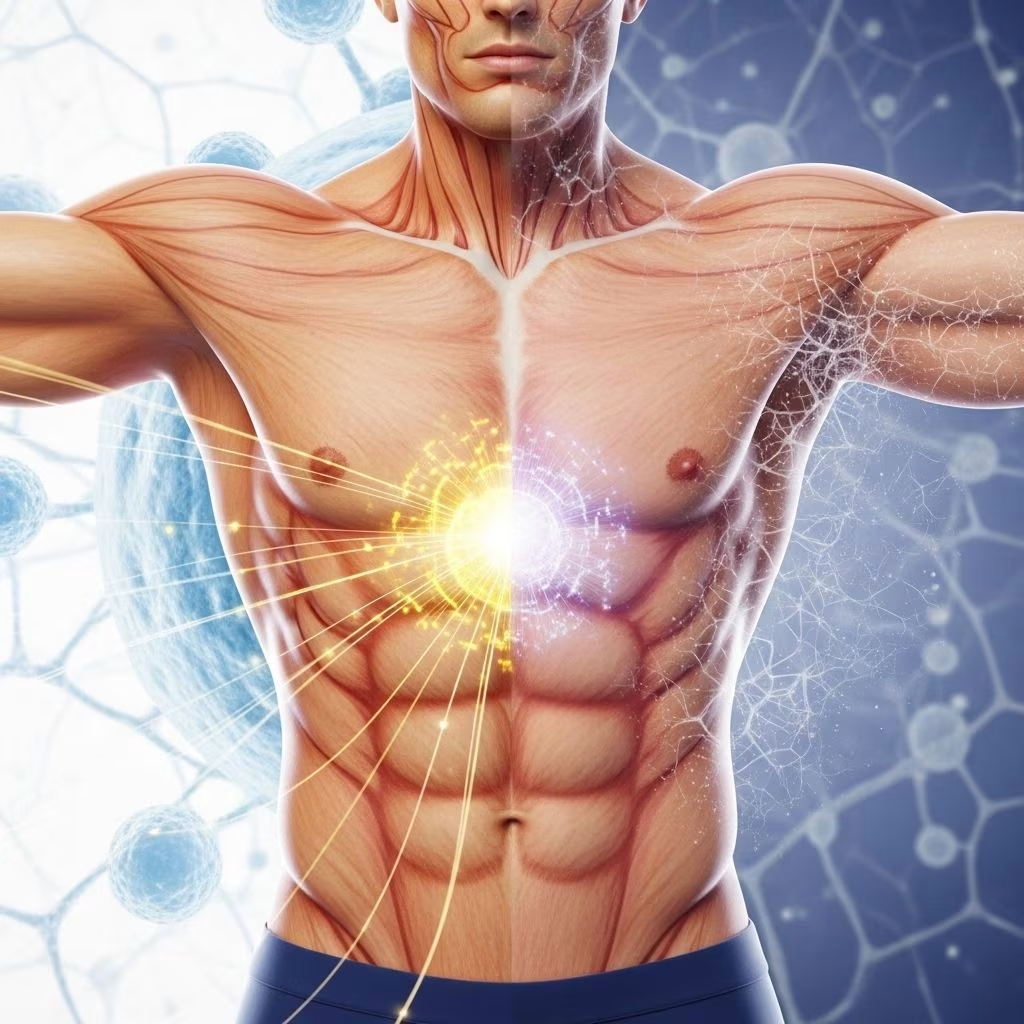
What Happens to Your Body on Intermittent Fasting
Intermittent fasting (IF) has surged from ancient origins to become one of today’s most popular—yet polarizing—nutrition strategies. More than just a diet trend, IF is a science-backed approach to eating for periods of time, followed by intentional fasting windows. But what really happens to your body during those hours and days of not eating? This article explores the phases of fasting, the physiological and psychological effects, the potential benefits and downsides, and addresses common questions about intermittent fasting.
Contents
- What Is Intermittent Fasting?
- Popular Methods of Intermittent Fasting
- How Your Body Responds to Fasting
- Potential Health Benefits
- Who Should Avoid Intermittent Fasting?
- Tips for Safe and Effective Fasting
- Frequently Asked Questions
What Is Intermittent Fasting?
Intermittent fasting (IF) is an eating pattern that alternates between scheduled periods of eating and voluntary abstinence from food (fasting). Unlike traditional diets, IF focuses more on when you eat, rather than what or how much.
This approach is centuries old—rooted in both religious practices and early medical therapy—but it has seen renewed popularity for its promising effects on weight loss, longevity, and metabolic health. Modern research explores how fasting affects everything from cell repair to blood sugar and fat loss.
Popular Methods of Intermittent Fasting
Not all intermittent fasting regimens are the same. Here are the most common types:
- 16:8 Method: Fast for 16 hours and eat all meals within an 8-hour window each day (e.g., skip breakfast, eat only between noon and 8 p.m.).
- 5:2 Diet: Eat normally for five days a week and consume about 500–600 calories on two non-consecutive days.
- 4:3 Diet: Alternate regular eating for four days with three fasting days per week, drastically limiting calories on fasting days.
- Alternate-Day Fasting: Cycle between eating and fasting every other day.
- Eat-Stop-Eat: Engage in a 24-hour fast once or twice per week.
People may choose a method based on lifestyle, experience, or medical advice, but it’s important to recognize no one plan is universally best.
How Your Body Responds to Intermittent Fasting
Hour by Hour Breakdown
Your body moves through a series of metabolic phases from the last meal to a prolonged fast:
- 0–4 Hours: The digestive process starts. Blood sugar and insulin rise to help store nutrients from your meal.
- 4–8 Hours: Nutrients are absorbed and used for energy. Insulin begins to decrease as glucose is processed.
- 8–12 Hours: Liver glycogen (stored glucose) becomes the main energy source. Insulin drops further. Hunger hormones such as ghrelin may rise, making you feel hungry before your body adapts.
- 12–16 Hours: Your body begins metabolic switching—shifting from burning glucose to tapping into fat stores for energy. This is when the benefits for weight loss and cellular repair start to ramp up.
- 16–24 Hours: Fat burning intensifies. The body increases production of ketones (an alternative energy source) and human growth hormone (HGH), supporting fat loss, muscle maintenance, and cell repair.
What Is Metabolic Switching?
Metabolic switching refers to the body’s transition from its default, sugar-burning state into leveraging stored fat for fuel. This switch is believed to be key for fasting’s fat loss and health benefits, though the pace and intensity vary based on age, activity, and medical conditions.
Potential Health Benefits of Intermittent Fasting
Modern science explores fasting’s impact on nearly every system in the body. Evidence for benefits grows, but much is still under study, especially for long-term outcomes:
1. Weight Loss and Body Fat Reduction
- Fasting periods restrict overall calorie intake and promote fat burning after sugar stores are exhausted.
- A 2016 study found people lost significantly more body fat in 8 weeks on IF than in a standard diet group.
- 4:3 intermittent fasting led to greater weight loss (7.6% vs. 5% body weight) compared to continuous calorie restriction over 12 months.
- Plateau buster: Intermittent fasting may help when traditional diets fail to overcome stalled weight loss.
2. Appetite Control and Crushes Cravings
- Restricting late-night or mindless eating aids those who snack on high-sugar foods.
- Production of satiety hormones increases, helping you feel naturally full and curb cravings after a few days on IF.
- Improved control over eating times helps create healthier dietary habits, not just calorie reduction.
3. Cellular Repair and Anti-Aging
- Fasting stimulates autophagy, a cellular “clean up” process that removes damaged components, potentially slowing aspects of aging.
- Increases in HGH support muscle maintenance, fat loss, and quicker cell repair.
- This is not a fountain of youth, but IF may provide an ‘inside-out’ anti-aging boost by encouraging cellular rejuvenation.
4. Improved Insulin Sensitivity and Blood Sugar
- IF may help those with pre-diabetes by improving cells’ responsiveness to insulin, bringing glucose levels down and reducing diabetes risk.
- Fewer meals mean fewer insulin spikes, which can help stabilize energy and mood.
5. Psychological Well-Being
- Success with fasting can amplify self-efficacy and lead to motivation for other healthy behaviors, such as regular physical activity.
- Many report better focus and clarity during fasting periods after initial adaptation.
- Shifts mindset from food as comfort to food as nourishment, and encourages healthier coping mechanisms for stress.
Is Intermittent Fasting Better Than Counting Calories?
| Factor | Intermittent Fasting | Calorie Counting |
|---|---|---|
| Weight Loss | Often greater, especially on 4:3 or 16:8 plans | Effective, but usually slower and plateaus are common |
| Ease of Adherence | Challenging initially, but may get easier over time | Requires daily vigilance; can feel restrictive |
| Other Benefits | Enhances insulin sensitivity, fat oxidation, autophagy | Primarily focused on weight; fewer additional metabolic impacts |
| Sustainability | Can become part of lifestyle for many people | Depends on personality; many find it tedious long term |
Recent research indicates that the 4:3 intermittent fasting plan yields modestly greater long-term weight loss, potentially due to better insulin sensitivity and less mindless snacking. However, both methods require a healthy relationship with food to be truly effective.
Who Should Avoid Intermittent Fasting?
- Children and Adolescents: Growing bodies have higher calorie needs.
- Pregnant or Breastfeeding Women: Require a steady supply of energy and nutrients.
- Individuals with Pre-Existing Conditions: Especially those with diabetes or low blood sugar disorders without medical guidance.
- Anyone with a History of Eating Disorders: Fasting can trigger disordered eating patterns.
Always consult a healthcare provider before starting any fasting regimen, particularly if you have chronic medical conditions or take medications regularly.
Tips for Safe and Effective Intermittent Fasting
- Stay hydrated with water, herbal teas, or black coffee during fasting hours.
- Prioritize whole, nutrient-dense foods (lean proteins, healthy fats, fiber-rich veggies) during eating windows.
- Avoid processed/unhealthy foods even on non-fasting days—fasting is not a free pass for binge eating.
- Build up fasting periods gradually; start with shorter windows and increase over several weeks.
- Combine fasting with regular moderate exercise for best results, aiming for at least 150 to 300 minutes per week.
- Listen to your body—if you feel faint, dizzy, or sick, break your fast and seek medical advice.
Frequently Asked Questions (FAQs)
Q: Is intermittent fasting safe for healthy adults?
A: For most healthy adults, intermittent fasting is safe when approached with moderation and medical supervision if needed. It can become risky for those with certain health conditions or special energy needs.
Q: Will fasting slow my metabolism?
A: Short-term fasting typically does not harm your metabolism—in fact, it often increases fat burning. Prolonged fasting, however, can lower your metabolic rate. Most common IF patterns are considered safe for metabolism.
Q: Can I eat whatever I want during eating windows?
A: Fasting does not compensate for poor nutrition. For lasting benefits, stick to whole foods, limit processed items, and aim for balanced dietary intake—think lean proteins, healthy fats, vegetables, and whole grains.
Q: How long should I try intermittent fasting before seeing results?
A: Many people notice changes within the first week (such as reduced cravings), while significant weight loss and health improvements often occur after several weeks. Gradual, sustainable progress should be your goal.
Q: Can intermittent fasting help with type 2 diabetes prevention?
A: Early research suggests intermittent fasting may lower the risk of type 2 diabetes by improving insulin sensitivity and blood sugar management, particularly in people with pre-diabetes. Always consult a physician if you already have diabetes or are on medications.
Q: What are the main drawbacks or risks?
A: Some experience headaches, fatigue, irritability, and trouble concentrating during initial adaptation. Fasting is not appropriate for children, pregnant or breastfeeding women, and those with a history of eating disorders. Social situations and work schedules can make adherence difficult, so flexibility is key.
Q: Does fasting improve longevity?
A: Animal studies suggest possible lifespan extension, but clear evidence in humans is lacking. It’s likely that fasting’s benefits come from improved metabolic health and weight loss.
Key Takeaways
- Intermittent fasting cycles between eating and fasting, triggering metabolic changes that may boost fat loss, curb cravings, and support cell repair.
- The approach you choose should fit your lifestyle, medical history, and preferences for best adherence and results.
- IF isn’t suitable for everyone and requires a commitment to overall healthy nutrition and activity—not just skipping meals.
- Consult your healthcare provider before starting any fasting regimen, especially if you have health concerns or specific goals.
References
- https://www.prevention.com/health/a37856893/full-body-benefits-of-intermittent-fasting/
- https://www.prevention.com/weight-loss/a20500235/intermittent-fasting/
- https://www.prevention.com/food-nutrition/a64365995/4-3-intermittent-fasting-vs-calorie-counting-weight-loss-study/
- https://www.prevention.com/weight-loss/a20500521/body-on-intermittent-fasting/
- https://www.prevention.com/food-nutrition/a65659332/intermittent-fasting-for-a-week/
- https://www.prevention.com/weight-loss/diets/a46181912/intermittent-fasting-schedules/
- https://www.prevention.com/weight-loss/diets/a61413679/intermittent-fasting-women-over-50/
- https://www.prevention.com/food-nutrition/a60245292/intermittent-fasting-cardiovascular-death/


