


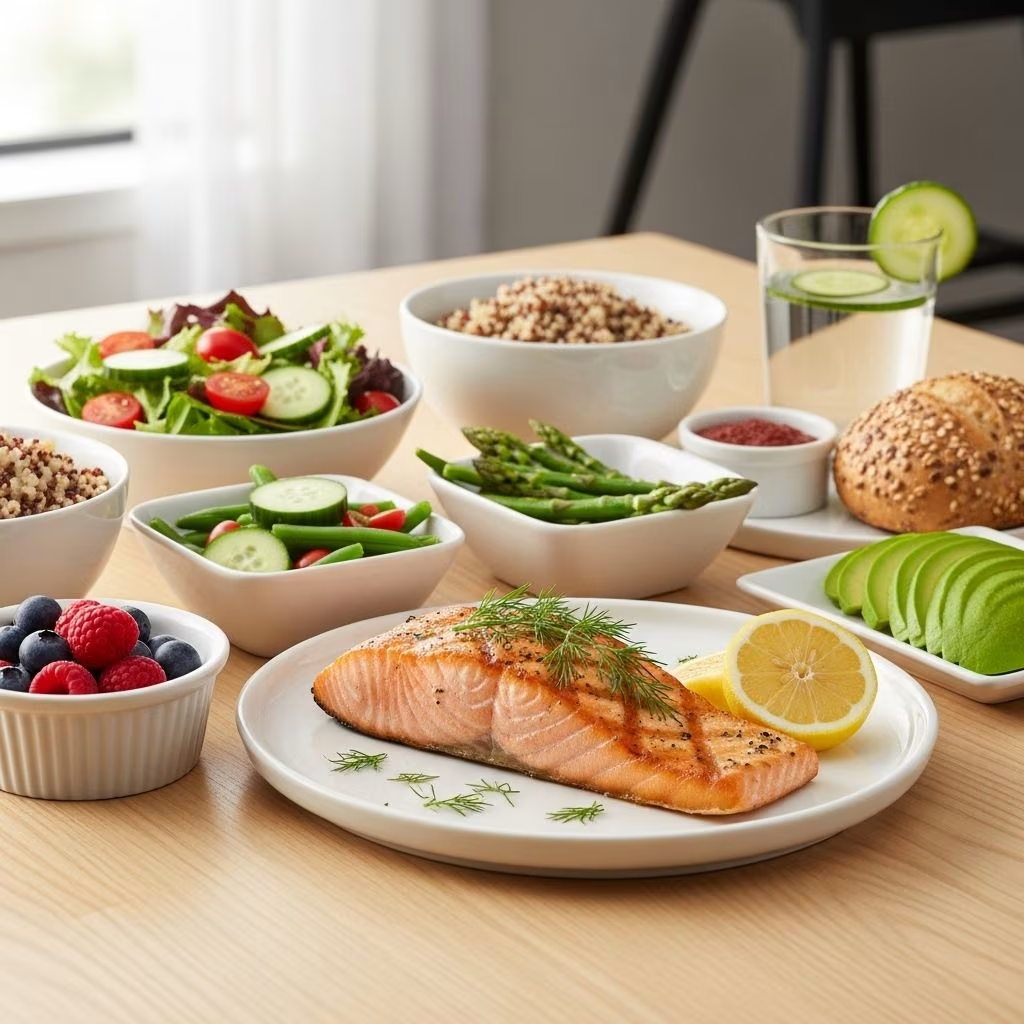
The South Beach Diet: Your Ultimate 2-Week Kick-Start Meal Plan
The South Beach Diet is renowned for helping individuals jump-start their weight loss goals by providing a structured approach focused on balanced nutrition, portion control, and sustainable healthy eating habits. This article delves into the proven 2-week Phase 1 sample meal plan and nutritional principles that underpin the entire program, offering practical tips, explanations, and answers to frequently asked questions.
What Is the South Beach Diet?
The South Beach Diet is a three-phase weight loss program designed to promote healthy eating habits, reduce cravings, and support lasting results. Created by cardiologist Dr. Arthur Agatston, it emphasizes the importance of consuming lean proteins, nutrient-rich vegetables, low-fat dairy, and unsaturated fats while limiting certain carbohydrates and sugars in its initial phase.
- Phase 1 (First 2 weeks): A strict, carb-limited plan to kick-start weight loss and stabilize blood sugar.
- Phase 2: Gradually reintroduces healthy carbs (whole grains, fruits, some root vegetables)
- Phase 3: Focuses on maintaining healthy habits and weight long-term.
Objectives and Approach of Phase 1
Phase 1 is designed to:
- Reduce cravings by stabilizing blood sugar levels
- Encourage rapid, motivating weight loss (8–13 lbs is typical)
- Help you break reliance on processed carbs and sugars
During Phase 1, the diet excludes all starches (bread, pasta, rice) and sugary foods (fruit, juice, cakes, alcohol), but still offers plenty of satisfying options.
South Beach Diet 2-Week Sample Meal Plan
The following sample plan illustrates typical meals and snacks you’ll enjoy in Phase 1. Each day, eat 3 meals and 2 snacks constructed from lean protein, vegetables, low-fat dairy, and healthy fats.
Day 1 Example
- Breakfast: Vegetable omelet with spinach, tomatoes, and a side of turkey bacon
- Snack: Low-fat cottage cheese with diced peppers
- Lunch: Grilled chicken salad with mixed greens, olive oil vinaigrette, sliced cucumbers
- Snack: 1/4 cup almonds
- Dinner: Broiled salmon with steamed broccoli and roasted eggplant
Day 2 Example
- Breakfast: Scrambled eggs with sautéed mushrooms and onions
- Snack: 2 hard-boiled eggs
- Lunch: Turkey roll-ups (turkey slices wrapped around low-fat cheese and leafy greens)
- Snack: Celery sticks with hummus (limit to 1/4 cup)
- Dinner: Grilled shrimp with asparagus and tomato-basil salad
Day 3 Example
- Breakfast: Baked eggs with spinach and ham
- Snack: Fat-free Greek yogurt (plain)
- Lunch: Scallops over arugula with roasted peppers and olive oil
- Snack: 1/4 cup walnuts
- Dinner: Grilled lean pork chop, sautéed zucchini, and cauliflower mash
Sample Menu Table: Typical Day in Phase 1
| Meal | Food Example |
|---|---|
| Breakfast | Omelet with smoked salmon and spinach |
| Snack 1 | Turkey roll-up with low-fat cheese |
| Lunch | Vegetable salad with grilled scallops |
| Snack 2 | Fat-free Greek yogurt |
| Dinner | Grilled tuna with roasted vegetables |
| Dessert (optional) | Sugar-free gelatin or ricotta cheese with cocoa and almonds |
Key Food Principles of the South Beach Diet
- Vegetables, fruits, legumes: Focus on non-starchy vegetables during Phase 1. These supply fiber to keep you full and protect against disease. You’ll reintroduce fruits in Phase 2. Aim for at least ½ cup of vegetables at breakfast and 2 cups at lunch and dinner.
- Healthy fats: Use olive, peanut, avocado, and canola oils (monounsaturated); nuts, flaxseed, and fish (polyunsaturated). Good fats help you stay satisfied and cells function better. Limit added oils to 2 tablespoons per day and nuts to ¼ cup daily.
- Lean protein: Lean cuts of beef, pork, lamb; skinless chicken and turkey; fish and shellfish; eggs and egg whites; soy products; beans and legumes; fat-free or low-fat dairy. Protein prevents blood sugar spikes that drive hunger.
Foods Excluded in Phase 1
- Starches: No bread, pasta, rice, cakes, cookies, potatoes, or corn
- Sugars: No fruit, fruit juice, wine, beer, honey, syrup, or sugary snacks
Moving Beyond Phase 1: Easing into a Balanced Diet
After your 2-week kick-start, you may have lost up to 13 lbs and will likely notice fewer cravings and better control over hunger. At this point:
- Phase 2: Gradually reintroduce healthy carbs such as whole fruits, whole grain breads, whole wheat pasta, sweet potatoes, and carrots
- Phase 3: Apply the diet’s healthy eating principles for lifelong maintenance
Regardless of your phase, continue focusing meals around vegetables, lean protein, healthy fats, and moderate portions.
Frequently Asked Questions (FAQs)
Q: Can I drink coffee or tea on the South Beach Diet?
A: Yes, both are allowed. Use low-fat or fat-free milk or unsweetened plant-based milk. Avoid sweeteners with added sugar.
Q: What snacks are recommended?
A: Snacks include low-fat cheese, hard-boiled eggs, nuts (limit to ¼ cup daily), celery with hummus, turkey roll-ups, or plain yogurt.
Q: How much weight will I lose?
A: Typical Phase 1 loss is 8–13 lbs over two weeks. Individual results vary based on starting weight, metabolism, and adherence.
Q: Can vegetarians follow the South Beach Diet?
A: Yes. Vegetarian protein sources include eggs, low-fat dairy, tofu, soy products, legumes, and meatless substitutes.
Q: When can I eat fruits and grains?
A: Fruits and grains are reintroduced in Phase 2. Start with whole fruits, then gradually add whole grains like brown rice or whole wheat bread.
Tips for Success on the South Beach Diet
- Prepare a week’s worth of meals in advance to prevent impulsive choices.
- Keep approved snacks accessible for when hunger strikes.
- Track water intake and stay hydrated throughout the day.
- Listen to your body’s hunger cues; don’t eat out of habit.
- Read nutrition labels and avoid hidden sugars or starches.
Potential Health Benefits and Considerations
- Weight Loss: Rapid initial results may motivate sustained effort. Most weight is lost from the midsection.
- Cholesterol: Cutting simple carbs may improve cholesterol levels and heart health markers.
- Blood Sugar: Stabilizing blood sugar helps decrease food cravings.
As always, consult your doctor before starting any new diet, especially if you have existing health conditions.
What Foods Can I Eat in Phase 1?
- Lean proteins: Chicken, turkey, fish, shellfish, lean beef and pork, eggs, tofu, soy, low-fat dairy
- Non-starchy vegetables: All except beets, carrots, corn, peas, potatoes, yams, turnips, winter squash
- Legumes: Beans (e.g., black, kidney, pinto, navy), split peas, lentils, edamame (limit servings)
- Healthy fats: Olive oil, nuts, seeds, avocados, flaxseed, and oily fish like salmon or tuna
Foods to Limit or Avoid in Phase 1
- White potatoes, rice, bread, pasta
- Fruit, fruit juice
- Sugar, honey, syrup, sweet desserts
- Alcohol (wine, beer, spirits)
South Beach Diet Phase 1 Challenge: Sample Shopping List
- Fresh spinach, arugula, kale, broccoli, cauliflower
- Tomatoes, bell peppers, onions, asparagus
- Eggs, lean turkey, chicken breast, salmon, shrimp
- Low-fat cottage cheese, fat-free Greek yogurt
- Olive oil, avocado, almonds, walnuts
- Chickpeas, lentils, black beans (portion controlled)
Conclusion: The Road to Healthy Living
The South Beach Diet provides a practical, structured entry into healthier eating that’s accessible for most people. By focusing on lean protein, non-starchy vegetables, and healthy fats while temporarily limiting starches and sugars, Phase 1 helps break unhealthy habits, supports rapid weight loss, and sets the stage for lifelong healthy choices. Whether your goal is to lose weight or maintain a healthy lifestyle, the diet’s flexible principles offer science-backed strategies for lasting results.
Ready to Start Your Journey?
- Use this meal plan for guidance, but feel free to personalize menu choices based on your preferences and what’s seasonally available.
- Monitor your progress and make adjustments in Phase 2 and beyond for ongoing success.
References
- https://www.mayoclinic.org/healthy-lifestyle/weight-loss/in-depth/south-beach-diet/art-20048491
- https://www.prevention.com/weight-loss/diets/a20428291/south-beach-diet-sample-meal-plan/
- https://www.healthline.com/nutrition/south-beach-diet
- https://assets.ctfassets.net/6ts1dd29r26x/4nCpyWXMMuAjD85sMjydKw/a0e5c507014b552cf282b4f5c69165d8/south-beach-diet-pdf.pdf
- https://www.lark.com/resources/sample-meal-plans-for-each-phase-of-the-south-beach-diet
- https://nutriadmin.com/blog/wp-content/uploads/2024/10/South-Beach-Diet-Phase-1-Meal-Plan.pdf
- https://palm.southbeachdiet.com/all-new-south-beach-diet/
- https://www.chefdehome.com/meals/90069/30-days-of-south-beach-diet


