


South Beach Diet Phases: A Practical Guide to Lasting Weight Loss
The South Beach Diet is a renowned, phased nutrition plan developed by cardiologist Dr. Arthur Agatston. Lauded for its structured approach to controlling cravings and promoting sustainable weight loss, this diet plan progresses through distinct stages, each with unique goals, food lists, and health benefits. Here, we break down exactly how each phase works, what to expect, and how to maximize your success for lasting results.
What Is the South Beach Diet?
The South Beach Diet is a low-glycemic, nutrient-dense eating plan designed to help individuals lose weight by replacing ‘bad’ carbs and fats with ‘good’ ones. Unlike rigid low-fat or low-carb regimens, the South Beach Diet encourages mindful eating and progressive lifestyle changes for better health and weight management. This method has helped millions reset their nutrition and achieve sustainable results.
Understanding the Three Phases of the South Beach Diet
The South Beach Diet divides its program into three core phases, each with specific objectives and food guidelines:
- Phase 1: Break carbohydrate and sugar cravings, jump-start weight loss, and stabilize blood sugar.
- Phase 2: Continue losing weight, gradually reintroduce healthy carbohydrates, and develop lasting eating habits.
- Phase 3: Maintain your weight and embrace lifetime healthy eating with increased flexibility.
This article focuses primarily on the first two phases, which are crucial for weight loss and behavioral change.
Phase 1: Banishing Your Cravings and Jump-Starting Weight Loss
Duration: 2 weeks
Goal: Eliminate cravings for sugar and refined starches while triggering rapid weight loss. Phase 1 aims to reset your body’s metabolism and stabilize your appetite hormones.
How Phase 1 Works
During this initial phase, nearly all sources of carbohydrates are excluded. This includes common starchy foods (bread, pasta, rice, potatoes), fruits, and sugary snacks. The sharp drop in carbs curtails blood sugar spikes, dampens cravings, and supports quick fat loss. Most people lose between 8 and 13 pounds during this two-week period, primarily from stored water and fat .
What You Can Eat in Phase 1
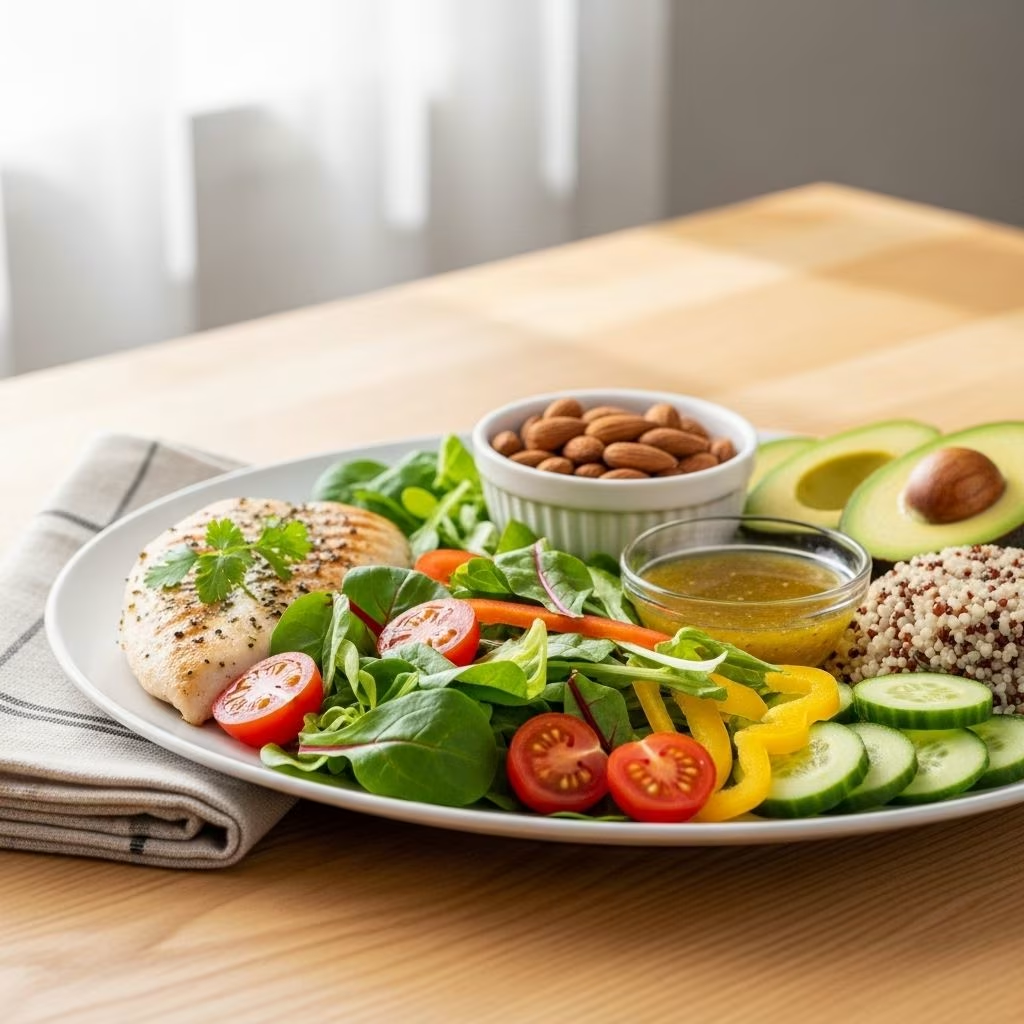
- Lean protein: Seafood, skinless poultry, lean beef, pork, tofu, eggs, and shellfish
- High-fiber vegetables: Choices include broccoli, spinach, cauliflower, leafy greens, tomatoes, peppers, cucumbers, and eggplant
- Low-fat dairy: Limited amounts of low-fat cheese and plain yogurt
- Healthy fats: Avocados, seeds, nuts (in moderation), canola oil, extra-virgin olive oil
- Snacks and desserts: Small portions of nuts, vegetables, or cheese between meals; desserts are typically light, fiber-rich, or sugar-free
- Hydration: Water, unsweetened tea, and black coffee are allowed
Phase 1 Food List Table
| Allowed Foods | Foods to Avoid |
|---|---|
| Lean meats, fish, poultry, eggs | Bread, pasta, rice, potatoes |
| Non-starchy vegetables | Most fruits, fruit juice |
| Low-fat dairy (cheese, yogurt) | Sugary foods, baked goods |
| Healthy fats (olive oil, avocado) | Alcohol |
| Nuts and seeds (moderation) | Full-fat dairy (usually) |
Sample Phase 1 Meal Plan
- Breakfast: Scrambled eggs with spinach and tomato; a side of turkey sausage
- Morning Snack: Small handful of almonds
- Lunch: Grilled chicken salad with mixed greens, cucumbers, peppers, olive oil, and vinegar
- Afternoon Snack: Low-fat cheese stick or celery with hummus
- Dinner: Baked salmon with broccoli and a side salad
- Dessert: Sugar-free gelatin or plain Greek yogurt with a sprinkle of cinnamon
What to Expect in Phase 1
- Cravings for carbs and sugar diminish rapidly—often within a few days
- Rapid initial weight loss, mostly water and some fat, especially around the midsection
- More stable energy levels with reduced food swings and crashes
- Improved sense of satiety (fullness) due to higher protein and fiber intake
- Potential transitional symptoms: headache, fatigue, irritability (usually resolve in 3–4 days as your body adapts)
Tip: Do not skip meals or snacks during Phase 1. Eating regularly helps maintain blood sugar and minimizes hunger pangs .
Common Pitfalls and How to Avoid Them
- Lack of preparation: Stock your kitchen in advance with allowed foods to prevent temptations.
- Inadequate fiber intake: Emphasize leafy greens and fibrous vegetables to promote digestion and prevent constipation.
- Not eating enough fat: Healthy fats (like olive oil or avocado) help with satiety—don’t skimp!
Phase 2: Achieving Your Target Weight—The Reintroduction of Healthy Carbs
Duration: Until you reach your goal weight
Goal: Continue safe, steady weight loss (typically 1–2 pounds per week) and help your body adjust to a wider variety of nutrient-rich carbohydrates. Phase 2 is about finding balance and learning what works for long-term health .
Transitioning from Phase 1 to Phase 2
After two weeks, your cravings should be under control and your body better adapted to burning fat. In Phase 2, you’ll slowly add back select carbohydrates—particularly those low on the glycemic index—to maintain control over your weight while enjoying a broader array of foods. You’ll remain in this phase until you reach your target weight, whether that takes weeks or several months.
What You Can Eat in Phase 2
- All foods from Phase 1 are still encouraged, forming the foundation of your meals.
- Slowly reintroduced carbs:
- Whole fruits (apples, berries, peaches, oranges)
- Whole-grain breads, brown rice, whole wheat pasta, barley
- Sweet potatoes, peas, carrots, and other starchy vegetables
- Legumes (beans, lentils)
- Low-sugar treats (in moderation)
Phase 2: How to Reintroduce Carbs
- Add one serving of carbohydrate-rich food to one meal per day for at least a week.
- Monitor how your body and mood respond: look for improved energy, better sleep, more regularity, and continued weight loss.
- If tolerated, gradually include a second carb serving in another meal over the coming week.
- Continue until you are enjoying 2–3 average portions of the right carbohydrates daily.
- If cravings or weight gain reappear, return temporarily to Phase 1 to reset.
Sample Phase 2 Meal Plan
- Breakfast: Greek yogurt parfait with berries and a sprinkle of chia seeds
- Morning Snack: Sliced apple with almond butter
- Lunch: Grilled turkey sandwich on whole-grain bread with lettuce and tomato; side salad
- Afternoon Snack: Baby carrots with hummus
- Dinner: Stir-fry with chicken, brown rice, and assorted vegetables
- Dessert: Baked pear with a touch of cinnamon
Expected Results and Experience in Phase 2
- Slower, more consistent weight loss (about 1–2 pounds per week)
- Increased energy and improved sleep quality
- Greater enjoyment and satisfaction at meals due to expanded variety
- Steady improvement in health markers (blood sugar, cholesterol in many cases)
- Reinforcement of positive eating habits needed for long-term success
Tip: If you overindulge and gain weight, or notice cravings returning, return briefly to Phase 1 until back on track .
Benefits and Rationale Behind the South Beach Diet
The South Beach Diet’s phased approach provides several benefits:
- Rapid results to increase motivation (especially in Phase 1)
- Educates about carb and fat quality, not just quantity
- Highly customizable and practical—no calorie counting
- Whole, minimally-processed foods for optimal nutrition
- Encourages healthy lifestyle habits, including regular exercise
Exercise and Lifestyle on the South Beach Diet
While the diet itself doesn’t require exercise to yield results, regular movement is highly recommended as part of the lifestyle. Walking, strength training, and flexibility work can:
- Boost metabolism and accelerate fat loss
- Support muscle maintenance during weight loss
- Reduce stress and improve well-being
- Help prevent weight-loss plateaus
Tips for Succeeding on the South Beach Diet
- Plan meals and snacks ahead: Keep your kitchen stocked and don’t skip scheduled snacks.
- Listen to your body’s signals: Eat when hungry; stop when satisfied.
- Monitor progress honestly: Use food diaries or apps, especially in transition periods between phases.
- Stay hydrated and prioritize sleep.
- Enjoy the process: Try new recipes and discover favorite foods within the plan.
Frequently Asked Questions (FAQs)
Q: Is the South Beach Diet low-carb or low-fat?
A: The South Beach Diet is not strictly low-carb or low-fat. Instead, it replaces refined, high-glycemic carbs with “good” carbs and prioritizes healthy fats over unhealthy ones .
Q: How long should I stay in each phase?
A: Phase 1 lasts two weeks for most people, while Phase 2 continues until you reach your desired weight. Phase 3 is indefinite and intended for maintenance .
Q: What if I regain weight or slip up?
A: Simply return to Phase 1 for a few days to reset cravings and metabolism, then reenter Phase 2 or 3 as appropriate .
Q: Is alcohol ever permitted?
A: Alcohol is avoided in Phase 1. In Phase 2, occasional dry wine or spirits may be consumed in moderation with meals after your body has adapted .
Q: Who shouldn’t follow this diet?
A: People with certain medical conditions (such as chronic kidney disease or severe liver problems) or who are pregnant should consult with their healthcare provider before beginning any restrictive diet.
Conclusion: Setting Yourself Up for Success
The South Beach Diet remains popular because it’s practical, balanced, and easy to customize for modern lifestyles. By dividing the journey into distinct phases—first eliminating cravings, then cultivating healthier habits with gradual carb reintroduction—it offers both rapid initial progress and a pathway to sustainable change. With a focus on real, nutrient-rich foods and flexibility as you progress, it’s more than just a diet: it’s the foundation of lasting healthy living.
References
- https://www.mymlc.com/health-information/articles/s/south-beach-diet/?section=Diet+details
- https://www.medicalnewstoday.com/articles/7501
- https://www.fpmx.com.au/resources/patients/The-South-Beach-Diet.pdf
- https://www.webmd.com/diet/south-beach-diet-what-it-is
- https://www.bostonspecialists.org/south-beach-diet
- https://www.mayoclinic.org/healthy-lifestyle/weight-loss/in-depth/south-beach-diet/art-20048491
- https://palm.southbeachdiet.com/all-new-south-beach-diet/


