


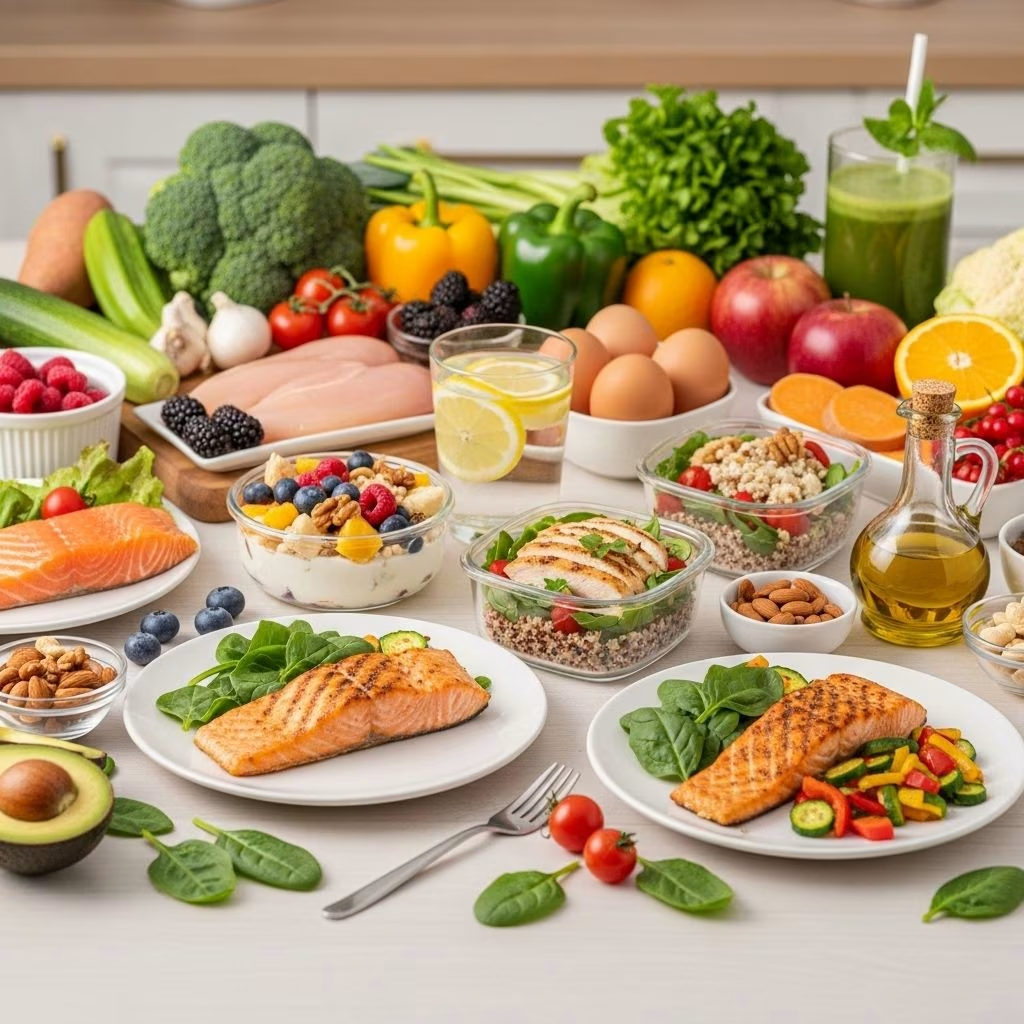
3-Day Fat-Burning Meal Plan: Boost Your Metabolism and Burn More Calories
Kick-start your weight loss journey with this expertly designed, 3-day fat-burning meal plan. Centered around the fundamentals of healthy eating, this plan provides satisfying, nutrient-rich meals to help boost metabolism, promote satiety, and burn more fat—all without complicated prep or deprivation. Whether you’re looking to break through a weight loss plateau or simply reset your routine, these easy dishes and actionable tips will help you meet your goals while enjoying delicious food every day.
Why Choose a Fat-Burning Meal Plan?
A fat-burning meal plan is more than just a weight loss tool—it helps optimize energy, control hunger, and provide vital nutrients. By prioritizing high-fiber foods, lean proteins, healthy fats, and smart carbohydrates, this plan is structured to:
- Maximize calorie burn throughout the day by keeping metabolism active.
- Balance blood sugar levels to curb cravings and control appetite.
- Deliver long-lasting energy with minimally processed, real-food choices.
- Support your fitness routine with meals that fuel and repair your body.
Backed by research showing the benefits of eating high-fiber, protein-rich foods and spacing smaller meals throughout the day, this program is both effective and flexible enough to suit different lifestyles and taste preferences.
Fat-Burning Meal Plan Principles
To get the most from your 3-day fat-burning plan, follow these guiding principles:
- Caloric Intake: Aim for about 1,600 calories per day, divided into three balanced meals (about 300–450 calories each) and two snacks (about 200 calories each).
- Hydration: Drink 8 to 10 glasses of cold water daily to increase calorie burn and support metabolism.
- Magnesium-Rich Foods: Incorporate leafy greens, whole grains, and beans to support energy metabolism and muscle function.
- Meal Timing: Eat every 4 to 5 hours to sustain energy, control appetite, and promote steady calorie burn.
- Preparation: Choose simple recipes and snacks that are quick to assemble, reducing reliance on fast food or processed options.
Day 1: Energize and Satisfy
Breakfast: Oatmeal Power Bowl
Start your morning with a hearty bowl of steel-cut oats topped with chopped almonds and fresh berries. This fiber-rich, magnesium-boosting breakfast keeps you full and energized.
- 1/2 cup cooked steel-cut oats
- 1/4 cup blueberries
- 1/4 cup strawberries, sliced
- 1 tablespoon chopped almonds
- Sprinkle of cinnamon
Total: 300 calories, 1g saturated fat, 8g fiber, 54mg magnesium
Snack: Apple with Nut Butter
Enjoy a fresh apple paired with a tablespoon of almond or peanut butter. The combination of fiber and healthy fat promotes satiety and helps regulate blood sugar.
- 1 medium apple, sliced
- 1 tablespoon almond or peanut butter
Total: 180 calories, 1g saturated fat, 4g fiber
Lunch: Corn and Black Bean Pockets
A vibrant, filling dish featuring whole grains, protein, and plenty of vegetables.
- 2 tablespoons frozen corn, cooked
- 2 medium whole wheat pitas (6″ diameter, about 120 calories and 3g fiber each)
- 3 tablespoons canned low-sodium black beans, rinsed
- 2 tablespoons salsa
- 1 1/2 tablespoons reduced-sodium shredded Cheddar cheese
- 1/4 cup shredded romaine lettuce
Assemble ingredients in pitas and enjoy warm or cold.
Total: 446 calories, 4g saturated fat, 12g fiber, 111mg magnesium
Snack: Strawberry Yogurt with Chocolate-Covered Raisins
This sweet-and-tangy snack adds protein and antioxidants while staying light on calories.
- 3/4 cup fat-free plain yogurt
- 1 cup sliced strawberries
- 1 tablespoon chocolate-covered raisins
Total: 194 calories, 2g saturated fat, 3g fiber
Dinner: Dill-Topped Veggie Burger with Sweet Potato Fries
Plant-based dinner rich in magnesium, fiber, and flavor.
- 1 veggie burger (about 100 calories)
- 1 whole wheat hamburger roll (2 ounces)
- 4 tablespoons chopped avocado
- 1/4 cup fat-free Greek yogurt mixed with 1 teaspoon fresh dill
- 4 cucumber slices
- 1 cup baked frozen sweet potato fries (about 100 calories, such as Alexia or Hain brands)
Total: 442 calories, 2g saturated fat, 14g fiber, 91mg magnesium
Day 2: Keep Metabolism Fired Up
Breakfast: Greek Yogurt Parfait
Begin your day with protein-packed Greek yogurt layered with high-fiber granola and vitamin-rich fruit.
- 1 cup fat-free Greek yogurt
- 1/2 cup mixed berries (strawberries, raspberries, blueberries)
- 2 tablespoons low-sugar granola
Total: 310 calories, 1g saturated fat, 5g fiber
Snack: Chips and Salsa
Trade vending machine snacks for a homemade, portion-controlled treat using whole grain chips and salsa.
- 1 oz (about 12 chips) baked whole grain tortilla chips
- 1/4 cup fresh salsa
Total: 200 calories, 1g saturated fat, 3g fiber
Lunch: Tuna and Golden Raisins
A unique, high-protein lunch with Mediterranean flair and ample healthy fats.
- 4 oz chunk light tuna in canola oil (not drained)
- 1 tablespoon white vinegar
- 2 tablespoons golden or brown raisins
- 1 sliced red/yellow/orange bell pepper
- 8 baby carrots
- 2 whole wheat crackers (or about 90 calories worth)
Total: 447 calories, 2g saturated fat, 10g fiber, 59mg magnesium
Snack: Raspberry Sorbet and Mixed Berries
Light, refreshing, and loaded with fiber and antioxidants.
- 1/2 cup fat-free raspberry sorbet
- 1/4 cup each sliced strawberries, raspberries, blackberries
- 1 tablespoon chopped walnuts
Total: 210 calories, 1g saturated fat, 7g fiber
Dinner: Stir-Fried Tofu with Broccoli and Brown Rice
Vegetarian-friendly, this balanced meal offers protein, fiber, minerals, and healthy fats.
- 3 ounces firm tofu, cubed
- 1 cup steamed broccoli
- 1/2 cup cooked brown rice
- 1 tablespoon low-sodium soy sauce
- 1 teaspoon sesame oil
Total: 448 calories, 2g saturated fat, 8g fiber, 69mg magnesium
Day 3: Variety and Taste for Lasting Results
Breakfast: Pear Almond Wrap
A sweet and nutty way to start the day, quick to make and easy to take on the go.
- 1 whole wheat wrap (approx. 100 calories, 5g fiber)
- 1 tablespoon almond or peanut butter
- 1 large pear, thinly sliced
Roll up and heat in the microwave for 20–30 seconds for an even sweeter treat.
Total: 297 calories, 1g saturated fat, 14g fiber
Snack: Homemade Trail Mix
Portable and rich in healthy fats and natural sugar—perfect for an afternoon boost.
- 2 tablespoons each dried cranberries, raisins, and peanuts
Total: 210 calories, 2g saturated fat, 3g fiber
Lunch: Turkey Sandwich with Coleslaw
Lean protein, fiber-rich bread, and a crunchy veggie side keep you full and satisfied.
- 2 slices whole wheat bread (80 calories and at least 2g fiber each)
- 4 ounces no-salt-added sliced turkey breast
- 1/4 cup chopped tomato
- 1 teaspoon olive oil
- 1 tablespoon balsamic vinegar
- 1/4 teaspoon dried basil (or 1 teaspoon fresh)
- 1/2 cup shredded green cabbage
- 1/2 cup shredded red cabbage
- 1/4 cup grated carrots
- 2 tablespoons reduced-fat coleslaw dressing (or 1 1/4 cups prepared coleslaw mix)
Total: 456 calories, 3g saturated fat, 8g fiber, 19mg magnesium
Snack: Banana Split Snack
Enjoy this guilt-free version of a childhood favorite.
- 1 small banana
- 2 tablespoons fat-free plain yogurt
- 1 tablespoon peanuts
- 1 tablespoon mini chocolate chips
Top banana with yogurt, sprinkle with peanuts and chocolate chips.
Total: 208 calories, 3g saturated fat, 4g fiber
Dinner: Maple Walnut Quinoa with Roasted Chicken
A power dinner featuring complete protein, omega-3s, and a touch of natural sweetness.
- 3/4 cup cooked quinoa
- 1 teaspoon olive oil
- 3 ounces diced roasted chicken breast
- 1 tablespoon light maple syrup
- 1 tablespoon chopped walnuts
- 1/2 cup fresh raspberries
Total: 451 calories, 2g saturated fat, 8g fiber, 139mg magnesium
Nutritional Overview and Grocery List
- Magnesium Sources: Whole grains, legumes, leafy greens, nuts, seeds, sweet potatoes, and tofu.
- High-Fiber Foods: Oats, beans, whole wheat, quinoa, pears, berries, broccoli, and trail mix ingredients.
- Lean Proteins: Chicken breast, turkey breast, Greek yogurt, tofu, and veggie burgers.
Sample Grocery List
- Steel-cut oats
- Whole wheat pitas and wraps
- Quinoa and brown rice
- Black beans, canned low-sodium
- Frozen corn
- Romaine lettuce, spinach, kale
- Fresh berries and pears
- Almonds, walnuts, peanuts
- Red/green cabbage, carrots, bell peppers
- Low-sodium turkey and chicken breast
- Low-fat or fat-free Greek yogurt
- Frozen or pre-cooked veggie burgers
- Sweet potatoes
- Fat-free sorbet and mini chocolate chips
- Salsa, low-sugar granola, reduced-fat coleslaw dressing
Tips for Success
- Adjust portions according to your calorie needs, activity level, and weight loss targets.
- Prepare snacks and components in advance to stay on track during busy days.
- Drink plenty of water—cold water can raise your calorie burn slightly due to the energy the body uses to warm it.
- Add extra vegetables and leafy greens to increase volume and enhance nutrient intake without significantly boosting calories.
- Track meals and calories in a journal or app to maintain awareness and accountability.
Frequently Asked Questions (FAQs)
Q: Can I swap ingredients or meals in this plan?
A: Yes. This meal plan provides structure, but it’s flexible. Swap ingredients within the same food group to suit your preferences, dietary needs, or ingredient availability. For instance, swap quinoa for brown rice, turkey for chicken, or mix up your fruit depending on what’s in season.
Q: Will this meal plan work for vegetarians?
A: Absolutely. Most meals include vegetarian protein sources (like beans, yogurt, tofu, veggie burgers) or can be adapted by replacing animal proteins with plant-based alternatives.
Q: Are snacks required, or can I adjust the meal schedule?
A: While snacks help prevent excessive hunger and keep your metabolism fueled, you can combine them into meals or skip them if you prefer. The key is to keep overall daily calories and nutrient balance consistent.
Q: Is the calorie count enough for active individuals?
A: 1,600 calories daily works well for many individuals seeking weight loss, but those who are very active, taller, or have higher calorie needs should scale up portions or add extra snacks to match their energy expenditure.
Q: How quickly will I see results?
A: Most people notice increased energy and reduced bloating within a few days. Weight loss will vary based on your starting point, activity, and genetics, but sticking to this calorie-controlled, high-fiber diet can yield noticeable progress in as little as a week.
References & Further Reading
- “Turn Up Your Fat Burn” by the Editors of Prevention Magazine
- Research on metabolism-boosting foods, calorie cycling, and meal timing
- For more ideas, see the Prevention guide to 20 fat-burning foods and tips for healthy, high-fiber eating
Order your copy of ‘Turn Up Your Fat Burn’ for more custom meal plans, fat-burning strategies, and expert tips.
References
- https://www.prevention.com/weight-loss/diets/a20429269/turn-up-your-fat-burn-meal-plan-3-day-sample-menu/
- https://abcnews.go.com/Health/Diet/preventions-day-fat-burning-meal-plan/story?id=13622799
- https://www.prevention.com/weight-loss/g24805401/fat-burning-foods/
- https://books.apple.com/us/book/turn-up-your-fat-burn/id1378829379?uo=4&at=11l5bh
- https://www.penguinrandomhouse.com/books/593902/turn-up-your-fat-burn-by-alyssa-shaffer-and-the-editors-of-prevention-magazine/
- https://www.mayoclinic.org/healthy-lifestyle/weight-loss/in-depth/mayo-clinic-diet/art-20045460


