


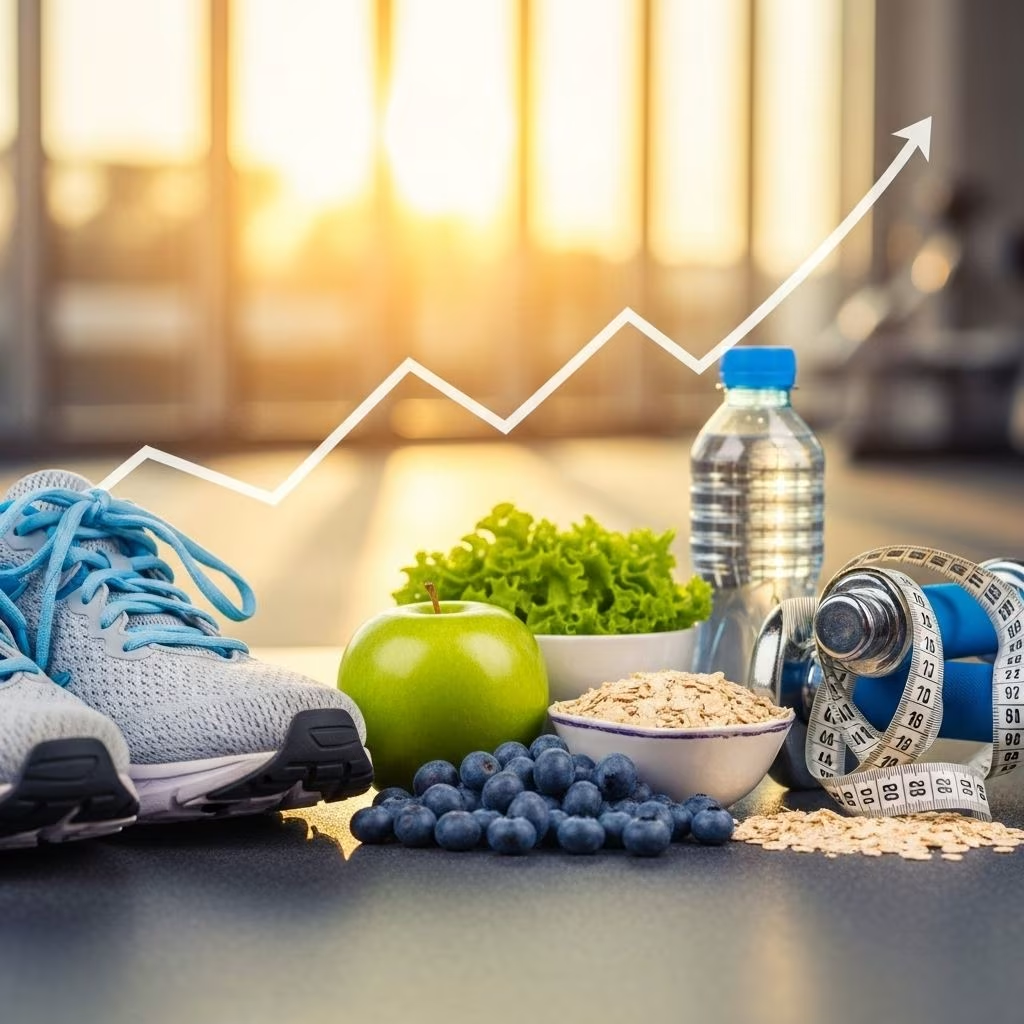
Jump-Start Your Weight Loss: Science-Backed Strategies to Kick Off Success
Shedding excess weight isn’t just about restrictive diets and marathon workouts. The best results come from adopting small, strategic changes that transform both your body and relationship with food. This comprehensive guide presents proven steps, simple swaps, and sustainable habits to help you lose weight, boost your energy, and foster lasting health.
Why Quick Fixes Fail: The Case for Small, Lasting Changes
Most people crave instant weight loss—but “detoxes,” miracle diets, and intense calorie restriction rarely deliver lasting results. Research consistently shows that gradual, sustainable changes in habits yield the most significant and long-lasting success . Dietitian and psychology experts agree: the so-called all-or-nothing approach is not only unsustainable but also psychologically damaging, often resulting in yo-yo dieting.
- Highly restrictive diets often lead to early weight loss but result in rebound weight gain once normal eating resumes.
- Adopting a few positive habits at a time makes lifestyle changes more manageable and ingrained.
- Lasting transformation hinges on patience, consistency, and self-compassion.
Start with “one or two changes,” such as increasing water intake or moving five extra minutes daily, before gradually adding new habits .
Find Your True Motivation and Set Realistic Goals
The foundation of successful weight loss is personal motivation—a meaningful reason beyond the number on the scale. Effective goal setting cultivates sustained drive and satisfaction:
- Reflect on the ‘why’—Is it to improve your blood pressure? Be more active with your family?
- Set clear, realistic short-term and long-term goals (e.g., lose 5 pounds in two months, walk 30 minutes daily).
- Reward yourself with non-food treats for reaching milestones (new workout clothes, a movie night, etc.).
Those with a well-defined, personal goal are far less likely to abandon their ambitions during inevitable challenges.
Master the Art of Food Journaling
Keeping a detailed food journal is one of the most powerful tools for self-awareness and accountability . Research demonstrates that tracking everything you eat—meals, snacks, and even beverages—can double your weight loss success.
- Write down all food and drink you consume, including portion sizes and times.
- Notice patterns: Are you eating more at night? Do certain emotions drive snacking?
- Use your journal to spot high-calorie habits and brainstorm healthier swaps (e.g., replace chips with air-popped popcorn).
Even a few days of consistent journaling can reveal surprising habits and provide structure for improvement.
Strategic Diet Changes That Jump-Start Fat Loss
It’s not about rigidly avoiding entire food groups or following extreme plans. Instead, opt for gradual, nutrient-focused improvements:
- Eat more frequently, but keep portions modest—Aim for five smaller meals plus snacks to support metabolism and promote stable energy .
- Prioritize whole, minimally processed foods—Crowd out packaged snacks by replacing chips, cookies, or crackers with fruits, nuts, or yogurt .
- Trim portions of highly processed items—If you regularly eat six processed snacks per week, cut down by one each week until you’re left with only one or two, swapping in healthier options as you go .
- Drink water regularly—Aim for at least six 8-ounce glasses a day. Ice-cold water may slightly boost calorie burn, and hydration often curbs unnecessary snacking.
- Plan ahead—Meal prep, pack healthy snacks, and avoid grocery shopping when hungry to reduce impulse eating.
Sample Day of Balanced Eating:
| Meal | Example | Calories (approx.) |
|---|---|---|
| Breakfast | Oatmeal with berries and nuts | 300 |
| Snack 1 | Apple with peanut butter | 150 |
| Lunch | Quinoa bowl with grilled chicken and salad greens | 350 |
| Snack 2 | Greek yogurt with blueberries | 120 |
| Dinner | Baked salmon, broccoli, brown rice | 350 |
This structure provides steady energy and helps prevent binge-eating triggered by ravenous hunger or unstable blood sugar.
Supercharge Your Metabolism with Smart Habits
- Opt for multijoint, multimuscle exercises—Moves like squats and chest presses burn more calories than single-joint moves like biceps curls .
- Spread out meals and snacks—Frequent smaller meals keep metabolism elevated and support better insulin control, minimizing fat storage .
- Get moving all day—Use a pedometer to track steps and aim to increase daily movement, whether it’s walking, taking stairs, or simple stretches.
- Drink cold water—Some evidence suggests it may slightly enhance calorie expenditure during digestion .
Exercise Smarter, Not Harder: Proven Strategies
Physical activity is vital for effective weight loss—it not only burns calories but preserves muscle, supports mental health, and helps keep weight off long-term. But you don’t need elaborate gym routines or long, grueling workouts:
- Aim for at least 150 minutes of moderate aerobic activity per week (like brisk walking, swimming, cycling) .
- Strength training 2-3 times weekly not only builds muscle but elevates resting metabolism .
- Try interval-based exercise—alternating bursts of effort with rest boosts calorie burn, even after your workout ends.
Ideas to Sneak In More Activity:
- Break up your TV time with mini workouts: do squats, pushups, or jumping jacks during commercial breaks .
- Walk during calls or meetings when possible.
- Host an active social outing—try hiking, cycling, or a dance class instead of sitting at a restaurant.
How to Beat the Weight Loss Plateau
It’s natural for weight loss to stall after early progress. To overcome plateaus:
- Change your workout routine weekly—Swap push-ups for bench presses, or try new cardio exercises to challenge your body .
- Reassess your calorie intake as you lose weight—smaller bodies require fewer calories, so update portions if necessary.
- Track food choices ahead of mealtime—Planning minimizes impulsiveness and keeps you accountable.
- Don’t skimp on rest and recovery—Chronic sleep deprivation and stress can sabotage your metabolism and boost hunger hormones.
Your Fat-Burning Game Plan: Daily and Weekly Success Habits
Every day:
- Wear a pedometer or use a step counter to track activity.
- Eat five small meals of around 300 calories each, prioritizing protein and fiber-rich foods.
- Log your food choices before eating.
- Drink a minimum of six glasses of water—carry a reusable bottle to remind yourself.
3x per week:
- Strength training—choose moves that target multiple muscles (e.g., lunges with bicep curls).
- Keep rest between sets brief (under 20 seconds) to maintain heart rate and calorie burn.
Whenever you exercise:
- Have a small pre-workout snack (fruit and nuts, yogurt, or half a banana).
- Try to exercise before a meal so you fuel your body within 30 minutes post-workout.
- Use a heart rate tracker to ensure you’re working within your optimal cardio zone.
Every week:
- Switch up at least one exercise movement to keep your body adapting (for example, swap out regular squats for sumo squats).
- Plan at least one active fun event: hiking, group fitness class, sports with friends or family.
Frequently Asked Questions (FAQs)
Q: Aren’t all calories equal for weight loss?
A: In principle, weight loss results from burning more calories than you consume. However, the source of calories matters too—protein and fiber-rich foods keep you full longer, limiting overeating and preserving muscle, while high-sugar or highly processed calories tend to spur hunger or cravings .
Q: Why do I stop losing weight after some initial success?
A: As weight drops, your body needs fewer calories. Plateaus are a normal adaptation; overcoming them requires updating your calorie targets, varying your exercise routine, and tracking your intake for subtle eating creep .
Q: How important is it to keep a food journal?
A: Multiple studies show that food journaling enhances weight loss success, mainly through increased awareness and accountability. It identifies eating patterns, reveals triggers, and enables smarter food choices .
Q: Can I lose weight without exercising?
A: Diet changes alone can lead to weight loss, but results plateau faster and muscle loss is more likely. Exercise helps maintain muscle, increases calorie burn, supports mental health, and improves outcomes .
Q: What if I crave unhealthy snacks while watching TV?
A: Instead of mindless snacking, try moving during commercial breaks—march in place, stretch, or do a few bodyweight exercises. If you’re hungry, portion a healthy snack beforehand to avoid overeating .
References & Resources
- Consult with a registered dietitian or healthcare professional before starting any significant dieting or exercise program, especially if you have health conditions or special dietary needs.
- For additional guides, recipes, and sample workout routines, visit reputable organizations such as the Academy of Nutrition and Dietetics and the American Council on Exercise.
References
- https://www.prevention.com/fitness/fitness-tips/a20447187/weight-loss-tips-to-jump-start-your-metabolism/
- https://www.prevention.com/weight-loss/a20505548/small-changes-that-take-off-big-pounds/
- https://www.prevention.com/weight-loss/diets/a63174975/best-diets-for-weight-loss-2025/
- https://www.prevention.com/weight-loss/a20474562/best-weight-loss-exercises/
- https://www.prevention.com/weight-loss/g24805401/fat-burning-foods/
- https://www.prevention.com/weight-loss/a30188568/lose-weight-without-exercise-0/
- https://www.prevention.com/weight-loss/a20465042/lose-weight-over-40/
- https://www.prevention.com/weight-loss/
- https://www.prevention.com/weight-loss/a20500235/intermittent-fasting/
- https://www.prevention.com/weight-loss/diets/a20718413/apple-cider-vinegar-for-weight-loss/


