


Introduction
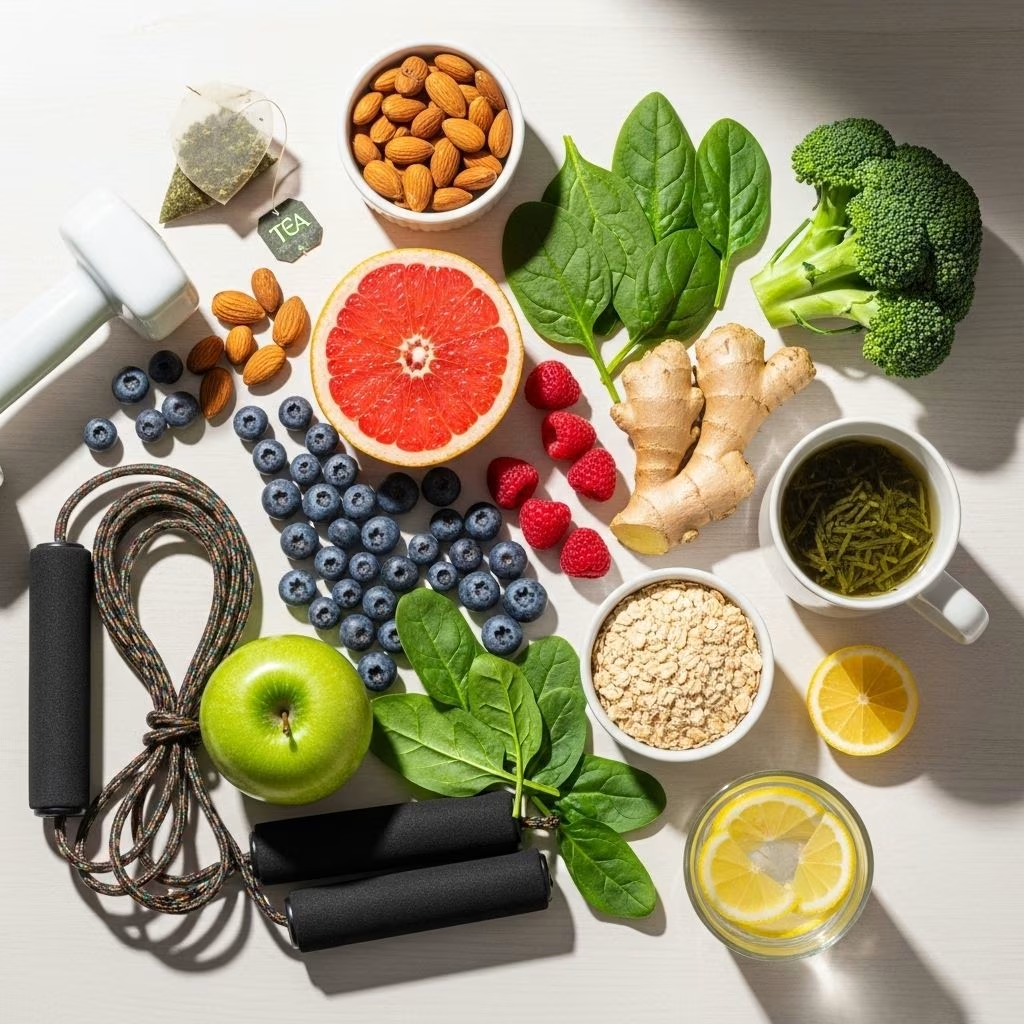
Your metabolism powers every function in your body, from breathing to digesting food and repairing tissues. Optimizing it means you burn more calories at rest, boost daily energy, and support long-term weight management. From diet tweaks to lifestyle hacks, here are 30 simple, research-supported ways to rev your metabolism—naturally.
1. Lift Weights to Build Muscle
Strength training builds lean muscle mass, which burns significantly more calories than fat—even while you’re at rest. Incorporate resistance exercises like squats, lunges, and push-ups two to three times per week to help drive up your basal metabolic rate (BMR).
- Focus on multi-joint exercises to maximize muscle use.
- Progressively increase intensity or weight for continued results.
2. Add Cardio—Especially HIIT
High-intensity interval training (HIIT) is proven to boost metabolism for hours after your workout.
Short bursts of intense exercise—like sprinting, cycling, or rowing—raise your calorie burn more than steady-state cardio, and just 20-30 minutes, 2–3 times per week, is enough.
- Try intervals: Alternate 30 seconds high intensity with 1-2 minutes easier effort.
- Include both running and full-body movements for maximum effect.
3. Make Breakfast a Priority
Eating a balanced breakfast signals your body to start burning energy. Research suggests skipping breakfast can significantly slow metabolism and increase obesity risk.
- Include protein, whole grains, and fruit for sustained energy.
- Avoid sugary cereals or pastries that spike and crash blood sugar.
4. Avoid Late-Night Snacking
Your body is less sensitive to insulin at night, which means carbs eaten late are more likely stored as fat. Eating dinner early and sticking to lighter evening snacks can help keep metabolism running smoothly.
- Choose veggies or a small handful of nuts if you must snack.
- Avoid heavy, carb-rich foods after 7pm.
5. Drink Coffee and Tea
Caffeine acts as a central nervous system stimulant. Studies show coffee can increase metabolism by 5–8%, while brewed tea can boost it by up to 12%—thanks to caffeine and antioxidant catechins.
- Limit sugar and cream in your drinks for optimal effect.
- Green and oolong teas are especially potent for metabolism.
6. Fuel Up with Fiber
Fiber can increase fat burning by up to 30%. Women who eat more fiber tend to gain less weight over time—aim for 25g daily with plenty of fruits, vegetables, beans, and whole grains.
- High-fiber breakfast: oatmeal with berries and nuts.
- Snack on raw veggies, hummus, or whole fruit.
7. Hydrate—Especially with Cold Water
Drinking 48 ounces (about 6 cups) of cold water daily forces your body to expend energy heating it to body temperature, resulting in a slight metabolic boost. Stay hydrated to aid digestion and energy burn.
- Sip water all day; start early and refill often.
- Add lemon or cucumber for flavor—and extra antioxidants.
8. Choose Organic Produce
Exposure to pesticides (organochlorines) can disrupt metabolism and encourage fat storage. Buying organic—especially for produce with higher pesticide residues—may help you avoid these toxins.
- Go organic for peaches, apples, bell peppers, celery, nectarines, strawberries, cherries, lettuce, imported grapes, and pears.
- Wash non-organic fruits and vegetables thoroughly if organic isn’t available.
9. Move Frequently—Don’t Sit Still
Every bit of movement counts. Simple activities like stretching, pacing, standing to talk, or fidgeting can burn an additional 350 calories a day. A sedentary lifestyle slows metabolism, so find opportunities to add motion.
- Set reminders to stand and move every hour.
- Take the stairs, walk instead of drive for short trips, and stretch often.
10. Chew Foods More—Choose Whole Options
The more you chew before swallowing, the more calories you use. Foods in their whole, unprocessed state—apples instead of applesauce, nuts, whole grains, and raw veggies—require more effort and energy expenditure.
- Eat whole fruits and vegetables rather than juices or sauces.
- Include crunchy, chewy foods to increase caloric burn during digestion.
11. Spice Up Your Meals
Capsaicin in hot peppers binds to nerve receptors, signaling the body to burn more fat. Even mild peppers can increase daily expenditure by up to 100 calories. Try harissa, chili, or cayenne for a metabolic kick.
- Add spicy salsa or hot sauce to eggs, soups, and stir-fries.
- Experiment with recipes featuring chili or pepper blends.
12. Get Your Vitamin B12
Vitamin B12 is vital for energy metabolism. Most people get enough from food, but vegans and others avoiding meat, dairy, and eggs may need a supplement.
- Monitor B12 intake if you follow a plant-based diet.
- Consider a daily supplement if you’re at risk.
13. Eat Lean Proteins at Every Meal
Protein requires more energy to digest than fats or carbohydrates, and it can increase the number of calories you burn. Incorporate lean meats, dairy, eggs, beans, and legumes into your diet regularly.
- Include fish, chicken, tofu, or lentils in meals.
- Space protein intake evenly across breakfast, lunch, and dinner.
14. Stand Up More—Reduce Sitting Time
Standing uses more muscles than sitting. Try standing while working, talking on the phone, or watching TV. It all adds up and helps maintain higher metabolic activity.
- Use a standing desk or workspace.
- Do squats or calf raises during breaks.
15. Mix Up Your Exercise Routine
Varying workouts keeps your metabolism guessing and prevents adaptation. Alternate between resistance training, HIIT, cardio, and flexibility sessions for optimal results.
- Rotate running, cycling, weight lifting, and yoga.
- Challenge different muscle groups weekly.
16. Sleep Enough Each Night
Lack of sleep can slow metabolism, increase belly fat, and alter hunger hormones. Aim for 7–9 hours of quality sleep to help body systems recover and restore optimal metabolic rates.
- Keep a regular bedtime and minimize screen time before bed.
- Avoid caffeine late in the day.
17. Snack Smart—Don’t Graze Aimlessly
Frequent snacking can mean excess calorie intake, especially in the evening. Prioritize nutrient-rich snacks when truly hungry; avoid mindless eating out of boredom.
- Choose snacks high in protein and fiber—like Greek yogurt or nuts.
- Pre-portion snacks to avoid overeating.
18. Eat Grapefruit for Breakfast or Snacks
Grapefruit is high in fiber and may help regulate insulin levels, which in turn affects fat-burning efficiency. Add grapefruit segments to your morning routine or pair with cottage cheese for a balanced snack.
- Eat fresh grapefruit, not juice, for the full metabolic effect.
- Monitor for medication interactions.
19. Switch to Coconut Oil in Cooking
Medium-chain triglycerides (MCTs) in coconut oil can increase metabolic rate compared to longer-chain fats. Try using coconut oil for stir-fries or adding a spoonful to smoothies.
- Replace canola or vegetable oil with coconut oil in moderate amounts.
- Balance with heart-healthy fats like olive oil.
20. Add Ginger to Meals
Ginger has compounds that promote digestion and increase thermogenesis—leading to increased calorie burning. Add fresh ginger to smoothies, green juices, or sautéed dishes.
- Grate ginger into stir-fries or salad dressings.
- Brew ginger tea for added warmth and digestive support.
21. Enjoy Mushrooms—Especially Shiitake and Oyster
Certain edible mushrooms may support metabolism due to their anti-inflammatory properties and unique nutrients. Add shiitake and oyster mushrooms to salads, stews, or omelets for extra benefits.
- Roast mushrooms for a savory side dish.
- Add to veggie stir-fries or grain bowls.
22. Pace Yourself—Eat Mindfully and Slowly
Eating slowly gives your body time to register fullness, preventing overeating and the metabolic slowdown that comes with excess caloric consumption.
- Put your fork down between bites.
- Focus on your meal, away from screens and distractions.
23. Add Healthy Fats—But in Moderation
Small amounts of healthy fats like avocado, nuts, seeds, and olive oil provide satiety and help regulate fat-burning hormones. Balance them with lean proteins and whole grains.
- Sprinkle nuts and seeds over yogurt or salads.
- Use olive oil in salad dressings.
24. Keep Stress Levels Low
Chronic stress increases cortisol, a hormone linked to fat storage and metabolic slowdown. Practice relaxation techniques such as deep breathing, meditation, or gentle movement daily.
- Set aside time for daily self-care.
- Try yoga or tai chi to relax body and mind.
25. Don’t Skip Meals
Prolonged fasting or skipping meals can send your body into ‘starvation mode,’ reducing metabolism and energy expenditure. Regular meals keep the system running efficiently.
- Plan meals ahead to prevent long gaps.
- Eat smaller, regular meals if busy.
26. Get Enough Iron
Iron is essential for oxygen transport and cell metabolism. Women in particular may need more; include dark leafy greens, lean meats, and beans regularly.
- Add spinach, lentils, and beef to your weekly menu.
- Pair iron-rich foods with vitamin C to enhance absorption.
27. Try Intermittent Movement Throughout Your Day
Don’t restrict activity to just workouts. Fidget, stretch, stand, and pace whenever possible—it sparks fat burning and keeps major muscle groups engaged.
- March in place or do jumping jacks during TV commercials.
- Pace during phone calls or stand meetings.
28. Reach for Chewy, High-Protein Snacks
Chewy proteins, like jerky or roasted chickpeas, require more energy to digest and help promote satiety.
- Pack turkey jerky or high-protein granola bars for busy days.
29. Keep Meals Colorful and Varied
Diverse foods ensure a full spectrum of vitamins and minerals that optimize metabolism and cell energy production.
- Fill plates with green, red, yellow, and purple vegetables and fruits.
- Alternate protein sources each week for variety.
30. Be Consistent—Stick with It
Metabolic changes require patience. Steady, sustained efforts with these tips will help you foster a revved metabolism and lasting wellness over time.
Frequently Asked Questions (FAQs)
Q: Does metabolism decrease with age?
A: Yes, metabolism slows as you age due to muscle loss and hormonal changes. Strength training and a balanced diet can help offset this decline.
Q: Which foods are best for boosting metabolism?
A: Protein-rich foods, spicy peppers, high-fiber fruits and vegetables, water, and metabolism-promoting spices like ginger have shown benefits.
Q: Can drinking more water really help?
A: Yes, drinking cold water can slightly increase calorie burn, while staying hydrated helps energy conversion and fullness cues.
Q: Is it better to do cardio or strength training?
A: Both types are important—cardio burns calories quickly, while strength training builds muscle for higher resting metabolism. Mixing both gives the best results.
Q: How quickly will I see results from these changes?
A: Some effects, like post-exercise calorie burn, are immediate, while longer-term changes depend on consistency. Stick to new habits for at least 4–6 weeks to notice substantial metabolic improvements.
References
- https://www.prevention.com/food-nutrition/healthy-eating/a65919516/foods-to-boost-metabolism/
- https://www.healthline.com/nutrition/10-ways-to-boost-metabolism
- https://www.prevention.com/weight-loss/a20448151/easy-ways-to-boost-your-metabolism/
- https://www.prevention.com/weight-loss/g20515219/30-simple-ways-to-rev-your-metabolism/
- https://www.prevention.com/weight-loss/a20478794/boost-metabolism-with-the-high-metabolism-diet/
- https://www.prevention.com/weight-loss/a20453969/speed-up-your-metabolism/
- https://www.prevention.com/weight-loss/a20494024/7-essential-metabolism-boosters/
- https://www.piedmont.org/living-real-change/5-ways-to-boost-metabolism
- https://www.prevention.com/food-nutrition/a38055984/how-to-make-your-metabolism-work-at-any-age/
- https://www.prevention.com/weight-loss/a20433141/foods-for-boosting-metabolism/


