


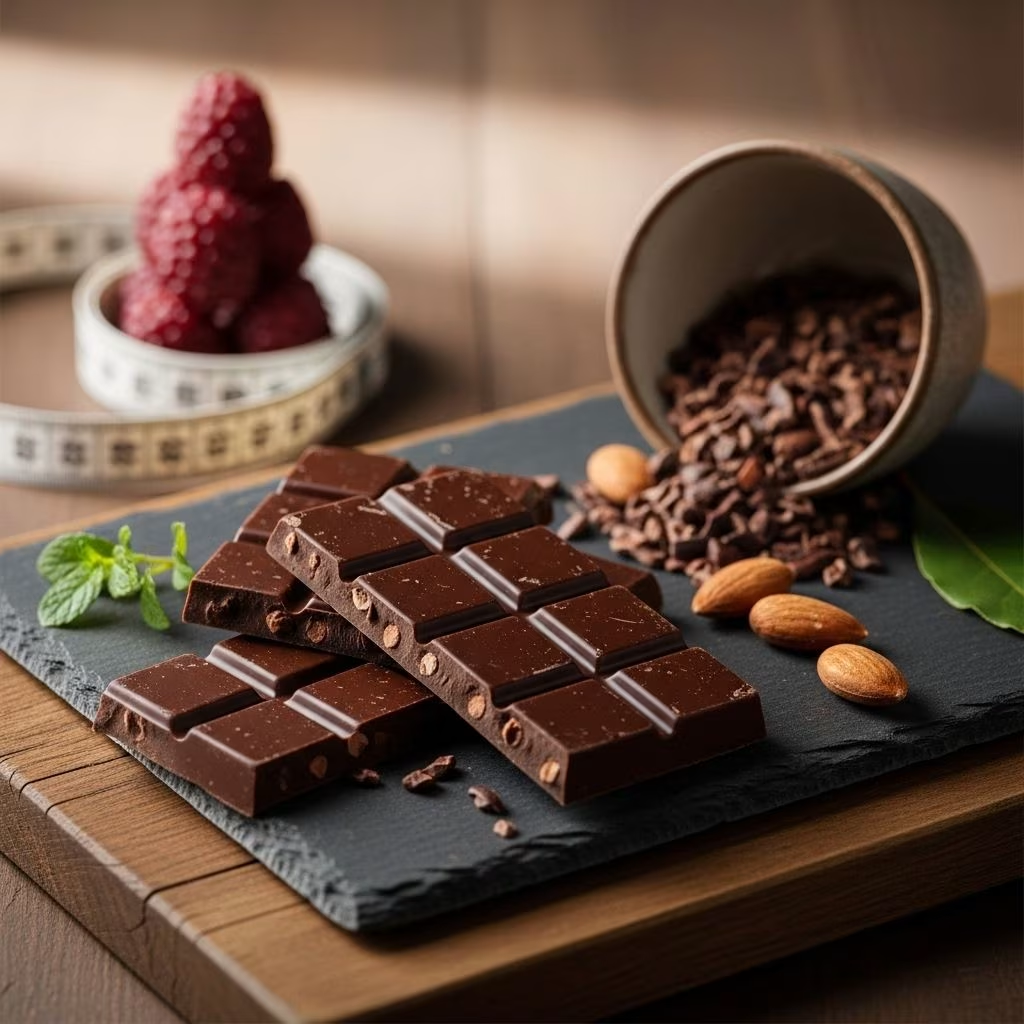
Dark Chocolate and Weight Loss: A Delicious Path to Healthier Habits
Dark chocolate often surprises those seeking weight loss, blending indulgence with possible health benefits. Unlike traditional perceptions of chocolate as empty calories, emerging research and nutritional wisdom reveal that, under the right circumstances, dark chocolate can fit into a weight-conscious lifestyle. This comprehensive guide explores the science, psychological benefits, practical strategies, and frequently asked questions about integrating dark chocolate into your diet for weight management.
What Makes Dark Chocolate Unique?
Not all chocolates are created equal. Dark chocolate distinguishes itself by containing a higher percentage of cocoa (generally 70% or more), less sugar, and a robust profile of antioxidants, specifically flavanols. The difference is vital:
- Dark chocolate: High in cocoa solids, rich in antioxidants and lower in added sugar.
- Milk chocolate: Lower cocoa content, higher in sugar and fat.
- White chocolate: Contains no cocoa solids—primarily cocoa butter and sugar.
Opting for high-quality dark chocolate not only means enjoying a more intense flavor but also unlocking potential health-related benefits, particularly regarding weight control and metabolic health.
How Dark Chocolate Supports Weight Loss
Several mechanisms have been identified through studies and nutritional analysis to explain how dark chocolate may assist in managing weight.
Reduces Cravings and Appetite
One of the most direct ways dark chocolate assists in weight management is curbing cravings. Studies show:
- The aroma and taste of dark chocolate can reduce hunger and lower ghrelin levels—the hormone that signals your body to eat.
- Eating dark chocolate leads to greater satiety than milk chocolate, helping people feel fuller and consume fewer calories in subsequent meals.
- By replacing sugary treats with a small portion of dark chocolate, many find it easier to control impulsive snacking.
Improves Insulin Sensitivity and Metabolic Health
Dark chocolate is rich in flavanols and other polyphenols, compounds known to positively impact metabolism:
- Improved insulin sensitivity means the body can manage blood sugar more effectively, potentially reducing fat storage and the risk of type 2 diabetes.
- Certain studies link dark chocolate consumption with lowering insulin resistance and optimizing blood sugar control, both important for weight management.
Mood Enhancement and Weight Loss
Weight loss is not just a physical journey; it is deeply psychological. The mood-lifting properties of dark chocolate may play a role in adherence to healthier habits:
- Dark chocolate has been shown to reduce stress and improve feelings of well-being, thanks to its ability to lower cortisol (the stress hormone) and promote positive neurotransmitters such as serotonin.
- People with improved mood tend to stick to their weight loss goals more effectively and are less likely to engage in stress-eating.
Antioxidants, Inflammation, and the Gut
Additional scientific findings suggest:
- The antioxidant content in dark chocolate (especially flavanols) helps reduce systemic inflammation—a key contributor to obesity and metabolic disorders.
- Dark chocolate may act as a prebiotic, supporting healthy gut bacteria, which is increasingly recognized as central to weight management and metabolic health.
The Science Behind Chocolate’s Weight Loss Effects
It’s important to examine what peer-reviewed research has discovered about dark chocolate’s impact on body weight and metabolic markers:
| Potential Benefit | Scientific Finding |
|---|---|
| Improved insulin sensitivity | Regular consumption linked with better glucose uptake and reduced blood sugar spikes, supporting weight control. |
| Reduced appetite and snacking | Participants consuming dark chocolate reported lower hunger and calorie intake at subsequent meals vs. milk chocolate. |
| Cortisol and stress mitigation | Frequent, moderate consumption lowers cortisol, which is tied to abdominal fat accumulation. |
| Antioxidant and anti-inflammatory impact | Flavanols fight oxidative stress and inflammation, both linked to weight gain and chronic illness. |
| Gut microbiome support | Acts as a prebiotic, fostering beneficial bacteria that aid in metabolism and healthy digestion. |
It’s vital to note that while these mechanisms provide exciting potential benefits, not every study observes significant weight loss from chocolate alone. The benefits are most consistent when dark chocolate is part of a calorie-controlled, balanced diet.
What Is the Ideal Amount of Dark Chocolate?
To enjoy benefits without sabotaging weight loss efforts, portion control is essential. Recommendations include:
- 1–2 ounces (approximately 28–60g) daily is a reasonable serving, depending on your calorie needs.
- Choose dark chocolate with at least 70% cocoa content to maximize antioxidants and limit added sugar.
- Avoid varieties with high sugar, fillers, or hydrogenated oils.
Even high-quality dark chocolate contains calories and fat—a 1-ounce square typically has 150–170 calories and 9g fat—so moderation is vital.
Possible Downsides and Considerations
Despite its benefits, there are important caveats about including dark chocolate in your weight loss plan:
- Caloric density: Excessive consumption can add up quickly, leading to weight gain if not accounted for in total calorie intake.
- Hidden sugars: Not all dark chocolate is healthy; some brands add significant sugar. Be a label detective.
- Caffeine content: Sensitive individuals may be affected by the moderate amount of caffeine in dark chocolate.
- Allergies and intolerance: Some individuals may react to certain additives or theobromine, a natural stimulant in cocoa.
Incorporate dark chocolate as a mindful treat, not a staple food group. Adjust portion size within your personal calorie budget, and focus on its role as an occasional reward rather than a daily necessity if weight loss is a top priority.
Smart Strategies for Including Dark Chocolate
- Use chocolate to curb sweet cravings—replace pastries and candy with a square of dark chocolate for dessert.
- Pair with healthy foods, like fruit or nuts, to promote satiety and add nutrients to your snack.
- Be ritualistic and mindful—savor your chocolate, eat it slowly, and make it a rewarding break.
- Count it in your daily calories to prevent accidental overeating.
Many people report that thoughtfully included dark chocolate helps them stick to healthy routines by reducing feelings of deprivation and improving mood.
Dark Chocolate vs. Other Chocolates: A Nutritional Comparison
| Type | Cocoa Content | Added Sugar | Antioxidant Level | Calories (per oz) |
|---|---|---|---|---|
| Dark Chocolate (70%+) | High | Low | Very High | ~155 |
| Milk Chocolate | Medium | High | Lower | ~150 |
| White Chocolate | None | Highest | Minimal | ~150 |
Dark chocolate clearly provides the most nutritional value with respect to antioxidants and minimal added sugar, provided you select varieties with high cocoa content.
Frequently Asked Questions About Dark Chocolate and Weight Loss
Is dark chocolate good for weight loss?
Eating moderate amounts of dark chocolate may help reduce appetite, improve insulin sensitivity, and support a balanced metabolism when part of a calorie-controlled diet. However, it is not a magic bullet and should be paired with regular exercise and healthy eating habits.
How much dark chocolate can I eat a day?
A daily serving of 1–2 ounces (28–60g) of dark chocolate with 70% or higher cocoa content is considered safe for most people within their calorie needs. Exceeding this amount may hinder weight loss due to extra calories and fat.
Does the type of chocolate matter?
Yes. Only dark chocolate with high cocoa and low sugar provides potential health and weight benefits. Milk and white chocolates are higher in sugar and offer fewer benefits.
Does dark chocolate boost metabolism?
Some studies suggest certain compounds, such as theobromine and flavanols, can modestly boost metabolism and fat oxidation. However, the effect is relatively small and not a replacement for exercise or a healthy diet.
Can I eat dark chocolate if I’m diabetic or pre-diabetic?
High-quality dark chocolate in small portions may be suitable for those managing blood sugar, thanks to improved insulin sensitivity—but always consult a healthcare professional to tailor advice to your unique health profile.
Tips for Choosing and Enjoying Dark Chocolate for Weight Loss
- Select bars with at least 70% cocoa or higher to maximize antioxidant intake and minimize sugar.
- Check the ingredient list: The best dark chocolate should contain cocoa mass, cocoa butter, and little else.
- Avoid unnecessary additives: Steer clear of bars with trans fats, high-fructose corn syrup, or artificial flavors.
- Practice mindful eating: Savor one square slowly for maximum satisfaction.
- Store chocolate in a cool, dry place to preserve flavor and texture.
The Verdict: A Sweet Tool—Not a Miracle Cure
Dark chocolate offers a blend of pleasure and practicality for those seeking a healthier relationship with food and effective weight management. While it is not a standalone solution for weight loss, it can reduce cravings, enhance mood, lower stress, and provide valuable antioxidants when enjoyed mindfully and in the proper context.
Like any enjoyable food, moderation, quality, and self-awareness are essential. Use dark chocolate as an occasional treat to make your journey to better health more sustainable, happy, and satisfying.
References
- https://www.healthline.com/nutrition/dark-chocolate-weight-loss
- https://www.zotterusa.com/is-chocolate-healthy-for-your-weight-loss-resolution/
- https://pmc.ncbi.nlm.nih.gov/articles/PMC7760201/
- https://pmc.ncbi.nlm.nih.gov/articles/PMC9589144/
- https://health.clevelandclinic.org/dark-chocolate-health-benefits
- https://stvincents.org/about-us/news-press/news-detail?articleId=34183&publicid=395


