


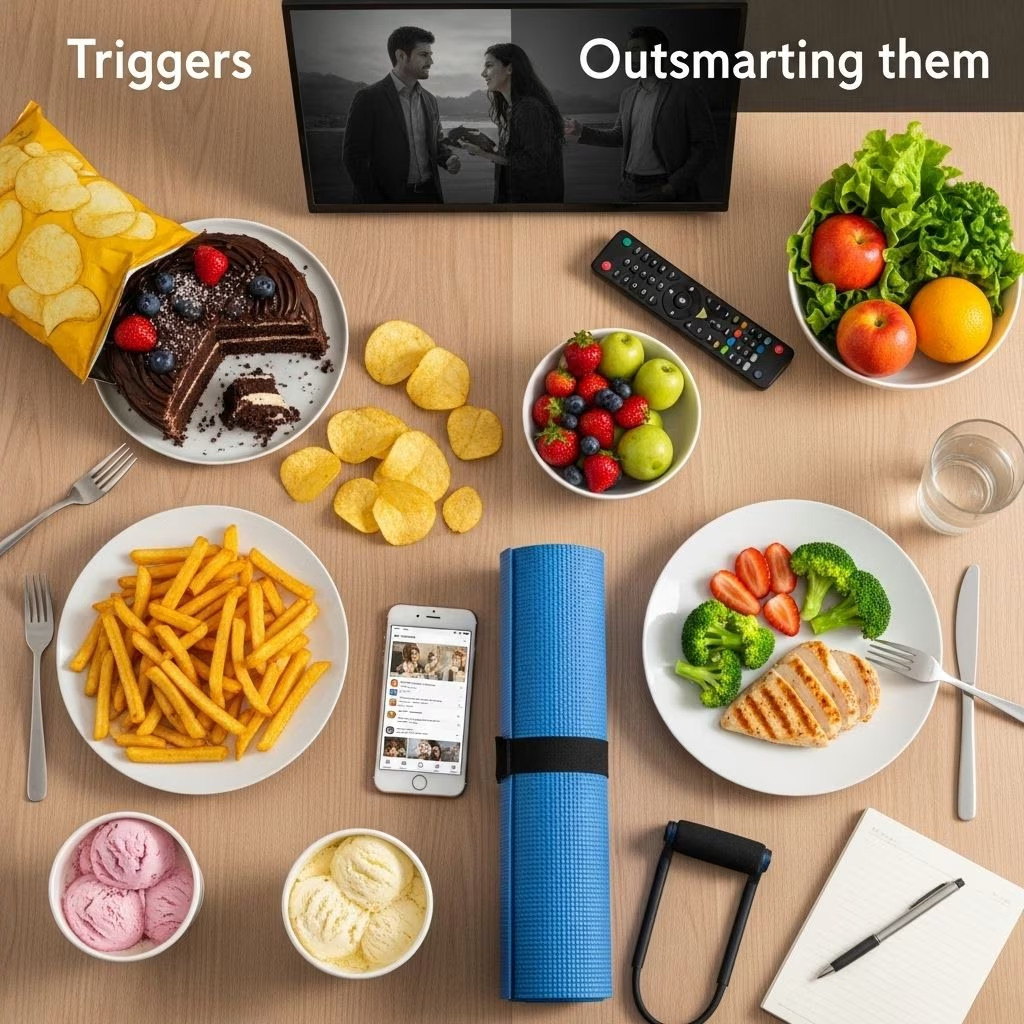
Overeating isn’t always a matter of lack of willpower. For many of us, it’s a response to a complex web of emotional cues, environmental factors, and daily habits that nudge us to eat more than our bodies actually need. Understanding what drives you to reach for that extra serving—or that bag of chips when you’re not even hungry—can be life-changing. Below, we’ll explore the five most common triggers that cause people to overeat and provide actionable tactics to break free from these patterns for good.
Why Understanding Overeating Triggers Matters
Our eating behaviors are rarely random. They are often influenced by routines, moods, and even the people we spend time with. While enjoying food is a vital part of life, regular overeating can undermine your health, leading to weight gain, metabolic imbalances, and emotional distress. By identifying your eating triggers, you can start to make intentional decisions and foster a healthier relationship with food.
The 5 Most Common Overeating Triggers
Let’s delve into the five key triggers that commonly prompt overeating—and actionable strategies to help you regain control.
1. Emotional Eating: Using Food as Comfort
Perhaps the most frequently cited reason for overeating is emotional distress. Whether it’s sadness, boredom, loneliness, or even excitement, emotions can push you towards food as a coping mechanism. This type of eating is rarely about true physical hunger—instead, it’s an attempt to soothe uncomfortable feelings.
- Recognize the Pattern: Emotional eating often strikes when you’re feeling stressed, anxious, or overwhelmed. Cravings tend to focus on high-carb, high-fat “comfort foods,” such as ice cream, pizza, or cookies.
- What Happens Biologically? Emotional highs and lows can lead to the release of cortisol, a hormone that increases appetite and cravings for sugary, fatty foods. This response creates a loop, where food temporarily relieves emotional pain but can cause guilt and further emotional eating.
- Smart Solutions:
- Practice mindful awareness: When a craving hits, pause and assess what you’re feeling.
- Seek non-food comfort: Try journaling, talking to a friend, or engaging in a relaxing hobby to manage emotions.
- Create a “comfort plan”: List out non-food-related activities that help you manage stress and keep the list visible.
2. Stress: The Hormonal Trigger
Modern life is often stressful—and for many, eating becomes a way to self-soothe. Persistent stress can send your cortisol levels skyrocketing, making you crave foods high in sugar and fat. This isn’t just a mental challenge; it’s a physical reaction born from our evolutionary past, where stress signaled a need to refuel for fight or flight.
- How Stress Impacts Eating: Chronic stress increases “hunger hormones” like cortisol and ghrelin, pushing the body to eat—even if you’re not physically hungry. Stress also reduces willpower, making it harder to resist tempting foods.
- Strategies for Success:
- Identify stressors and manage them proactively—consider meditation, breathing exercises, or simple stretching breaks.
- Keep healthy snacks within reach for stressful moments, like raw nuts or sliced fruit, to curb less healthy urges.
- Build physical activity into your day—exercise is a proven stress reliever and can dramatically reduce stress-eating episodes.
3. Environmental and Social Cues
Your surroundings and social situations can have a surprisingly powerful influence on how much you eat. From endless buffets to TV snacking or even gatherings where food is the center of attention, environmental cues can prompt overeating—often without us realizing it.
- Common Environmental Triggers: Open snack jars, constant food advertisements, dinner parties, and even certain friends or family members who unconsciously pressure you to eat more.
- The Social Factor: When we’re eating with others, we may unconsciously match their pace or portions, leading to accidental overeating.
- Countermeasures:
- Serve yourself on smaller plates to naturally control portions.
- Decide in advance what—and how much—you’ll eat at parties or gatherings.
- When eating out, look at menus online first and plan a balanced meal; avoid mindless eating by engaging in conversation and eating slowly.
4. Distracted Eating: Multitasking Gone Wrong
Many of us eat while doing other tasks—watching TV, scrolling on phones, working, or driving. Distraction prevents you from fully registering how much you’ve eaten, leading to extra portions and missed fullness cues.
- Why This Happens: Multitasking overrides our innate ability to recognize satiety. Without giving the meal your full attention, you can easily eat well past fullness—sometimes not remembering what you even ate.
- Mindful Eating Habits:
- Create a designated eating space—keep meals away from workstations or electronics.
- Take the time to savor each bite: Notice texture, flavor, and aroma.
- Put down your utensils between bites and check in with your hunger a few times per meal.
5. Dieting, Skipped Meals, and Food Restriction
It might sound counter-intuitive, but restrictive diets and skipped meals can set you up for rebounds of intense hunger and, ultimately, overeating. Dramatic calorie cuts or skipping meals disrupt your metabolic rhythm and heighten the appeal of previously “forbidden” foods.
- The Science: Skipping meals or extreme diets lower your blood sugar and boost cravings, often culminating in a cycle of deprivation and binging. When your body senses restriction, it may prompt you to eat more than you otherwise would.
- How to Avoid This Trap:
- Eat regular, balanced meals—focus on protein, fiber, and healthy fats to stay satisfied.
- Don’t villainize favorite foods; allow yourself treats in moderation. Deprivation can make them more appealing and binge-worthy later.
- Plan snacks and meals around your schedule so you avoid going long periods without eating.
How to Identify Your Personal Overeating Triggers
While these five triggers are widespread, everyone experiences them uniquely. To truly gain control, it’s vital to recognize your own patterns:
- Keep a food and mood journal: Document what you eat, when you eat, and your emotional state before and after eating. Patterns can reveal surprising triggers.
- Note the environment: Are you more likely to snack at work, during TV time, or at family events?
- Pay attention to timing: Do you tend to overeat at night, after a stressful day, or right before bed?
Awareness is the first step—without judgment, simply becoming conscious of these connections puts you in a stronger position to change them.
Expert Strategies for Breaking the Cycle
- Commit to slow, mindful eating. Put away screens, chew thoroughly, and try to make meals a peaceful ritual whenever possible.
- Plan ahead. Stock up on healthy snacks and plan your meals (and treats) to prevent hunger-driven splurges.
- Practice self-forgiveness. Everyone overeats sometimes. Instead of dwelling on guilt, use each instance as feedback to refine your approach.
- Set realistic goals. Focus on incremental changes in habits rather than aiming for perfection.
- Build a support system. Share your goals with a trusted friend or support group—accountability can help you stay on track.
Frequently Asked Questions (FAQs)
Q: Are certain foods especially likely to trigger overeating?
A: Yes, studies show that foods high in sugar, unhealthy fats, and salt—like chips, cookies, cakes, and sodas—can be particularly “hyperpalatable,” meaning they are engineered to be irresistible and can override your natural satiety cues.
Q: Can stress really make me eat more, even if I’m not hungry?
A: Absolutely. Chronic stress can raise cortisol and other hormones that increase cravings and appetite even when you’re not physically in need of food.
Q: How does distracted eating lead to overeating?
A: Distractions such as watching TV or working during meals can prevent you from recognizing signs of fullness, making it easier to consume more food.
Q: What should I do if I can’t avoid my triggers, like frequent work events?
A: When avoidance isn’t possible, plan ahead: eat a healthy snack beforehand, set boundaries for portions, and engage in conversations to stay mindful of your intake.
Q: I keep trying to restrict calories but end up binging. How can I stop this cycle?
A: Extreme restriction can make your body more vulnerable to rebound overeating. Try shifting to balanced, regular meals, allowing moderate treats, and focusing on sustainability rather than short-term restriction.
Table: Quick Guide to Outsmarting Each Overeating Trigger
| Trigger | Common Scenario | Winning Strategy |
|---|---|---|
| Emotional Eating | Eating in response to sadness or boredom | Pause and seek comfort outside of food, such as talking with a friend |
| Stress | Craving sweets after a tough day | Practice deep breathing, exercise, or meditation to manage stress |
| Environmental Cues | Eating more at parties or with certain friends | Use smaller plates, plan meals/snacks, and practice mindful eating |
| Distraction | Snacking during TV or computer use | Create a screen-free eating zone, focus on each bite |
| Food Restriction | Skipping meals leading to late-night binges | Eat regular, satisfying meals, allow all foods in moderation |
Takeaway: Cultivate Awareness, Then Take Action
Learning to spot the cues that trigger overeating is not just about self-control—it’s about self-discovery. By identifying your personal patterns, developing mindful eating strategies, and setting practical goals, you can break free from the habits that keep you stuck. With patience, planning, and self-compassion, you’ll be equipped to make lasting changes for better health and a more peaceful relationship with food.
References
- https://www.piedmont.org/living-real-change/foods-that-trigger-overeating
- https://www.health.harvard.edu/staying-healthy/why-stress-causes-people-to-overeat
- https://www.teladochealth.com/library/article/managing-triggers-to-avoid-overeating
- https://www.healthline.com/nutrition/how-to-stop-overeating
- https://my.clevelandclinic.org/health/diseases/24680-overeating
- https://www.eatingdisorderhope.com/treatment-for-eating-disorders/eating-disorder-hotlines
- https://pmc.ncbi.nlm.nih.gov/articles/PMC5403578/
- https://www.mdanderson.org/cancerwise/what-happens-when-you-overeat.h00-159775656.html
- https://www.mayoclinic.org/diseases-conditions/binge-eating-disorder/symptoms-causes/syc-20353627


