


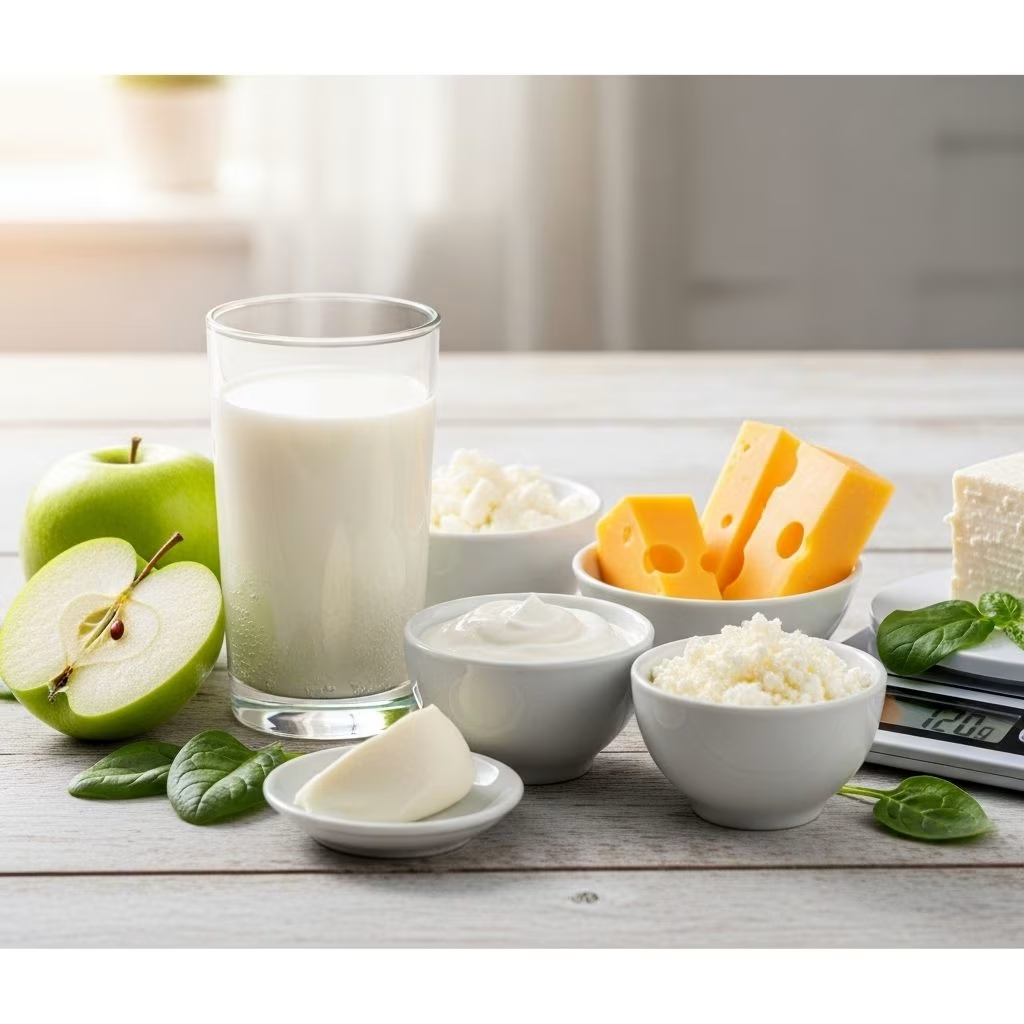
Can Dairy Help With Weight Loss? Unpacking the Science and Real-World Advice
For years, dairy products have sparked heated debates in weight loss circles. Some claim they are weight loss superfoods; others warn they lead to weight gain. So, what does the research say about how dairy impacts your body and your health goals?
This article dives deep into the science behind dairy and fat loss, reviews key studies, and offers practical guidance for including dairy in a healthy weight loss plan. Whether you’re lactose-tolerant or on the fence about cheese, yogurt, or milk, read on for actionable insights backed by research.
What Does the Evidence Say? Dairy and Weight Loss
Recent meta-analyses of randomized controlled trials have examined whether increased dairy intake can enhance body weight and fat loss—especially when combined with calorie restriction.
- Greater weight and fat loss: Studies show that consuming 2 to 4 servings daily of dairy foods or supplements, as part of a calorie-reduced diet, can lead to greater reductions in body weight (roughly 1.1 kg or 2.4 lbs more) and body fat (about 1.4 kg or 3.1 lbs more) compared to low-dairy diets over periods of 8–24 weeks.
- Most benefits are short-term: The weight and fat loss benefits appear strongest in energy-restricted (i.e., calorie-controlled) diets and over the short term (less than one year). Over the long term, this effect weakens or may even reverse.
- Preservation of lean muscle: Dairy intake during weight loss may help prevent the loss of lean muscle mass, which often accompanies fat loss diets.
Key takeaway: Dairy can support weight and fat loss if included in a calorie-controlled diet, but is not a magic bullet by itself.
How Could Dairy Help Burn Fat? Proposed Mechanisms
While the exact ways dairy influences fat loss are still under investigation, researchers have proposed several mechanisms:
- Calcium may influence fat metabolism: Higher calcium intake from dairy is thought to bind fatty acids in the gut, reducing their absorption. Calcium might also suppress hormones that promote fat creation and storage.
- Protein supports satiety and muscle mass: Dairy products are rich in high-quality protein, which increases satiety (feeling of fullness) and can help preserve muscle during dieting.
- Bioactive compounds: Dairy contains compounds that might influence how the body breaks down or stores fat, including certain peptides and fatty acids.
The Types of Dairy Matter: Whole-Fat vs. Low-Fat
Not all dairy products are the same when it comes to weight loss potential:
- Whole-fat dairy: Recent research challenges the old belief that low-fat is always better. Some observational studies have even linked whole milk intake to lower body weight and reduced obesity risk, possibly due to increased satiety—meaning you feel fuller and may end up eating fewer calories overall.
- Low-fat or non-fat dairy: These choices are still lower in calories. If weight loss is your main goal and you have trouble controlling portion sizes, these can help keep total caloric intake down.
- Fermented dairy: Yogurt and kefir, which contain probiotics, may offer additional health benefits that support digestive health as well as weight regulation.
- Cheese: Cheese is energy dense but high in protein and calcium. Portion control is especially important for weight loss.
Expert opinion: There’s no universal answer; the healthiest choice may depend on personal tolerance, calories, and your overall diet quality.
Dairy and Body Composition: Beyond the Scale
Dairy’s effect is not just about what the scale shows. Multiple studies point to benefits for body composition—that is, the proportions of fat, muscle, and bone in your body:
- Fat loss vs. muscle loss: Dieters typically lose both fat and muscle mass. Higher dairy and protein consumption during weight loss seems to favor fat loss and better preservation of muscle, which keeps metabolism higher.
- Impact on trunk fat: Research suggests that the extra fat lost when including dairy in calorie restriction tends to come mostly from trunk (abdominal) fat, which is more closely linked to metabolic health issues.
This combination of losing more fat, especially from the belly area, while sparing lean tissue, is ideal for those focused on health and not just the number on the scale.
What About Long-Term Use and Different Populations?
While short-term studies are promising, the evidence for long-term, sustained weight loss from dairy is weaker:
- Short-term effects are stronger: Most benefits are seen in studies lasting less than a year, especially when paired with caloric restriction.
- Possible weight gain in long-term, non-restricted studies: When calorie intake isn’t managed, some data suggest dairy, especially full-fat, might slightly increase weight over time. Portion control and overall calorie balance are still crucial.
- Men vs. women: The majority of research participants have been women, so more studies in men are needed to fully understand the effects.
- Lactose intolerance: Those who are lactose intolerant or allergic need to choose lactose-free dairy products or fortified plant-based alternatives.
How Much Dairy Should You Eat for Weight Loss?
Most studies that reported benefits used 2–4 servings per day of milk, yogurt, or cheese as part of a calorie-controlled diet. This amounts to:
- 1 cup milk or yogurt = 1 serving
- 1.5 ounces natural cheese = 1 serving
- 2 ounces processed cheese = 1 serving
Check food labels for caloric values and make sure your total intake fits your calorie target.
How to Include Dairy in a Healthy Weight Loss Diet
To maximize the potential benefits of dairy for fat loss, focus on quality, portion control, and pairing with other healthy foods:
- Choose a mix of whole and low-fat dairy, depending on your satiety and caloric needs.
- Include high-protein options like Greek yogurt, cottage cheese, and reduced-fat hard cheeses.
- Password with fresh fruits, vegetables, whole grains, and lean proteins.
- Opt for plain, unsweetened options to avoid added sugars, especially in yogurts and flavored milks.
- Monitor your body’s response—if you feel bloated or have digestive distress, consider lactose-free choices or consult with a dietitian.
Common Myths About Dairy and Weight Loss
- Myth #1: Dairy always contributes to weight gain. When consumed as part of a calorie-controlled diet, dairy may actually boost fat loss and prevent muscle loss.
- Myth #2: Low-fat is always the healthiest choice. Full-fat dairy can support satiety and may reduce obesity risk in some people, though calories still count.
- Myth #3: You need to avoid dairy completely to lose weight. Unless you’re allergic or intolerant, most can safely include moderate dairy in a healthy diet.
Dairy Alternatives: What If You Can’t Tolerate Dairy?
If you are lactose intolerant, vegan, or simply dislike dairy, plant-based substitutes (such as fortified soy, almond, or oat milks) can provide essential nutrients. However, check for adequate protein and calcium content, as many plant-based milks are lower in these nutrients.
If weight loss is your aim, choose unsweetened versions and compare nutritional labels. Some alternatives are higher in added sugars or oils.
A Quick-Reference Table: Dairy Types and Their Weight Loss Impact
| Dairy Type | Protein | Fat Content | Satiety | Notes |
|---|---|---|---|---|
| Whole Milk | Moderate | High | High | May help with satiety and weight maintenance |
| Low-Fat/Skim Milk | Moderate | Low | Moderate | Fewer calories; less filling than whole milk |
| Greek Yogurt | High | Varies | High | Strained for extra protein; low sugar versions best |
| Hard Cheese | High | High | High | Can be calorie-dense; portion control needed |
| Plant-Based Milks | Low-Moderate | Varies | Low-Moderate | Check protein/calcium; unsweetened versions best |
What To Watch Out For: Potential Risks and Downsides
- Some people experience lactose intolerance or milk allergies. Choose lactose-free, goat, or plant-based products if needed.
- Added sugars in flavored yogurts, milks, and desserts can sabotage your goals. Read nutrition labels carefully.
- Full-fat products provide more calories per serving. Pay attention to portion size to avoid unintended weight gain.
Frequently Asked Questions (FAQs)
Q: Will dairy help everyone lose weight?
A: Dairy may provide a modest boost to fat and weight loss in calorie-controlled diets, but its effect varies based on individual metabolism, overall diet, and physical activity.
Q: Should I choose whole milk or low-fat for weight loss?
A: Either can fit in a healthy diet. Whole milk might promote fullness, while low-fat is lower in calories. Choose the version that best matches your calorie needs and satiety preferences.
Q: Does eating more cheese mean faster fat loss?
A: Not necessarily. Cheese is calorie dense, so excessive portions can counteract your goals. Include small, satisfying amounts as part of a balanced diet.
Q: How much dairy is safe to consume daily?
A: Up to 2–4 servings per day has been shown to be safe and effective for most healthy adults in clinical studies, as long as total calories are controlled.
Q: Can plant-based milks help with weight loss as much as dairy?
A: Fortified, protein-rich options (such as soy milk) may have similar benefits, but many plant-based milks are low in protein and less satiating compared to dairy.
Final Tips for Including Dairy in a Weight Loss Journey
- Track your portions and check labels for hidden sugars or added fats.
- Prioritize high-protein choices for better satiety and muscle preservation.
- Balance your meals with plenty of vegetables, whole grains, and lean proteins.
- If you experience digestive symptoms, try lactose-free or lower-lactose options.
- Remember, dairy isn’t magical, but as part of a calorie-controlled, nutrient-dense diet, it can be a helpful ally for fat loss and long-term health.
References
- https://pmc.ncbi.nlm.nih.gov/articles/PMC4963870/
- https://pmc.ncbi.nlm.nih.gov/articles/PMC3441106/
- https://www.nature.com/articles/0802878
- https://hsph.harvard.edu/news/full-fat-dairy-may-reduce-obesity-risk/
- https://www.news-medical.net/news/20241120/Rethinking-dairy-Whole-milk-tied-to-healthier-weight-profiles.aspx
- https://www.health.harvard.edu/blog/dairy-health-food-or-health-risk-2019012515849


