


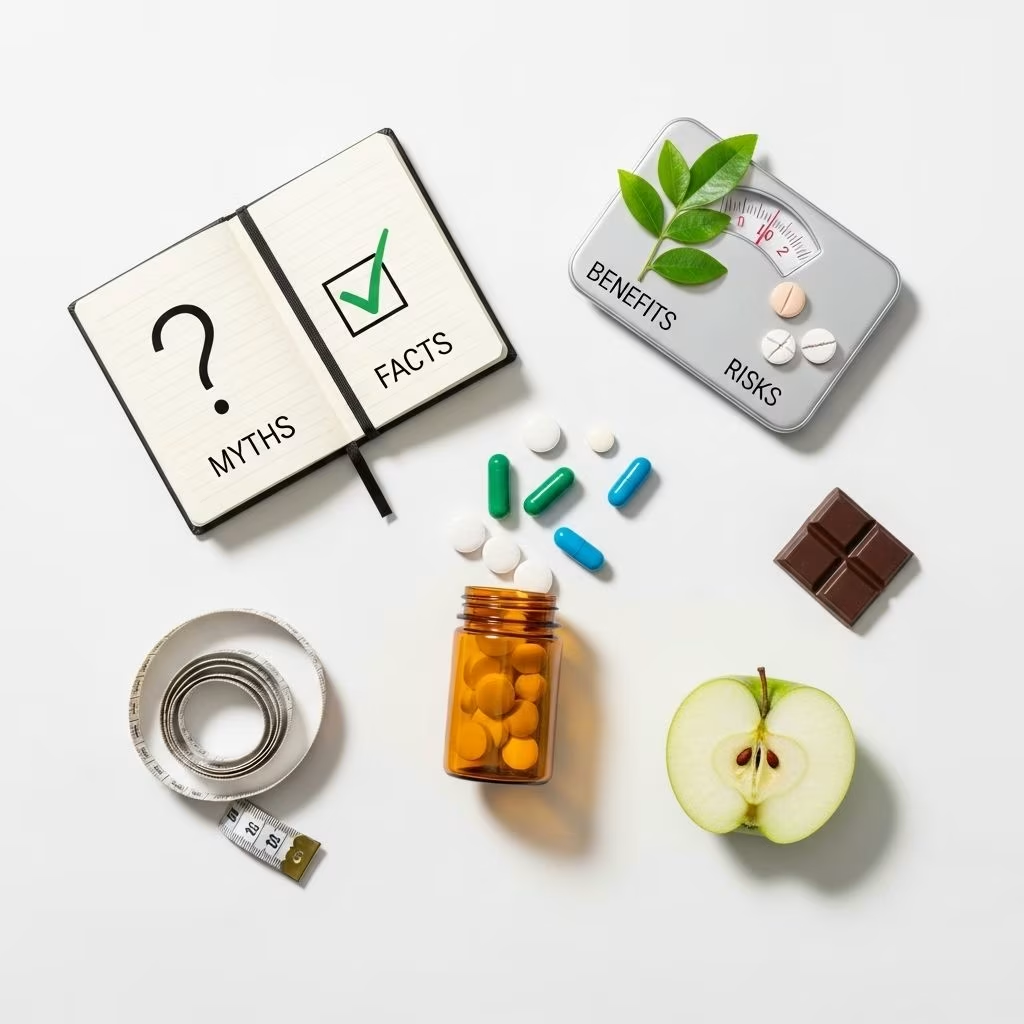
Diet Pills: Myths, Facts, Benefits and Risks Explored
Diet pills have long promised easy and dramatic weight loss, making them a popular—if controversial—topic in the journey toward a healthier body. But what do we actually know about these pills? Are they safe, effective, or even necessary for lasting results?
This article will take you through the science behind diet pills, address common myths, spotlight prescription medications versus supplements, explore their safety, and share expert-backed alternatives for sustainable weight management.
The Allure (And Danger) of Quick-Fix Diet Pills
From magazine ads to online influencers, diet pills are everywhere. Many products claim to “melt” fat, “blast” calories, or suppress your appetite. The main reasons people turn to them include:
- Desire for fast weight loss without rigorous diet or exercise changes
- Promised “effortless” results
- Frustration with slow progress on traditional diets
However, the promise of rapid results can be misleading and even dangerous. Some pills contain unregulated ingredients, make unsupported claims, or pose serious health risks that are far worse than the number on the scale.
Supplements vs. Prescription Drugs: Two Very Different Worlds
Not all diet pills are created equal. It’s crucial to distinguish between prescription weight loss medications—which undergo years of rigorous testing and regulation—and dietary supplements, which are largely unregulated.
| Type | Regulation | Evidence | Risks |
|---|---|---|---|
| Prescription Weight Loss Drugs | FDA approved, tested for safety/efficacy | Numerous clinical trials | Can have side effects, require prescription, not for everyone |
| Dietary Supplements | Not FDA approved for weight loss; little regulation | Often weak or insufficient evidence | Health risks, contamination, unproven claims |
How Prescription Weight Loss Drugs Work
The safest, most effective diet pills are actually FDA-approved prescription medications. According to a major study published in the Journal of the American Medical Association, five main medications are supported by substantial evidence for moderate weight loss in overweight and obese adults:
- Orlistat (Alli, Xenical) – Prevents absorption of some dietary fat
- Phentermine-topiramate (Qsymia) – Suppresses appetite and increases satiety
- Liraglutide (Saxenda) – Initially used for diabetes; induces satiety and slows gastric emptying
- Bupropion-naltrexone (Contrave) – Regulates appetite and cravings
- Semaglutide (Wegovy, Ozempic) – Mimics a gut hormone to reduce hunger and appetite
On average, these medications help people lose about 5% of their body weight in a year, which for a 200-pound person would be about 10 pounds. Results will vary and must be combined with a healthy diet and increased physical activity for maximum effect.
Orlistat: The Fat Blocker
Orlistat works by blocking enzymes in your gut, reducing the absorption of fat from your diet. It is available both as a prescription (Xenical) and over-the-counter (Alli).
- Pros: Well-studied, available without prescription (Alli), not a stimulant
- Cons: Side effects like gastrointestinal discomfort, oily stools, and need for fat-soluble vitamin supplementation
Phentermine-Topiramate: Appetite Suppressant Combo
This combo, marketed as Qsymia, merges an appetite suppressant (phentermine) with an anticonvulsant that promotes satiety (topiramate).
- Pros: Most weight lost in trials (up to 19.4 lbs/year)
- Cons: Side effects including insomnia, confusion, sleepiness; contraindicated in pregnancy (risk of birth defects)
Liraglutide: Originally for Diabetes, Now for Weight Loss
Liraglutide, under the names Saxenda or Victoza, is an injectable medication that slows gastric emptying and increases feelings of fullness.
- Pros: Also helps manage blood sugar
- Cons: Must be injected; may cause nausea, risk of pancreatitis
Bupropion-Naltrexone: Curbing Cravings
Selling as Contrave, this formula combines a mild antidepressant with an addiction treatment to modulate hunger and reward systems in the brain.
- Pros: Useful for people with food cravings or emotional eating
- Cons: Potential for mood disturbances, elevated blood pressure
Semaglutide (Wegovy, Ozempic): The Game Changer
Semaglutide is a breakthrough in the world of prescription weight loss. Originally used for type 2 diabetes, it now tops the list for generating sustained weight loss and has gained popularity due to its effectiveness.
- Reduces calorie intake by suppressing appetite and slowing stomach emptying
- Promotes healthier food choices and makes overeating uncomfortable
What About Over-the-Counter Diet Supplements?
Walking into any drug store, one can find shelves lined with “miracle fat burners,” metabolism boosters, and appetite suppressants. But these over-the-counter supplements:
- Are not regulated by the FDA for effectiveness or safety
- May contain dangerous, unlisted, or contaminated ingredients
- Often rely on questionable research and marketing hype
Examples include:
- Garcinia Cambogia: Marketed as an appetite suppressor, but unsupported by robust science and linked to adverse effects such as liver toxicity
- Green Tea Extract, Raspberry Ketones, Hydroxycut: Minimal impact in clinical trials; some associated with cardiovascular risk
Are There Any “New” Diet Pills Worth the Buzz?
Researchers continually strive to create safer and more effective weight loss tools. For example, fexaramine is a newer compound designed to trick the body into thinking it’s eaten without suppressing appetite, focusing its action within the intestines.
So far, animal studies are promising, showing significant fat loss, improved cholesterol, and lower inflammation—but human trials are still pending, and experts urge caution before considering such options.
The Unregulated World of Supplements: Red Flags and Dangers
The supplement industry is full of alluring claims and creative marketing, but very few products deliver—and some are outright dangerous. Key dangers include:
- Harmful side effects: Stimulants, laxatives, and unknown additives can affect the heart, liver, or digestive system
- Labeling discrepancies: What’s listed on the label may not match what’s inside
- Lack of clinical testing or oversight
Remember, just because a product is labeled as “natural” does not mean it is safe.
Why Quick-Fix Pills Rarely Lead to Lasting Weight Loss
Many users of weight loss pills regain the lost weight once they stop taking them. Sustainable lifestyle changes—like improved nutrition and regular physical activity—consistently outperform pills alone.
Furthermore:
- Many people stop prescription treatments too early, missing out on their benefits or triggering weight rebound
- Prescription medications are most effective when paired with comprehensive health changes
Guidelines for Safe Use and When to Avoid Diet Pills
If you’re considering a weight loss pill, keep in mind:
- Consult a healthcare professional. They can help determine if you’re a candidate and monitor for adverse effects.
- Pills are intended for overweight or obese adults (BMI ≥30, or BMI ≥27 with medical comorbidities).
- Never replace healthy eating or exercise with pills.
- Do not use if pregnant, breastfeeding, or with certain medical conditions (e.g., heart disease, uncontrolled hypertension).
Science-Backed Alternatives to Diet Pills
Experts agree: Your best bet for lasting weight loss is a multifaceted approach. Try these proven strategies:
- Reduce added sugars and refined carbs
- Prioritize lean protein, fiber-rich foods, and healthy fats
- Practice mindful eating: Recognize hunger/fullness signals
- Increase physical activity: Aim for at least 150 minutes/week of moderate cardio
- Get adequate sleep and manage stress
For those with significant weight to lose—and after failed attempts with healthy lifestyle changes—prescription medications or even bariatric surgery may be considered, but always under a doctor’s supervision.
Frequently Asked Questions (FAQs)
Are any diet pills actually safe and effective?
Yes, but only FDA-approved prescription medications have consistently demonstrated safety and moderate effectiveness in rigorous long-term studies.
Why are supplements so risky compared to prescriptions?
Supplements are unregulated by the FDA for either safety or effectiveness. They may contain undisclosed or harmful substances and are not proven to work in most cases.
Will I regain weight if I stop taking a weight loss drug?
Many people do regain weight after stopping medication, especially if underlying diet and exercise habits have not improved. Lifestyle change is crucial for lasting results.
Can I just try over-the-counter pills to see if they work?
It is not recommended, as potential risks often outweigh any unproven benefits. Always discuss weight loss options with your healthcare provider first.
Do weight loss drugs curb cravings or just appetite?
Some prescription drugs target appetite, others focus on cravings and the brain’s reward system, while newer drugs also affect food preferences and satiety signals.
Takeaway: The Truth About Diet Pills
Diet pills are not a magic bullet and come with risks, especially when sourced outside of the medical system. The only safe, science-backed choice is working closely with a qualified healthcare provider to weigh risks, choose evidence-based options, and embrace a sustainable lifestyle approach for real, long-term weight loss results. Always prioritize your overall health and well-being over quick fixes.
References
- https://www.prevention.com/weight-loss/a20451059/the-dangers-of-garcinia-cambogia-diet-pills/
- https://www.prevention.com/weight-loss/a20449352/meal-pill-for-weight-loss/
- https://www.prevention.com/food-nutrition/a64501989/ozempic-reshapes-the-food-people-eat-study/
- https://www.prevention.com/weight-loss/a20431862/these-5-weight-loss-drugs-really-work-but-heres-what-else-you-need-to-know/
- https://www.prevention.com/weight-loss/a60871663/stopping-weight-loss-drugs-too-early-mistake/
- https://www.prevention.com/weight-loss/a46858654/peptides-for-weight-loss/
- https://www.prevention.com/health/a63774334/ozempic-blindness-weight-loss-drugs/
- https://www.prevention.com/weight-loss/diets/a20428221/weight-loss-diet-pill/
- https://www.prevention.com
- https://www.prevention.com/weight-loss/a45823677/zepbound-weight-loss-drug/


