


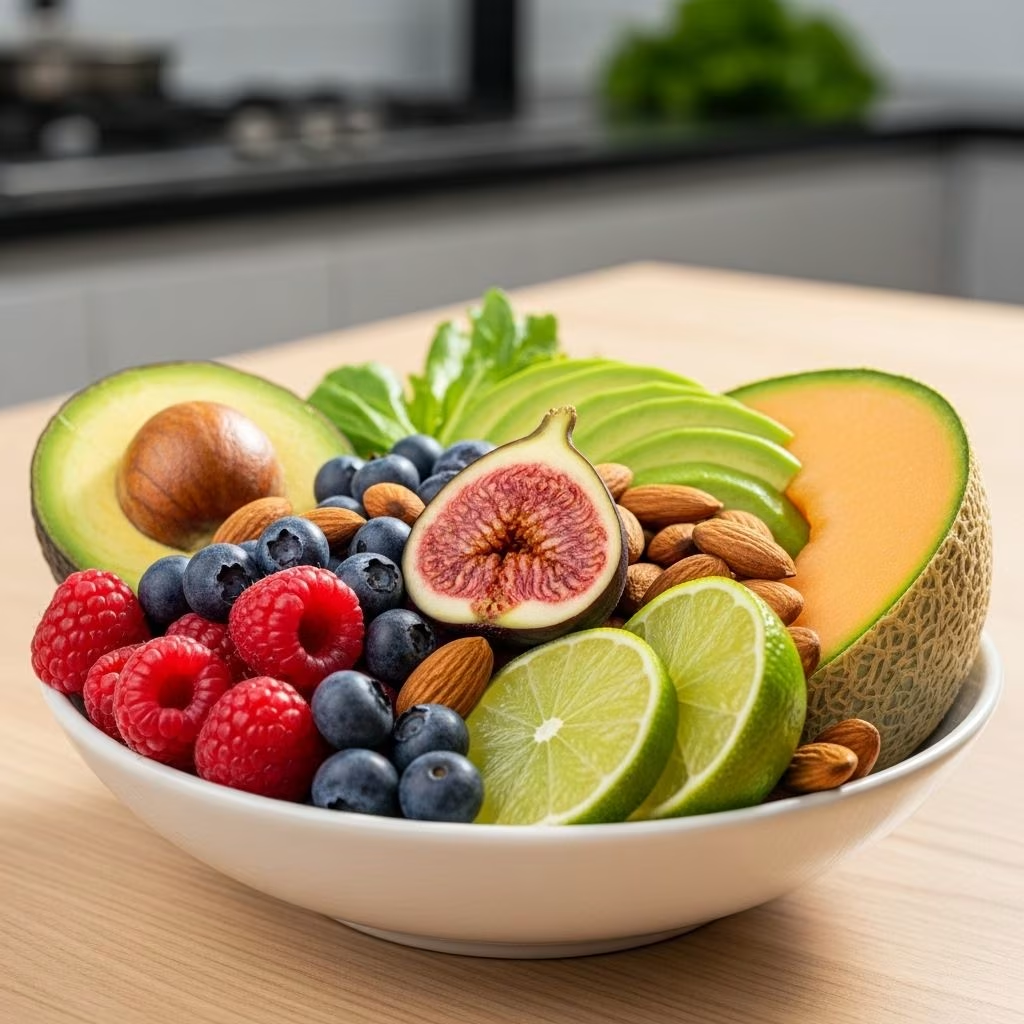
Can You Eat Fruit on a Low-Carb Diet?
Low-carb diets have soared in popularity for weight loss and health, but fruit’s place in these diets is often questioned. Is fruit too sugary for a carb-restricted lifestyle, or can it be enjoyed in moderation? This article explores expert insight, core nutritional facts, and practical tips for fruit consumption while on a low-carb diet, helping you make informed choices based on science and dietitian advice.
Why Fruit Can Be Controversial in Low-Carb Diets
Fruit is celebrated for vitamins, fiber, and antioxidants, yet it’s also a natural source of sugars, chiefly fructose and glucose. Most low-carb or ketogenic diets ask followers to limit daily carbs to a strict threshold (commonly 20–50 grams per day), putting many fruit portions firmly on the limit or out of reach. However, fruit also carries unique nutritional advantages over processed foods and sugary ‘junk’ snacks, making all-out avoidance hotly debated in nutrition circles.
- Fruits are carbohydrate-rich, especially compared to non-starchy vegetables.
- However, fruits offer fibers, antioxidants, and micronutrients less abundant in processed foods.
- People with certain health goals or medical needs (like diabetes or epilepsy) often follow low-carb diets rigorously and may wish to restrict fruits more strictly than the general population.
Common Carbohydrate Counts of Popular Fruits
| Fruit (Typical Serving) | Net Carbohydrates (g) |
|---|---|
| Grapes (1 cup, 151g) | 26 |
| Banana (1 medium) | 24 |
| Pear (1 medium) | 22 |
| Apple (1 medium) | 21 |
| Pineapple (1 cup, 165g) | 20 |
| Blueberries (1 cup, 148g) | 17 |
| Orange (1 medium) | 12 |
| Kiwi (1 medium) | 9 |
| Strawberries (1 cup, 144g) | 8 |
| Lemon (1 fruit) | 6 |
As seen above, most sweet fruits contain moderate to high carbohydrate levels compared to low-carb standards1.
Fruit’s Nutritional Benefits and Why Experts Still Recommend It
Despite their carb content, nutritionists and health professionals overwhelmingly support fruit’s inclusion in a balanced diet for the general population. Fruits provide:
- Dietary fiber for gut health and satiety
- Vitamin C, potassium, and other essential nutrients
- Antioxidants and polyphenols linked to reduced inflammation and disease prevention
- Healthy hydration—many fruits have high water content
However, those committed to very low-carb or ketogenic eating patterns (for weight loss, diabetes management, etc.) may need to monitor fruit more closely and select options lower in net carbs1.
Low-Carb Fruits: The Best Choices for Cutting Carbs
Not all fruits are equally high in carbohydrates. Some fit more easily into low-carb plans and offer extra fiber and nutrients. Dietitians highlight the following as the best low-carb fruits:
- Avocado (1/3 medium): 4g carbs — Also rich in healthy fats and fiber.
- Strawberries (1 cup): 12g carbs — Packed with vitamin C and antioxidants.
- Blueberries (1/2 cup): 10.7g carbs — Loaded with polyphenols, anthocyanins, and anti-inflammatory compounds.
- Cantaloupe (1 cup): 13g carbs — High in vitamin A and potassium.
- Raspberries (1 cup): 14.6g carbs, but 8g is fiber — Excellent for blood sugar balance.
- Blackberries (1 cup): 14g carbs, nearly 8g fiber — Offer vitamin C, K, E, and antioxidants.
- Peaches (1 medium): 14g carbs — Source of vitamin C and beta carotene.
- Tomatoes (1 average): 3.2g carbs — Technically a fruit and low in carbs.
- Watermelon (100g wedge): 7.6g carbs — Hydrating and refreshing.
Many of these fruits can be included in daily carb allowances with proper portion control2.
Berry Benefits: Why They Stand Out
Berries—including strawberries, blackberries, blueberries, and raspberries—are generally lower in carbs than tropical or starchy fruits and offer high levels of fiber per serving. This makes them especially friendly to low-carb lifestyles. Berries are also packed with plant compounds linked to improved heart and brain health, blood sugar balance, and reduced systemic inflammation.
Getting the Most Out of Fruit on a Low-Carb Diet
Smart strategies can help you reap the nutritional rewards of fruit without exceeding your carb limits:
- Pair fruit with protein or healthy fats (e.g., berries with Greek yogurt or avocado in salads) to slow sugar absorption and support satiety2.
- Choose lower-carb fruits and monitor portions—single servings are key.
- Track total carb intake daily and adjust fruit portions based on your plan (such as ketogenic vs. moderate low-carb).
- Opt for whole fruit instead of juice or dried fruit, which are more concentrated sources of sugar and calories.
Table: Low-Carb Fruits and Their Benefits
| Fruit | Net Carbs (per serving) | Main Benefits |
|---|---|---|
| Avocado (1/3 medium) | 4g | Healthy fats, fiber, supports heart health |
| Strawberries (1 cup) | 12g | Vitamin C, antioxidants, lower glycemic impact |
| Blueberries (1/2 cup) | 10.7g | Polyphenols, inflammation reduction |
| Blackberries (1 cup) | 14g | Fiber, vitamin C, K, E, antioxidants |
| Cantaloupe (1 cup) | 13g | Vitamin A, potassium, hydration |
| Raspberries (1 cup) | 14.6g (8g fiber) | Antioxidants, fiber, blood sugar control |
| Peaches (1 medium) | 14g | Vitamin C, beta carotene |
| Tomatoes (1 medium) | 3.2g | Lycopene, vitamins A and C |
What About Fruit on Ketogenic Diets?
For very low-carb protocols (e.g., ketogenic diet with <20–30g net carbs/day), most fruits are restricted except in extremely small amounts. Some keto dieters rely on:
- Avocado
- Olives (technically a fruit)
- Small servings of berries (occasionally)
- Tomatoes
Even a single banana or cup of grapes may quickly surpass typical daily carb limits. Always track your intake if keto ketosis is your goal.
Tips for Including Fruit in Your Low-Carb Lifestyle
- Plan around meals: Schedule servings of lower-carb fruits alongside meals, not as isolated snacks, for better blood sugar control.
- Watch your drinks: Skip fruit juices or smoothies, which concentrate carbs by removing fiber.
- Mind the season: Enjoy seasonal fruits at their peak flavor and nutrient density—in moderation.
- Cut back on high-sugar varieties: Limit bananas, mangoes, cherries, and grapes, which are higher in sugars per serving.
Key Takeaways: Is Fruit Permissible on a Low-Carb Diet?
- Moderation is crucial: Most low-carb plans allow for fruit, but it must be factored into daily carb tallies.
- Low-carb fruits—like avocados, berries, and melon—make the best choices, offering fiber, nutrients, and less impact on blood sugar.
- Whole, fresh fruit is superior to processed or dried forms.
- Customizing fruit intake to your unique nutrition goals helps maximize benefits while managing carb intake.
Frequently Asked Questions (FAQs)
Q: Can I eat any fruit on a very low-carb or ketogenic diet?
A: On strict ketogenic diets (<20–30g daily net carbs), only very low-carb fruits like avocado, olives, and small berries can fit in small servings. Most fruits will be too high in carbs for regular consumption.
Q: What fruits should I avoid if I’m cutting carbs?
A: Limit or avoid high-carb fruits such as bananas, grapes, mangoes, cherries, pears, and dried fruits. These are more likely to push you over daily carb limits.
Q: What’s the best way to enjoy fruit on a low-carb plan?
A: Pair small portions of low-carb fruits with protein or healthy fats, eat with meals, and always track your portions and overall carb intake.
Q: Is fruit healthier than processed desserts, even on low-carb diets?
A: Yes. Whole fruits are nutritionally superior to processed sweets, offering fiber, vitamins, antioxidants, and less risk of rapid blood sugar spikes.
Q: How much fruit is safe per day on a low-carb diet?
A: It varies by your plan. Some diets allow 1–2 small servings per day of low-carb fruits. Always consider your total daily carb allowance and adjust portions accordingly.
Final Thoughts: Fruit’s Place in a Healthy Low-Carb Diet
Fruit provides unique nutritional value, and there’s little reason for most people to avoid it entirely, even when cutting carbs. By focusing on serving size, pairing with other nutrient-rich foods, and opting for lower-carb fruits, you can enjoy the health benefits of fruit and still reach your nutrition or weight loss goals.
References
- https://www.healthline.com/nutrition/fruit-and-low-carb
- https://www.prevention.com/food-nutrition/a65832005/low-carb-fruits/
- https://www.prevention.com/food-nutrition/healthy-eating/g24663294/low-sugar-fruits/
- https://www.prevention.com/weight-loss/a20512194/everything-you-need-to-know-before-you-go-on-a-low-carb-diet/
- https://www.prevention.com/food-nutrition/a64904808/quality-carbohydrates-healthy-aging-longevity-study/
- https://www.prevention.com/weight-loss/diets/g21764082/keto-diet-side-effects/
- https://pmc.ncbi.nlm.nih.gov/articles/PMC9621749/
- https://en.wikipedia.org/wiki/Low-carbohydrate_diet
- https://www.prevention.com/food-nutrition/healthy-eating/g25922606/high-fiber-low-carb-foods/


