


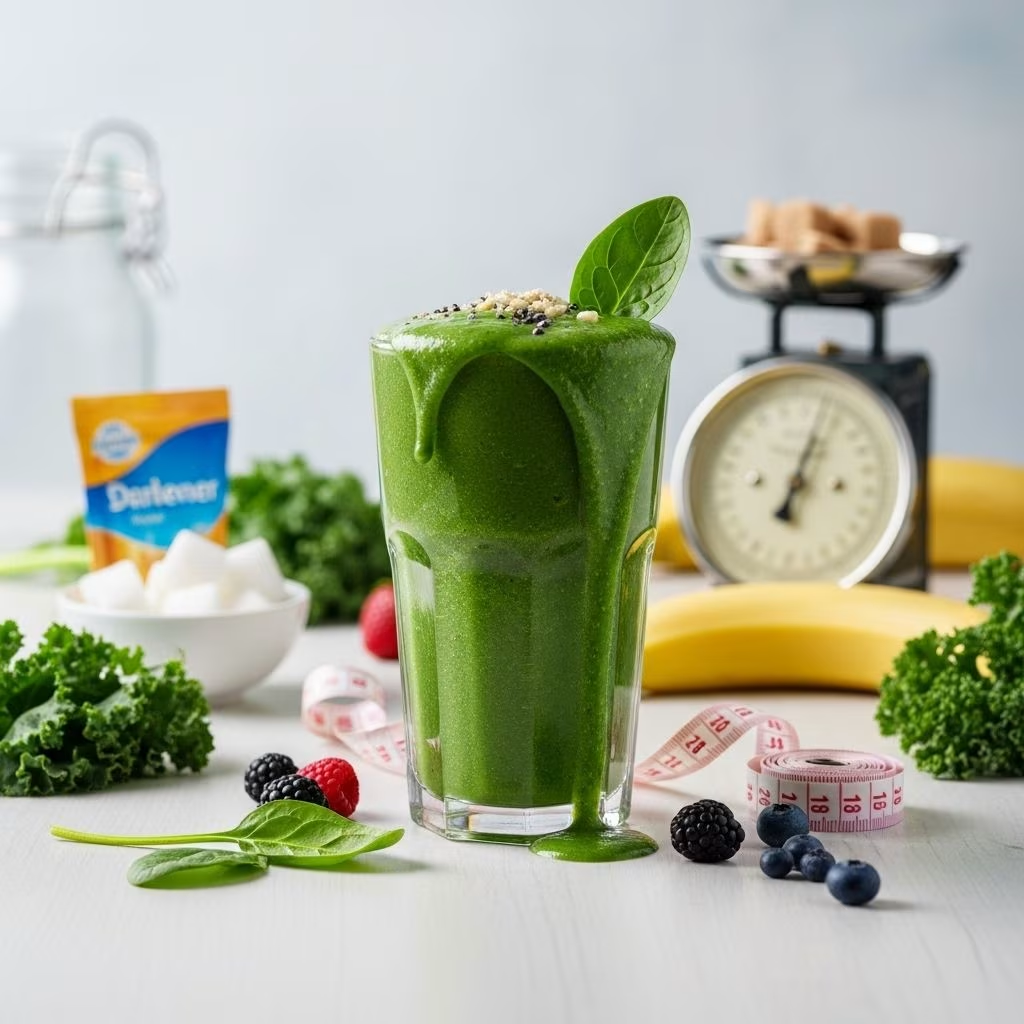
Are Your Smoothies Causing Weight Gain? The Surprising Reality
Many people see smoothies as the ultimate health food, perfect for breakfast, a snack, or post-workout fuel. Packed with fruits, vegetables, and protein, they seem like a simple path toward healthy eating and weight loss. But the truth is, your favorite blended beverage could be surreptitiously causing weight gain if you aren’t paying close attention to what goes into it—and how much you consume.
Whether homemade or store-bought, even green smoothies can hide more calories, sugar, and fat than you’d expect. Let’s break down the hidden pitfalls and arm you with science-based strategies to enjoy smoothies without sabotaging your goals.
Are Smoothies as Good as Eating Whole Fruit?
Smoothies provide an easy way to get your daily servings of fruits and vegetables, but they’re not identical to eating whole produce. The process of blending fruits releases the natural sugars from cell walls, converting them into so-called “free sugars” that behave the same as sugars added to food or drinks. This means your body absorbs them more quickly, raising blood sugar and insulin levels.
Whole fruits deliver more fiber and bulk per serving, making them more satiating and less likely to cause sugar spikes. According to registered dietitian Bonnie Taub-Dix, smoothies “don’t strip the fiber from vegetables and fruits”—but overly fruit-heavy blends or using juice as your base tips the scale toward sugar and calories.
Key Points:
- Limit fruit to two servings per smoothie for optimal antioxidants and sugar control.
- Whole fruits are preferable for fiber and steady energy.
- Fruit juices often concentrate sugar and calories, creating a risk for hidden weight gain.
Are Green Smoothies Truly Healthy?
If you struggle to eat enough greens, blending them into smoothies can help you pack in nutrients like vitamin A, vitamin K, and dietary fiber. Leafy greens, frozen cauliflower, sweet potato, and zucchini are excellent options. You can further boost the nutrition profile by adding turmeric, matcha powder, adaptogens, or warming spices such as cinnamon and cardamom.
However, flavoring greens with excessive fruit, sweeteners, or high-calorie bases can undermine benefits. “Some people who are vegetable averse will find it easier to sip a green smoothie if it tastes like strawberry banana,” says Taub-Dix, “and some prefer loading up on greens and herbs instead of fruit. It all depends on taste preference—but both should be mindful of portion control.”
Recommended Portion Sizes
- Snack smoothies: under 150 calories
- Meal replacement smoothies (for weight loss): under 350 calories
- Meal replacement smoothies (weight maintenance): up to 500–600 calories
Choosing portion sizes intentionally ensures you get nutrients without sabotaging your weight goals.
Hidden Reasons Your Smoothie Is Causing Weight Gain
Even if your smoothie is fruit- and vegetable-based, several factors could be adding hundreds of extra calories and significant sugar content, making it harder to lose or maintain your weight. Let’s look at the most common mistakes and ways to fix them.
1. Using Fruit Juice or Too Much Fruit
- Fruit juice seems healthy, but often packs as much sugar per cup as soda. It delivers easy calories with minimal satiety, since the fiber is mostly removed. Excessive fruit portions tip smoothies into sugar overload, fueling rapid energy spikes and cravings later.
- Fix: Use whole, unsweetened fruit and water or unsweetened plant milk instead of juice. Limit fruit to two servings per smoothie.
2. Adding Flavored Yogurts or Sweetened Bases
- Flavored yogurts often contain high amounts of added sugar and artificial flavors. These extra carbohydrates can contribute to total calorie count far beyond what’s expected.
- Fix: Opt for plain Greek yogurt, which is high in protein and low in sugar. Unsweetened nut milks are also reliable low-calorie bases.
3. Including Highly-Processed Protein Powders
- Not all protein powders are created equal. Many use whey or other dairy byproducts that can trigger sensitivities, and may include added sugars, fillers, and ingredients designed to bulk you up rather than support weight loss.
- Fix: Choose minimally processed protein powders with no added sugars or flavorings, or use natural protein sources like nuts and seeds.
4. Overdoing Nut Butters, Seeds, and Healthy Fats
- Nut butters and seeds are rich in healthy fats and protein but are also calorie dense. A few tablespoons can add several hundred calories to your drink, turning a snack into a meal (or more).
- Fix: Measure these ingredients carefully—usually 1 tablespoon suffices—and factor them into your daily calorie total.
5. Oversized Portions and Meal Timing
- Drinking large smoothies, especially between meals, leads to extra calories that don’t register as filling. You may inadvertently double up by eating a meal and a high-calorie smoothie soon afterward.
- Fix: Reserve smoothies as a meal or planned snack. Avoid using them as a casual beverage throughout the day.
6. Added Sweeteners and Syrups
- Honey, maple syrup, agave, or flavored syrups add flavor but rapidly drive up sugar and calorie content without any extra satiety.
- Fix: Use spices (like cinnamon or nutmeg) and fresh herbs for flavor. Learn to appreciate subtle sweetness of whole fruits.
Smart Smoothie Strategies for Weight Loss
To make sure your smoothie habits support your health and wellness goals, follow these science-backed strategies.
- Balance macronutrients: Include a mix of healthy fats, lean proteins, and complex carbs (such as oats or leafy greens) for sustained energy.
- Control calories: Know your calorie needs for the day, and make sure the smoothie fits within your total dietary plan.
- Limit sugar: Use whole fruits rather than juices, sweetened yogurts, or dried fruit. One banana and a handful of berries is usually plenty.
- Watch the extras: Tastes and preferences differ, but extras like coconut oil, avocado, cacao nibs, or nut butters can dramatically raise calorie total.
- Use vegetables: Lower-calorie, nutrient-dense vegetables like spinach, kale, zucchini, and cauliflower add bulk, vitamins, and minerals without excess sugar.
- Stay hydrated: Water or unsweetened, low-calorie plant milk help keep smoothie volume high without unnecessary calories.
Comparing Store-Bought vs. Homemade Smoothies
| Type | Calories | Sugar (g) | Fiber | Customizability |
|---|---|---|---|---|
| Store-bought | Often 300–600+ | High (20–50+) | Low to moderate | Low |
| Homemade | 150–500 | Low to moderate (10–25) | High (up to 10g+) | High |
Homemade smoothies let you control every ingredient, reducing sugar and increasing fiber. Most store-bought versions, even those labeled “green” or “natural,” are typically high in sugar and calories due to concentrated juices and hidden additives.
Frequently Asked Questions (FAQs)
Q: Is it healthy to have a smoothie for breakfast?
A: Yes, smoothies can make a healthy breakfast if they offer a balance of protein, carbohydrates, and healthy fats. Smoothies retain more fiber than juices, helping you feel full. However, avoid excess sugar to minimize post-meal hunger spikes.
Q: Do green smoothies help you lose weight?
A: Green smoothies are helpful if made mostly with vegetables and measured amounts of fruit and healthy fats. They add crucial vitamins and fiber but can contribute to weight gain if loaded with calorie-dense extras. The best results require careful attention to nutrition and portion size.
Q: Can smoothies replace meals for weight loss?
A: Smoothies can replace a meal if thoughtfully constructed to deliver all key nutrients. For weight loss, keep meal smoothies under 350 calories and use a mix of protein, healthy fats, fiber, and vitamins.
Q: Are all smoothie ingredients equally healthy?
A: No. The healthiest options are whole fruits, vegetables, and limited portions of unsweetened dairy or plant milk. Highly processed ingredients, sweetened yogurts, juices, and protein powders can add unwanted calories, sugar, or artificial substances.
Q: Can drinking smoothies lead to weight gain?
A: Absolutely. Large portion sizes, high-calorie ingredients, and extra sugar can quickly result in excess calorie intake, leading to weight gain. Monitor calories, ingredients, and serving sizes to avoid unintended consequences.
How to Build the Perfect Weight-Loss Smoothie
- Start with a base: Water, unsweetened plant milk, or plain yogurt.
- Add protein: Unsweetened Greek yogurt, protein powder (with minimal additives), or nuts/seeds (in controlled portions).
- Include fiber-rich carbs: Leafy greens, oats, or low-sugar fruits like berries.
- Healthy fats: Avocado, chia seeds, flaxseed—but used sparingly.
- Flavor boosters: Unsweetened cocoa, spices (cinnamon or cardamom), herbs, or vanilla extract.
Expert Tips for Smarter Smoothie Choices
- Read packaging labels for store-bought smoothies; look for sugar content, serving size, and ingredient lists.
- Prepare smoothies at home—keep recipes simple and volume reasonable.
- Pair smoothies with whole foods (like nuts or fruit) for satiety, if your calorie goal allows.
- Track recipes and measure portions to stay accountable.
- Seek professional advice if you’re unsure about nutrition needs or meal timing.
Common Smoothie Ingredient Pitfalls—And Healthier Alternatives
| Ingredient to Avoid | Why | Healthier Swap |
|---|---|---|
| Fruit Juice | High sugar, low fiber | Whole, fresh fruit or water |
| Flavored Yogurts | Added sugar, artificial flavors | Plain Greek yogurt |
| Sweetened Nut Butters | Sugar, high calories | Natural, unsweetened nut butter (limited portions) |
| Pre-Packaged Protein Powders | Fillers, added sugar | Pure protein powders, natural sources (yogurt, seeds) |
| Syrups & Sweeteners | Extra sugar, empty calories | Spices, herbs, or small amounts of fresh fruit |
Final Thoughts: Don’t Let a Smoothie Sabotage Your Health Goals
Smoothies can be a delicious and convenient way to boost your daily nutrition—but without mindful choices about ingredients and portions, they can easily lead to unexpected weight gain. Always check the nutritional content of your blend, focus on fiber and protein, and watch out for hidden sugars. The healthiest smoothie is one that fits into your overall calorie and nutrient needs, rather than one that simply tastes or looks good.
References
- https://www.nutribullet.com/blog/why-these-7-smoothie-ingredients-wont-help-you-lose-weight/
- https://www.bluediamond.com/blog/are-smoothies-healthy-5-ways-your-smoothie-is-making-you-gain-weight/
- https://www.bhf.org.uk/informationsupport/heart-matters-magazine/nutrition/5-a-day/smoothies
- https://www.prevention.com/weight-loss/g20430598/smoothie-causing-weight-gain/
- https://www.smoothieking.com/stories/can-smoothies-make-you-gain-weight
- https://www.houstonmethodist.org/blog/articles/2025/jun/healthy-smoothie-dos-donts/


