


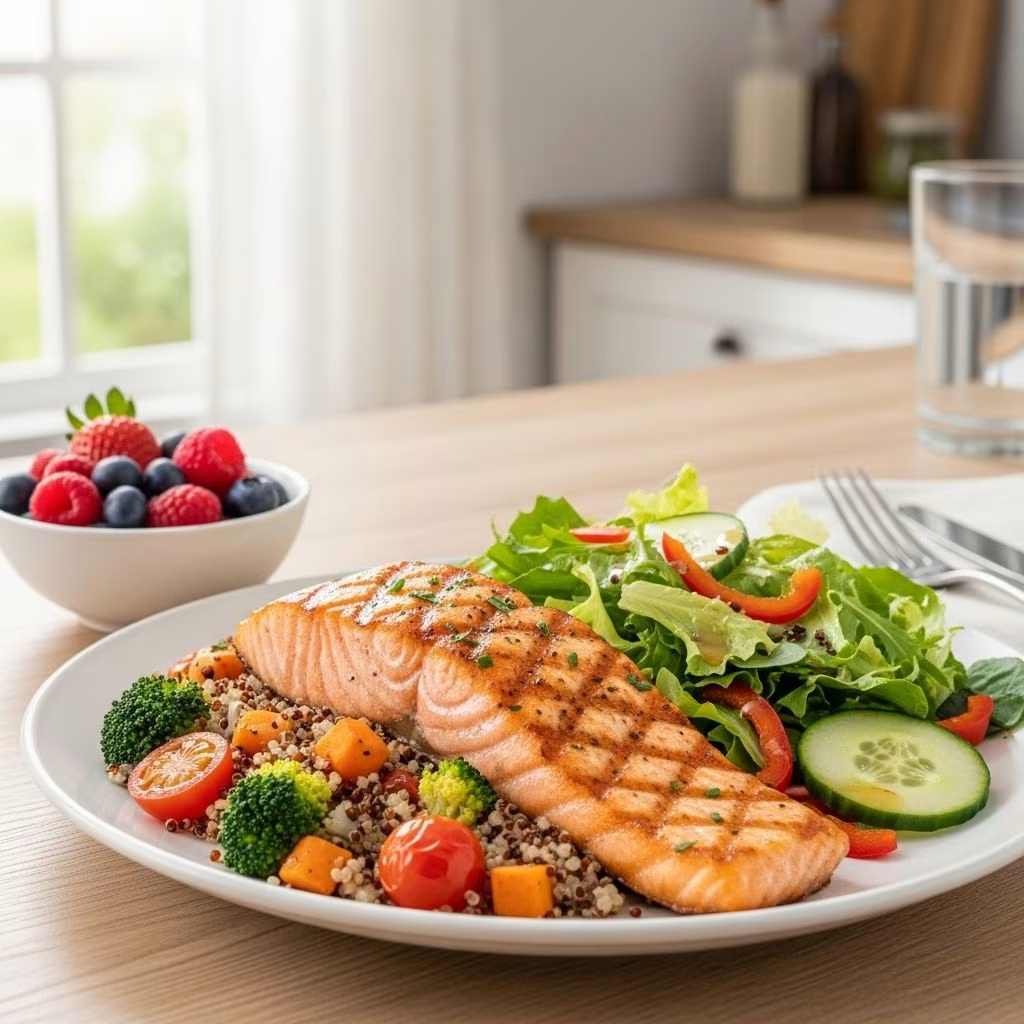
Eating should be enjoyable, not a constant source of anxiety about weight gain. Many believe food enjoyment and weight management are mutually exclusive—yet, with practical strategies rooted in nutrition science, you can relish your favorite meals while keeping weight in check. This guide explores essential tips and habits to help you eat wisely and maintain a healthy weight, all without unnecessary deprivation.
Rethink Your Portions: Smaller Plates, Smarter Choices
One of the simplest yet most effective changes is to monitor your portion sizes. Our environments often encourage overeating—restaurant servings are larger, and our plates at home have grown over the decades. Studies show that people unintentionally consume more when served larger portions, regardless of hunger. Portion control empowers you to savor what you love without overindulging.
- Use smaller plates for meals and snacks to automatically reduce portions.
- Visual cues help: a clenched fist equals about 1 cup of dense carbs; your palm is a handy estimate for a 4-oz serving of lean protein.
- Fill at least half your plate with colorful veggies for volume and satisfaction.
- At restaurants, consider ordering an appetizer and a side salad, splitting an entrée, or boxing up half your meal before digging in.
Eat Consistently: Don’t Skip Meals
Skipping meals to “save up” calories often backfires, leading to mindless snacking or evening overeating. Regular meals help stabilize appetite, blood sugar, and energy levels.
- Aim for three balanced meals throughout the day. This prevents the intense hunger that results in impulsive snacking.
- If hunger strikes between meals, plan for healthy snacks—like an apple with nut butter or a small serving of Greek yogurt.
Make Fiber Your Friend
Dietary fiber is a natural appetite suppressant that aids digestion, supports gut health, and keeps you feeling full for longer. Most people eat less than half the recommended daily amount.
- Boost intake with whole grains (oats, quinoa, brown rice), fruits (berries, apples, pears), vegetables (broccoli, leafy greens, carrots), and legumes (beans, lentils, chickpeas).
- Aim for at least 25 grams of fiber per day.
- Gradually increase your fiber and drink plenty of water to minimize digestive discomfort.
Power Up with Protein
Protein is essential for building and maintaining muscle mass, but it’s also your ally in managing hunger. High-protein foods increase satiety and require more energy for digestion over fats or refined carbs.
- Include 20 grams (about the size of a deck of cards) of lean protein at each meal. Great choices: fish, chicken, turkey, eggs, tofu, and low-fat dairy.
- Don’t neglect plant-based protein: beans, lentils, and soy products are filling and fiber-rich.
Embrace Healthy Fats
The myth that “eating fat makes you fat” has been widely debunked. In moderation, healthy fats boost satisfaction, stabilize blood sugar, and add flavor.
- Favor unsaturated fats: olive oil, avocados, nuts, seeds, and fatty fish like salmon and sardines.
- According to dietary guidelines, fats should comprise 20–35% of total daily calories.
- Be aware: fats are more calorie-dense, so be mindful of portion sizes (e.g., a thumb-sized amount of nut butter or a small handful of nuts).
Balance Your Carbohydrates
Carbohydrates aren’t the enemy. Instead, focus on quality and balance. Whole, minimally processed carbs provide energy and essential nutrients; skipping them can reduce satiety and prompt cravings.
- Choose whole grains over refined grains.
- Pair carbs with protein and healthy fat to slow digestion and promote fullness.
- For most adults, carbs should provide 45–65% of total daily calories.
Eat Mindfully, Not Mindlessly
One of the biggest contributors to unintentional weight gain is mindless eating—munching while watching TV, eating in the car, or grazing on snacks without attention. Mindful eating can curb overeating and rekindle your enjoyment of food.
- Slow down. Take time to chew thoroughly and savor flavors.
- Eliminate distractions: put away phones and eat at the table.
- Listen to your body’s hunger and fullness cues. Stop eating when you’re comfortably satisfied—not stuffed.
- Practice gratitude before meals to reinforce eating as a nourishing, pleasurable experience.
Structure Your Eating: Fixed Meals vs. Grazing
Though some believe grazing helps with weight control, research shows that eating at regular times may actually enhance calorie burning and stabilize blood sugar.
- Plan your meals and snacks ahead of time to prevent impulsive splurges.
- Track your meals with a food journal—a proven tool for increasing awareness and accountability.
- Allow yourself to feel slightly hungry before a meal, but don’t reach the point of ravenous appetite that triggers overeating.
Why Sleep and Stress Matter
Nutrition is crucial—but so is how you live outside the kitchen. Insufficient sleep and chronic stress interfere with satiety hormones and metabolism, often leading to overeating or cravings for calorie-dense foods.
- Aim for 6–8 hours of quality sleep each night.
- Create a calming bedtime routine and go to bed at the same time nightly for best results.
- Manage stress with activities like yoga, walking, mindfulness, or creative hobbies.
Common Mistakes That Can Lead to Unintentional Weight Gain
- Hoarding calories: Saving calories for one large meal at night can slow metabolism and promote overeating.
- Erratic eating: Skipping meals or eating at random times disrupts body rhythms and metabolic processes, and may lead to greater energy storage.
- Crash dieting: Severely restricting calories causes the body to hold onto fat and can slow long-term weight loss progress.
- Short-term thinking: Quick-fix goals are less effective than long-term, sustainable lifestyle changes.
Table: Macronutrient Distribution for Balanced Eating
| Nutrient | Portion Guidance | Daily Intake (%) | Key Food Examples |
|---|---|---|---|
| Protein | Palm-sized (4 oz per meal) | 15–30% | Chicken, fish, eggs, tofu, beans |
| Carbohydrates | Fist-sized (1 cup per meal) | 45–65% | Whole grains, fruits, starchy vegetables |
| Fat | 2 tbsp/meal (about thumb-sized) | 20–35% | Olive oil, nuts, avocado, fatty fish |
| Fiber | 25+ grams daily | – | Veggies, whole fruits, legumes, whole grains |
Healthy Snacking Without Overdoing It
Snacking isn’t “bad” when done with intention. The best snacks combine protein and fiber to keep you full and energized between meals.
- Pair a small apple with a tablespoon of almond butter.
- Enjoy Greek yogurt with berries and chia seeds.
- Slice vegetables with hummus for crunch and satisfaction.
- Portion out snacks rather than eating straight from the bag or box.
Quick Tips for Eating Without Gaining Weight
- Eat slowly and savor each bite; it takes about 20 minutes for fullness signals to reach your brain.
- Drink water before and during meals to aid digestion and signal satiety.
- Don’t forbid favorite foods; instead, practice moderation to reduce cravings and episodes of overeating.
- Prepare meals at home when possible; you have more control over ingredients, portions, and cooking methods.
- Prioritize whole foods over ultra-processed foods for better nutrition and easier appetite regulation.
Frequently Asked Questions
Q: Can I actually eat more and still maintain or lose weight?
A: Yes—if you focus on high-volume, low-calorie foods like vegetables, fruits, lean proteins, and whole grains. These foods offer more bulk and nutrients for fewer calories, helping you feel full on less energy intake.
Q: Do I need to count calories to avoid gaining weight?
A: While calorie awareness can help, it’s not strictly necessary. Emphasizing portion control, regular meals, and mindful eating typically yields weight maintenance results without meticulous tracking.
Q: Will carbs cause weight gain?
A: Carbohydrates themselves aren’t inherently fattening. However, quality and quantity matter: focus on fiber-rich, minimally processed sources, and balance them with protein and healthy fats.
Q: How can I prevent late-night overeating?
A: Plan satisfying meals throughout the day, don’t skip dinner, and create an evening routine that isn’t centered around food—read, call a friend, or practice light stretching before bed.
Q: Is being too restrictive bad for weight maintenance?
A: Yes. Overly restrictive eating can lead to cravings, binge eating, and an unhealthy relationship with food. Focus on balance, variety, and satisfaction for sustainable results.
Final Thoughts
Enjoying food and managing your weight coexist when you make smart, satisfying choices. Emphasize balanced meals, portion awareness, mindful eating, and a healthy lifestyle. With these tools, you can celebrate every bite—and every success on your wellness journey.
References
- https://www.prevention.com/weight-loss/a30188568/lose-weight-without-exercise-0/
- https://www.prevention.com/weight-loss/g20451681/not-eating-enough-for-weight-loss/
- https://www.prevention.com/weight-loss/a20437804/eating-mistakes-that-cause-weight-gain/
- https://www.prevention.com/weight-loss/g20487308/how-to-stop-losing-and-gaining-the-same-10-pounds/
- https://www.prevention.com/weight-loss/a20483150/weird-reasons-for-weight-gain/
- https://www.prevention.com/weight-loss/a20471164/mistakes-made-after-weight-gain/
- https://www.prevention.com/weight-loss/g20506618/weight-loss-maintenance/
- https://www.prevention.com/health/health-conditions/a44798692/weight-gain-exhaustion-hashimoto-thyroiditis-my-diagnosis/
- https://www.prevention.com/health/health-conditions/a37011991/my-diagnosis-mary-machica-cushings-disease/
- https://pmc.ncbi.nlm.nih.gov/articles/PMC2531237/


