


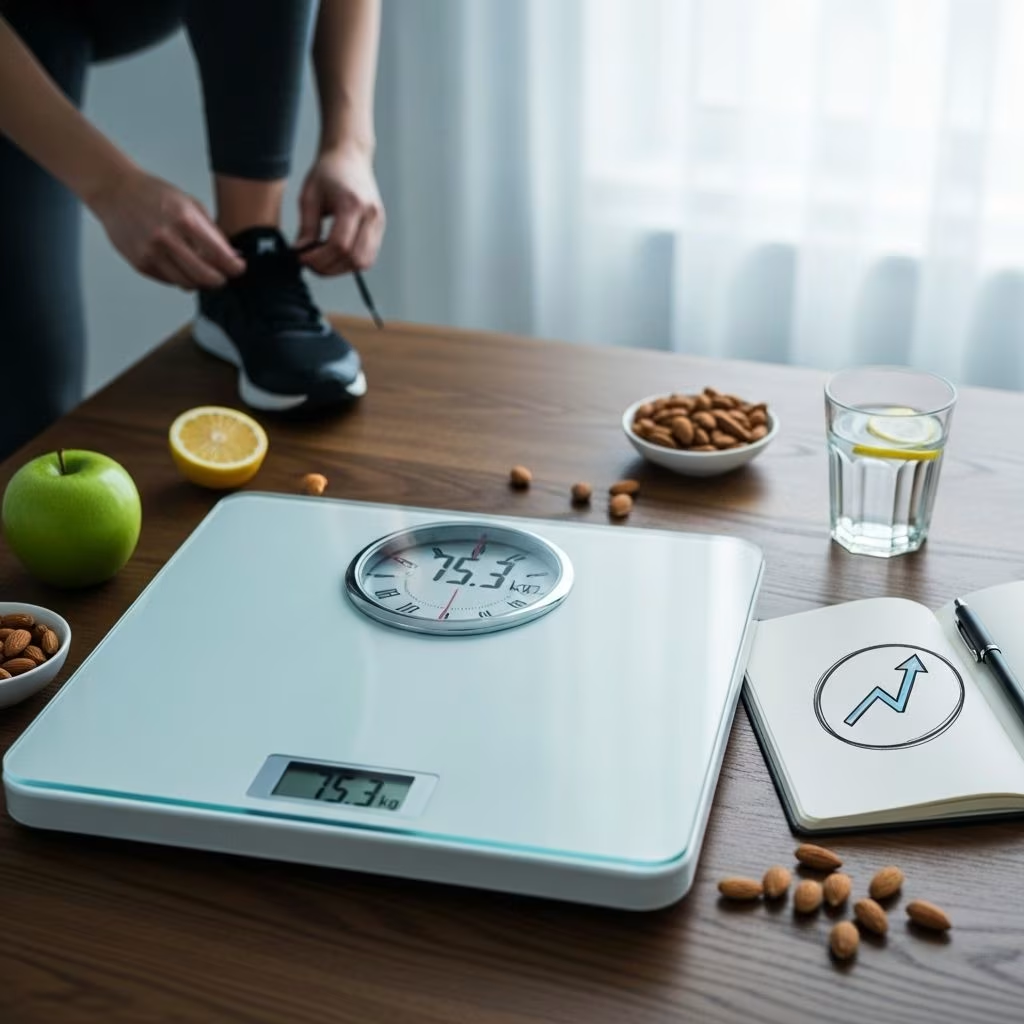
Realistic Weight Loss: Science-Backed Strategies and Habits
Weight loss is a topic buzzing with myths, temporary trends, quick fixes, and contradicting headlines. But genuine, sustainable weight management is less about willpower and restriction—and more about consistency, realistic habits, and understanding your body. Below, we unpack science-supported tips, debunk popular misconceptions, and show how small, steady changes can support real results for the long haul.
Why Weight Loss Is Difficult
Losing weight—and keeping it off—is not only about cutting calories or ramping up your workouts for a few weeks. Long-term studies and real-world science reveal that the body has built-in systems designed to maintain its current set point, making significant shifts challenging. Here’s why:
- The body resists weight loss: When you cut back on calories drastically, your metabolism slows, and your body tries to conserve energy, perceiving the change as a potential famine.
- Biology not ideal body ideals: Research shows that less than one in a hundred large-bodied women will reach a so-called “normal” BMI and maintain it through diet and exercise alone.
- Temporary diets don’t work: Extreme restriction or excessive exercise almost always leads to regaining lost weight, sometimes more.
- Focus on small, permanent lifestyle changes is key: Instead of pursuing drastic short-term results, lasting weight loss comes from gradual, sustainable habit upgrades.
How Metabolism and Biology Influence Your Weight
The popular narrative around weight loss tells us to eat less and move more. But metabolism, appetite, and energy storage are far more complex—regulated by genetics, hormones, gut health, and environment. Here are some essentials:
- Metabolism slows with restriction: When calorie intake drops, the body becoming more efficient at holding onto energy, protecting itself from perceived scarcity.
- Ultra-processed foods can sabotage progress: Studies show diets high in refined and processed ingredients not only promote cravings and overeating, but can impact hormones and gut health, leading to more body fat and less energy overall.
- Whole foods foster fullness and satiety: Diets focusing on vegetables, lean protein, fruits, whole grains, and healthy fats slow digestion and help regulate hunger hormones, naturally curbing calorie intake without rigid counting.
In clinical studies, participants consuming mostly minimally processed foods lost nearly twice as much weight as those on ultra-processed diets—even when calories and nutrients were similar. Improvements included better blood sugar control, cholesterol, fewer cravings, and greater overall well-being.
Healthy Weight Loss Strategies
Healthy weight loss centers on steady, realistic changes that support your body, not fight against it. Here are key strategies recommended by experts:
Eat Healthy, Not “Diet”
- Give up the yo-yo diets:
- Drastic restrictions cause metabolic slowdown and rarely produce lasting results.
- Instead, shift your routine by adding more veggies, whole grains, and plant-based foods, while reducing processed foods and red meat.
- Listen to your body:
- Aim to eat when hungry and stop when satisfied—not stuffed.
- Learning mindful eating helps break the cycle of overeating out of stress, distraction, or emotion.
- Write it down:
- Keep a food journal or log meals in an app. Tracking brings awareness and often encourages healthier choices.
Make Small, Sustainable Changes
- Add movement:
- Even short bursts of daily activity benefit your weight and health.
- The Physical Activity Guidelines recommend at least 150 minutes per week of moderate activity or 75 minutes of vigorous exercise—but even a brisk 10-minute walk after meals helps.
- Don’t skip meals:
- Skipping breakfast or lunch usually backfires—your metabolism slows and you’ll likely overeat later.
- Focus on high-quality sleep:
- Getting less than 7 hours per night can increase hunger hormones and stress, making weight loss tough.
- Monitor beverages:
- Avoid sugary drinks—soda, sweet teas, and juice add empty calories and drive cravings.
- Water, unsweetened tea, and black coffee are smarter options.
- Choose healthy fats over low-fat gimmicks:
- Include avocado, nuts, olive oil, and fatty fish. These support heart and metabolic health while helping you feel satisfied.
Change Your Perspective on Weight
- Stop obsessing over numbers on the scale:
- Your worth and wellness are not defined by your weight alone.
- Muscle, hydration, and even salt intake can make weight fluctuate day to day.
- Measure progress in energy, sleep, mood, and health markers like blood pressure and cholesterol—not just pounds lost.
Habits That Support Long-Term Weight Maintenance
Those who lose weight and keep it off maintain several habits that set them apart from chronic dieters. Long-term studies show these foundational routines maximize your chances of reaching your “happy weight”—and staying there:
- Eat a healthy breakfast: Starting the day with a nutritious meal helps regulate appetite and energy throughout the day.
- Move your body regularly: Aim for most days of the week—even if it’s just brisk walking or cycling.
- Watch portions, not just calories: Serving size awareness beats obsessive calorie counting and helps prevent gradual weight regain.
- Weigh yourself consistently: Regular check-ins provide feedback—without obsession—so you can catch small weight increases early before they spiral.
- Develop coping strategies for stress: Emotional eating is a major trigger for weight regain. Build a toolkit of alternatives—like deep breathing, walking, talking to a friend, or journaling.
- Prioritize quality sleep: Rest resets your appetite and helps you make healthier choices the next day.
Rethinking Weight and Health
The conversation around weight loss is slowly shifting from numbers and appearance toward real, lasting health and body confidence. Here’s what the research reveals:
- Health at Every Size: Studies suggest weight alone is not a reliable indicator of future health; behaviors like physical activity, fruit and vegetable intake, sleep, and reduced processed food matter more to health outcomes.
- Ditch the “diet” mentality: The obsession with calories and “ideal” bodies diverts energy from other areas of life and rarely leads to long-term wellness or happiness.
- Celebrate your body’s abilities: Instead of trying to shrink your body, focus on appreciating its strengths and everything it lets you do, regardless of size.
You’ll likely feel better, sleep better, and enjoy eating more when your energy is aimed at true self-care and healthy habits, not arbitrary targets.
Healthy vs. Unhealthy Weight Loss Approaches
| Healthy Strategies | Unhealthy Approaches |
|---|---|
|
|
Frequently Asked Questions: Realistic Weight Loss
Q: What are the healthiest foods to focus on for weight loss?
Aim for a variety of non-starchy vegetables, fruit, whole grains, legumes, lean proteins (like chicken, tofu, beans, and fish), and healthy fats such as nuts, seeds, and avocado. Minimally processed foods fill you up longer and provide more nutrients than packaged snacks or fast food.
Q: Can I still enjoy treats or favorite foods and lose weight?
Yes. Including small portions of your favorite foods—without guilt—can help you maintain satisfaction and stick to healthy habits. The goal is balance, not perfection.
Q: Should I avoid all carbohydrates?
No. Carbohydrates are an important energy source. Focus instead on whole grains, fruits, and vegetables, and limit highly processed carbs like white bread and sugary snacks.
Q: How important is sleep for weight management?
Very. Inadequate sleep can increase the hormones that trigger hunger and cravings, raise stress hormones, and disrupt metabolism—making weight loss more difficult.
Q: Why does my weight fluctuate so much, even with healthy habits?
Daily changes in hydration, salt intake, menstruation, and the amount or timing of your last meal all impact scale weight. It’s normal for weight to rise and fall a few pounds across the week; focus on long-term patterns instead of day-to-day numbers.
Q: How fast should I expect to lose weight?
A safe, sustainable rate of weight loss is generally 0.5 to 2 pounds per week. Faster rates often result from water loss or lead to future regain.
Final Thoughts
Real, lasting weight loss has less to do with quick fixes and more to do with healthy habits you joyfully practice day after day. Add one or two new habits at a time. Find ways to celebrate your health journey beyond the scale. Over time, small changes build powerful results for your body and mind.
References
- https://www.prevention.com/food-nutrition/healthy-eating/a65664887/ultra-processed-foods-weight-loss-gut-health-study/
- https://www.prevention.com/weight-loss/a36065492/rethinking-body-weight/
- https://www.prevention.com/weight-loss/diets/a60578947/how-to-lose-weight-fast-safely/
- https://www.prevention.com/weight-loss/a20501539/how-to-maintain-weight-loss/
- https://www.prevention.com/weight-loss/
- https://www.prevention.com/weight-loss/g24805401/fat-burning-foods/
- https://www.prevention.com/weight-loss/diets/a63174975/best-diets-for-weight-loss-2025/
- https://www.prevention.com/weight-loss-success-stories/
- https://www.prevention.com/weight-loss/a20445219/diet-and-weight-loss-success-story-1/
- https://www.prevention.com/weight-loss/a43905863/lose-weight-safely/


