


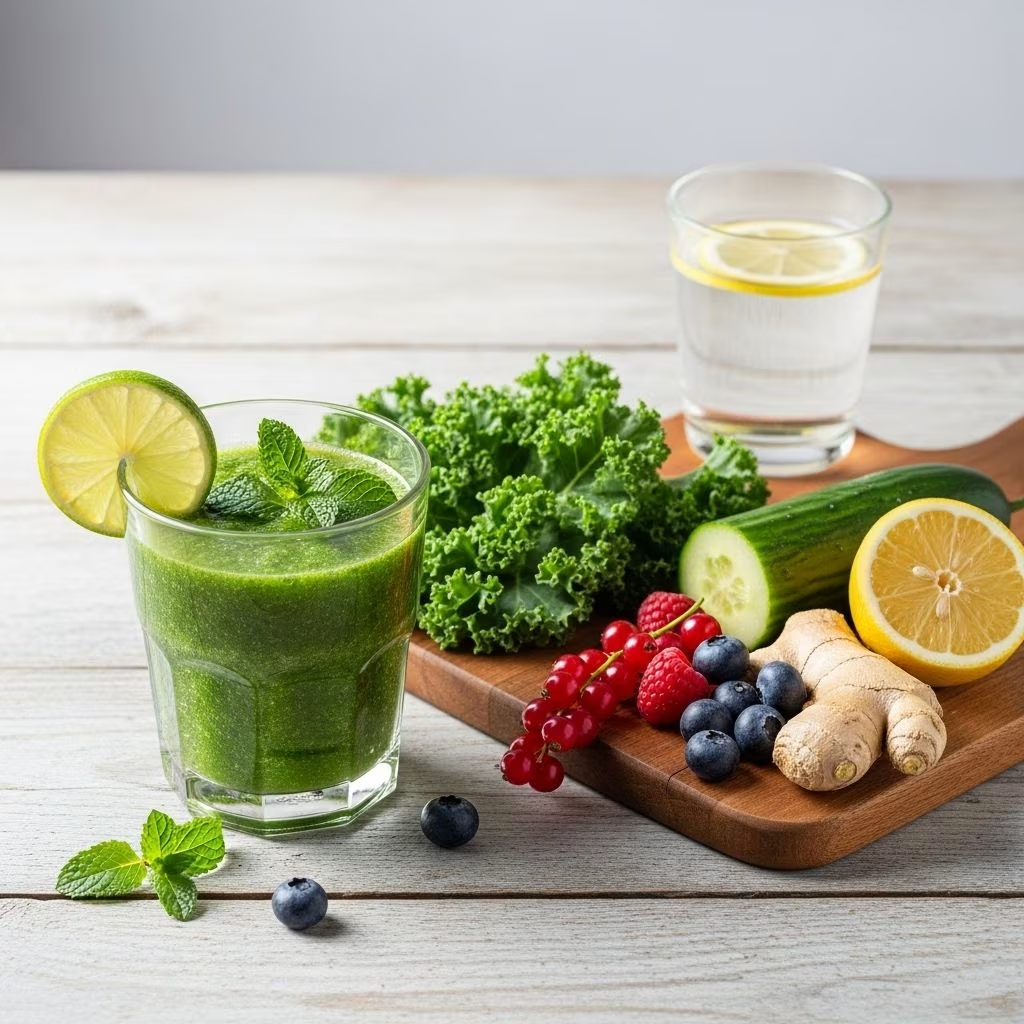
If you’re feeling weighed down, sluggish, or out of routine after a season of indulgence, a gentle, nutrient-rich diet detox can help you restore energy, support your digestive health, and renew your commitment to wellness. Forget crash diets and harsh detoxes—this 3-day plan focuses on nourishing whole foods, antioxidants, and supportive rituals for a safe, sustainable reset.
Why Choose This Detox Plan?
This isn’t a deprivation diet or a juice cleanse. No fasting, no laxatives, no extreme measures. Instead, this detox is designed to:
- Flood your body with antioxidants from brightly colored fruits and vegetables
- Support healthy digestion with fiber-rich whole grains and legumes
- Include soothing teas and smoothies to keep you satisfied and hydrated
- Encourage organic or minimally processed foods whenever possible
By focusing on fresh, unprocessed ingredients and mindful eating, you can give your digestive system a break while still enjoying a variety of delicious meals.
What Makes a Prevention-Style Detox Different?
This 3-day detox plan reflects a science-backed, holistic approach to wellness. Instead of calorie-counting or eliminating food groups, the focus is on replenishing your body’s natural detox systems—especially your liver and digestive tract—through ample antioxidants, hydration, and gentle nutrition.
- Brightly colored produce: Berries, leafy greens, carrots, beets, and citrus fruits provide a rich spectrum of vitamins and antioxidants.
- Whole grains: Oats, brown rice, and quinoa are filling, stabilize blood sugar, and add essential B vitamins and fiber.
- Beans and legumes: Plant-based proteins fuel your body while supporting healthy digestion and satiety.
- Sulfuric vegetables: Garlic, onions, and crucifers like broccoli help your body create glutathione, a powerful natural detoxifier.
- Herbal teas and clean water: Hydration is a key component—aim for 8+ cups of fluid each day.
Daily Rituals for a Successful Detox
To maximize the benefits of your detox, try integrating these supportive habits:
- Hydrate first thing: Start each morning with a large glass of filtered water, perhaps with a squeeze of fresh lemon.
- Eat mindfully: Slow down and savor your meals, chewing thoroughly and focusing on flavors and textures.
- Listen to your body: Eat only when hungry and stop before you feel too full. This is not about restriction—give your body what it needs.
- Prioritize sleep: Quality rest amplifies your body’s ability to recover and cleanse itself overnight.
- Move gently: Light activity like walking or yoga supports digestion and circulation.
What to Eat: The 3-Day Detox Menu
Each day includes three balanced meals, one or two nutrient-rich snacks, and plenty of fluids. Aim to source organic ingredients whenever possible, or choose produce with thick, peelable skins to minimize pesticide exposure if organic isn’t accessible.
Day 1
- Breakfast: Smoothie with spinach, kale, frozen mixed berries, chia seeds, and unsweetened almond or oat milk. Pair with a slice of whole-grain toast topped with avocado and a sprinkle of sesame seeds.
- Morning Tea: Cup of dandelion root or green tea for liver support.
- Lunch: Big salad with romaine, arugula, shredded cabbage, grated carrots, cherry tomatoes, chickpeas, sunflower seeds, and a lemon-tahini dressing. Serve with a small bowl of quinoa or brown rice.
- Snack: Sliced apple and a handful of raw almonds or walnuts.
- Dinner: Stir-fry with broccoli, bell pepper, onion, garlic, snap peas, and tofu or cannellini beans. Season with ginger, turmeric, and tamari. Serve over steamed millet or brown rice.
- Evening Drink: Cup of soothing chamomile or peppermint tea.
Day 2
- Breakfast: Overnight oats made with rolled oats, chia seeds, almond milk, cinnamon, and mixed berries, topped with a dollop of Greek yogurt (optional for protein and probiotics).
- Morning Tea: Hot water with lemon and fresh ginger slices.
- Lunch: Brown rice bowl with sautéed spinach, mushrooms, roasted sweet potato, black beans, and red cabbage, drizzled with an apple cider vinaigrette.
- Snack: Fresh-cut carrots and celery with hummus.
- Dinner: Roasted vegetable medley (beets, carrots, cauliflower, zucchini) tossed with olive oil, garlic, and herbs, served with a side of lentil soup.
- Evening Drink: Cup of hibiscus or rooibos herbal tea.
Day 3
- Breakfast: Warm barley or oat porridge with flaxseeds, fresh blueberries, grated apple, and a drizzle of honey. Optional: top with a spoonful of organic yogurt.
- Morning Tea: Green tea or white tea for gentle antioxidants.
- Lunch: Baked root vegetable patties (made from beets, carrots, sweet potato, and onion) served on a bed of mixed greens with a citrus vinaigrette. Pair with a cup of split pea or vegetable soup.
- Snack: Berry smoothie with kale, banana, and walnuts blended in.
- Dinner: Vegetable “meatballs” (grated carrot, zucchini, onion, and herbs) over a mash of split peas and parsley, with a simple romaine and sunflower seed salad.
- Evening Drink: Warm turmeric and ginger tea.
Tables: Sample Daily Meal Structure
| Meal | Day 1 | Day 2 | Day 3 |
|---|---|---|---|
| Breakfast | Smoothie, whole-grain toast w/ avocado | Overnight oats, berries, Greek yogurt | Oat porridge, blueberries, yogurt |
| Lunch | Colorful salad w/ chickpeas, quinoa | Brown rice bowl w/ spinach, beans | Veggie patties, split pea soup, salad |
| Dinner | Veggie stir-fry, tofu, brown rice | Roasted veggies, lentil soup | Veggie meatballs, split pea mash, salad |
| Snacks | Apple with raw nuts | Cut veggies with hummus | Berry smoothie with greens |
| Teas | Dandelion, chamomile | Ginger, hibiscus | Green tea, turmeric tea |
Become an Antioxidant Addict
During your detox, antioxidants are your best friends. These powerful plant compounds help your liver enzymes neutralize and remove harmful substances, making them more water-soluble so they can be excreted easily. Some of the top antioxidant-rich foods to include are:
- Leafy greens: Spinach, kale, collards
- Berries: Blueberries, raspberries, strawberries, cranberries
- Cruciferous vegetables: Broccoli, cauliflower, Brussels sprouts
- Bright orange produce: Carrots, sweet potatoes, mango, butternut squash
The deeper the color, the greater the antioxidant value. Challenge yourself to include as many colors as possible each day!
Practice Chemical-Detox Warfare
Your body’s most crucial detoxification weapon is glutathione, an antioxidant it manufactures internally. Support your body’s natural production by eating:
- Garlic
- Onions
- Eggs
- Cruciferous vegetables (like broccoli)
These foods are rich in sulfur compounds, the building blocks your body uses to manufacture glutathione. This helps flush out toxins, including environmental pollutants and heavy metals.
Go Organic (When It Matters Most)
Organic foods limit your exposure to pesticides and other toxins. If eating fully organic isn’t possible, choose organic versions of the Dirty Dozen—the most heavily sprayed fruits and vegetables. For other produce, opt for items with thick, peelable skins (like bananas, oranges, and avocados), as they’re less likely to retain pesticide residues.
- Wash all produce thoroughly, even if you peel it.
- Support local farms or farmers’ markets when possible for fresher, seasonal ingredients.
What to Limit or Avoid During the Detox
- Processed foods: Chips, cookies, pastries, and other packaged snacks
- Added sugars and artificial sweeteners
- Alcohol and caffeine (limit to 1 cup of green tea or coffee daily, if desired)
- Fried or greasy foods
- Excessive salt
- Red meat and processed meats
Instead, choose simple, home-cooked meals made from whole food ingredients. Let your taste buds appreciate natural sweetness and savory flavors from fresh, real food.
Hydration: The Unsung Hero of Detox
Drinking water is a cornerstone of every healthy detox. Proper hydration:
- Flushes toxins through your kidneys and digestive tract
- Keeps your skin clear and bright
- Reduces hunger and improves fullness signals
- Supports every cellular function in your body
Aim for at least 8 cups of water or herbal tea daily, and more if you’re active or live in a hot climate.
Sample Shopping List
- Berries (frozen or fresh)
- Spinach, kale, lettuce, arugula
- Carrots, bell peppers, beets, sweet potatoes
- Cucumbers, tomatoes, cabbage, zucchini
- Onions, garlic
- Chickpeas, lentils, black beans
- Quinoa, brown rice, rolled oats, barley
- Sunflower seeds, chia seeds, almonds, walnuts
- Eggs (optional)
- Plain Greek yogurt (or dairy-free alternatives)
- Herbal teas (dandelion, chamomile, peppermint, ginger, turmeric)
- Olive oil, apple cider vinegar, tahini, tamari/soy sauce
- Lemon, oranges, bananas, apples
FAQs About This 3-Day Detox Plan
What results can I expect from a 3-day diet detox?
Most people experience improved digestion, less bloating, better energy, and a renewed appreciation for real food. Some may notice a small drop in weight primarily from water loss and reduced processed food intake.
Is there any risk to doing a short detox?
For generally healthy adults, a whole-food, plant-based detox like this is safe and supportive. However, if you have medical conditions or dietary requirements, always consult your healthcare provider before starting.
Can I extend this detox beyond 3 days?
Absolutely! Many people use this plan as a springboard into longer healthy eating patterns. Feel free to repeat the cycle or gradually reintroduce more foods while keeping plant-based and whole foods as staples.
Will I feel hungry?
Portion sizes are generous, focusing on high-fiber, water-rich foods that naturally curb hunger. Listen to your body and eat until pleasantly satisfied.
Do I need to count calories?
No calorie counting required. Focus instead on food quality and variety—fiber, protein, healthy fats, and lots of produce.
Tips for Success
- Plan and prep meals ahead of time to avoid last-minute processed food temptations.
- Keep healthy snacks, like washed berries or cut vegetables, readily available.
- Swap specialty detox teas for tried-and-true herbal blends (chamomile, dandelion, ginger).
- If you crave sweetness, add cinnamon, vanilla, or a light drizzle of honey to yogurt or tea.
- Get friends or family involved for extra support and motivation.
Frequently Asked Questions (FAQs)
Q: Can I drink coffee during the 3-day diet detox?
A: Limit coffee to one cup per day, if necessary, and avoid adding sugar or artificial creamers. Opt for herbal teas for added detox benefits.
Q: Do I need to buy everything organic?
A: Organic is best for certain fruits and veggies, but don’t stress if it’s not possible. Prioritize the “Dirty Dozen” and always wash produce thoroughly.
Q: Can I exercise while on this detox?
A: Light activity, such as walking or gentle yoga, is encouraged. Avoid intense exercise during the detox to focus on rest and recovery.
Q: How do I transition back to my regular diet?
A: Reintroduce foods slowly, paying attention to how your body feels. Try to minimize processed foods and added sugars even after the detox ends.
Bottom Line
This 3-day detox isn’t about depriving yourself—it’s about giving your body the building blocks it needs for vibrant energy, healthy digestion, and renewed vitality. Use these three days to rekindle a love for whole, colorful, fulfilling foods, and let this simple reset inspire long-term, positive change.
References
- https://www.prevention.com/weight-loss/diets/a20467938/new-nordic-diet-recipes-for-weight-loss/
- https://www.prevention.com/weight-loss/a20448165/post-binge-3-day-detox-diet-plan/
- https://www.prevention.com/weight-loss/a20431655/your-simple-3-day-diet-detox/
- https://www.webmd.com/diet/3-day-diet
- https://www.prevention.com/weight-loss/diets/a20440538/detox-diet-plan-lose-fat-fast/
- https://www.prevention.com/weight-loss/g20444869/i-went-on-a-soup-cleanse/
- https://www.prevention.com/health/a39651855/detox-body-and-home-guide/
- https://www.mdanderson.org/cancerwise/detoxes–cleanses-and-fasts–what-you-should-know.h00-159775656.html
- https://www.prevention.com/weight-loss/diets/a20450016/flat-belly-diet-and-weight-loss/


