


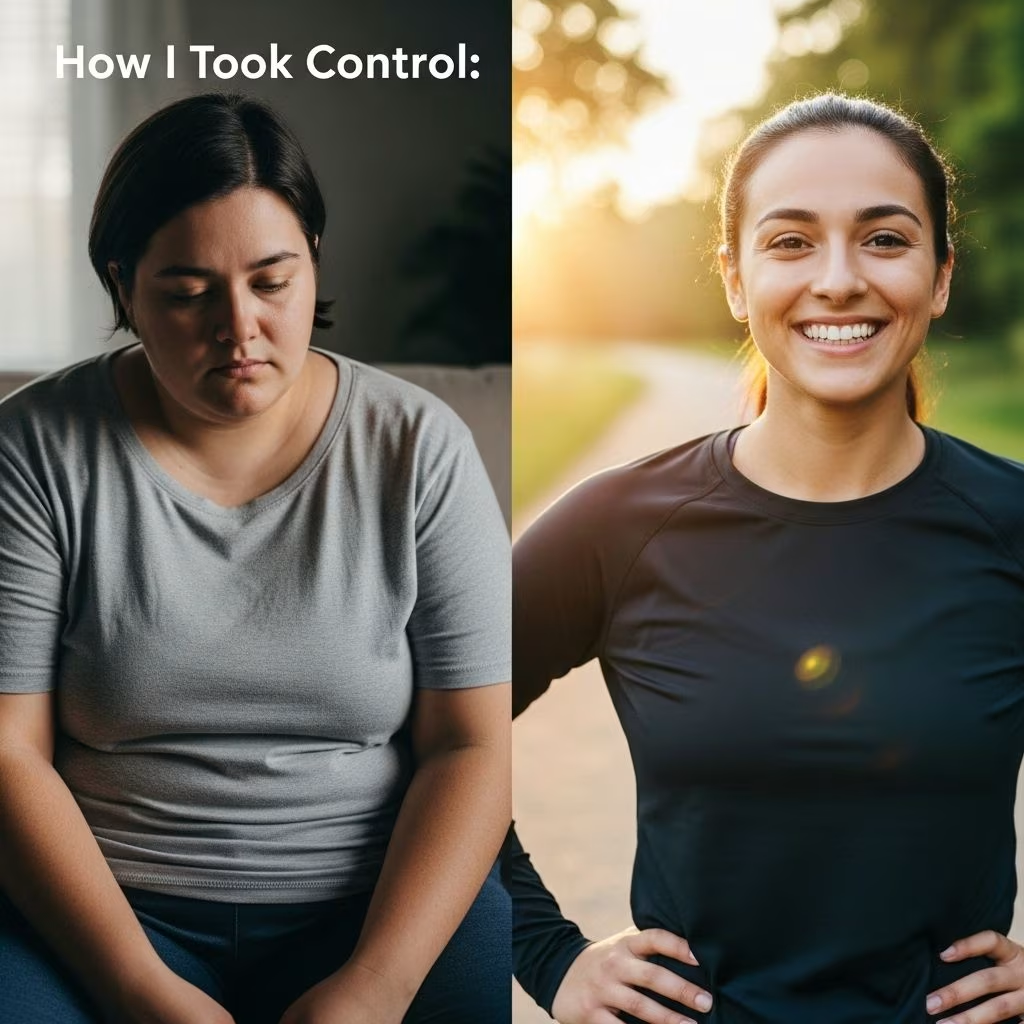
How I Took Control: My Journey from Weight Gain to Lifelong Wellness
By embracing small changes, prioritizing myself, and transforming my relationship with food, I finally shed over 100 pounds and gained a new lease on life. Here’s how I changed my future one step at a time.
Why I Struggled With My Weight for Years
My story with weight gain began in my early twenties. Life always seemed to come before my own health. The demands of work, supporting my family, and tackling adulthood left little time for myself. I was quick to dismiss heavy feelings with snacks and late-night takeout became my coping mechanism for stress, celebration, heartbreak, and everything in between. For years, I felt trapped in a cycle:
- Barely recognizing the woman in my reflection
- Perpetually exhausted before the day even began
- Dodging mirrors, family photos, and social gatherings
When doubts crept in—“What if I’m just meant to be this way?”—I tried a parade of diets: low-carb, juice cleanses, point-counting, recommended plans I’d read in magazines. Each promised ‘easy’ or ‘fast’ solutions, and each time I wound up back where I started, often with even more weight to lose.
Hitting Rock Bottom: When Health—and Hope—Were at Risk
The turning point? My annual physical brought sobering news: blood pressure way up, joints in constant pain, and my energy levels hovering near zero. My doctor gently warned me: “If you don’t change soon, you’ll face serious health consequences before you’re 40.”
In that moment, the health of my future, my children’s future, and my freedom felt at stake. I had reached 225 pounds—an all-time high for my 5’1” frame. More than anything, the thought that my son and daughter might one day help me out of a chair or watch me succumb to illness terrified me. It was time to put myself first for once.
Putting Myself First: Breaking the Cycle
For decades, I’d pushed my needs aside—children, spouse, colleagues, parents, errands took precedence. It’s so easy for women, especially mothers, to believe selflessness equals love. But, neglecting my health and happiness ultimately left me burnt out and unwell.
The most powerful step was learning—sometimes uncomfortably—to say, “I matter too.” That meant:
- Scheduling my own doctor’s appointments and never missing them
- Telling my family honestly when I needed ‘me time’ for walks or meal prep
- Allowing myself to invest in support—a yoga class, counseling, or a Weight Watchers group—even if it meant shuffling the family calendar
Letting go of guilt was vital. Putting myself first wasn’t selfish; it allowed me to show up far better for everyone else.
What Packed On the Pounds: Old Habits Die Hard
Reflecting on how I gained so much weight, I saw clear patterns:
- Emotional and stressed eating: I reached for snacks when lonely, anxious, or bored
- Zero portion control: My plate—and appetite—were never satisfied, so seconds (and thirds) were the norm
- Putting everyone first: With little energy left, dinner was often frozen pizza or drive-through on the way home from the kids’ soccer practice
- Eating on autopilot: I’d nibble through the day, forgetting the joy of shared family meals or even the flavors of my food
The result: A slow but insidious gain that left me feeling heavy, inside and out. Recognizing these habits for what they were—the symptoms of a deeper struggle—gave me new power to change them.
My Lowest Moment: When Dieting Didn’t Work
Like so many, I looked for a magic fix. But when my insurance company refused my application for weight loss surgery, it felt like the ultimate rejection. Their message: “Try a traditional method first.” I was furious, ashamed, and utterly convinced that meaningful change was beyond my reach.
In hindsight, being forced to try again—this time with structure and support—saved my health and set me on the real path to success.
What Finally Worked: Simple, Sustainable Steps
The truth? Quick fixes and gimmicks failed because they never addressed my relationship with food, movement, and self-worth. What worked was slow, steady change and an unapologetic commitment to myself. My winning formula included:
- Joining a support group (like Weight Watchers): Weekly meetings provided comfort, accountability, and new friends who understood my journey
- Tracking everything: Writing down portions, feelings, even cravings gave me control and broke the habit of mindless eating
- Portion control: Measuring food (yes, with real measuring cups and a scale) was a game-changer
- Balanced eating: I ditched fad diets for real meals—lots of fresh vegetables, lean protein, smart carbs, and the occasional treat without guilt
- Daily movement: Walking, yoga, or simple at-home workouts (such as The Firm DVDs) kept the scale moving and my mood lifted
My Daily Eating Routine
| Meal | What I Ate |
|---|---|
| Breakfast | Oatmeal with berries and skim milk |
| Lunch | Grilled chicken salad, vinaigrette, handful of nuts |
| Dinner | Baked fish, brown rice, steamed vegetables |
| Snacks | Greek yogurt, fresh fruit, veggie sticks, or a small square of dark chocolate |
Tracking this routine fostered mindfulness and made every bite count—emotionally and nutritionally.
Moving Forward: Exercise Became My Motivation
Initially, walking a block was daunting. But as I lost weight and gained confidence, simple walks became morning power strolls. Eventually, I laced up for 5K races—something I’d never dared dream possible. Each medal finish was a tangible reminder of my hard-won progress, so I proudly displayed them as motivation near my dresser.
Exercise no longer felt like punishment. Instead, it became:
- A celebration of what my body could do
- Time to clear my head and de-stress
- A way to connect with my children—who often joined me on bike rides or fun runs
9 Strategies That Changed Everything
- I weighed or measured everything I ate. Portion control was eye-opening—and indispensable for success.
- I swapped comfort food for a comfort habit. Journaling worries or stress replaced random pantry raids.
- Ingredient awareness. I paid attention to food labels—hidden sugars and fat sneak in everywhere.
- I stopped judging food choices. No food was ‘good’ or ‘bad’—just mindful or mindless.
- I learned to listen to hunger cues. Eating when hungry and stopping when satisfied became my gold standard.
- I scheduled my own self-care appointments. These moments made the biggest difference for my well-being.
- I made peace with slow progress. Each pound lost was a hard-fought win; I learned not to quit.
- I surrounded myself with support. Family, friends, and weekly group meetings helped me through low points.
- I found joy in movement. Whether dancing in the living room or completing a race, activity was freedom, not punishment.
The Results: A New Body, Mind, and Confidence
By following these strategies and truly investing in my own well-being, I went from size 18 to size zero. My peak weight—225 pounds—dropped to a healthy 112 pounds, and for the first time in my adult life, I enjoyed being photographed with my family. More crucially, I:
- Had energy to keep up with my children’s boundless activities
- Could shop for clothes I loved, not just ‘whatever fit’
- No longer feared annual check-ups—my cholesterol and blood pressure were back in the normal range
Maintaining my weight loss for years required the same skills that helped me lose it. But the greatest transformation was emotional: I learned to value myself, forgive my slips, and face every day with optimism and ownership.
Frequently Asked Questions
Q: How did you handle setbacks or plateaus?
A: Whenever my progress stalled, I revisited food journals and checked for portion creep. Sometimes, changing up my exercise routine or simply offering myself kindness kept me moving forward.
Q: Did you cut out entire food groups?
A: No, I found balance in including all foods in moderation. Deprivation only led to rebound cravings.
Q: What about eating out with friends or family?
A: I learned to scan menus in advance, prioritize veggies and lean proteins, and share dessert if I wanted a taste. Social occasions became about people, not just eating.
Q: How do you stay motivated now?
A: I set new movement goals (like training for a 10K), celebrate small victories, and keep reminders of my health journey—like race medals and before-and-after photos—where I see them every day.
My Top Takeaways for Anyone Starting Out
- Start small, but start today. Tiny changes add up to big results over time.
- Don’t wait for permission to prioritize yourself. Your health matters—period.
- Track progress beyond the scale. Celebrate improved energy, better sleep, and a happier mind.
- Surround yourself with support, not shame. Find people who uplift and encourage you through this journey.
If I can reclaim my health after decades of struggle, you can too. Every step—no matter how small—brings you closer to the person you deserve to be.
References
- https://www.prevention.com/weight-loss/a20437900/success-stories-lose-weight-and-keep-it-off/
- https://www.prevention.com/weight-loss/a20432369/la-weight-loss-success-stories/
- https://www.prevention.com/weight-loss/a20445219/diet-and-weight-loss-success-story-1/
- https://www.prevention.com/weight-loss-success-stories/
- https://www.prevention.com/weight-loss/a20430746/weight-loss-success-stories/
- https://www.prevention.com/weight-loss/g20434243/how-5-women-lost-150-pounds/
- https://www.prevention.com/weight-loss/g20475674/secrets-to-losing-20-pounds/
- https://www.prevention.com/weight-loss/a20481756/100-pound-weight-loss-success-story/
- https://www.prevention.com/weight-loss/a20476181/intuitive-eating-changed-my-life-but-dont-ask-me-how-much-weight-i-lost/
- https://www.prevention.com/weight-loss/a20484428/weight-loss-success-story-150-pounds-lost/


