


Losing weight isn’t about quick fixes or extreme restrictions—it’s about embracing small, achievable changes that add up over time. Here, you’ll find 30 expert-backed tips that can help you shed pounds and keep them off, enhancing your overall health, energy, and well-being. These strategies address everything from eating patterns and nutrition, to sleep, movement, and mindset, empowering you with the knowledge you need for real, lasting success.
1. Focus on Portion Control
One of the simplest ways to cut calories and lose weight is by paying attention to your portion sizes. Use smaller plates and bowls to visually cue your brain into thinking you’re eating more. When dining out, consider splitting entrees or setting aside half your meal to take home. Being mindful of portions prevents unintentional overeating and helps you tune into hunger signals.
2. Prioritize Nutrient-Dense Foods
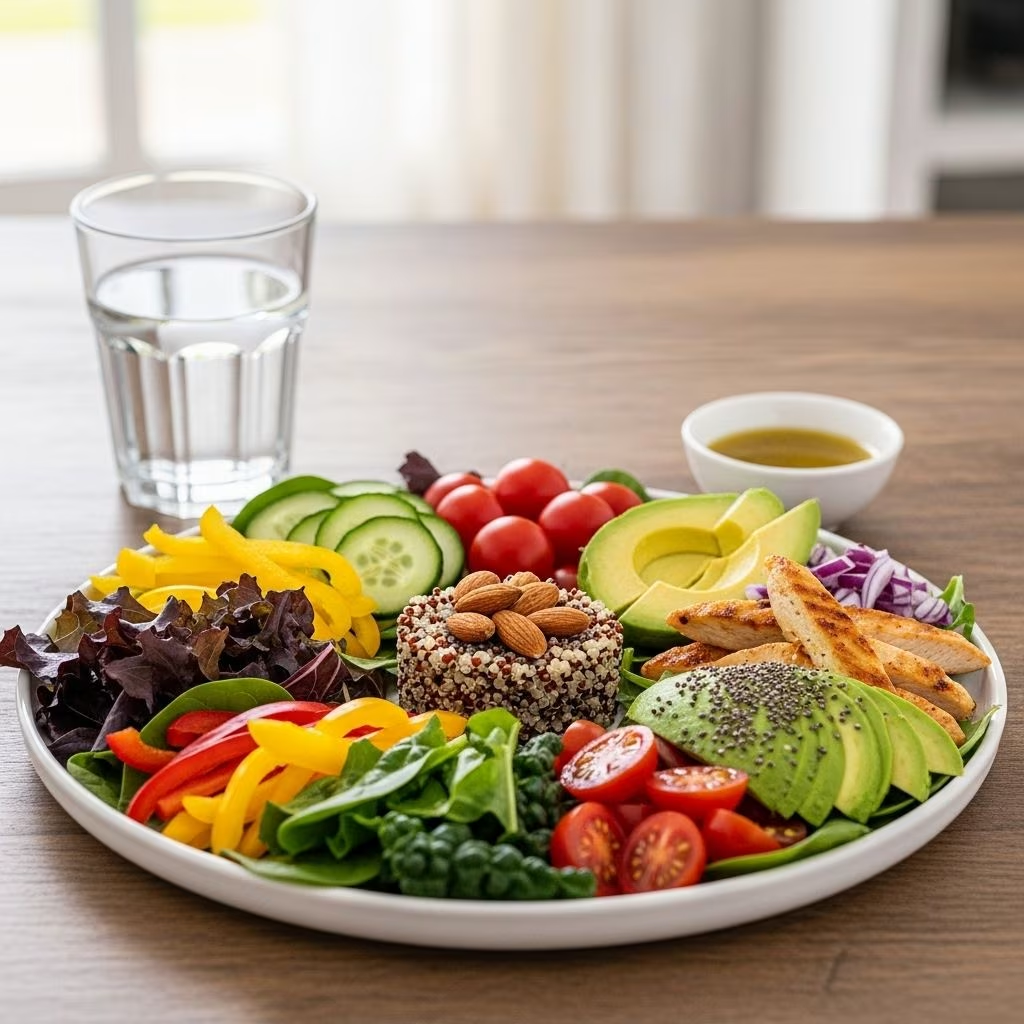
Fill your plate with whole, unprocessed foods rich in nutrients—like fresh vegetables, fruits, whole grains, lean proteins (such as chicken, fish, tofu, lentils), and healthy fats (avocado, nuts, olive oil). These foods not only support weight loss, but also keep you feeling fuller longer and provide essential vitamins and minerals.
3. Eat Balanced Meals
Don’t eliminate entire food groups. Instead, make sure your meals include a balance of protein, fiber-rich carbohydrates, and healthy fats. This combination stabilizes blood sugar, controls hunger, and provides lasting energy throughout the day.
- Protein: Supports muscle maintenance and satiety.
- Carbs: Fuel your brain and body (focus on whole grains and veggies).
- Healthy fats: Aid nutrient absorption and promote fullness.
4. Mind Your Meal Timing
Try to eat meals and snacks at regular intervals throughout the day. Consistent eating helps regulate your metabolism and prevents extreme hunger that can lead to overeating. Some experts recommend 3 main meals and 1-2 healthy snacks, spaced every 3 to 4 hours.
5. Don’t Skip Breakfast
Eating a nutritious breakfast is linked to easier weight management. Skipping breakfast can slow your metabolism and set the stage for unhealthy snacking later. Aim for a balanced breakfast with protein and fiber, like eggs with whole grain toast or oatmeal with fresh fruit and nuts.
6. Hydrate, Hydrate, Hydrate
Thirst can often be mistaken for hunger. Drinking enough water throughout the day supports metabolism, helps control appetite, and may even aid weight loss. Try drinking a glass of water before meals to help naturally curb your food intake.
- Carry a refillable water bottle for convenience.
- Add fresh fruits or herbs like lemon or mint for flavor.
7. Make Physical Activity a Daily Habit
While nutrition is critical, regular exercise is essential for sustainable weight loss and overall health. Find activities you enjoy—such as brisk walking, swimming, cycling, dance, or yoga—and aim for at least 60 minutes of moderate-intensity activity most days.
8. Increase Everyday Movement (N.E.A.T.)
Burn additional calories through Non-Exercise Activity Thermogenesis (N.E.A.T.), which includes all the movement you do outside of purposeful exercise—like walking while talking on the phone, using stairs, or standing while folding laundry. These small changes can add up significantly over the course of a day.
9. Minimize Added Sugars
Added sugars are frequently found in processed and packaged foods—even in breads, yogurt, and salad dressings. Reducing your intake of sweets, sodas, and hidden sugars supports healthy weight loss, better energy levels, and improved overall health.
10. Limit Liquid Calories
Calories in beverages—like sugary coffee drinks, sodas, and even fruit juices—don’t contribute the same fullness as calories from real food. Choose water, unsweetened tea, or sparkling water to minimize liquid calorie intake and reduce cravings.
11. Cut Back on Diet Sodas
Despite being calorie-free, diet sodas may stimulate cravings for sweet foods and have been linked in some studies to increased calorie consumption overall. Transition toward water and other unsweetened beverages for better health outcomes.
12. Eat Mindfully
Slow down, taste your food, and savor every bite. Mindful eating helps you recognize fullness cues before you overeat. Avoid distractions like screens during meals so you can pay attention to your hunger and satisfaction signals.
- Put your fork down between bites.
- Chew thoroughly.
- Take time to appreciate flavors and textures.
13. Plan for Smart Snacks
Snacking can help curb hunger and stabilize blood sugar, as long as you choose nutritious options. Reach for snacks that pair protein and fiber—like Greek yogurt with berries, apple slices with peanut butter, or almonds with fruit. Avoid overly processed snack foods high in sugar and salt.
14. Write Down What You Eat
Keeping a food diary increases self-awareness and can reveal patterns in your eating. Many people underestimate their calorie intake—but by writing everything down (even for a few days), you’ll spot problem areas and create accountability. Use a notebook, smartphone app, or notes on your phone.
15. Get Enough Quality Sleep
Lack of sleep can disrupt hunger hormones and lead to increased snacking and cravings for high-calorie foods. Aim for 7–9 hours of sleep per night to support weight management, better mood, and energy.
16. Manage Stress Effectively
Chronic stress can increase your body’s production of cortisol, a hormone that may encourage fat storage and increase appetite—especially for comfort foods. Build healthy stress-busting practices, like deep breathing, regular exercise, meditation, or talking with friends.
17. Eat More Fiber
High-fiber foods—such as vegetables, fruits, beans, and whole grains—help you feel full, control blood sugar, and support digestion. Try to include a source of fiber at each meal to keep your appetite in check.
18. Prioritize Protein
Protein not only builds and preserves lean muscle, but it also keeps you satiated. Include a quality protein source (chicken, fish, tofu, lentils, cottage cheese) at every meal and snack for optimal results.
19. Don’t Fear Healthy Fats
Incorporate sources of unsaturated fats—like olive oil, avocado, and nuts—while cutting back on saturated and trans fats. Healthy fats promote fullness, help with vitamin absorption, and support heart health.
20. Learn to Read Nutrition Labels
Become a savvy shopper. Check ingredient lists and nutrition facts for added sugars, unhealthy fats, excess sodium, and calories. This empowers you to make informed choices and avoid hidden dietary pitfalls.
21. Build Consistent Meal Routines
Having predictable meal patterns prevents random snacking and mindless eating. Prepping meals ahead and eating at similar times reinforces healthy habits and helps you recognize true hunger versus emotional eating.
22. Don’t Rely on Willpower Alone
Set up your environment for success. Stock your home with healthy options and keep tempting treats out of sight. Planning ahead reduces reliance on motivation and makes it easier to stick to your goals.
23. Stop the ‘All or Nothing’ Mindset
Weight loss doesn’t require perfection. Slip-ups happen—what matters is getting back on track without guilt. Instead of giving up after one indulgence, focus on your long-term goals and progress.
24. Track Your Progress
Record not only your weight, but also other measures of success: waist circumference, energy levels, strength, or how your clothes fit. Progress photos and regular check-ins keep you motivated and focused.
25. Avoid Fad Diets
Extreme diets often lead to quick weight rebound or nutrient deficiencies. Focus on making sustainable, realistic changes you can maintain for life, not just a few weeks.
26. Find Support and Accountability
Weight loss is easier with a support system. Connect with friends, family, or a community—whether online or in-person—who encourage healthy habits and hold you accountable to your goals.
27. Try Cooking at Home More Often
Preparing your own food puts you in control of portions, ingredients, and cooking methods. Experiment with new recipes, meal prep in batches, and plan menus to avoid the “takeout trap.”
28. Treat Yourself—Smartly
Deprivation often backfires. Instead of “banning” favorite foods, enjoy occasional treats in moderation. Savor a small dessert, split a treat with someone, or turn higher-calorie foods into a once-in-a-while experience, not a daily habit.
29. Create an Eating Plan for the Long Haul
Sustainable weight loss isn’t about short-term fixes. Develop an eating plan you can stick with long term, including the foods you love, but in healthier forms. Focus on making healthful habits a permanent lifestyle, not a temporary diet.
30. Celebrate Non-Scale Victories
Success isn’t only measured in pounds. Acknowledge achievements like increased energy, better sleep, stronger muscles, reduced cravings, or improved lab results. Recognizing these milestones keeps you inspired and focused beyond the number on the scale.
Sample Day: Balanced Eating Plan
| Meal | Example |
|---|---|
| Breakfast | Oatmeal topped with berries and a sprinkle of almonds |
| Snack | Greek yogurt with sliced peaches |
| Lunch | Grilled chicken salad with leafy greens, tomatoes, cucumbers, and olive oil vinaigrette |
| Snack | Carrot sticks with hummus |
| Dinner | Baked salmon with quinoa and steamed broccoli |
Frequently Asked Questions (FAQs)
Q: What is the single most important factor for weight loss success?
A: Studies show that a combination of balanced, calorie-controlled eating and regular physical activity yields the most sustainable weight loss. Tracking food and making gradual, consistent changes are strongly linked with long-term success.
Q: Are certain foods ‘off limits’ if you want to lose weight?
A: No foods are truly forbidden. The key is portion control, moderation, and frequency. It’s more effective to learn how to enjoy all foods as part of an overall healthy pattern rather than relying on restrictions.
Q: How quickly should I aim to lose weight?
A: Safe, sustainable weight loss is typically 0.5 to 2 pounds per week. Rapid weight loss through fad diets is rarely maintained and may be harmful to your health.
Q: Does eating late at night cause weight gain?
A: It’s not the timing, but rather the total calories consumed in a 24-hour period that matters most. However, late-night snacking on high-calorie, processed foods can lead to overeating and weight gain.
Q: Can you lose weight without exercising?
A: It is possible to lose weight through dietary changes alone. However, exercise helps you preserve muscle mass, boosts mood, and increases calorie burn—making weight loss easier and maintenance more successful.
Final Thoughts
Lasting weight loss is a journey, not a sprint. By implementing these expert strategies—one step at a time—you’ll develop healthy habits you can sustain for life. Start today with one or two achievable changes, and build from there. Your body and mind will thank you for it!
References
- https://www.prevention.com/weight-loss/a30188568/lose-weight-without-exercise-0/
- https://www.prevention.com/health/a65401665/expert-walking-tips-weight-loss/
- https://www.prevention.com/weight-loss/a20461708/weight-loss-tips-3/
- https://www.prevention.com/weight-loss/
- https://www.prevention.com/weight-loss/diets/g20440614/25-best-weight-loss-tips-ever/
- https://www.prevention.com
- https://www.prevention.com/weight-loss/g20490240/10-rules-to-live-by-for-long-lasting-weight-loss/
- https://www.prevention.com/weight-loss/a20501539/how-to-maintain-weight-loss/
- https://www.prevention.com/weight-loss/a20500235/intermittent-fasting/


