


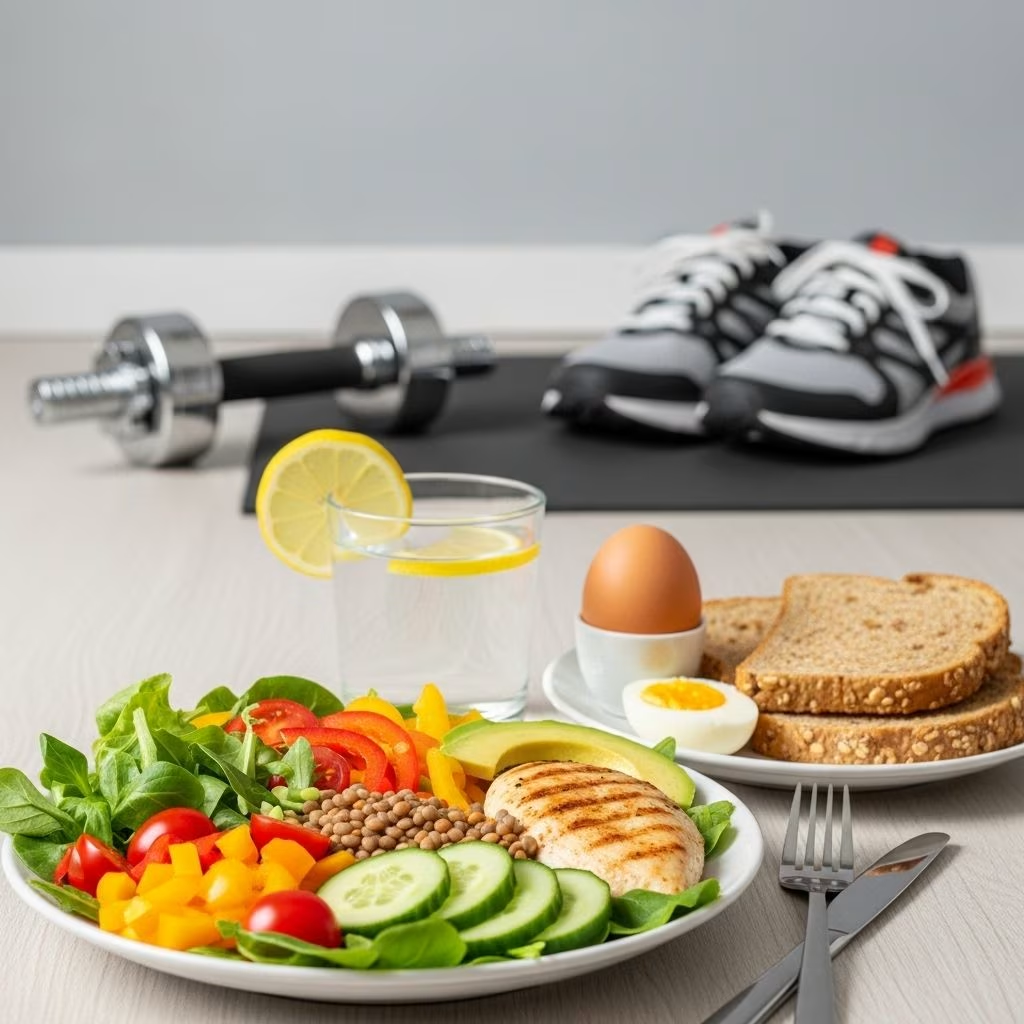
Expert Weight Loss Tips: Practical Strategies for Sustainable Results
Successful, sustainable weight loss is rooted in practical daily choices and long-term habits—not restrictive diets or drastic workouts. Drawing on insights from nutritionists, psychologists, and fitness experts, this article compiles effective strategies proven to help you lose weight purposefully, avoid pitfalls, and embrace a healthier life.
Adopt the Right Mindset for Weight Loss
Lasting weight loss begins with your mindset. Experts recommend focusing on the positive actions you can take, rather than fixating on restrictions or temporary diets. Making the journey about gradual change, rather than immediate perfection, helps you develop habits that are easier to maintain.
- Focus on progress, not perfection: Small, consistent changes to your lifestyle outperform drastic overhauls in the long run. Celebrate each step forward instead of dwelling on setbacks.
- Prioritize habits over results: When healthy actions (like walking daily or eating more vegetables) become routine, results follow naturally.
- Practice self-compassion: Recognize that slip-ups happen. Use them as opportunities to learn rather than reasons to quit.
Keep a Food Journal
Mindless snacking is a common barrier to weight loss. Tracking what you eat increases your awareness of portion sizes, emotional eating triggers, and frequency of meals. Studies show that individuals who log their meals consistently lose more weight and keep it off longer.
- Record everything: Write down all meals and snacks, noting times and portion sizes. Apps and old-fashioned notebooks both work well.
- Identify patterns: Look for recurring situations (like afternoon cravings) that prompt poor choices, then prepare healthier options in advance.
- Use journaling as a reality check: Are you skipping meals? Is the weekend diet much different from weekdays? Reflecting reveals opportunities for improvement.
Find Every Opportunity to Move More
Physical activity is a cornerstone of any weight loss program, but you don’t need marathon workouts to see major benefits. Incorporate movement into your routine in creative ways to burn more calories, boost metabolism, and support emotional well-being.
- Break up sedentary periods: March in place, do jumping jacks, or take the stairs during TV commercials or work breaks.
- Walk more: Take walking breaks at work, park further away, or stroll after meals. Every additional minute counts.
- Dancing and active hobbies: Whether you enjoy gardening, dancing, or playing with pets, prioritize activities that get your heart rate up.
- Track movement: Use a pedometer or smartphone app to monitor your steps and set daily goals for extra motivation.
| Activity | Approximate Calories Burned (30 min) |
|---|---|
| Brisk Walking | 150–200 |
| Jogging | 200–250 |
| Dancing | 130–170 |
| Climbing Stairs | 220–280 |
Limit Packaged and Processed Foods
Processed foods—chips, cookies, crackers, candy—tend to be high in sodium, added sugars, and unhealthy fats, making it much easier to consume excess calories. Gradually reducing your intake gives your tastebuds and routine time to adjust, leading to long-term success.
- Identify your top processed foods: Make a list of the packaged snacks or convenience items you eat most.
- Scale back slowly: Aim to eliminate one processed food at a time, replacing it with a wholesome alternative.
- Stock healthy snacks: Keep options like baby carrots with hummus, Greek yogurt, or fresh fruit on hand to satisfy cravings without the extra calories.
Eat Balanced, Nutrient-Dense Meals
Nutrition is responsible for the majority of tangible changes in body composition. A balanced diet includes a variety of food groups and avoids unnecessary restriction. Adequate protein, fiber, healthy fats, and micronutrients help your body burn fat, maintain muscle, and feel satisfied.
- Fill half your plate with fruits and vegetables: These foods provide fiber, vitamins, and antioxidants—and help fill you up with fewer calories.
- Choose lean proteins: Opt for chicken, fish, eggs, dairy, beans, or plant-based protein sources.
- Pick whole grains: Swap white bread or pasta for options like oats, quinoa, brown rice, or bulgur.
- Include healthy fats: Nuts, seeds, avocado, olive oil, and fatty fish support satiety, brain health, and hormonal balance.
- Moderate added sugars: Limit sodas, sweets, and hidden sugars in store-bought foods.
Balanced eating is not about deprivation—it’s about fueling your body and enjoying food without guilt.
Plan for Success: Meal Prep & Goal Setting
Planning ahead helps you navigate busy days, unexpected events, and temptation. By developing strategies for meals and snacks before you’re hungry, you increase your chances of making healthier choices.
- Meal prep: Prepare batches of healthy meals or ingredients on your day off. Options include overnight oats, grilled chicken, chopped vegetables, or soup.
- Schedule snacks: Carry portioned nuts, fruit, or yogurt for energy and hunger prevention.
- Set achievable goals: Focus on realistic steps, such as adding one new vegetable to each meal or walking for 15 minutes after dinner.
- Track progress and reward yourself: Celebrate milestones with non-food rewards, like a new book or workout gear.
Stay Hydrated
Drinking enough water is essential for digestion, metabolism, energy, and controlling appetite. Sometimes, thirst is mistaken for hunger, leading to unnecessary snacking. Experts recommend keeping water accessible and setting reminders to drink throughout the day.
- Drink a glass of water before meals: This may help reduce portion size and curb unnecessary cravings.
- Limit sugary drinks: Opt for water, herbal tea, or unsweetened beverages over sodas and store-bought juices.
- Carry a reusable bottle: Make hydration convenient whether at work, the gym, or on the go.
Set Realistic, Manageable Goals
Research shows that people who adopt incremental, positive changes—like walking more or gradually improving meal quality—lose more weight and keep it off. Rapid, restrictive approaches typically backfire, leading to yo-yo dieting and discouragement.
- Break goals into small steps: Instead of aiming to lose 20 pounds, focus on 1–2 pounds per week or consistently eating breakfast.
- Be flexible and accommodating: Allow room for your favorite treats and social occasions, so your plan remains sustainable.
- Adapt as you go: Reflect on what’s working and adjust daily behaviors accordingly.
Avoid Fad & Detox Diets
Dietitians warn against quick-fix solutions, detoxes, and highly restrictive meal plans. These are often difficult to maintain, may lack essential nutrients, and can damage both physical and mental health.
- Steer clear of unproven supplements: Products that promise rapid weight loss or dramatic results rarely offer long-term solutions.
- Trust your body’s natural detox systems: The liver, kidneys, and skin can handle toxins when supported by a diet of whole, nutrient-rich foods.
- Choose long-term sustainability: Look for plans that you can follow comfortably for years, rather than weeks.
Frequently Asked Questions (FAQs)
Q: What is the single best tip for losing weight?
A: Focus on building sustainable habits: track your meals, move regularly, and choose whole foods over processed options. Small daily changes are more effective than drastic, short-term diets.
Q: How important is exercise compared to diet?
A: Both diet and exercise matter, but nutrition often accounts for 70–80% of body composition changes. Movement is essential for burning calories, supporting metabolism, and maintaining muscle mass.
Q: Can I lose weight without giving up my favorite foods?
A: Yes. All foods can fit in a balanced diet. Instead of cutting favorites entirely, practice portion control and moderation, enjoying treats alongside nourishing options.
Q: Are “detox” diets or supplements safe?
A: Experts recommend avoiding unproven supplements and detox products. They are rarely necessary and can undermine long-term health. Trust whole foods and your body’s natural detox systems.
Q: How can I avoid regaining weight?
A: Maintain your new habits and continue tracking progress. Relapses are normal—refocus on your positive changes, seek support when needed, and prioritize consistency over perfection.
Next Steps: Take Control of Your Weight Loss Journey
Lasting results come from actionable strategies implemented day after day. Begin by tracking your meals, moving intentionally, and gradually swapping processed foods for nourishing choices. Celebrate each small victory and remember: real change is about ongoing progress, not quick fixes.
- Outline your own plan: Choose 1–3 tips above to implement this week.
- Monitor your progress: Use a journal or app for accountability.
- Connect with a support network: Friends, family, or online communities can provide encouragement.
- Stay patient and persistent: Sustainable change takes time, but every healthy choice counts.
References
- https://www.prevention.com/weight-loss/a20505548/small-changes-that-take-off-big-pounds/
- https://www.prevention.com/health/a65401665/expert-walking-tips-weight-loss/
- https://www.prevention.com/weight-loss/diets/a63174975/best-diets-for-weight-loss-2025/
- https://www.prevention.com/weight-loss/a20498660/nutritionist-weight-loss-tips/
- https://www.prevention.com/weight-loss/
- https://www.prevention.com/weight-loss/diets/g20440614/25-best-weight-loss-tips-ever/
- https://www.prevention.com/weight-loss/a64979957/today-show-al-roker-weight-loss-maintenance-tip/
- https://www.prevention.com/fitness/a37857801/7-day-weight-loss-preparation-guide/
- https://www.prevention.com/weight-loss/g20490240/10-rules-to-live-by-for-long-lasting-weight-loss/


