


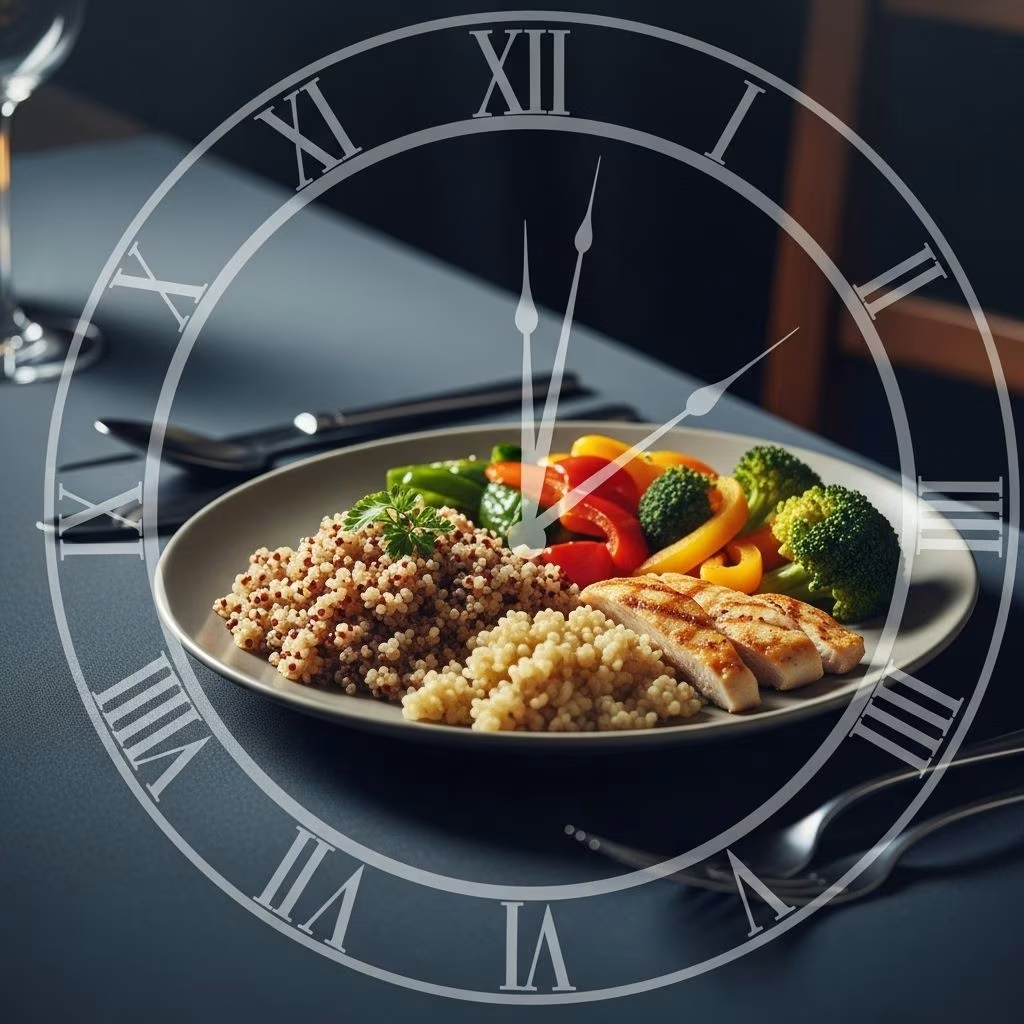
Can Eating Carbohydrates at Dinner Help You Lose Weight?
Conventional wisdom has long warned against eating carbs—especially at night—if you’re hoping to lose weight. Yet, exciting new research is challenging this notion, suggesting strategic carb consumption at dinnertime may actually boost weight loss and improve metabolic health. This article explores why the timing of carbohydrate intake matters, what the science says, and how you can apply these findings to your everyday routine for better weight management and overall health.
Why Carbohydrates Have Been Demonized in Diet Culture
For decades, carbohydrates have been painted as the dietary villain in the battle against the bulge. The belief that ‘carbs make you fat,’ especially when consumed at night, has fueled diet myths and led many to avoid pasta, rice, bread, and even starchy vegetables at dinner. Low-carb dieting philosophies have exploded in popularity, but do they actually deliver better long-term results? To unravel this, let’s examine how your body responds to carbohydrate intake and timing.
Carbohydrates: Not All Are Created Equal
- Complex carbs (whole grains, legumes, starchy vegetables) are fiber-rich, promote satiety, and provide steady energy.
- Simple carbs (refined sugars, pastries, sweetened cereals) are quickly digested and cause blood sugar spikes.
- The body’s main energy source is carbohydrate—especially critical for brain and muscle function.
- Restrictive low-carb diets can yield rapid weight loss, but are often difficult to sustain and may not always outperform balanced approaches in the long run.
How Does Carb Timing Impact Weight Loss?
Recent research disrupts the notion that eating carbs late guarantees weight gain. In fact, when you eat carbs—especially in the evening—may support better weight management for some people. This surprising discovery emerged from studies examining how meal timing interacts with hormones, metabolism, and satiety signals.
The Science Behind Nighttime Carbs and Weight Loss
- A clinical trial published in the journal Obesity tracked overweight police officers assigned to consume most of their daily carbs at dinner, compared to those who spread carb intake throughout the day.
- The dinner-carb group saw significant decreases in hunger, better satiety, greater fat loss, and improved levels of the hunger hormone ghrelin.
- Researchers believe concentrating carbs at night may regulate leptin and ghrelin rhythms, curbing appetite and preventing nighttime overeating.
- Other studies suggest eating carbs at dinner may help maintain healthy blood sugar levels, reduce nighttime food cravings, and increase adherence to balanced diets long-term.
Understanding Metabolic Rhythms and Carbohydrate Utilization
Your body’s metabolism follows a circadian rhythm—a natural, daily cycle that influences hormone levels, digestion, and energy expenditure.
- Insulin sensitivity is typically higher in the morning, meaning carbohydrates are more efficiently utilized after breakfast or lunch.
- However, for people with high evening hunger, saving a portion of carbs for dinner may prevent later binge-eating or unhealthy snacking.
- Research suggests that steady, moderate carb intake throughout the day, rather than heavy restriction or erratic spikes, supports stable energy and weight control.
Benefits of Eating Carbs at Dinner
The growing body of evidence points to several potential upsides of eating a moderate amount of quality carbohydrates at dinner:
- Reduced evening hunger: Carbs can help you feel satiated, decreasing the risk of post-dinner snacks and overeating.
- Better sleep quality: Carbohydrates support serotonin production, which is a precursor to the sleep hormone melatonin.
- Improved adherence: Allowing carbs at dinner makes healthy eating feel less restrictive, which boosts the likelihood of sticking with a weight-loss plan long term.
- Optimized fat loss: Some studies show improved fat-burning rates and healthier body composition in those consuming dinner carbs, particularly when combined with exercise.
Common Myths About Carbs and Nighttime Eating
- Myth: Eating carbs at night guarantees weight gain.
- Fact: Weight gain occurs when you consistently eat more calories than your body needs, regardless of timing.
- Myth: Carbs disrupt sleep or metabolism if consumed at dinner.
- Fact: Quality carbs in moderate portions can stabilize blood sugar and promote better sleep.
What Kind of Carbs Should You Eat at Dinner?
Not all carbohydrates have the same effects on health or weight:
- Choose: Whole grains (brown rice, quinoa, barley), sweet potatoes, beans, lentils, non-starchy vegetables, and fruit.
- Limit: Refined white bread, pasta, desserts, and sugary drinks, which cause blood sugar fluctuations and provide little nutritional value.
- Portion Control: Fill half your plate with non-starchy vegetables, one quarter with lean protein, and one quarter with healthy carbs.
Sample Dinner Ideas That Support Weight Loss
- Grilled salmon with quinoa and roasted broccoli.
- Lentil stew served over brown rice, with a side salad.
- Chicken stir-fry with mixed vegetables and a moderate portion of jasmine rice.
- Veggie chili with black beans and a small baked sweet potato.
Expert Tips for Optimal Carb Timing
| Tip | Explanation |
|---|---|
| Balance Your Plate | Incorporate lean protein, fiber, and healthy fats to slow carb digestion and prolong satiety. |
| Watch Your Portions | Stick to 1/4 or 1/3 of your dinner plate as carbs to avoid calorie overload. |
| Move After Meals | A 10–15 minute walk post-dinner helps regulate blood sugar and digestion. |
| Listen to Hunger Signals | Eat in response to true hunger, not emotion or routine. |
Are Low-Carb Diets Still Effective?
Low-carb diets can result in rapid weight loss—mainly due to initial water loss and decreased overall calorie intake. However, evidence suggests that after one year, those who follow low- or moderate-carb diets do not lose significantly more weight than people on other balanced plans. These diets are also challenging to sustain and may provoke cravings or lack of satiety in some individuals.
The key is quality and moderation, not elimination. Both carb-restricted and carb-inclusive diets can work, depending on your metabolism, preferences, and habits. The most successful long-term weight loss plans emphasize whole foods, self-awareness, and sustainability.
Smart Strategies to Incorporate Carbs for Long-term Success
- Prioritize fiber-rich carbs: Opt for whole grains, legumes, fruits, and vegetables to maximize nutrition and satiety.
- Customize timing to your lifestyle: If your hunger spikes at night, consider saving carbs for dinner to prevent binge eating or late-night snacks.
- Maintain consistency: Eat meals at regular times to support metabolic rhythms and energy stability.
- Stay active: Physical movement, especially after dinner, helps manage blood sugar and supports healthy weight loss.
Frequently Asked Questions (FAQs)
Q: Will eating carbs at dinner cause excess fat gain?
A: Not if you’re maintaining an overall calorie balance and choosing quality carbohydrates. Eating carbs at night alone does not promote fat gain—overeating overall does.
Q: What’s the ideal portion of carbs for dinner?
A: Aim to fill roughly a quarter of your dinner plate with healthy, high-fiber carbs like whole grains or starchy vegetables.
Q: Does meal timing really make a difference for weight loss?
A: For some people, yes. Eating carbs at dinner can improve satiety and help adhere to calorie goals. However, total daily intake and food quality matter most.
Q: Can eating carbs in the evening help with sleep?
A: Yes. Quality carbs boost serotonin and melatonin production, which can enhance sleep quality.
Key Takeaways
- Eating quality carbohydrates at dinner may aid weight loss and help manage hunger.
- Not all carbs—or meal timing strategies—work for everyone, so personalize to your lifestyle and listen to your body.
- Focus on moderation, fiber-rich foods, and healthy portions, and don’t fear carbs at night based on outdated myths.
- Pair balanced meals with active living and regular sleep for optimal results.
References
- https://www.prevention.com/food-nutrition/healthy-eating/a65221143/best-time-of-day-to-eat-dinner/
- https://www.prevention.com/weight-loss/diets/a65255830/low-carb-diets-weight-loss/
- https://www.prevention.com/weight-loss/a20512194/everything-you-need-to-know-before-you-go-on-a-low-carb-diet/
- https://www.prevention.com/weight-loss/a20432034/denise-austins-secrets-to-slimming-down/
- https://www.prevention.com/weight-loss/
- https://www.prevention.com/weight-loss/g24805401/fat-burning-foods/
- https://www.prevention.com/food-nutrition/healthy-eating/g30705839/high-protein-low-carb-meal-ideas/
- https://www.prevention.com/food-nutrition/healthy-eating/a65664887/ultra-processed-foods-weight-loss-gut-health-study/
- https://www.prevention.com/weight-loss/g20482528/this-is-your-perfect-day-for-weight-loss/


