


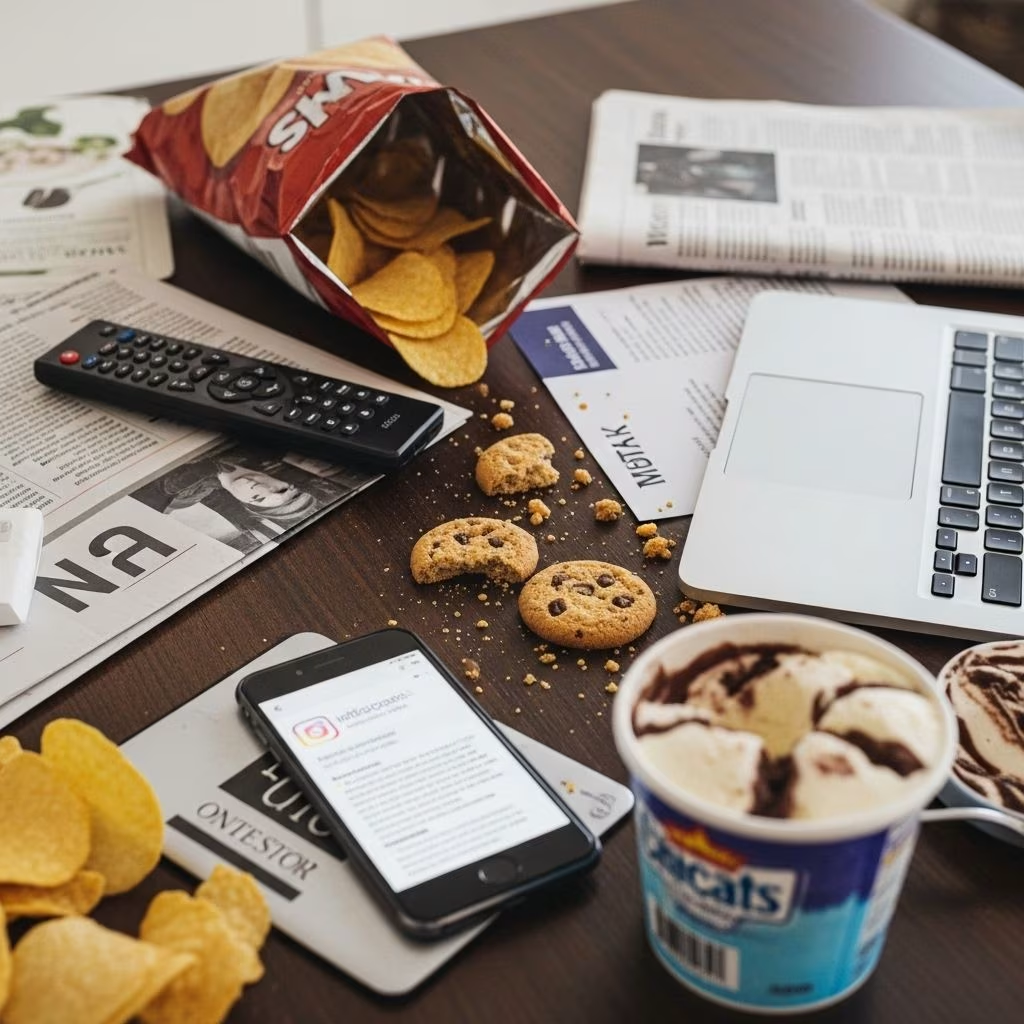
Mindless Eating: How Everyday Habits Sabotage Weight Loss
Have you ever wondered why, despite your best efforts, the weight doesn’t budge? You faithfully choose nutrient-dense meals, skip dessert, and minimize fried foods—so what gives? The answer might not be in what you eat, but how, when, and why you eat. Modern science calls it mindless eating—a silent saboteur of weight loss that can add hundreds of unnoticed calories to your day.
What Is Mindless Eating?
Mindless eating, sometimes called “amnesia eating,” refers to those moments when you consume food not out of true hunger but out of habit, boredom, distraction, or emotion. According to food psychologist Brian Wansink, PhD, while most people estimate making around 15 food decisions per day, the actual number is closer to 221 discreet choices—almost all on autopilot.* Every unconscious snack, extra helping, or taste-test becomes a hidden calorie trap, undermining even the most disciplined meal plans.
Why Does Mindless Eating Happen?
- Distractions: Multi-tasking (like watching TV or scrolling on your phone) during eating makes you less aware of portion sizes.
- Emotional triggers: Stress, sadness, or even excitement can drive you to the pantry for comfort food.
- Social cues: Dining with friends or family often leads to eating more than intended.
- Environmental signals: Plate size, food visibility, package portions, and even background music subtly affect how much we eat.
The Hidden Calorie Pitfalls of Mindless Munching
Everyday routines are riddled with opportunities for extra, forgotten calories:
- Nibbling while cooking or cleaning up the kitchen.
- Absentmindedly finishing children’s leftovers.
- Snacking during commutes or while watching TV.
- Accepting extra servings at social gatherings or eating out.
- Sneaking bites here and there throughout your workday.
Not only is this pattern common, it’s surprisingly easy to lose track. This autopilot grazing, even when the choices seem innocent, can collectively add up to hundreds of calories daily, enough to stall or reverse weight loss progress.
The Science Behind Mindless Eating
Research shows the context in which we eat may matter as much as what’s on our plates. Studies from Cornell University illustrate how environmental factors—like keeping food visible on the table, using larger plates, or eating straight from a package—influence satiety signals and portion control.*
But it’s not only environment. The type of food makes a difference too. Minimally processed, fiber-rich foods promote satiety and slow digestion, while ultra-processed foods are easy to overconsume and provide less satisfaction.†
Common Mindless Eating Traps (and How to Outsmart Them)
1. Restaurant and Buffet Overeating
The Trap: Being presented with abundant options or large serving sizes, especially at restaurants or when meals are served family-style, can trigger your instinct to “eat while food is available.”
Smart Strategy:
- Out of sight, out of mouth: Serve high-calorie dishes from the kitchen and bring only produce to the table. Keeping tempting foods out of reach reduces mindless picking and can cut meal time calories by 15–20%.
- Pre-portion your plate: Instead of helping yourself to seconds from serving bowls, fill your plate once in the kitchen and avoid refill temptation.
2. Social and Emotional Eating
The Trap: Following the crowd, celebrating, or even stress-relief can override your hunger signals. Research shows people tend to eat more in groups.
Smart Strategy:
- Pause and reflect: Check in with your hunger—are you eating to join others or to soothe an emotion?
- Focus your attention: Engage more in conversation or activity and keep your hands busy (e.g., knitting, holding a drink, or playing a game) to resist absent-minded snacking.
3. Grazing During Multitasking
The Trap: Eating while at your computer, scrolling on your phone, driving, or even reading a book often leads to “eating amnesia.”
Smart Strategy:
- Designate eating zones: Make it a rule to only eat at the table, without screens or distractions.
- Serve snacks in a bowl: Never eat straight from packages. Portion out a serving first so you’ll notice when you’re finished.
4. Kitchen and Cleanup Culprits
The Trap: Picking at food while making meals or clearing away leftovers adds up.
Smart Strategy:
- Keep gum handy: Chew sugarless gum while prepping food or tidying up—removing gum to nibble forces you to pause and reconsider.
- Pack up leftovers promptly: Don’t let food linger within reach—store or toss food as soon as meals are done.
Simple Steps Toward Mindful Eating
Mindful eating is the antidote to mindless consumption. It means paying attention not just to what you eat, but to why, when, and how you eat it. Here are practical ways to get started:
- Keep a gratitude journal: Taking a few moments each day to note what you’re grateful for can increase optimism and make you more resilient against emotional eating triggers.
- Eat breakfast every morning: Skipping breakfast can lead to blood sugar swings and increased cravings for high-calorie foods. Opt for meals with protein, fiber, and healthy fats (think yogurt, eggs, or whole-grain oatmeal).
- Practice mindful rituals: Setting aside time to enjoy your tea, meditate, or listen to music before meals can help you tune into internal signals and eat with intention.
- Slow down: Chew slowly and savor textures and flavors—you’ll naturally eat less and feel more satisfied.
- Plan your plate: Fill half your plate with vegetables and fruit first to ensure nutrient-dense choices and reduce the urge for seconds.
Processed vs. Whole Foods: Their Role in Mindless Eating
According to new research, minimally processed foods are more satiating and support healthy metabolism, while ultra-processed foods are engineered to make us crave more and eat beyond fullness. Participants in a controlled study lost twice the weight on a minimally processed diet compared to an ultra-processed one, despite similar calorie content. The takeaway? The quality and degree of processing can make a real difference to appetite regulation and weight loss success.†
- Whole foods: Often higher in protein and fiber, they fill you up faster and help regulate hunger hormones.
- Ultra-processed foods: Enjoyable but easier to overeat, less filling, and can trigger more cravings.
Table: Mindful Eating vs. Mindless Eating
| Mindful Eating | Mindless Eating |
|---|---|
| Conscious of hunger and fullness cues | Eat out of habit or emotion |
| Single-task during meals | Eat while watching TV, working, or driving |
| Portion food out before eating | Snack from packages or communal plates |
| Eat slowly, savoring flavors | Rush meals or eat on autopilot |
| Choose whole, unprocessed foods | Rely on ultra-processed snacks |
Frequently Asked Questions (FAQs)
Q: How do I know if I’m eating out of hunger or habit?
A: Pause and ask yourself: When did I last eat? Am I physically hungry, or am I stressed or bored? True hunger builds gradually; cravings are sudden and urgent.
Q: What are the best first steps to combat mindless eating?
A: Create “no-food” zones (like your work desk or living room), plan meals and snacks, slow down at meals, and keep tempting foods out of sight.
Q: Can processed foods really affect my appetite and weight loss?
A: Yes, studies show that ultra-processed foods are less filling and easier to overeat. Switching to whole or minimally processed foods improves satiety and makes it easier to maintain a healthy weight.
Q: Is emotional eating always unhealthy?
A: Occasional emotional eating is normal. The problem arises when it becomes a go-to coping mechanism, leading to excess calorie intake and weight gain. Building alternative coping skills—like journaling, walking, or talking with friends—can help break the cycle.
Takeaway: Transforming Habits, Transforming Health
The path to lasting weight loss isn’t paved by willpower alone. When you recognize and address the subtle influences behind every eating decision, you can close hidden loopholes, make empowered choices, and finally see the results you want. Small, mindful changes—like restructuring your environment, building intentional rituals, and focusing on whole foods—not only curb unnecessary calories but restore the enjoyment of eating itself. Each moment of awareness brings you closer to your health goals, meal by meal, bite by bite.
References
- https://www.prevention.com/weight-loss/a20451331/5-ways-to-stop-mindless-eating/
- https://www.prevention.com/weight-loss/a20452429/diet-success-and-mindless-eating/
- https://www.prevention.com/weight-loss/a20451989/mindless-eating-0/
- https://www.prevention.com/food-nutrition/healthy-eating/a65664887/ultra-processed-foods-weight-loss-gut-health-study/
- https://www.prevention.com/weight-loss/a20428862/mindless-eating/
- https://www.prevention.com/weight-loss/a20462232/lose-weight-without-even-trying-with-mindfulness/
- https://www.prevention.com/weight-loss/a20472857/how-mindful-eating-helped-me-lose-weight-and-love-food/
- https://www.prevention.com/weight-loss/a20501539/how-to-maintain-weight-loss/
- https://www.prevention.com/weight-loss/g29873479/weight-loss-myths/
- https://www.prevention.com/food/healthy-eating-tips/trick-yourself-eating-less


