


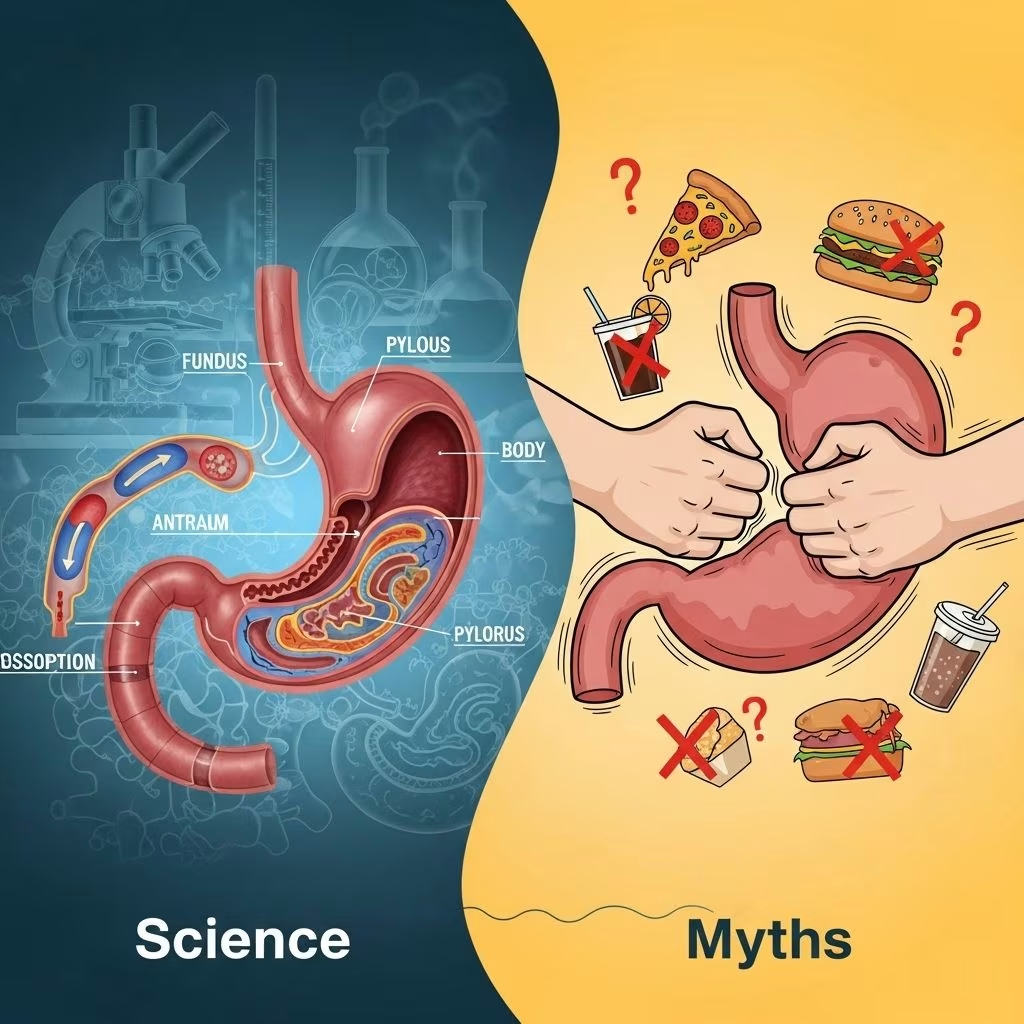
Can You Really Shrink Your Stomach? The Science, Myths, and Better Ways to Manage Appetite
Chances are you’ve heard it before: Cut down on how much you eat, and your stomach will shrink, helping you feel fuller with less food. It’s a claim repeated for years by diet books, well-meaning friends, and probably even your family. But is there any scientific truth behind the idea that your stomach physically shrinks when you eat less—or is this just another myth in the world of weight loss?
The Origin of the Stomach-Shrinking Myth
The notion that your stomach can “shrink” if you restrict your intake has a certain logic: Eat less, and the stomach becomes smaller; eat more, and it stretches like a balloon. On the surface, it makes sense—and the human stomach is, indeed, highly elastic. After a large meal, the stomach can expand to hold more, and when empty, it contracts back down. This elasticity enabled our ancient ancestors to feast after successful hunts and survive in lean times, but most of us today aren’t facing such dietary extremes. Still, does long-term calorie restriction result in a permanently smaller stomach?
Sorry, But It’s a Myth That Your Stomach Can Permanently Shrink
According to gastroenterologists and nutrition experts, eating less does not physically reduce the size of your stomach for good. While your stomach can temporarily expand to accommodate large volumes of food and contract when empty, it quickly returns to its normal size after a few hours, regardless of how little or how much you’ve consumed on a particular day.
Dr. Nitin Kumar, a gastroenterologist, explains: “Your belly is elastic and can change size for a short amount of time—after a feast it expands, and it snaps back soon after. But cutting calories day after day will not make your stomach shrink permanently.”
- Temporary stretching happens with large meals, but it’s not the same as long-term reduction.
- Once food is processed, the stomach contracts to its typical resting state.
- People who’ve lost significant weight through diet alone have the same-sized stomachs as those who haven’t.
So while you can stretch or contract your stomach in the short term, you cannot “train” your stomach to be permanently smaller just by consistently eating less food.
Do Overweight People Have Larger Stomachs?
A common extension of the stomach-shrinking myth is the belief that larger people have bigger stomachs, and thin people have small ones. The evidence doesn’t stack up:
- Research published in Gastroenterology found that stomach capacity does not vary significantly by body weight. Both lean and overweight individuals have similar-sized stomachs at rest.
- Stomach size is not what determines how much you eat; rather, it’s a complex interplay between hormones, genetics, eating habits, and even psychological cues.
If your stomach size stayed permanently expanded from eating too much, it would be impossible for heavy eaters to ever feel full or for dieters to ever feel satisfied after losing weight. The body, however, is designed to maintain a stomach volume that supports survival, regardless of weight fluctuations.
Why Do You Feel Hungrier When Eating Less?
Attempting to curb your appetite by slashing calories often backfires. Here’s why:
- When you cut back drastically on food, your body interprets this as potential starvation.
- This triggers a rise in the hunger hormone ghrelin, making you crave food more intensely.
- Your metabolism slows to conserve energy, making weight loss harder.
- Body temperature may decrease as the body attempts to save calories.
You might notice increased cravings, irritability, and a general sense of being unsatisfied. This isn’t because your stomach is shrinking, but because your body is fighting to maintain its set point and avoid perceived starvation.
The Risks of Drastic Calorie-Cutting
Attempting a “crash diet” or slashing your food intake with the hope of shrinking your stomach is a strategy that rarely works for long-term weight management. In fact, it can be downright counterproductive:
- Rebound weight gain: Most people who lose weight quickly through extreme restriction regain the pounds—and sometimes more—once normal eating resumes.
- Loss of lean muscle: The body may begin to break down muscle for energy if starvation continues, slowing your metabolism even further.
- Physical symptoms: Fatigue, irritability, brain fog, weakened immunity, and a higher risk of nutrient deficiencies.
- Unsustainable habits: Diets that are too restrictive are difficult to maintain and can foster an unhealthy relationship with food.
Smarter Approaches to Appetite Regulation and Weight Loss
While you can’t shrink your stomach through calorie cutting, there are science-backed methods to curb appetite, feel fuller, and promote sustainable weight loss. These strategies focus on gentle, long-term adjustments rather than dramatic, short-lived changes.
1. Cut Calories Gradually, Not Abruptly
Instead of aggressive restriction, experts recommend trimming just 100–200 calories per day by making small swaps—such as skipping sugary drinks or reducing oil in recipes. These modest changes avoid triggering intense hunger signals, giving your body time to adapt.
- Track your intake for a few days to identify areas for easy cutbacks.
- Replace high-calorie foods with lower-calorie but equally satisfying options.
2. Eat More Frequently, Not Less Often
Eating smaller, more frequent meals or “mini-meals” can help stave off hunger and keep blood sugar steady. Consider 3 main meals plus 2 healthy snacks evenly spaced through the day.
- Mini-meals prevent the stomach from getting too empty, curbing cravings.
- Include fiber, protein, or healthy fats at each eating occasion for satiety.
3. Slow Down and Mind Your Portions
Speed eating tricks your body into thinking it’s still hungry, because satiety signals take 15–20 minutes to reach the brain. To feel full with reasonable portions:
- Put down your fork or spoon between each bite.
- Pause to savor flavors and textures.
- Stop eating before you feel uncomfortably stuffed.
4. Choose Foods That Promote Fullness
Not all foods have the same impact on satiety. To feel fuller on fewer calories, focus on foods high in:
- Protein: Helps prolong feelings of fullness.
- Fiber: Slows digestion; found in vegetables, fruits, beans, oatmeal, and whole grains.
- Water: Soups, produce, and hydrating foods bulk up meals without adding calories.
5. Limit Refined Carbohydrates and Processed Foods
Foods high in sugar or refined grains are digested quickly, causing spikes (and subsequent crashes) in blood sugar and insulin. This cycle can trigger more hunger, especially around the belly area.
- Swap white bread, bagels, crackers, and pastries for whole-grain options.
- Watch out for processed foods marketed as “diet” but loaded with sugar alcohols or additives that may cause bloating.
6. Add Healthy Fats in Moderation
Contrary to old diet advice, eating some fat can actually help control appetite. Monounsaturated fats—found in nuts, avocados, and olives—help you feel satisfied and may reduce belly fat storage.
- Aim for 25–35% of your calories from healthy fats.
- Use olive oil for salads, snack on a handful of nuts, or add avocado to meals.
7. Increase Daily Physical Activity
Exercise doesn’t directly shrink your stomach, but it aids in calorie burn, curbs stress-related eating, and helps preserve muscle while losing fat. Aim for consistency over intensity:
- Find activities you enjoy, from brisk walking to team sports.
- Incorporate regular strength training and core exercises to boost metabolism and energy.
Quick Facts: Stomach Size, Appetite, and Weight Loss
| Myth/Fact | Reality |
|---|---|
| Your stomach shrinks if you eat less | False: Stomach size returns to normal after a meal, does not shrink with continued restriction. |
| Bigger people have bigger stomachs | False: Stomach size is similar regardless of body weight. |
| Eating slowly helps control appetite | True: Gives time for fullness signals to reach your brain. |
| Frequent small meals aid appetite control | True: Prevents excessive hunger, supports steady blood sugar. |
Frequently Asked Questions (FAQs)
Does eating less make your stomach shrink?
No. While your stomach can temporarily contract or expand depending on what you eat, its baseline size remains unchanged with continued calorie reduction.
Why do I feel hungrier on a diet?
A major drop in calorie intake increases hunger hormones, slows metabolism, and sends signals that your body is at risk of starvation, causing persistent hunger.
Do surgical procedures shrink the stomach?
Unlike dietary changes, weight loss surgeries (like gastric bypass or sleeve gastrectomy) do physically reduce stomach size. These are medical interventions with significant risks and are considered for those with obesity who have not succeeded with lifestyle adjustments.
Can you train your stomach to want less food?
You can influence your appetite signals and satisfaction levels through mindful eating, choosing satiating foods, and adjusting eating frequency—but not by permanently changing stomach size.
What’s the healthiest way to lose weight?
Gradual, sustained calorie reductions paired with increased physical activity, focus on whole foods, maintaining adequate protein, fiber, and healthy fat intake, and attending to habits like eating slowly and being mindful.
Practical Tips for Appetite and Portion Control
- Keep healthy snacks (like cut vegetables or fruit) ready for between meals.
- Drink water before meals to help feel fuller.
- Fill half your plate with vegetables at lunch and dinner.
- Practice portion control with smaller plates and serve modest first portions—wait before deciding on seconds.
- Plan meals ahead to avoid impulsive, high-calorie choices when you’re hungry.
Key Takeaway: Don’t Focus on Stomach Size, Focus on Habits
Science makes it clear: Your stomach isn’t going to shrink if you simply eat less. Instead, real success in feeling fuller, satisfying your appetite, and managing your weight comes from sustainable tweaks to your eating habits and activity—not drastic deprivation. Use small, steady steps, prioritize nutrient-dense foods, and remember that your body is wired to survive, not just comply with dieting trends.
References
- https://www.prevention.com/weight-loss/a20499763/stomach-shrink/
- https://www.prevention.com/weight-loss/a20435538/tips-to-flatten-your-belly/
- https://www.prevention.com/weight-loss/g20431867/how-to-love-your-belly-at-any-age/
- https://www.piedmont.org/living-real-change/can-your-stomach-shrink
- https://www.prevention.com/weight-loss/g20432112/15-ways-to-flatten-your-belly/
- https://www.prevention.com/weight-loss/a20458064/new-research-on-how-to-lose-belly-fat/
- https://www.prevention.com/weight-loss/a20476007/i-lost-30-pounds-with-stomach-balloons/
- https://www.prevention.com/weight-loss/a20505040/the-10-minute-solution-to-shed-belly-fat/
- https://www.prevention.com/weight-loss/diets/a20432514/flat-belly-diet-experts/
- https://www.prevention.com/health/a37612428/gut-health-guide/


