


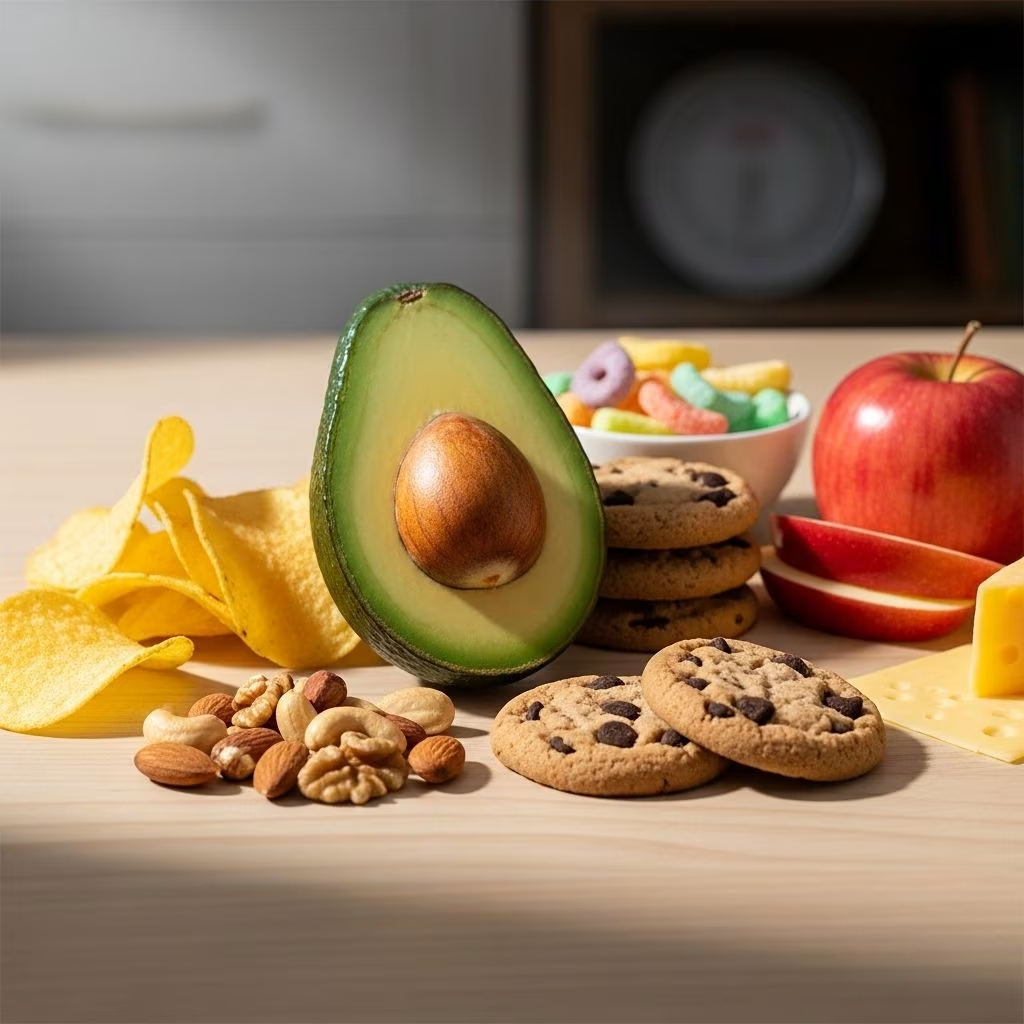
How Excessive Snacking Can Contribute to Weight Gain
Snacking between meals has become a staple in modern eating patterns, often viewed as a harmless way to satisfy hunger or curb cravings. However, mounting evidence suggests that frequent, uncontrolled snacking—especially on energy-dense foods—can stealthily sabotage weight loss efforts and contribute to the buildup of abdominal fat. This article explores the science behind snacking-induced weight gain, the subtle factors driving overconsumption, and actionable tips for managing snack habits for optimal health.
Why Snacking Can Cause Weight Gain
While snacking is often intended to provide a small boost of energy between main meals, research increasingly points to its role in unintentional calorie excess and declining nutritional quality of diets. Key findings include:
- Snacking reduces hunger at meal times. Frequent snackers may feel less hungry for balanced meals and, as a result, skip essential nutrients provided in main meals, risking nutritional deficiencies and overconsumption of empty calories.
- Larger package sizes promote higher intake. The amount people eat from pre-packaged snacks is often directly related to package size, not to personal hunger or serving size recommendations—a phenomenon linked to misleading portion information on labels.
- Eating energy-dense snacks can lead to gradual weight gain. Sweets, cakes, and processed savory items are high in calories but low in satiety, making it easy to consume excess energy without feeling full.
- Snack timing can affect abdominal fat accumulation. Consuming high-calorie snacks between meals—rather than with meals—has been shown to increase belly fat and insulin resistance, elevating long-term health risks.
Subtle Factors That Drive Overeating When Snacking
Overeating isn’t always deliberate. Subtle psychological and situational cues make snack overconsumption almost inevitable in today’s environment:
- Variety effect: A greater diversity of available snack flavors and options encourages eating more. The constant introduction of new snacks and flavor combinations is designed to boost appeal and drive overconsumption.
- Distraction: Snacking while watching TV, working, or engaging in screen time lessens awareness of how much is eaten, resulting in mindless eating and often underestimating calorie intake.
- Social influence: Eating snacks with others, especially those prone to consuming larger portions, can unconsciously increase your own snack intake due to social mimicry and acceptance.
- Implicit preferences and low inhibitory control: Individuals who strongly prefer snacks and have weaker impulse control are shown to gain more weight over time in research cohorts.
Energy-Dense Foods vs. Nutrient-Dense Foods
The impact of snacking on weight is largely determined by the nutritional quality and energy density of the foods consumed between meals:
| Snack Type | Main Features | Effects on Weight |
|---|---|---|
| Energy-Dense Snacks | High in calories, sugar, fat; low in nutrients Examples: Potato chips, cookies, sweet pastries | Associated with increased annual weight gain and abdominal fat |
| Nutrient-Dense Snacks | High in protein, fiber, vitamins; lower calorie density Examples: Almonds, whole fruit, low-fat yogurt | May support healthy weight and satiety; little evidence for weight gain |
Studies have shown that consuming snacks like nuts, fruit, or whole grains does not lead to significant weight gain and may even improve body composition if included as part of a balanced diet. Conversely, energy-dense snacks drive excess calorie intake and may promote fat accumulation, particularly when consumed mindlessly or in large quantities.
The Challenge of Portion Control
Portion awareness is a hidden challenge in snacking and one of the most common pitfalls for those seeking to control their weight:
- Package labeling is misleading: Snack packs often contain multiple servings, yet they are marketed as “single serving.” This results in consumers eating much more than they realize and unintentionally consuming double or triple the calorie content.
- Larger portions drive greater intake: Research demonstrates that increasing portion sizes by just 50% can increase daily energy intake by 16%; doubling portion sizes can boost intake even more, amplifying risk for weight gain.
- The ‘clean plate’ tendency: Many people habitually finish snack packages, regardless of satiety, contributing to excess caloric intake.
Impact on Metabolic Health and Belly Fat
Snacking doesn’t just influence weight—it may also affect the distribution of body fat and vital metabolic processes:
- Research links snacking timing and belly fat: Eating calorie-dense snacks between meals, rather than with meals, leads to higher levels of abdominal and liver fat. This is associated with worsening insulin sensitivity, a major risk factor for diabetes and heart disease.
- Cyclic fasting and feeding support metabolic function: Experts hypothesize that metabolic machinery works best with distinct periods of fasting and feeding, rather than constant grazing. All-day snacking interrupts insulin cycles and may impair the body’s efficient nutrient handling.
- Effect on children and adolescents: Some studies indicate that snacking alone does not drive obesity in children, but frequent consumption of sugar-sweetened beverages is a known risk factor for weight gain in youth.
While all calorie surplus can lead to weight gain, where and when you consume those calories can make a bigger difference than previously thought.
Social and Environmental Triggers for Snack Overconsumption
Modern environments make it easy to fall into the trap of frequent, high-calorie snacking. Consider these major triggers:
- Screen time distractions: Eating snacks during activities such as TV viewing or computer work lowers self-awareness and increases the risk of overeating.
- Group snacking dynamics: Social gatherings can prompt larger snack portions and increase the likelihood of overconsumption due to conformity and social cues.
- Food marketing and accessibility: Ubiquitous snack ads and ‘grab and go’ options drive impulse purchases and grazing throughout the day.
- Emotional eating: Stress or boredom are common triggers for mindless snacking, often resulting in consumption of foods high in fat, salt, or sugar.
Mindful Eating: Strategies to Avoid Snack Overload
Overcoming the pitfalls of excessive snacking requires a blend of practical habits and mindfulness:
- Embrace intentional snacking: Choose snacks with a purpose—such as to bridge hunger between meals, not out of boredom or impulse.
- Practice mindfulness: Savor small bites, chew thoroughly, eat slowly, and use all senses to appreciate colors, textures, and flavors. This increases satisfaction and reduces risk of overeating.
- Read nutrition labels: Always check serving sizes and total calorie counts before opening a package or consuming a snack.
- Pre-portion snacks: Avoid eating straight from large packages. Instead, serve snacks in small bowls or containers to keep portions reasonable.
- Limit grazing during screen time: Designate specific breaks for snacking, ideally away from digital devices to increase focus on taste and satiety.
- Prioritize nutrient-dense options: Opt for snacks rich in protein, fiber, and vitamins rather than processed, energy-dense alternatives.
- Monitor social settings: Be aware of social cues that may urge you to eat more than intended in group environments.
Sample Mindful Snack Choices
- Fresh fruit (apples, oranges)
- Unsalted nuts (almonds, walnuts)
- Low-fat yogurt with berries
- Raw vegetables and hummus
- Whole grain crackers with low-fat cheese
Frequently Asked Questions (FAQ)
Q: Does snacking always lead to weight gain?
A: No, snacking does not inevitably lead to weight gain. The risk is highest when snacking includes energy-dense, low-nutrient foods or when snack portions are uncontrolled. Mindful, purposeful snacking on nutrient-rich foods is unlikely to impact weight negatively.
Q: Are healthy snacks safe to consume between meals?
A: Yes, healthy snacks such as fruits, nuts, and low-fat dairy can be part of a balanced diet and may even improve satiety, provided they are consumed in appropriate portions and as part of a holistic meal pattern.
Q: What makes portion sizes on snack packaging misleading?
A: Many snack packages contain several servings, but their labeling and design make them appear to be “single serve.” Always check the Nutrition Facts panel to determine the true calorie content before consuming the entire package.
Q: Is it better to eat three meals or multiple snacks throughout the day?
A: Evidence suggests that eating three structured meals may be healthier than grazing continuously. Continuous snacking can disrupt natural metabolic cycles and is linked to increased abdominal and liver fat when those snacks are high in calories.
Q: What is the “variety effect” in snacking?
A: The “variety effect” is the tendency to eat more when presented with different flavors and snack choices. A wide range of available snacks increases palatability, making overconsumption more likely.
Conclusion
While snacking is a normal part of eating for many people, unchecked habits can easily contribute to undesirable weight gain and metabolic complications. By recognizing the influence of package size, snack variety, distraction, and social settings on snack intake, and by adopting practical strategies for mindful snacking, individuals can make informed choices that better support their health and weight management goals.
References
- https://nutritionsource.hsph.harvard.edu/snacking/
- https://pmc.ncbi.nlm.nih.gov/articles/PMC5015032/
- https://www.prevention.com/weight-loss/a20472349/how-snacking-could-mean-more-belly-fat/
- https://www.prevention.com/weight-loss/a20437804/eating-mistakes-that-cause-weight-gain/
- https://www.prevention.com/weight-loss/a20437558/how-too-much-snacking-makes-you-gain-weight/
- https://www.prevention.com/weight-loss/a20435818/eating-mistakes-leading-to-weight-gain/
- https://www.prevention.com/weight-loss/a20471164/mistakes-made-after-weight-gain/
- https://www.prevention.com/weight-loss/a20428247/weight-gain-calories/
- https://www.prevention.com/weight-loss/a20456147/prevent-excessive-snacking/
- https://www.prevention.com/food-nutrition/g20498199/foods-you-should-never-eat/


