


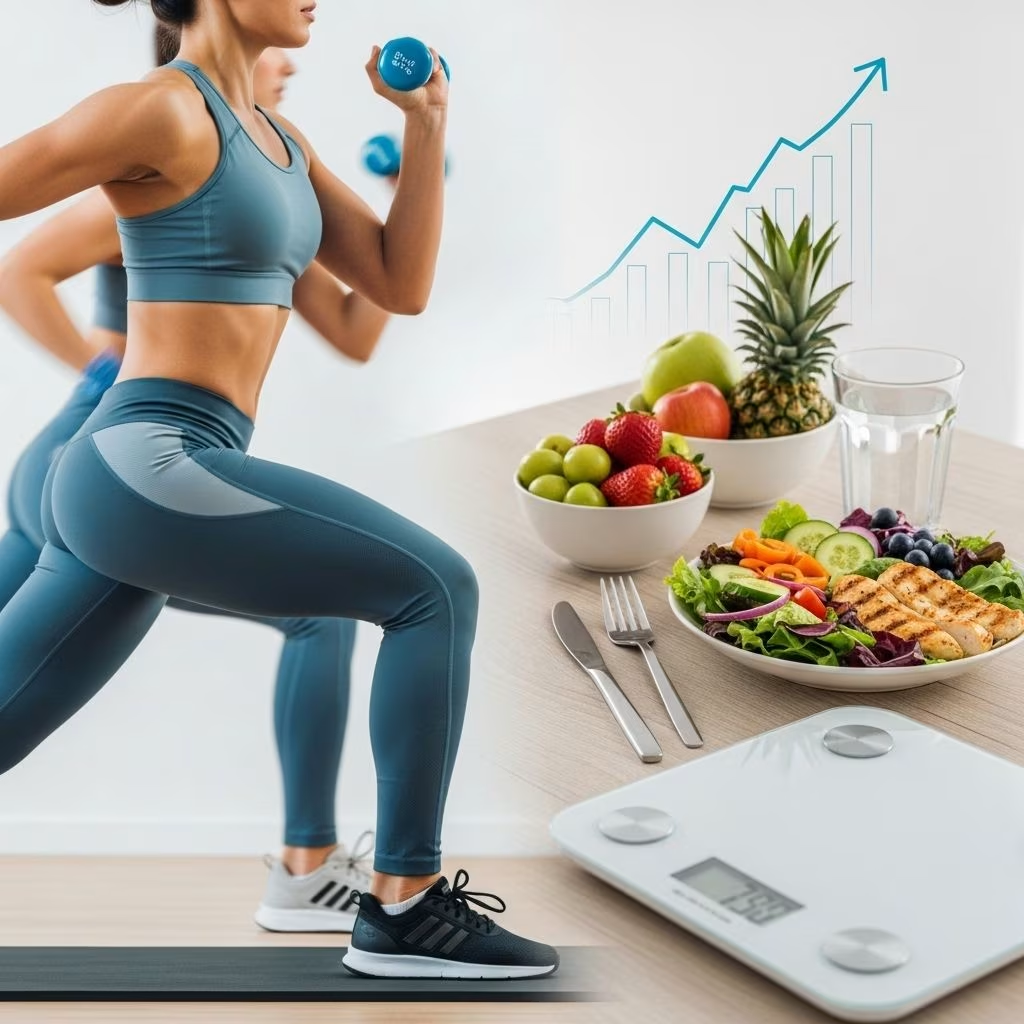
Exercise is often seen as the go-to solution for shedding pounds, but the realities of how movement affects weight loss are more complicated than most people think. This article explores the real relationship between exercise and weight loss, how your body responds, common misconceptions, and strategic advice for lasting results.
Does Exercise Alone Lead to Significant Weight Loss?
For many, starting a new exercise regimen brings hope of rapid and significant weight loss. However, scientific research continues to show that exercise alone rarely leads to dramatic fat loss without dietary change.
- Large clinical studies demonstrate that exercise-only interventions typically result in modest weight loss—generally averaging 2–3 kg (4–7 lbs) over several months in overweight and obese adults.
- To achieve even these results, participants must often complete more than the usual recommended 150 minutes per week, sometimes reaching 225–300 minutes of moderate to vigorous activity weekly.
- Most individuals require a combination of dietary modification and exercise for effective, sustainable weight loss.
Why isn’t exercise alone enough? Your body is highly efficient at regulating energy balance. Increases in physical activity can provoke greater hunger and reduce non-exercise movement, canceling out some of the calories burned during workouts.
The Calorie Equation: How Exercise Burns Energy
Weight loss depends on burning more calories than you consume. At first glance, exercising more seems a logical way to tip the scales in your favor. But the math is not always straightforward:
- Burning 3,500 calories theoretically equals losing one pound of fat, but your metabolism adapts over time, making sustained losses harder.
- Calorie burn from exercise is generally lower than people expect. For example, a brisk 30-minute walk might burn 120-150 calories—roughly the energy in a small granola bar.
- Vigorous or long-duration exercise is required to make meaningful caloric dents—often unrealistic for busy lifestyles.
Energy Compensation: An Unexpected Roadblock
Several mechanisms can dampen the efficiency of exercise-induced weight loss:
- Increased hunger and calorie intake after exercise sessions.
- Spontaneous reduction in physical activity outside of workouts (e.g., less fidgeting or walking throughout the day).
- Adaptive metabolism: As you lose weight, your body becomes more efficient and burns fewer calories at rest and during movement.
What the Science Says: Key Research Insights
Reviewing major studies and expert position papers clarifies the real impact of exercise on weight loss:
- Most adults need a minimum of 150 minutes per week of moderate-intensity aerobic activity to see modest body weight changes. More significant fat loss appears at 225–300 minutes per week.
- Exercise alone typically leads to an average loss of 1–3 kg (<2–7 lbs>) over 3–6 months.
- Aerobic exercise consistently reduces waist circumference and total body fat, but combining it with diet yields the best results.
- Resistance training, while not directly leading to major weight loss, preserves muscle and helps improve metabolism and body composition.
- Studies show that people who regain weight after initial losses usually reduce their activity levels as well.
| Exercise Dose | Expected Weight Loss | Additional Effects |
|---|---|---|
| <150 min/week | Minimal (below 2 kg) | Some fat reduction, minor waist change |
| 150–300 min/week | 2–5 kg (4–11 lbs) | Waist -2 to -4 cm, improved fitness |
| >300 min/week | Up to 7.5 kg (16 lbs)* | Best for fat loss, improved health markers |
*Results vary greatly by age, sex, baseline weight, and genetics.
Why Diet Matters Most for Weight Loss
Research universally underscores that calorie intake is the major factor for shedding pounds. Even large amounts of exercise cannot consistently overcome a poor diet.
- It is much easier to create a caloric deficit by reducing food intake than solely increasing activity.
- The best weight loss outcomes occur with a combined approach: calorie control plus consistent exercise.
But Exercise Provides Unique Benefits
Although exercise may not guarantee dramatic weight loss, its importance should not be underestimated. Its benefits extend far beyond what’s seen on the scale:
- Fat Loss, Not Just Weight Loss: Exercise helps you lose fat rather than muscle, leading to a healthier body composition—even if the scale isn’t dropping quickly.
- Boosts Metabolic Health: Physical activity improves blood pressure, cholesterol, insulin sensitivity, and cardiovascular function, lowering risk for chronic disease.
- Supports Weight Maintenance: Active people are far more likely to keep weight off long term. Over 90% of successful weight-loss maintainers in large registries exercise regularly.
- Improves Mood and Reduces Stress: Regular movement boosts mental well-being, making it easier to maintain new habits and control emotional eating.
Aerobic vs. Resistance Exercise: Which Is Best?
| Type | Examples | Key Benefits |
|---|---|---|
| Aerobic (Cardio) | Walking, swimming, cycling, running | Burns calories, reduces body fat, improves heart health |
| Resistance Training | Weights, resistance bands, bodyweight moves | Preserves/builds muscle, supports metabolism, strengthens bones |
| Combined Programs | Mix of both above | Maximizes fat loss, maintains muscle, best for health and maintenance |
While aerobic exercise generally leads to greater weight loss, combining resistance and aerobic training yields optimal body transformation and long-term maintenance.
Getting Started: How to Make Exercise Work for Weight Loss
If you hope to use exercise to lose weight or support a slimmer, healthier body, consider the following expert strategies:
- Build Up Slowly: Start with 100–150 minutes per week and gradually increase toward 225–300 minutes. Consistency, not perfection, is key.
- Incorporate Intensity: Mix brisk walking or moderate biking with intervals or higher-intensity activities a few times per week for greater calorie burn.
- Add Strength Training: Participate in two to three full-body resistance sessions per week to build lean muscle and support resting metabolism.
- Reduce Sedentary Time: Break up long sessions of sitting, even on days you’re not formally exercising.
- Pair with Nutrition Strategies: Track food intake, consider portion sizes, and aim for a small daily calorie deficit for more sustainable results.
Common Exercise and Weight Loss Myths
- Myth: Exercise alone is enough to burn off major weight. Reality: Most people cannot out-exercise a poor diet.
- Myth: All calories burned count equally. Reality: Your body may compensate by moving less or eating more after workouts.
- Myth: Weight loss from exercise happens quickly. Reality: Changes are often gradual and might not show up on the scale right away.
- Myth: Targeted exercises burn belly fat. Reality: Spot reduction is a myth; fat loss happens throughout the body.
Maintaining Weight Loss: The Role of Physical Activity
While exercise alone may not melt pounds, it is indispensable for keeping lost weight from creeping back. The National Weight Control Registry reports that most successful weight-loss maintainers get significant weekly physical activity—often exceeding 250–300 minutes per week.
- Consistent exercise not only burns calories but also helps regulate hunger.
- Physically active people sustain greater muscle mass, keeping metabolism higher during weight maintenance.
Tip: Choose activities you enjoy. Social sports, dance, swimming, group fitness, hiking, or home routines are excellent ways to build lasting habits.
Beyond Weight: The True Rewards of Exercise
If you focus solely on the scale, you might overlook the profound changes exercise makes to your overall health, lifespan, and quality of life:
- Improved sleep patterns
- Higher energy levels
- Reduced risk for most chronic illnesses (diabetes, heart disease, some cancers)
- Stronger bones, joints, and muscles as you age
- Elevated mood, less anxiety, and improved cognitive health
Frequently Asked Questions (FAQs)
Q: Is it possible to lose weight by just exercising?
A: While some individuals can lose weight with exercise alone, most need to combine physical activity with dietary changes for significant results. Exercise contributes to creating a calorie deficit, but controlling calories consumed is typically more effective.
Q: How much exercise should I do for weight loss?
A: Aim for at least 150 minutes of moderate-intensity activity weekly for modest results. For greater fat loss, try building up to 225–300 minutes per week, paired with healthy eating.
Q: Which is better for weight loss, cardio or resistance training?
A: Cardio is most effective for burning calories and fat, but resistance training builds muscle that boosts metabolism. The best outcomes happen when both are combined into your weekly routine.
Q: Why am I exercising but not losing weight?
A: Plateaus are common. Possible reasons include increased appetite and eating more, underestimating calorie intake, or your body adapting to your workout. Track both food and movement for better insight.
Q: Is exercise still worth it if it doesn’t show up on the scale?
A: Absolutely! Exercise improves heart health, mood, strength, sleep, blood sugar, and body composition—even if your weight stays the same or changes slowly.
Key Takeaways for Lasting Results
- Exercise helps with fat loss and is vital for keeping weight off, but calorie intake primarily determines how much weight you’ll lose.
- For most people, combining consistent activity (150–300+ min/week) with healthy, mindful eating is the ultimate weight loss formula.
- Focus on health, energy, and well-being, not just the number on the scale.
- Make movement enjoyable by choosing activities you love for life-long success.
References
- https://pmc.ncbi.nlm.nih.gov/articles/PMC5556592/
- https://jamanetwork.com/journals/jamanetworkopen/fullarticle/2828487
- https://www.prevention.com/weight-loss/a20497754/exercising-for-weight-loss/
- https://www.prevention.com/weight-loss/
- https://www.prevention.com/fitness/workouts/a45266656/morning-workouts-better-for-weight-loss-study/
- https://www.prevention.com/weight-loss/a20434069/exercise-and-weight-loss-1/
- https://www.prevention.com/weight-loss/a36065492/rethinking-body-weight/
- https://www.prevention.com/weight-loss/g29761485/medical-weight-loss/
- https://www.prevention.com/fitness/a37857801/7-day-weight-loss-preparation-guide/


