


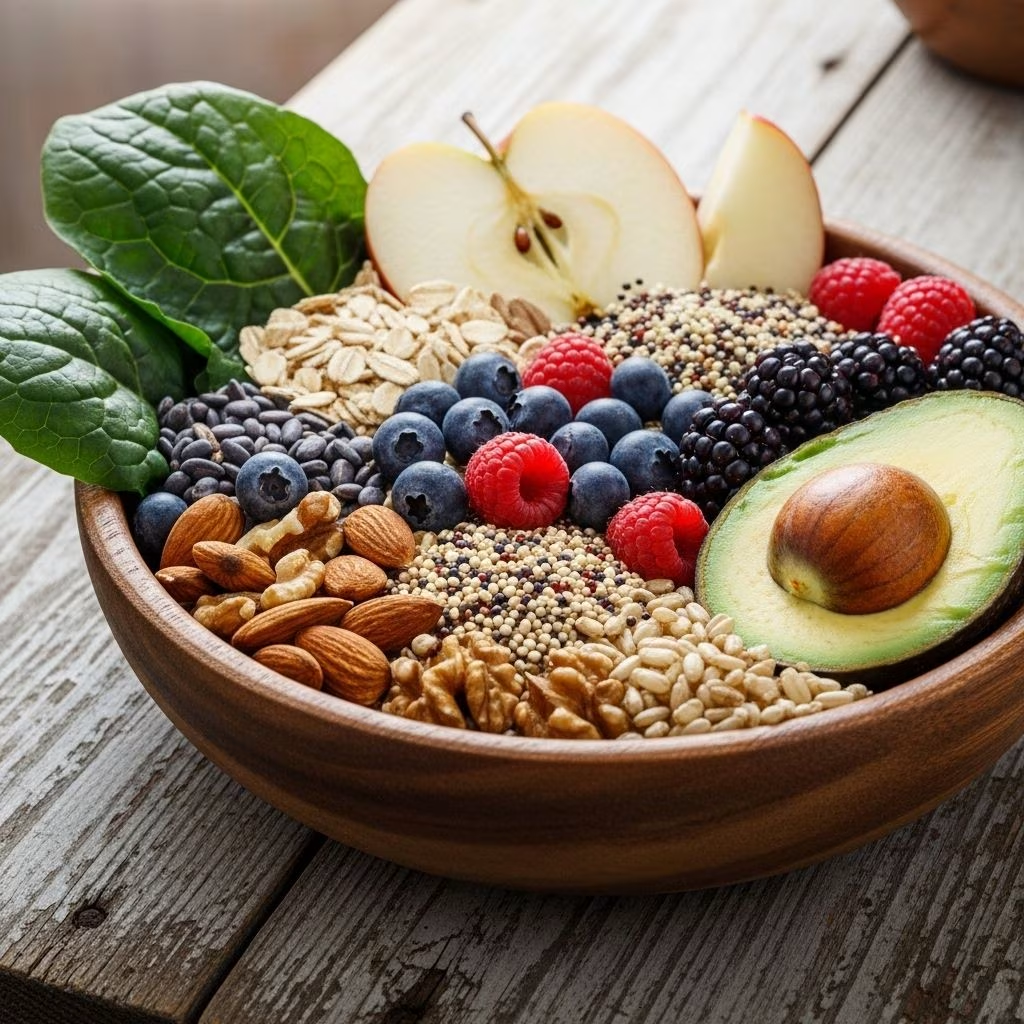
Nature’s Best Sugar Blockers: How High-Fiber Foods Tame Blood Sugar
Managing blood sugar is not just about avoiding sweets—it’s about choosing the right kinds of foods that help your body process carbohydrates more smoothly. For anyone trying to control weight, prevent diabetes, or simply sustain steady energy throughout the day, natural fiber-rich foods—especially fruits and vegetables—offer a potent way to blunt blood sugar spikes. Understanding how these foods work, which options are best, and when to eat them is essential for harnessing their full health benefits.
Why Steady Blood Sugar Matters
Blood sugar that rises and falls sharply throughout the day can sap your energy, increase cravings, and—over time—lead to insulin resistance. This condition blocks the body’s ability to use stored fat as fuel, making weight loss more difficult and increasing the risk for type 2 diabetes.
- Unstable blood sugar can trigger hunger and persistent cravings.
- Insulin spikes lock fat into cells, leading to weight gain.
- Controlling blood sugar swings protects metabolism and long-term health.
Starch: The Primary Culprit in Blood Sugar Surges
Starch is a complex carbohydrate found primarily in grains and some starchy vegetables. After you eat, your body converts starch into glucose, causing blood sugar to spike. While fiber is present in whole grains, the starch content often overwhelms the modest fiber benefit unless whole grains are consumed in moderation and with plenty of additional fiber sources.
Fruits and vegetables are carbohydrates, too, but most provide a better balance of soluble fiber to sugar, resulting in less dramatic blood sugar changes compared to refined grains.
Glycemic Load 101: Understanding Blood Sugar Impact
Glycemic load (GL) measures how much a food will raise your blood sugar based on its carbohydrate content and type. It’s a more useful predictor than simply looking at fiber or sugar content alone.
| Glycemic Load (GL) | Blood Sugar Impact | Examples |
|---|---|---|
| >100 | High Linked to obesity & diabetes | Refined grains, white potatoes |
| 50-100 | Moderate Acceptable but not best as sugar blockers | Bigger servings of fruit, starchy veggies |
| <50 | Low Best for blood sugar | Most non-starchy vegetables, berries |
Selecting foods with GL under 50 is key for those trying to minimize blood sugar swings. Portions also matter—larger servings can push even healthy foods into higher glycemic territory.
How Fiber Blocks Sugar Surges
Soluble fiber, found in abundance in many fruits and vegetables, forms a gel-like substance that slows the absorption of sugar from your gut into your bloodstream. This gives your body time to process carbohydrates more gently, resulting in steadier blood sugar even after eating starchier foods.
Consuming 10 grams of fiber together with starch can reduce the post-meal blood sugar surge by about 25%. No single fruit or vegetable typically provides this much in one serving, so combining several types in one meal—like a salad—maximizes the effect.
- Eat a fiber-rich salad before your main meal for a greater blood sugar benefit.
- Examples: 2 cups romaine (2g), 1 cup tomato (2g), 1 cup bell pepper (3g), plus 1 cup broccoli (4.5g) = 11.5g fiber.
Vegetables vs. Fruits: The Ultimate Sugar Blockers
While both fruits and vegetables contain fiber, vegetables generally outperform fruits as sugar blockers because they are lower in sugar and higher in fiber by volume. They also tend to have much lower glycemic loads.
- Vegetables: Higher fiber, lower sugar, lower glycemic load.
- Fruits: Beneficial but contain more sugar relative to fiber.
For best sugar-blocking impact, fill your plate with a variety of crunchy, colorful veggies. Fruits should be chosen thoughtfully and eaten in moderation, particularly if watching blood sugar closely.
Crispness Counts: Why Cooking Method Matters
Soluble fiber works best when intact. Overcooking vegetables—especially by boiling—saturates and breaks down fiber, reducing its effectiveness in controlling blood sugar. For optimal benefit, serve veggies raw or lightly cooked, retaining a crisp texture. The food particles remain larger, so digestion (and sugar absorption) is slower.
Tip: Steaming, roasting, or sautéing until just fork-tender preserves fiber’s sugar-blocking powers. Think fresh salads, lightly steamed broccoli, or crisp-tender stir-fries.
What the Science Shows: Real-World Evidence
A classic study by Swedish researchers showed that people who ate raw carrots with a starch-heavy meal had:
- Lower after-meal blood sugar and insulin levels
- Greater satisfaction and fullness (higher satiety ratings)
Compared to those who ate cooked carrots, raw vegetable eaters enjoyed steadier energy and less hunger.
Vegetables That Make the Best Sugar Blockers
Some vegetables are uniquely equipped for blood sugar protection, offering soluble fiber, low glycemic load, and bulk for satisfaction. Remember: portion size and freshness matter! Aim for 2-3 cups per meal, focusing on variety.
| Vegetable | Approx. Fiber (per cup, raw) | Notable Benefit |
|---|---|---|
| Broccoli | 4.5g | Rich in sulforaphane, lowers post-meal blood sugar |
| Cauliflower | 2.0g | Easy swap for rice/potatoes, low GL |
| Carrots | 3.6g | Best raw; slows carb absorption |
| Green beans | 3.7g | Satisfying texture, high soluble fiber |
| Asparagus | 2.8g | Prebiotic fiber, gut health benefits |
| Bell peppers | 3.0g | Versatile, sweet tang without sugar spike |
| Darker Greens (Kale, Spinach, Romaine) | 2–3g | Great salad base, boosts total fiber |
How to Use Salads as Sugar Blockers
Salads are a powerful way to combine several blood sugar-blocking vegetables in one meal. Research and practical experience both show that eating your salad before the starchy portion of your meal amplifies the effect.
- Start meals with a big, colorful salad—add a mix of leafy greens, tomatoes, peppers, broccoli, and more.
- Include pulses like beans or lentils for added fiber and protein.
- Limit starchy add-ons (croutons, breaded veggies) for maximum benefit.
- Use healthy fats (olive oil, avocado, seeds) to aid vitamin absorption and satiety.
Building your meal around vegetables, rather than making them an afterthought, helps ensure you reach that 10+ grams of fiber per meal to blunt sugar surges.
Smart Fruit Choices for Steady Blood Sugar
While fruits provide important vitamins and protective plant compounds, some are much better for blood sugar than others. Choose options lower in sugar and higher in fiber—these have a lower glycemic load and add to your overall fiber tally.
- Berries (blueberries, strawberries, raspberries): High fiber, low sugar; ideal for snacks or salad toppers.
- Apples and pears: Fiber-rich, especially when eaten with the skin.
- Citrus (oranges, grapefruits): Good fiber, packed with vitamin C; opt for whole fruit over juice.
- Cherries, plums, peaches: Moderately sweet, not excessive in sugar.
Fruits like bananas, mangoes, and pineapples, though healthy, can push sugar higher if eaten in large quantities—balance with fiber-rich foods for best results.
Beyond Vegetables and Fruits: Other Natural Sugar Blockers
- Beans & Lentils: High in soluble fiber and resistant starch—excellent for slowing digestion and steadying blood sugar.
- Flaxseed: Rich in fiber and healthy fats; studies show regular use improves long-term blood sugar control.
- Fermented foods (kimchi, sauerkraut): Contain probiotics and antioxidants, which may improve insulin sensitivity in some people.
- Nuts & Seeds: Provide fiber, protein, and healthy fats, all contributing to steadier blood sugar.
Tips for Getting the Most Blood Sugar Benefits from Fiber-Rich Foods
- Combine several high-fiber vegetables and fruits at each meal.
- Eat your veggies before starches or grains to maximize their sugar-blocking effect.
- Opt for raw or lightly steamed vegetables whenever possible.
- Use salads as meal starters, not just side dishes.
- Drink water with fiber-rich meals to help move fiber through your system and aid fullness.
Frequently Asked Questions (FAQs)
Q: What’s the difference between soluble and insoluble fiber?
A: Soluble fiber dissolves in water and forms a gel in the gut, slowing sugar absorption. Insoluble fiber adds bulk to stool and aids digestion, but soluble fiber is most responsible for the blood sugar-blocking effect.
Q: How much fiber should I eat daily for blood sugar benefits?
A: Aim for at least 25–35 grams of fiber daily from a mix of fruits, vegetables, legumes, and whole grains. For best sugar-blocking, try to get at least 10 grams of fiber with meals containing mashed potatoes, rice, or pasta.
Q: Are all high-fiber foods good sugar blockers?
A: Not always. Some high-fiber foods (like whole grain bread) can still cause blood sugar spikes because their fiber-to-starch ratio isn’t ideal. Vegetables and certain fruits, with low glycemic loads, are best for this purpose.
Q: Does cooking affect the fiber content in vegetables?
A: Cooking, especially boiling, breaks down the fiber, especially soluble fiber, and reduces its blood sugar-blocking effect. Light steaming or eating raw helps retain efficacy.
Q: Can I use fiber supplements for the same effect?
A: While fiber supplements may help, whole foods offer a spectrum of nutrients, water, and satisfying crunch. Prioritize natural sources for best results and overall health benefits.
Key Takeaways
- Soluble fiber from fruits and vegetables is your best natural blood sugar blocker.
- Eat a mix of crunchy, raw, or lightly cooked veggies throughout the day for maximum impact.
- Start meals with salads and pulse-rich sides to blunt post-meal sugar spikes.
- Combine smart fruit choices with fiber-rich foods for balanced, healthy meals.
Making fiber the star of your meals is a simple, delicious way to keep your blood sugar on an even keel and support sustainable weight management for life.
References
- https://www.prevention.com/weight-loss/a20437837/natural-blood-sugar-blockers-in-high-fiber-foods/
- https://www.healthline.com/nutrition/foods-to-lower-blood-sugar
- https://zoe.com/learn/foods-that-lower-blood-sugar
- https://diabetes.org/food-nutrition/food-and-blood-sugar/diabetes-superstar-foods
- https://www.mayoclinic.org/diseases-conditions/diabetes/in-depth/diabetes-diet/art-20044295
- https://www.mountsinai.org/health-library/selfcare-instructions/high-fiber-foods
- https://www.clinic5c.com/blog/high-fiber-foods-to-include-in-your-diet


