


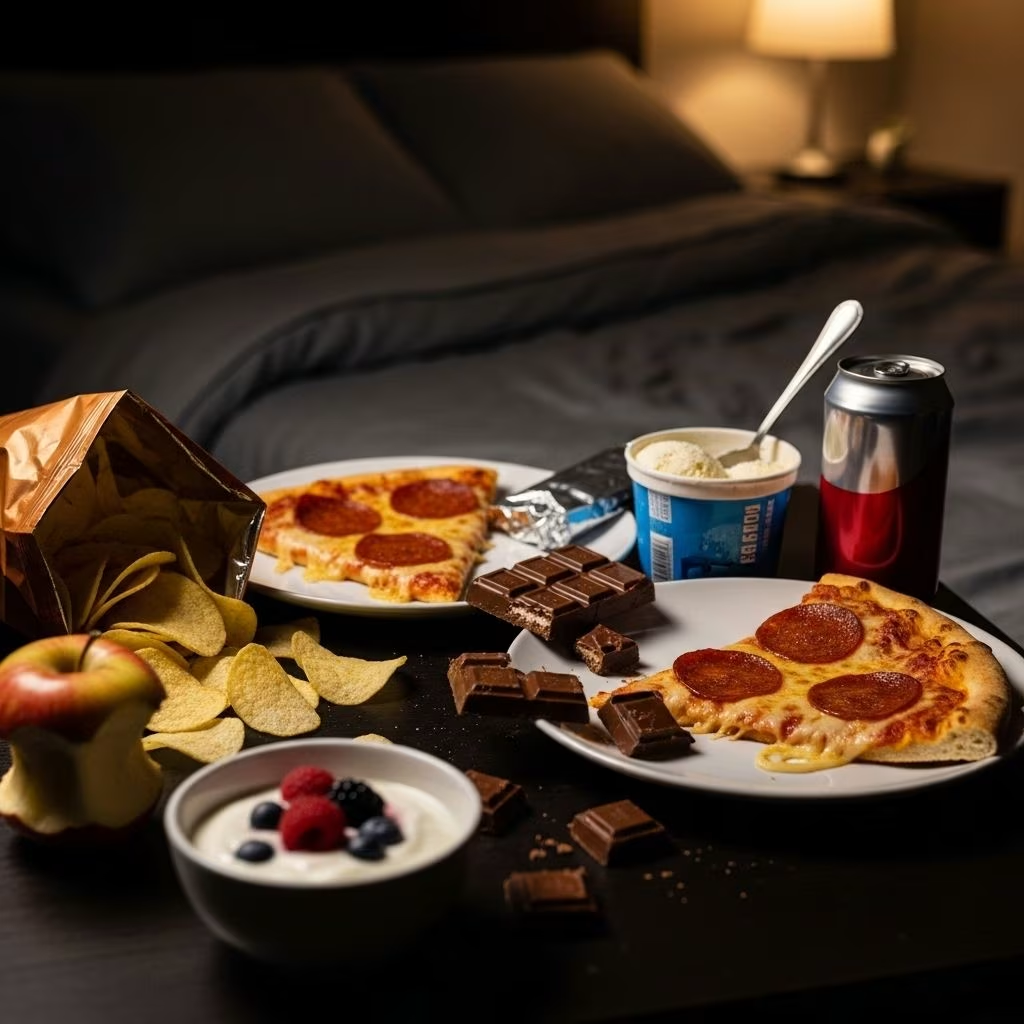
The Worst Foods to Eat Before Bed: A Guide to Healthier Late-Night Choices
We all want to make healthy choices, but some foods—no matter how nutritious—can disrupt sleep, cause digestive discomfort, and even mess with your metabolism when consumed too late. Experts caution that it’s not just what you eat, but when you eat it, especially in the hours leading up to bedtime. This guide unpacks the foods to steer clear of before lights-out, explains why they’re problematic, and provides healthier alternatives and actionable strategies for better nighttime nutrition.
Why Late-Night Eating Matters
A restful night’s sleep is vital for overall health. Studies show poor sleep habits can lead to unhealthy eating the next day, increase cravings for high-calorie foods, and contribute to unwanted weight gain. If your late-night snack leaves you tossing and turning, your health could suffer in ways you may not realize.
- Sleep quality affects appetite and metabolism
- Late meals can trigger indigestion and acid reflux
- Eating wrong foods before bed can sabotage sleep cycles
Foods to Avoid Before Bedtime
Several foods—many considered healthy—can be sleep-sabotaging if eaten close to bedtime. Here’s what nutritionists advise steering clear of in the evening:
1. Cruciferous Vegetables: Healthy, but Not Before Bed
Examples: Broccoli, cauliflower, Brussels sprouts
- Packed with fiber and nutrients, these veggies support detoxification and may prevent cancer.
- Contain tryptophan, which helps produce serotonin for sleep regulation.
- Problem: The high insoluble fiber content slows digestion. Eating large amounts close to bedtime means your body may still be working to digest them as you try to sleep, causing uncomfortable bloating or stomach rumbling.
- Expert Tip: Enjoy crucifers earlier in the day or at least 3 hours before bed.
2. Tomato Sauce: Acidic Enemy of Comfort
Common in pizza, pasta, and spicy dishes
- Rich in vitamin C, iron, and the antioxidant lycopene.
- Problem: Tomato sauce’s acidity can lead to heartburn and indigestion, especially when you lie down soon after eating.
- Expert Tip: Finish tomato-based meals at least 3 hours before bedtime to minimize acid reflux and discomfort.
3. Dark Chocolate: Not the Sleep-Friendly Treat
Popular after-dinner dessert
- Provides antioxidants and may benefit heart health.
- Problem: Contains caffeine and tyrosine, both of which stimulate the nervous system. The darker the chocolate, the higher the caffeine—sometimes a quarter as much as a cup of coffee.
- Result: Increased alertness and difficulty falling asleep.
- Expert Tip: Reserve dark chocolate for earlier in the day and satisfy your sweet tooth with caffeine-free snacks in the evening.
4. Charcuterie (Aged Cheeses and Cured Meats): Delicious, but Sleep-Disturbing
Examples: Salami, prosciutto, cheddar, gouda
- Problem: These foods contain tyramine, an amino acid that triggers norepinephrine—making you more alert and less able to wind down.
- Expert Tip: Enjoy aged cheeses and cured meats at lunch or as an afternoon snack, rather than at night.
5. Red Meat: The Slow-Digesting Dinner
Examples: Steak, burgers, lamb chops
- Loaded with protein and important nutrients.
- Problem: High fat content and dense protein require extra digestive effort, which can keep you awake with a churning stomach.
- High-protein diets have also been linked to sleep apnea, interrupting sleep with bouts of stopped breathing.
- Expert Tip: If you’re craving meat for dinner, choose lean cuts, eat in moderation, and finish your meal a few hours before bed.
6. Highly Processed and Sugary Foods
Examples: Chips, cookies, cakes, ice cream
- Easy to overeat, especially when mindlessly snacking at night.
- Lead to spikes in blood sugar and disrupt sleep cycles.
- Expert Tip: Limit supply at home and swap for healthier, unprocessed alternatives such as fruit or unsalted nuts.
How Eating Late Affects Health
Not everyone needs to avoid late-night eating, but it poses challenges for:
- People with acid reflux: Late meals increase acid production and risk of heartburn.
- People with diabetes: Inconsistent eating can cause blood sugar fluctuations, which may interfere with sleep and hunger the next day.
- Dental health: Sugary or starchy snacks can promote cavities if not followed by brushing and flossing.
Better Choices for Late-Night Snacking
If you’re genuinely hungry before bed, choose snacks that support sleep and digestion:
- Vegetable-based snacks: Lightly steamed carrots, cucumber slices, or celery sticks.
- Unsalted nuts or nut butter: Provide healthy fats and protein without overwhelming digestion.
- Low-fat dairy (if tolerated): Greek yogurt or cottage cheese supplies calcium and protein without excessive fat.
- Whole grain crackers: Offer fiber and keep blood sugar stable.
- Banana: Contains magnesium and potassium, both helpful for muscles and relaxation.
Smart Strategies for Nighttime Eating
To curb the habit of late snacking—or at least make it healthier—adopt these science-backed tips:
- Set a food cutoff time: Plan your last meal or snack so you finish eating 2-3 hours before bed. A clear rule (e.g., “no food after 7pm”) can make adherence easier.
- Plan balanced meals: Combine protein, fiber, and healthy fats for dinner to feel satisfied and minimize evening hunger.
- Hydrate smartly: Drink water throughout the day, but avoid excessive water right at bedtime to prevent nighttime bathroom trips.
- Brush and floss: Good dental hygiene keeps cravings at bay and preserves oral health.
- Stock up on healthy snacks: Keep fruit, yogurt, or nuts on hand and avoid buying processed snacks.
Frequently Asked Questions (FAQs) About Late-Night Eating
Q: Does eating late automatically cause weight gain?
No, weight gain is primarily determined by total daily calories, but late meals can promote unhealthy choices and disrupt sleep, leading to increased appetite and poor food decisions the next day.
Q: What’s the safest type of snack before bed?
Low-sugar, minimally processed foods, such as fruit, unsalted nuts, or whole-grain crackers, are generally safest if you truly need a snack before sleeping.
Q: Why are some “healthy” foods on the avoid list for bedtime?
Even nutritious foods like cruciferous veggies and lean meats can require prolonged digestion or contain ingredients that disrupt sleep if consumed too late. Timing is as crucial as nutrition.
Q: How can I break the cycle of late-night snacking?
Plan early, balanced meals; introduce a firm kitchen cutoff time; brush teeth earlier; and keep only healthy snacks in the pantry to reduce temptation.
Q: I have acid reflux. What snacks are safe late at night?
Avoid high-protein animal foods and acidic items. Choose veggie-based snacks, oats, or unsalted nuts, and allow at least 2-3 hours between your last meal and bedtime.
Quick Reference Table: Foods to Avoid vs. Sleep-Friendly Choices
| Foods to Avoid | Better Choices |
|---|---|
| Cruciferous veggies close to bedtime | Steamed veggies earlier in day |
| Tomato sauces (pizza, pasta) | Whole grains, light salads |
| Dark chocolate, heavy desserts | Fruit, yogurt |
| Aged cheeses, cured meats | Nut butter on toast, cottage cheese |
| Red meat dinner | Lean proteins at lunch |
| Sugar-laden snacks | Banana, unsalted nuts |
What About Mindless or Emotional Snacking?
Nutritional experts agree: the issue with late-night eating is often less about hunger and more about habits, boredom, or emotions. Processed snacks (chips, cookies, ice cream) are engineered for endless eating, hijacking the body’s satiety signals. Take preventive action:
- Practice mindfulness: Pause and ask, “Am I truly hungry or just bored?”
- Distract with non-food activities: Reading, light stretching, or listening to music.
- Seek support if emotional eating or stress eating become chronic patterns.
Conclusion: Making Sleep and Food Work Together
A good night’s sleep starts in the kitchen. Choose meals and snacks with care, respect the timing of your last food intake, and empower yourself to select foods that promote rest—not ruin it. By heeding expert advice and tuning in to your own body’s signals, you can enjoy both delicious eating and restorative sleep, night after night.
References
- https://www.prevention.com/food-nutrition/healthy-eating/a20491517/foods-ruin-sleep/
- https://www.urmc.rochester.edu/news/publications/health-matters/is-eating-late-at-night-bad-for-you
- https://www.prevention.com/food-nutrition/g20442593/stop-eating-at-night/
- https://www.prevention.com/health/a41533156/eating-late-hungry-study/
- https://www.prevention.com/health/a64457045/best-late-night-snack-gut-health/
- https://www.prevention.com/weight-loss/g26013565/nighttime-habits-cause-weight-gain/
- https://www.prevention.com/weight-loss/a20451323/stop-bedtime-eating/
- https://www.prevention.com/weight-loss/a20482892/late-night-eating/
- https://www.youtube.com/watch?v=7Svo6WPFUEY


