


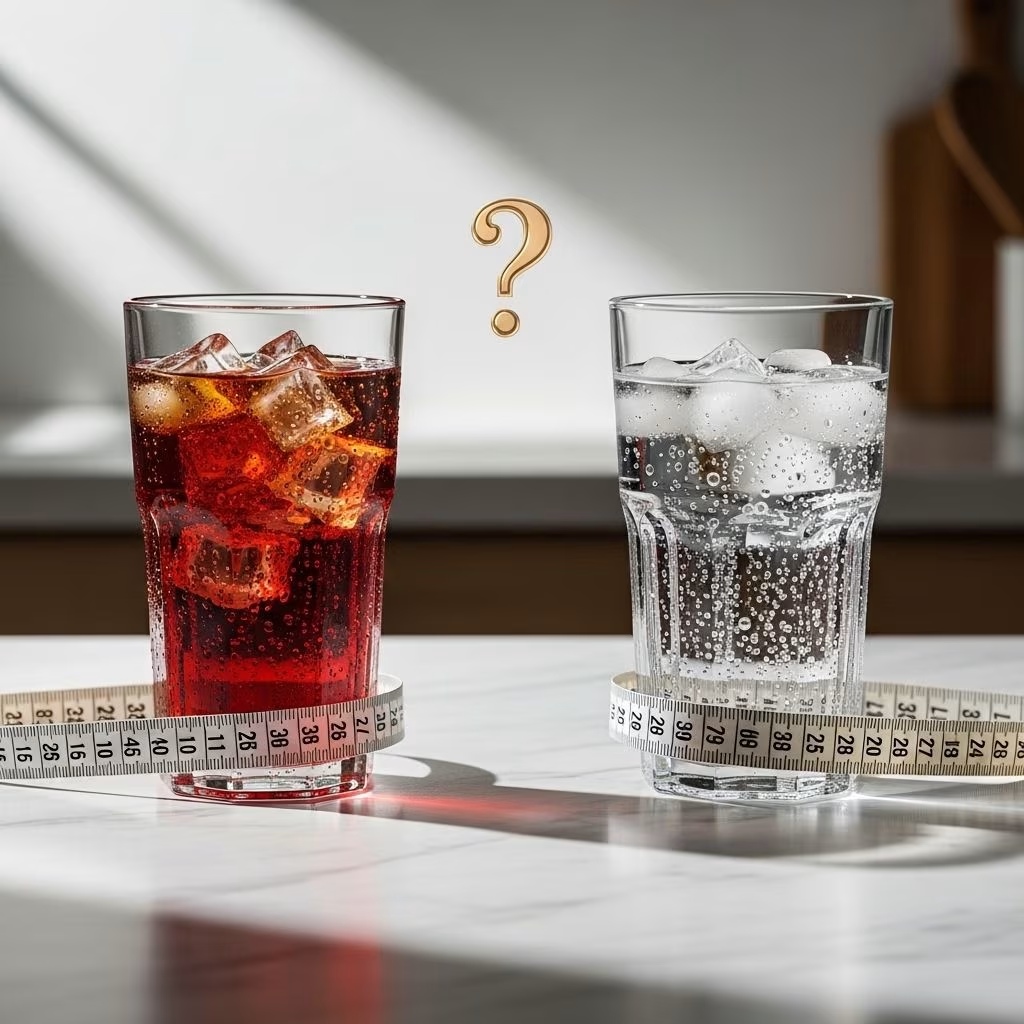
The Surprising Truth About Soda, Diet Soda, and Weight Gain
Sugary sodas and their zero-calorie cousins may seem like polar opposites, yet mounting research reveals both can play a significant role in weight gain and other serious health risks. Whether your go-to drink is a fizzy cola or a can of sugar-free diet soda, knowing what the science says can help you make informed choices about your own health. In this in-depth exploration, we unravel the details behind soda consumption and its impact on your waistline and well-being.
Why Sodas—Even Diet Ones—Are Linked to Weight Gain
The connection between soft drinks and weight gain goes far beyond calories alone. Recent studies have shown an association between soda intake—whether sweetened with sugar or artificial sweeteners—and increased body weight and belly fat in both adults and children.
- Regular sodas deliver a high dose of added sugars in liquid form, easily leading to excess caloric intake.
- Diet sodas, though calorie-free, may still prompt your body to crave more food or alter metabolic signaling.
- Abdominal fat gained from sodas is a major risk factor for heart disease, diabetes, and inflammation.
What the Research Shows: Sugar-Sweetened Beverages and Weight Gain
Comprehensive reviews involving hundreds of thousands of participants have demonstrated that drinking sugar-sweetened beverages (SSBs) is causally linked to gradual weight gain.
- Each additional 12-ounce serving of sugary soda per day is associated with about 0.20 kg (half a pound) greater weight gain per year in adults.
- For children, one more SSB per day is linked to small but consistent increases in body mass index (BMI), potentially influencing body weight trajectories into adulthood.
- A dose-response relationship is seen: more SSBs = more weight gain, suggesting a strong cause-and-effect link.
Public health guidelines, including the Canada Food Guide and recommendations from the American Dietary Guidelines, highlight the need to limit SSBs to support healthy weight.
Diet Soda: No Calories, but Not Weight-Neutral
It seems obvious—if a drink has no calories, it shouldn’t make you gain weight. But large, long-term studies tell a different story:
- Older adults who drank diet soda gained about three times more abdominal fat over nine years compared to non-drinkers.
- Occasional diet soda consumers saw intermediate increases, while those who abstained from soda had the least waist expansion.
- Some studies in children associate diet soda use with higher BMI scores over time.
Key Insight: Even zero-calorie options can disrupt hunger and metabolic cues, raising the risk of weight gain and belly fat.
Table: Soda Type and Associated Waist Gain (From Key Study)
| Soda Consumption Style | Average Waist Gain (inches over 9 yrs) |
|---|---|
| Non-diet Soda Drinkers | 0.8 |
| Occasional Diet Soda Drinkers | 1.8 |
| Daily Diet Soda Drinkers | 3.2 |
How Can Diet Soda Cause Belly Fat?
If diet sodas don’t supply calories, what’s behind their link to weight gain—particularly around the waist?
- The sweet deception: Artificial sweeteners are up to 600 times sweeter than sugar. Your brain and body are primed to associate sweetness with calorie intake. When calories don’t follow sweetness, the brain can remain hungry, possibly driving cravings.
- Changes to gut bacteria: Research in animals suggests artificial sweeteners might disrupt the composition of gut microbes, weakening insulin sensitivity and glucose tolerance—both risk factors for weight gain and type 2 diabetes.
- Hormonal disruption: Some studies indicate that artificial sweeteners can lower leptin, the hormone that signals satiety. Lower leptin = persistent hunger.
- Overcompensation: People consuming ‘diet’ beverages may subconsciously eat more, believing they’ve “saved” calories on drinks.
What About Kids? Soda’s Impact on Youth Weight Gain
Children and teenagers are especially vulnerable to the effects of sweetened beverages:
- Studies tracking thousands of children show that each serving of diet soda is associated with increased BMI for boys over time, though effects may differ by gender.
- Youth who consume more sweetened beverages tend to have higher total daily calorie intake.
- Decreased consumption of milk is often paired with higher intake of sodas, which can have negative impacts on growth and nutrition.
As childhood habits carry over into adulthood, establishing healthy drinking preferences early is crucial for long-term health.
Why Do Artificial Sweeteners Fail to Promote Weight Loss?
Despite their lack of calories, long-term randomized trials show that simply replacing sugar with artificial sweeteners does not guarantee weight loss:
- Appetite may remain unsatisfied, leading to greater total food and calorie consumption later—especially if the body senses the calorie mismatch.
- Certain trials found that, among overweight youth, switching to diet soda did not reduce BMI except when paired with major calorie restriction or increased exercise.
- In controlled studies, a reduction in caloric intake was only seen when participants didn’t know they were getting an artificial sweetener instead of sugar. When aware of the switch, some people compensated by eating more.
Frequently Asked Questions (FAQs) About Soda and Weight Gain
Q: Does drinking diet soda make you gain weight even though it has no calories?
A: Research associates frequent diet soda consumption with increased belly fat and higher BMI, likely due to effects on appetite, gut bacteria, and metabolic hormones.
Q: Are regular sodas worse than diet sodas for weight gain?
A: Both types are associated with weight gain, but regular sodas add direct calories, while diet sodas may disrupt body weight control mechanisms in other ways.
Q: Is it safe to drink soda occasionally?
A: Occasional consumption is linked with less risk than daily intake, but even modest amounts can add up over time in terms of weight and health impacts.
Q: What drinks are better alternatives to soda?
A: Water is the healthiest choice for hydration; unsweetened teas or sparkling water (with no additives) can also be healthier soda alternatives.
Q: Can kids gain weight from drinking sodas and diet sodas?
A: Yes. Both sweetened and diet sodas have been linked to greater weight gain in children, and establishing healthy habits early can help reduce long-term risks.
Public Policy and Recommendations: What Do the Experts Advise?
- Limit or eliminate soda—both regular and diet—from your regular diet to minimize risk for weight gain and chronic disease.
- Choose water, seltzer, or other unsweetened drinks as your primary beverages.
- For children, encourage healthy hydration habits from a young age; policy changes (like soda taxes and limiting sales in schools) may aid in lowering intake across populations.
- Read beverage nutrition labels closely, noting both added sugar and the presence of artificial sweeteners.
Key Takeaways: The Real Effects of Soda on Body Weight
- Sugar-sweetened beverages are definitively linked to gradual, significant weight gain and increased belly fat.
- Diet sodas are not automatically weight-neutral; frequent consumption is associated with increased waist circumference and BMI.
- Artificial sweeteners can disrupt metabolism and appetite control, potentially promoting weight gain even with zero calories.
- Prevention is key: Minimize all sweetened beverage intake to protect both waistline and long-term health.
Additional Tips for Reducing Soda Consumption
- Gradually cut back by reducing your weekly soda intake rather than quitting abruptly.
- Infuse water with citrus, berries, or herbs for added flavor without sugar.
- Try sparkling water if you miss carbonation.
- Carry your own water bottle to make healthy choices more convenient.
- Be mindful of the role habits and environments play—social settings or meals out may increase temptation.
Conclusion: Is Any Soda Really Safe for Weight?
Scientific evidence supports a clear message: both regular and diet sodas carry risks for weight gain and unhealthy fat accumulation—even if the path is different for each. For healthy body weight and metabolic balance, the safest bet is to make water your drink of choice. If you’re struggling to cut down, small, mindful changes can have a big impact over time—not only for your waistline, but for your overall health and well-being.
References
- https://communitycare.com/new-study-links-diet-soda-to-weight-gain-and-belly-fat-asp/
- https://temertymedicine.utoronto.ca/news/more-evidence-sugary-drinks-cause-weight-gain
- https://pmc.ncbi.nlm.nih.gov/articles/PMC2892765/
- https://www.health.harvard.edu/blog/zero-weight-loss-from-zero-calorie-drinks-say-it-aint-so-2021032222204
- https://www.uclahealth.org/news/article/study-links-drinking-carbonated-water-and-weight-gain
- https://www.uclahealth.org/news/article/observational-studies-shed-light-on-diet-soda-consumption
- https://nutritionsource.hsph.harvard.edu/healthy-drinks/sugary-drinks/
- https://jamanetwork.com/journals/jamanetworkopen/fullarticle/2807548


