


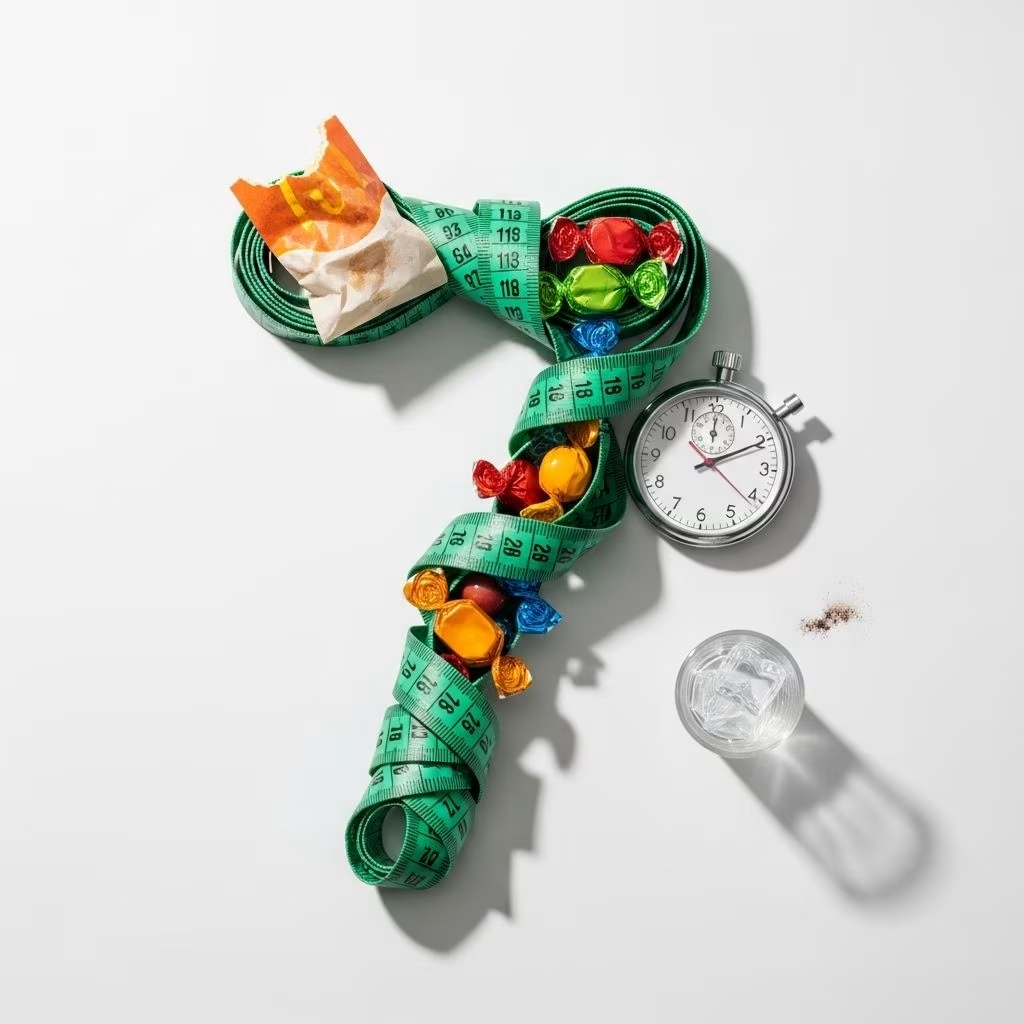
7 Diet Mistakes That Prevent Lasting Weight Loss
Losing weight is a goal for millions, but success often remains out of reach because many rely on flawed diet strategies or fall victim to pervasive misinformation. In this article, we’ll explore the seven most common diet mistakes that prevent lasting weight loss, according to nutrition experts and scientific evidence. For each mistake, you’ll find practical advice you can use to sidestep these common pitfalls and achieve your wellness goals.
Mistake #1: Aiming for Rapid Results — Extreme Dieting
One of the most widespread mistakes is expecting quick, drastic changes through highly restrictive diets or severe calorie cuts. While crash diets might show initial progress, they are difficult to sustain and often compromise your metabolism. Reducing caloric intake too much teaches your body to conserve energy, resulting in a slower metabolism and eventual weight regain when normal eating resumes.
Why it happens:
- Desire for immediate gratification
- Influence from fad diets and popular culture
- Lack of understanding of healthy weight loss rates
Expert advice: Focus on losing 1–2 pounds per week. This slow, steady approach is sustainable, helps preserve muscle, and reduces the chance of regaining weight once the diet is over.
Example: Instead of juice cleanses or cutting below 1,200 daily calories, gradually reduce portion sizes and choose nutrient-dense foods.
Mistake #2: Eliminating Entire Food Groups
Many believe that eliminating entire categories like carbohydrates or dairy accelerates weight loss. While cutting back on processed carbs or sugar can be beneficial, banning whole food groups risks nutritional deficiencies and often leads to increased cravings and later bingeing.
Common reasons:
- Fad diet influence (e.g., zero-carb, gluten-free, dairy-free without medical cause)
- Misleading online advice
- Belief that some foods are ‘bad’ or always fattening
Expert advice: Instead of total elimination, swap refined choices for healthier options within the same category (e.g., whole grains instead of white bread, low-fat dairy rather than full-fat). Balanced diets are more sustainable and deliver vital nutrients for health.
Mistake #3: Oversized Portions — Even Healthy Foods Can Sabotage Progress
Portion distortion is a subtle but potent weight loss saboteur. Eating large portions, even of nutritious foods, can easily exceed your caloric needs and stall progress.
Why it’s so common:
- Restaurant servings are often 2–3 times larger than standard portions
- Home-cooked meals may lack measured servings
- Mindless eating while distracted
Expert tips:
- Use smaller plates and bowls to visually downsize meals
- Check serving sizes on labels and measure portions when possible
- Serve food in the kitchen rather than at the table to discourage second helpings
- Split restaurant entrees or box half before starting your meal
Table: Typical Serving Sizes vs. Restaurant Portions
| Food | Standard Serving | Restaurant Portion |
|---|---|---|
| Pasta | 1 cup (200 cal) | 3 cups (600 cal) |
| Meat | 3 oz (140 cal) | 8 oz (375 cal) |
| Soda | 8 oz (100 cal) | 20 oz (250 cal) |
Mistake #4: Skipping Meals or Going Too Long Without Eating
Some believe skipping meals, especially breakfast, can help cut calories. In practice, prolonged hunger often triggers overeating later in the day, making you more likely to choose high-calorie comfort foods and exceeding your calorie budget.
Why it backfires:
- Intense hunger leads to poor food choices
- Snacking to compensate for skipped meals
- Fluctuating blood sugar and energy crashes
Best practices:
- Eat a balanced breakfast with protein and fiber
- Plan nutritious snacks to bridge gaps between meals
- Listen to hunger cues—don’t force yourself to eat if not hungry, but avoid waiting until ravenous to eat
Mistake #5: Banning Favorite Foods Entirely
Strict deprivation rarely leads to long-term success and often triggers cravings and binge eating. Eliminating all treats or comfort foods not only makes dieting feel joyless but also increases the temptation to break your plan when willpower runs thin.
What’s better:
- Allow moderate portions of favorites occasionally
- Choose smaller sizes or split desserts
- Balance occasional treats with otherwise healthy meals
Enjoying foods you love in small amounts can make your eating plan more sustainable while still supporting weight control.
Mistake #6: Eating Too Frequently — Grazing Without Hunger
There is a popular myth that eating every few hours “stokes metabolism.” However, for many people, grazing all day leads to a higher overall calorie intake, especially when eating is driven by habit, stress, or boredom rather than true hunger.
What research says: Eating only when hungry supports better appetite regulation. In some cases, limiting meals and snacks to two to three times daily can reduce inflammation and promote more effective calorie management.
Advice:
- Pause and check if you’re truly hungry before reaching for food
- Drink water first, as thirst can masquerade as hunger
- Track habitual snacking and replace with healthier activities if needed
Mistake #7: Unrealistic Expectations — Setting Yourself Up for Disappointment
Many people approach weight loss hoping to lose a large percentage of their weight quickly, only to become discouraged when the process slows down or plateaus. Setting unrealistic goals can undermine motivation and may even promote unhealthy behaviors when those goals remain out of reach.
Common traps:
- Believing social media transformation stories without context
- Comparing yourself to others with different genetics or lifestyles
- Ignoring healthy, gradual improvements in favor of dramatic changes
How to set effective goals:
- Choose targets such as 5–10% weight reduction over several months
- Focus on feeling better, building strength, and healthier habits over just the number on the scale
- Celebrate non-scale victories (better sleep, improved energy, fitting into clothes)
Frequently Asked Questions (FAQs)
Q: How fast is it healthy to lose weight?
A: Losing 1–2 pounds per week is considered sustainable and optimizes muscle retention along with fat loss while maintaining overall health.
Q: Is it bad to eliminate carbs or fat from my diet?
A: Cutting out whole macronutrient groups can lead to nutritional imbalances and usually is not necessary. Focus on quality: whole grains, healthy fats, and lots of produce are part of a healthy diet.
Q: Do I need to snack between meals?
A: Listen to your genuine hunger cues. Snacks can be helpful for some, especially after exercise or between long stretches, but shouldn’t be consumed out of boredom or habit.
Q: What if I crave sweets and dessert?
A: Allow yourself occasional treats in small amounts. Restricting yourself completely can lead to bingeing later.
Q: Why do my weight loss efforts stall?
A: Plateaus are normal as your body adapts. Reassess your portion sizes, activity levels, and food choices. Patience and consistency are key.
Practical Strategies to Avoid Diet Mistakes
- Track your meals and portions for increased awareness
- Meal prep at home to control ingredients and sizes
- Choose water, unsweetened tea, or black coffee instead of sugary drinks
- Stay active — include strength training to preserve muscle during weight loss
- Set realistic, incremental goals and celebrate progress
Conclusion: Lasting Weight Loss Is About Better Choices and Mindset
The path to successful, permanent weight loss is paved more by smart, sustainable choices and an adaptive mindset than by short-lived diets or radical changes. By recognizing and correcting these seven common mistakes, you’ll increase your chances of meeting your goals and maintaining them for years to come.
References
- https://www.ummhealth.org/health-library/5-common-diet-mistakes-to-avoid
- https://www.healthline.com/nutrition/weight-loss-mistakes
- https://www.club-os.com/blog/13-common-weight-loss-mistakes
- https://www.webmd.com/diet/ss/slideshow-diet-mistakes
- https://www.health.harvard.edu/staying-healthy/5-mistakes-that-will-sabotage-a-healthy-diet
- https://www.halefamilypractice.com/post/avoid-the-common-mistakes-when-losing-weight
- https://www.carilionclinic.org/health-and-wellness/article/5-weight-loss-mistakes-you-may-not-realize-youre-making


