


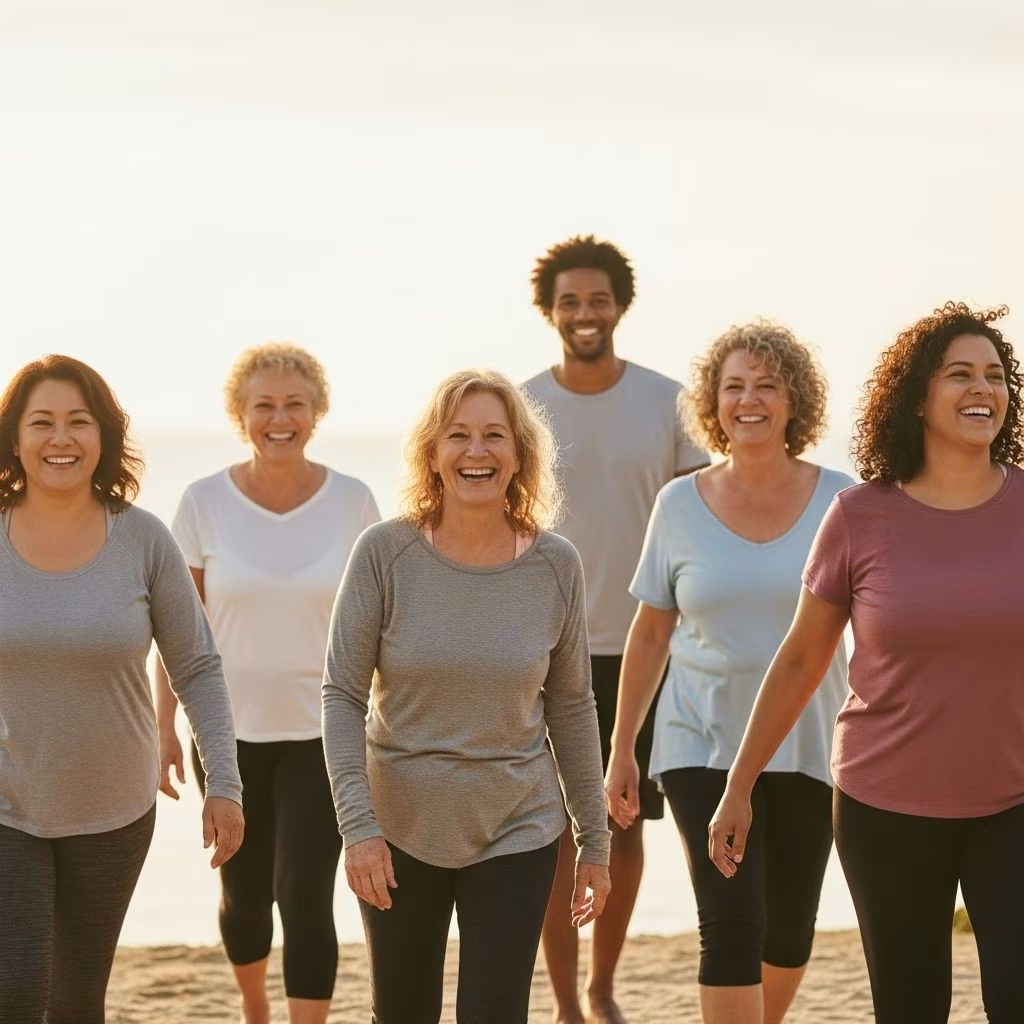
Healthy Body Image: Building Confidence and Acceptance
The perception of our bodies can profoundly influence our mental, physical, and social well-being. Whether you are striving for weight loss, improved health, or simply authentic happiness, building a positive body image is essential—and achievable. This comprehensive guide unpacks what body image is, explores its challenges, and presents actionable strategies to foster self-acceptance and resilience.
What is Body Image?
Body image describes the attitudes, perceptions, and feelings you hold about your own body, particularly its appearance, size, shape, and overall attractiveness. It’s the mental picture you carry and the emotions tied to how you see yourself.
The concept has four facets:
- Perceptual Body Image: How you visually perceive your body.
- Affective Body Image: The feelings you experience about your body and its appearance.
- Cognitive Body Image: Thoughts and beliefs about your body.
- Behavioral Body Image: Actions you take because of your body image, such as hiding, dieting, or comparing.
A healthy body image demonstrates acceptance, satisfaction, and respect for your body, while an unhealthy body image can lead to anxiety, dissatisfaction, and harmful behaviors.
The Roots of Body Image: Culture, Media, and Self
The way we think and feel about our bodies is shaped by multiple influences:
- Cultural Standards: Societal preferences for thinness, muscularity, and beauty.
- Media Representations: Television, social media, advertising, and celebrity culture often promote unrealistic or idealized body types.
- Family and Peers: Comments from friends or relatives, particularly during childhood or adolescence, can leave lasting impressions.
- Personal Experiences: Traumatic events, bullying, or persistent comparison may undermine self-esteem.
These influences interact to shape the internal stories we tell ourselves about how we “should” look, making body image a complex, multi-layered phenomenon.
How Body Image Impacts Your Life
Body image isn’t just about appearance—its effects are far-reaching, touching nearly every aspect of daily life. Research demonstrates strong links between body dissatisfaction and mental health challenges, including increased risk for depression, anxiety, eating disorders, and diminished quality of life.
- Emotional Well-Being: Persistent dissatisfaction can lead to low self-esteem, mood disturbances, and feelings of shame or embarrassment.
- Physical Health: Unhealthy body image may cause excessive dieting, over-exercising, or poor nutrition, sometimes to the point of dangerous weight loss or disordered eating.
- Social Life: Avoidance of social events, intimacy, or new experiences due to body concerns.
- Academic and Professional Life: Body image issues can hinder performance, focus, and engagement.
Signs of Unhealthy Body Image
Recognizing the signs of negative body image is the first step to making positive changes. Common indicators include:
- Frequent comparison to others and persistent feelings of inadequacy.
- Obsession with weight, shape, or specific body parts.
- Chronic dieting or preoccupation with food and exercise.
- Avoidance of situations where your body is visible (e.g., swimming, shopping, selfies).
- Feelings of shame, embarrassment, or discomfort about your body.
- Distorted self-perceptions—seeing flaws others do not notice.
In severe cases, negative body image can escalate to mental health conditions such as body dysmorphic disorder (BDD) or full-blown eating disorders, which may require specialized support.
Understanding Eating Disorders and Body Dysmorphia
There is a strong relationship between negative body image and eating disorders such as anorexia nervosa, bulimia nervosa, and binge eating disorder. Body dysmorphic disorder is a psychiatric condition characterized by extreme dissatisfaction and preoccupation with perceived flaws, often leading to unnecessary medical procedures or risky behaviors.
Building a Healthy Body Image: Why It Matters
Developing a healthy body image is not just about self-esteem—it is essential for overall well-being. When individuals feel comfortable and confident in their bodies, they:
- Are more likely to adopt healthy habits and engage in self-care.
- Report higher satisfaction and happiness in daily life.
- Exhibit resilience when confronted by societal or interpersonal pressures.
- Are less likely to experience chronic disease risk behaviors such as extreme dieting.
Positive body image encourages acceptance, self-compassion, and authentic living despite unrealistic standards perpetuated by media and culture.
Practical Steps for Body Acceptance
Changing your relationship with your body is a process, but evidence shows that practical, persistent self-care can lead to acceptance and satisfaction:
- Shift Your Focus to Function: Appreciate what your body can do—strength, movement, healing—rather than its appearance.
- Practice Self-Compassion: Speak to yourself as you would to a friend; interrupt critical thoughts and offer kindness.
- Curate Your Media: Unfollow or mute accounts that promote unrealistic standards; seek diverse, authentic representation.
- Avoid Comparisons: Comparison often leads to dissatisfaction; celebrate your uniqueness.
- Set Realistic Goals: Focus on health-related goals rather than purely aesthetic ones.
- Challenge Negative Thoughts: Notice patterns and reframe negative self-talk with evidence-based affirmations.
- Practice Gratitude: List aspects of your body for which you are grateful every day.
Expert Strategies for Fostering Healthy Body Image
Professional and organizational recommendations add layers of support to individual strategies:
- Regulate Media and Advertising: Advocate for more realistic and respectful portrayals of body types, especially in campaigns for cosmetic surgery or weight loss.
- Industry Responsibility: Encourage social media and advertising companies to celebrate body diversity, reduce bullying, and provide clear reporting systems.
- Public Health Education: Train healthcare and education professionals to promote body respect from an early age and offer empathetic support regardless of location or circumstance.
- Media Literacy: Integrate media literacy and body image education into schools to help children critically evaluate harmful or unrealistic standards.
Healthy Body Image in Everyday Life
Building healthy body image involves integrating new behaviors and attitudes into your routine:
- Self-Care Rituals: Treat your body with respect—regular movement, nourishing foods, and positive self-talk.
- Wear What Feels Good: Dress in ways that boost your confidence and comfort.
- Surround Yourself with Positivity: Seek out supportive friends, communities, and media influences.
- Celebrate Small Victories: Recognize progress on your journey to acceptance rather than only striving for perfection.
- Use Affirmations: Write and repeat statements of worth and appreciation, e.g., “My value is not defined by my appearance.”
Common Myths About Body Image
| Myth | Reality |
|---|---|
| “Only thin or muscular people have good body image.” | Body image is independent of size; people of all body types can struggle or thrive. |
| “Losing weight guarantees positive body image.” | Body satisfaction comes from acceptance, not size; many who lose weight still struggle. |
| “Critical self-talk motivates change.” | Research shows kindness and self-compassion yield healthier changes. |
| “Media doesn’t affect adults.” | All ages are susceptible to internalizing unrealistic standards. |
| “Men are immune to body image issues.” | Men face unique pressures and may under-report dissatisfaction. |
The Role of Community and Social Change
Collective action is crucial for changing harmful cultural norms. Programs like the Healthy Body Image initiative combine online screening, targeted intervention, referrals, and community-driven outreach to address body image challenges at multiple levels. By building supportive communities, advocating policy changes, and shifting campus cultures, these efforts promote lasting, healthy body acceptance.
- Online Screening: Helps individuals and groups identify risks and access support early.
- Targeted Interventions: Offers resources for both high- and low-risk groups—prevention for all.
- Referral to Clinical Services: Connects those with significant symptoms to professional help.
- Community Outreach: Changes cultural norms and builds body positive environments.
Research from pilot implementations of such programs demonstrates increased engagement, feasibility, and positive change in campus-wide body image culture.
Frequently Asked Questions (FAQs)
Q: Can body image be improved at any age?
Yes, through self-reflection, education, and community support, anyone can foster a healthier relationship with their body regardless of previous struggles.
Q: Is negative body image only about physical appearance?
No. While appearance is a large factor, negative body image may also include discomfort with abilities, movement, or bodily processes.
Q: What should I do if I’m struggling with severe body dissatisfaction?
Seek help from a licensed therapist or counselor, especially if concerns are interfering with daily life or leading to unhealthy behaviors.
Q: Are social media platforms responsible for body image issues?
They play a significant role. Harmful portrayals and idealized standards can foster dissatisfaction, but platforms are encouraged to improve representation and user protections.
Q: How can parents help children develop a healthy body image?
Model self-acceptance, avoid negative comments about bodies, and provide a diverse range of role models. Schools and families should encourage media literacy and critical thinking about appearance standards.
10 Actionable Tips for Nurturing a Healthy Body Image
- Practice mindful movement—exercise for enjoyment, not punishment.
- Limit time spent on social media and curate feeds for diversity and positivity.
- Express gratitude for your body’s abilities every day.
- Write down three things you like about yourself, unrelated to appearance.
- Read books or follow influencers that champion body positivity.
- Challenge “diet talk” and avoid moralizing foods.
- Celebrate small achievements in self-acceptance.
- Practice self-care habits that feel genuinely nourishing.
- Seek professional counseling if distress persists.
- Help others by advocating for body respect and kindness in your community.
Conclusion: Embracing Your Healthy Body Image Journey
Achieving a healthy body image is not a one-time accomplishment; it’s an ongoing journey. By understanding influences, challenging misconceptions, and adopting practical strategies, you can nurture genuine self-acceptance and well-being. Embrace the process, seek support where needed, and champion body positivity in your own life and community.
References
- https://pmc.ncbi.nlm.nih.gov/articles/PMC4031301/
- https://www.mentalhealth.org.uk/explore-mental-health/articles/body-image-report-executive-summary
- https://www.medicalnewstoday.com/articles/249190
- https://www.prevention.com/life/a20452669/study-your-body-image-shows/
- https://www.prevention.com/weight-loss/a20450876/body-image-reality-check/
- https://www.prevention.com/health/a45427429/valerie-bertinelli-body-image-instagram-video/
- https://www.nationaleatingdisorders.org/body-image-and-eating-disorders/
- https://www.prevention.com/weight-loss/a36065492/rethinking-body-weight/


