


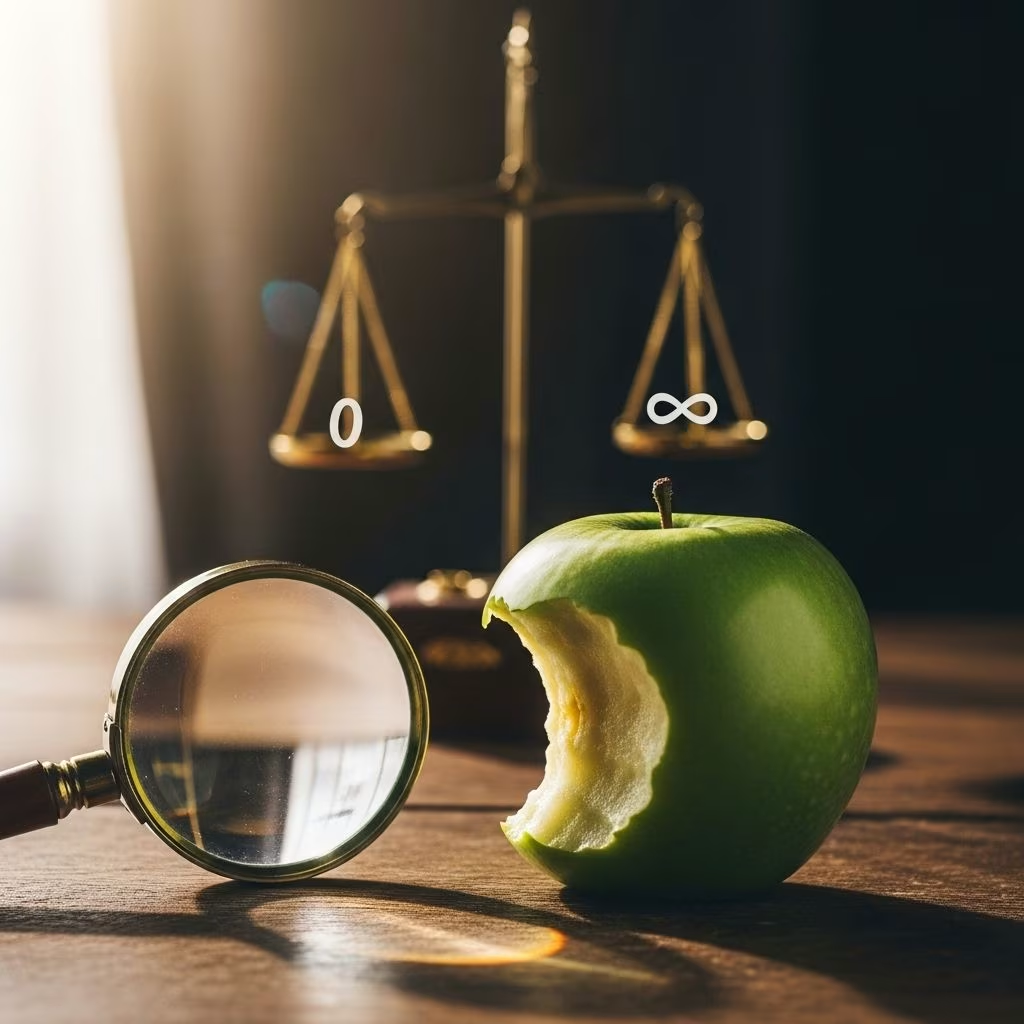
The Myth of Calorie-Free Foods: What You Really Need to Know
For decades, calorie-free or negative-calorie foods have captured the imagination of health-conscious individuals and dieters seeking shortcuts to weight loss. The promise is alluring: foods you can eat in endless quantities that supposedly help you lose weight simply by consuming them. But how much of this is science, and how much is myth? In this article, we’ll break down the claims, explore the nutritional facts, dispel common misconceptions, and provide actionable advice for a healthier approach to eating.
Why the Obsession with Calorie-Free Foods?
As weight loss remains a major goal for many, the idea of foods that contain zero calories (or supposedly burn more calories than they provide) feels like a magical solution. This is especially pervasive during times of renewed commitment to health – like New Year’s resolutions.But the narrative surrounding calorie-free and negative-calorie foods is less fact-based and more marketing myth, often leading to unsustainable dieting plans and potential health risks.
Understanding Calories and Digestion
- Calories are units of energy your body extracts from carbohydrates, proteins, and fats.
- All foods, even those with “zero calorie” labels, contain some calories.
- Thermic Effect of Food (TEF): The energy your body uses to digest foods varies by macronutrient type, but it’s always less than the total calories contained in the food.
- The myth: Some believe that foods with high water and fiber (like celery or lettuce) require more calories to ingest and digest than they provide, resulting in negative net calories.
- The reality: No scientific evidence proves that any common food has a negative caloric effect overall.
Negative-Calorie Foods: Separating Fiction from Fact
The theory behind negative-calorie foods is simple. If a food contains very few calories and requires more energy for chewing, digesting, and processing, you could theoretically create a calorie deficit by eating them. This idea is popular in the diet industry because it promises effortless weight loss through simple dietary choices.
Common Foods Marketed as ‘Negative-Calorie’
| Food | Calories Per Cup | % Water |
|---|---|---|
| Celery | 14 | 95% |
| Lettuce | 5 | 95% |
| Cucumbers | 8 | 95% |
| Kale | 7 | N/A |
| Broccoli | 31 | 89% |
| Tomatoes | 32 | 94% |
| Carrots | 52 | 88% |
| Apples | 53 | 86% |
| Watermelon | 46 | 91% |
| Grapefruit | 69 | 92% |
These foods are undeniably low in calories and high in water and fiber. They are nutritious, filling, and can support weight loss as part of a balanced diet.
The Science Disproves the Myth
Despite frequent claims, studies have shown that the thermic effect of food—the calories burned digesting and assimilating it—never exceeds the number of calories the food actually contains. For example, digesting celery or broccoli might burn a few calories, but nowhere near the amount contained in the food itself.
- TEF accounts for roughly 5-15% of daily caloric expenditure.
- Digestion of protein-rich foods triggers a higher TEF than carbohydrates or fats, but even high-fiber vegetables, despite being filling and hard to digest, don’t tip the calorie scale into negative territory.
The Marketing of ‘Calorie-Free’ Foods
The food industry often uses “zero-calorie” and “calorie-free” as sales tools, leveraging loopholes in labeling regulations. In the United States, for example, any product with less than five calories per serving can be labeled “zero calories.” That means small servings of artificial sweeteners, drinks, and condiments can be marketed as calorie-free, while consuming multiple servings could quickly add up to real calories.
- Artificial sweeteners (like sucralose or aspartame) are often labeled as ‘zero calorie,’ but may contain trace calories that accumulate with repeated use.
- Cooking sprays, flavor drops, cough drops, and many diet drinks use labels to imply that their calories are negligible, when they’re not always zero in larger quantities.
- This misleading marketing creates confusion around what foods actually contribute to your dietary energy intake.
Hidden Calories: The Real Cost of ‘Zero-Calorie’ Labels
As serving sizes shrink, labels can legally show foods as “zero calorie” even if repeated consumption quickly adds up. For example:
- Cooking spray: “Zero-calorie” per 1/4 second spray, but using for a real recipe? Calories increase.
- Diet sodas: May seem calorie-free but could contribute to metabolic changes, hunger, or cravings.
- Salad dressings, sugar substitutes, and beverages: Small servings add up over time.
Why Chasing Calorie-Free Foods Won’t Guarantee Healthy Weight Loss
The obsession with calorie-free foods is symptomatic of a larger issue: chasing dietary tricks and shortcuts at the expense of balanced nutrition and sustainable habits. Here’s why focusing only on the lowest calorie foods can backfire:
- Nutritional Deficiency: Most negative-calorie foods are low in fat and protein, which are essential for tissue repair, immune function, hormone production, and satiety.
- Unsustainable Dieting: Crash diets or extreme restriction relying on calorie-free foods lead to hunger, fatigue, loss of muscle mass, and rebound weight gain.
- Misunderstanding Energy Balance: Weight gain or loss isn’t simply about calories in versus calories out; other factors include hormones, sleep, activity level, and metabolism.
- Mental Health: Obsessive tracking and restriction may cause anxiety, food guilt, and unhealthy behaviors, such as binge eating or body image disorders.
Real Nutrition Strategies That Work
- Emphasize Variety: Choose a balanced mix of vegetables, fruits, lean proteins, whole grains, and healthy fats. Low-calorie vegetables are great additions but shouldn’t be your entire diet.
- Portion Control: Moderation is key; even nutritious foods can lead to excess calorie intake if consumed without restraint.
- Focus on Whole Foods: Processing often adds calories, fat, sugar, or sodium. Whole foods supply the fiber, vitamins, and minerals your body needs.
- Stay Hydrated: High-water foods help manage hunger but don’t replace meals. Drink water and enjoy vegetables as snacks or meal supplements.
- Plan Realistic Goals: Sustainable changes bring lasting results; skip crash diets and prioritize habits you can keep for years.
Frequently Asked Questions (FAQs)
Q: Do any truly calorie-free or negative-calorie foods exist?
A: No natural food is truly calorie-free, and science shows no food burns more calories through digestion than it provides. Foods promoted as negative-calorie are typically low-calorie vegetables or fruits high in water and fiber, giving minimal calories but never producing a net negative intake.
Q: Should I avoid all zero-calorie products?
A: Not necessarily. While moderation is important, using small amounts of cooking sprays or diet drinks occasionally is safe for most people. Watch your use – regular, large quantities can add hidden calories over time.
Q: Are low-calorie vegetables healthy?
A: Absolutely. While they aren’t magical metabolic boosters, vegetables like celery, lettuce, kale, cucumber, broccoli, and tomatoes are high in nutrients, water, and fiber. They fill you up and support health when eaten alongside adequate protein, fat, and whole grains.
Q: Can focusing on calorie-free foods help me lose weight?
A: It can help lower your calorie intake, but relying solely on these foods is not sustainable or nutritious. Lasting weight loss results from balanced eating, regular physical activity, and healthy lifestyle habits.
Q: What are better strategies for weight loss?
- Eat a balanced diet including all macronutrients.
- Include plenty of high-fiber, low-calorie vegetables as part of meals.
- Engage in regular exercise, including strength training and cardiovascular activities.
- Practice mindful eating and watch your portion sizes.
- Get enough sleep and manage stress for overall metabolic health.
Takeaway: Smart Eating for Real Results
Diet trends like calorie-free or negative-calorie foods are more myth than method. No food truly burns more calories in digestion than it contains, and all foods—no matter how low their calorie count—contribute some energy to your diet. Instead of chasing extreme restrictions or misleading labels, embrace a balanced approach to eating that prioritizes:
- Diversifying your food choices for whole-body health.
- Including low-calorie vegetables for bulk and nutrients.
- Maintaining sustainable habits over quick fixes.
- Understanding how your overall energy intake and expenditure—not shortcuts—determine your health and body composition.
Additional Reading
- Do Negative-Calorie Foods Exist? Facts vs Fiction — Explores the real science behind negative-calorie claims.
- The Myth of Negative Calorie Foods — Debunks longstanding industry claims about these so-called magical foods.
- Weighing in on Zero Calorie Foods — Discusses diet myths and practical nutrition advice for weight loss.
- Zero Calorie Foods for Weight Loss: Myth or Fact? — Highlights misconceptions and the benefits of sensible eating patterns.
Summary Table: Calorie-Free & Negative-Calorie Food Claims
| Claim | Reality |
|---|---|
| Some foods require more energy to digest than they provide | No scientific support; digestion always yields net positive calories |
| Calorie-free foods can be eaten in unlimited quantities for weight loss | All foods contain calories; excess can still impact health |
| Zero-calorie labels mean absolutely no calories | “Zero” can legally mean up to 5 calories per serving |
| Negative-calorie foods result in effortless, healthy weight loss | True weight loss requires balanced nutrition and lifestyle changes |
References
- https://wiser.eco/zero-calorie-foods/
- https://unimeal.com/blog/zero-calorie-foods-for-weight-loss-myth-or-fact-322
- https://www.healthline.com/nutrition/negative-calorie-foods
- https://www.discovermagazine.com/the-myth-of-negative-calorie-foods-42394
- https://www.parkview.com/blog/weighing-in-on-zero-calorie-foods
- https://www.novanthealth.org/healthy-headlines/zero-calorie-foods
- https://www.prevention.com/weight-loss/a20440003/the-myth-of-calorie-free-foods/
- https://www.health.harvard.edu/blog/theres-no-sugar-coating-it-all-calories-are-not-created-equal-2016110410602


