


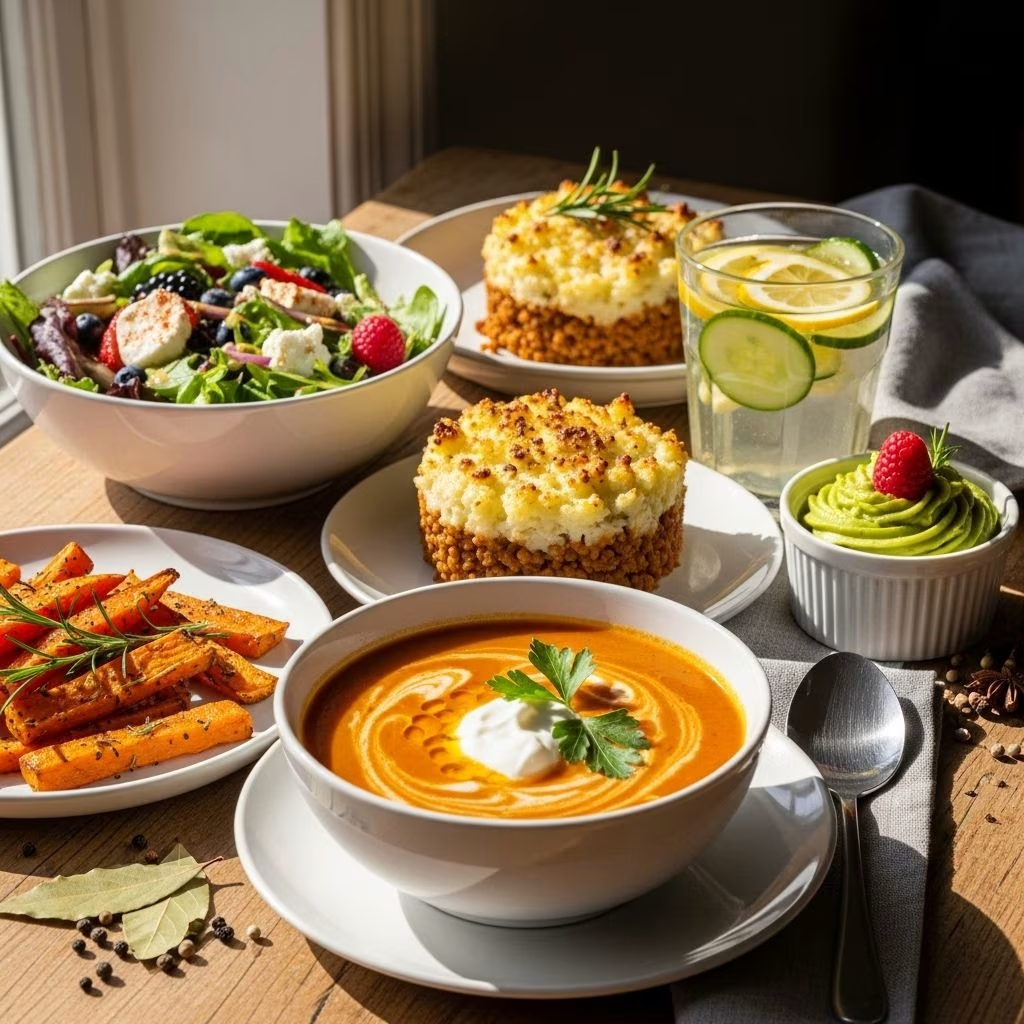
Comfort Foods That Help You Lose Weight
Comfort food is often associated with indulgent eating and guilt, but what if your favorite cozy dishes could actually support your weight loss goals? Rather than banishing comfort food from your diet, the key is recognizing which familiar meals can be both satisfying and healthy—or tweaking your favorites to boost nutrition while keeping the flavors you crave. This guide explores why comfort food isn’t the enemy, which classic dishes can promote a healthy weight, and how to harness the emotional power of food to help—not hinder—your progress.
Why Do We Crave Comfort Food?
Everyone has certain foods they turn to during stressful times: creamy mashed potatoes, cheesy casseroles, or a warming bowl of soup. These dishes are more than just calories—they evoke nostalgia, provide emotional relief, and can connect us to family traditions. Craving comfort food isn’t a sign of weakness; it’s a natural response rooted in biology and psychology.
- Emotional Connection: Comfort food is often linked to positive childhood memories or family gatherings, providing a sense of safety and stability during uncertain times.
- Stress Relief: Eating familiar foods can help reduce stress hormones, especially during emotional upheaval.
- Sensory Appeal: Comfort foods tend to be creamy, warm, or crunchy, which stimulates the senses and enhances satiety.
The Science: Can Comfort Foods Really Support Weight Loss?
It seems counterintuitive, but certain comfort foods can play a role in weight management when prepared with a focus on healthy ingredients. Research indicates that a satisfying meal, rich in protein, fiber, and complex carbohydrates, is more likely to keep you feeling full and curb unhealthy snacking later on.
- Fullness Factor: High-protein and high-fiber foods slow digestion, reducing hunger hormones and keeping you satisfied for longer.
- Craving Control: Allowing yourself favorite foods in a more nutritious form can prevent bingeing and the “last supper” mentality—a key factor in sustainable weight loss.
- Gut Health: Minimally processed, nutrient-rich comfort foods support gut health, which is linked to better weight management.
Comfort Food Swaps That Actually Help with Weight Loss
You don’t have to give up classic comfort foods to drop pounds. The secret is rethinking recipes and ingredients so that you get all the satisfaction with a better nutritional profile. Here are some expert-recommended comfort staples to keep in your meal rotation:
1. Chili
Why it works: Loaded with beans, lean meats (like turkey or chicken), and tomatoes, chili is high in protein and fiber. Both nutrients keep you fuller longer and slow down digestion, which is crucial for steady energy and appetite control.
- Beans are rich in resistant starch, which supports gut health and helps regulate blood sugar.
- Lean meats add satisfying protein without excessive saturated fat.
- Spices like chili powder and cumin can boost metabolism and add flavor without extra calories.
2. Oatmeal
Why it works: A steaming bowl of oatmeal is the ultimate morning comfort food, packing soluble fiber that slows glucose absorption, maintains steady energy, and keeps you feeling full for hours.
- Top with nuts or berries for extra antioxidants and healthy fats.
- Choose steel-cut or old-fashioned oats for the fullest nutritional benefit.
- Add cinnamon or vanilla for sweetness without sugar.
3. Soup
Why it works: Broth-based soups, especially those loaded with vegetables, beans, and lean proteins, have a high water content that increases satiety for fewer calories.
lé
- Bowlfuls of soup before meals can decrease overall calorie intake.
- Hearty add-ins like barley, kale, or lentils boost nutrition.
- Avoid creamy or cheese-heavy soups; opt for clear broths and veggie purees.
4. Grilled Cheese & Tomato Soup (Healthier Version)
Why it works: Use whole grain bread and reduced-fat cheese for your sandwich, and serve with homemade tomato soup made from roasted tomatoes, carrots, and herbs instead of cream.
- Whole grains provide fiber to keep you full longer.
- Tomatoes are rich in lycopene, an antioxidant linked to heart health.
- Making soup at home lets you control the sodium and fat content.
5. Baked Sweet Potatoes
Why it works: Swapping regular fries or mashed potatoes for baked sweet potatoes offers more fiber and vitamins (especially A and C) and helps steady blood sugar.
- Top with black beans, salsa, or a sprinkle of cheese for a filling meal.
- Roast slices as a lower-calorie alternative to chips.
- The natural sweetness curbs sugar cravings without added sugar.
6. Chicken and Veggie Stir-Fry
Why it works: Stir-fry lets you pack in numerous vegetables and lean proteins with little oil. The combination of fiber and protein means longer fullness and blood sugar stability.
- Serve over brown rice or quinoa for a whole grain boost.
- Use low-sodium soy sauce or alternative seasonings to reduce salt intake.
- Add ginger, garlic, or chili flakes for flavor without calories.
7. Turkey Meatloaf
Why it works: This comfort classic gets a healthy makeover with lean ground turkey, oats (in place of breadcrumbs), and plenty of chopped vegetables.
- Turkey is naturally lower in fat and calories than most red meats, but just as filling.
- Oats add texture and help lower cholesterol.
- Grated carrots or spinach increase nutrient density with minimal flavor change.
8. Macaroni and Cheese (Slimmed Down)
Why it works: You don’t have to give up ooey-gooey pasta. Use high-fiber whole wheat or bean-based noodles, and swap some cheese for pureed butternut squash or cauliflower for creaminess.
- Boosting fiber slows digestion, keeping you fuller longer.
- Puréed veggies lower the calorie count while maintaining creamy texture.
- Top with a sprinkle of parmesan instead of a blanket of cheddar to cut saturated fat.
9. Dark Chocolate
Why it works: Indulging in a square or two of quality dark chocolate satisfies sweet cravings without setting off a binge. It contains antioxidants and can help cut the urge for less healthy desserts.
- Chocolate contains satiating fat, so a little goes a long way.
- Pair with nuts for protein and extra satisfaction.
- Look for chocolate that’s at least 70% cacao, and eat mindfully.
Why You Shouldn’t Cut Out Comfort Food Entirely
Extreme dieting approaches that cut out entire food groups or favorite dishes often backfire, making cravings more intense and stoking feelings of deprivation. Here’s why enjoying comfort foods in moderation matters:
- Prevents Binges: When you allow yourself to enjoy satisfying foods, you’re less likely to binge later due to frustration.
- Supports a Positive Relationship with Food: Giving yourself permission to enjoy meals helps prevent feelings of guilt and promotes mindful, intuitive eating.
- Keeps You Motivated: Comfort foods can help you stick with healthy habits long-term, as you don’t feel “punished” by your meal plan.
Expert Tips: Making Comfort Food Work for You
- Focus on Portions: You don’t need to eat massive servings to feel satisfied. Start with smaller portions and savor each bite.
- Add Extra Veggies: Bulk up stews, pasta dishes, and casseroles with spinach, kale, zucchini, or bell peppers.
- Swap Ingredients Smartly: Use Greek yogurt instead of sour cream, mashed cauliflower for half the potatoes, or riced vegetables to replace some grains.
- Bake Instead of Fry: Baking cuts fat and calories while keeping flavors intact for foods like chicken tenders or fries.
Sample Table: Classic vs. Lightened-Up Comfort Foods
| Classic Comfort Food | Nutritious, Weight-Loss Version |
|---|---|
| Beef chili with sour cream, cheddar, white rice | Turkey or bean chili with avocado, brown rice |
| Full-cream mac and cheese | Whole wheat pasta, butternut squash puree, sharp cheddar |
| Battered fried chicken | Oven-baked chicken breast with breadcrumb-herb crust |
| Creamy mashed potatoes | Mashed cauliflower or half-potato, extra roasted garlic |
| Ice cream sundae | Greek yogurt parfait with berries and nuts |
Frequently Asked Questions (FAQs)
Q: Can eating comfort foods really help me lose weight?
A: Yes, if you focus on nutrient-rich versions—like using whole grains, lean proteins, and lots of vegetables—familiar dishes can actually curb cravings and help you stick to your eating plans.
Q: What are the worst comfort food ingredients to avoid?
A: Minimize highly processed carbs (white flour, white rice), excessive added sugars, and saturated fats (like butter in large quantities). Instead, swap in legumes, whole grains, and healthy fats like olive oil or avocado.
Q: How do I satisfy my craving for sweets without derailing weight loss?
A: A little dark chocolate, Greek yogurt with fruit, or homemade oatmeal cookies with minimal sugar and healthy add-ins like nuts or flaxseed can all help keep cravings in check.
Q: Are there comfort foods I should avoid altogether?
A: No food needs to be completely off-limits; instead, focus on frequency and portion size. Aim for nutritious swaps most of the time but allow yourself favorite treats mindfully.
Q: How can I make rich foods like mac and cheese or mashed potatoes healthier?
A: Cut down on added fat by swapping in pureed vegetables, use whole grain or chickpea pasta, and boost flavor with fresh herbs, garlic, and spices.
Smart Strategies for Enjoying Comfort Food on a Weight Loss Journey
- Plan Ahead: Prepare healthy comfort dishes in batches to have nourishment-ready options when cravings hit.
- Practice Mindful Eating: Sit down, slow down, savor flavors, and check in with your hunger cues before and after eating.
- Seek Balance: If you have a heavier comfort meal, balance the next meal with lighter, produce-rich foods.
- Stay Hydrated: Sometimes thirst is mistaken for hunger, so drink water throughout the day.
Foods to Always Keep on Hand for Healthy Comfort Meals
- Oats for breakfast bowls and healthy cookies
- Low-sodium broth and canned tomatoes for quick soups
- Frozen vegetables to add volume and nutrition to any dish
- Eggs for protein-packed breakfasts or quick fried rice
- Lean ground turkey or chicken for chilis and meatloaf
- Quinoa, brown rice, or whole wheat pasta for grain-based comfort
- Plain Greek yogurt for dips, toppings, or creamy swaps
- Berries or bananas for nutrient-dense, naturally sweet treats
Embracing Comfort—Without Compromising Your Progress
Comfort food is about more than indulgence—it’s about nourishment, support, and the joy of eating. Learning to prepare heartier versions of your favorites packed with protein, fiber, and micronutrients means you can enjoy every bite and feel good about your choices. Sustainable weight loss isn’t about restriction. Instead, let comfort food be a supportive part of your journey—warming your soul and curbing your cravings, one delicious meal at a time.
References
- https://www.prevention.com/food-nutrition/healthy-eating/a65664887/ultra-processed-foods-weight-loss-gut-health-study/
- https://www.prevention.com/weight-loss/g24805401/fat-burning-foods/
- https://www.prevention.com/weight-loss/g20496527/15-weight-loss-foods/
- https://www.prevention.com/food-nutrition/g29504714/weight-loss-foods/
- https://www.prevention.com/weight-loss/g32380344/best-dinners-for-weight-loss/
- https://www.prevention.com/weight-loss/a20440112/comfort-food/
- https://www.prevention.com/food-nutrition/g41055022/low-calorie-meals/
- https://www.prevention.com/weight-loss/g27323543/low-calorie-snacks/
- https://www.prevention.com/weight-loss/g19576831/healthy-snack-ideas-weight-loss/
- https://www.prevention.com/weight-loss/


