


How to Avoid Overeating During the Holidays
The holidays bring together friends, family, and an abundance of delicious foods, making it a prime time for overindulgence. With rich casseroles, holiday cookies, festive drinks, and special meals, it can be tempting—and easy—to lose track of portions and healthy habits. However, enjoying the festivities doesn’t mean you need to resign yourself to overeating or the post-season regret. The following expert-backed strategies will help you savor all the joy of the season while maintaining a sense of control and well-being.
Table of Holiday Overeating Strategies and Their Benefits
| Strategy | Benefit |
|---|---|
| Ditch the diet mentality | Reduces guilt and preoccupation with food, supports mindful choices |
| Alternate alcohol with water | Prevents excess calorie intake and dehydration, supports judgment |
| Don’t go to events starving | Lowers risk of binge-eating and poor food decisions |
| Balance your plate | Provides satiety, stabilizes blood sugar, ensures nutrient diversity |
| Take mindful pauses during meals | Enhances satisfaction, prevents eating past fullness, encourages slower eating |
| Limit mindless snacking | Reduces unnecessary calories from appetizers and grazing |
| Stick to a meal routine | Prevents over-hunger and steady energy levels, avoids impulsive overeating |
| Enjoy treats without guilt | Fosters healthy relationship with food, minimizes cravings and bingeing |
Ditch the Diet Mentality
With so many decadent foods available during the holidays, the tendency to label certain items as ‘bad’ or off-limits is strong. However, approaching holiday foods with a restrictive mindset often backfires, causing us to obsess over, crave, and ultimately overeat those very foods. Instead, give yourself permission to enjoy all foods in moderation. By removing the ‘forbidden’ label, you can focus more on savoring your food and less on feeling deprived. This approach helps you be at peace with what you choose to eat, reducing the cycle of guilt and overeating.
Alternate Alcoholic Drinks with Water or Mocktails
Alcohol is commonly present at holiday gatherings and celebratory meals, but it comes with extra calories and lowers inhibitions, making it easier to overeat. An effective strategy is to alternate alcoholic beverages with water or festive mocktails. This keeps you hydrated and allows you to enjoy the event without overconsuming alcohol. Adding slices of citrus or berries to sparkling water can bring a festive flair. Staying mindful with your beverages supports better food decisions and overall wellness.
Do Not Go to Gatherings Hungry
Arriving at a party or holiday dinner ravenous often leads to quick, impulsive decisions and excessive portions. Eat a small, balanced snack before leaving home—think yogurt with fruit or a handful of nuts. This helps you approach the buffet or dinner table with composure, so you can select what you truly want and savor each bite without feeling out of control.
Balance Your Plate
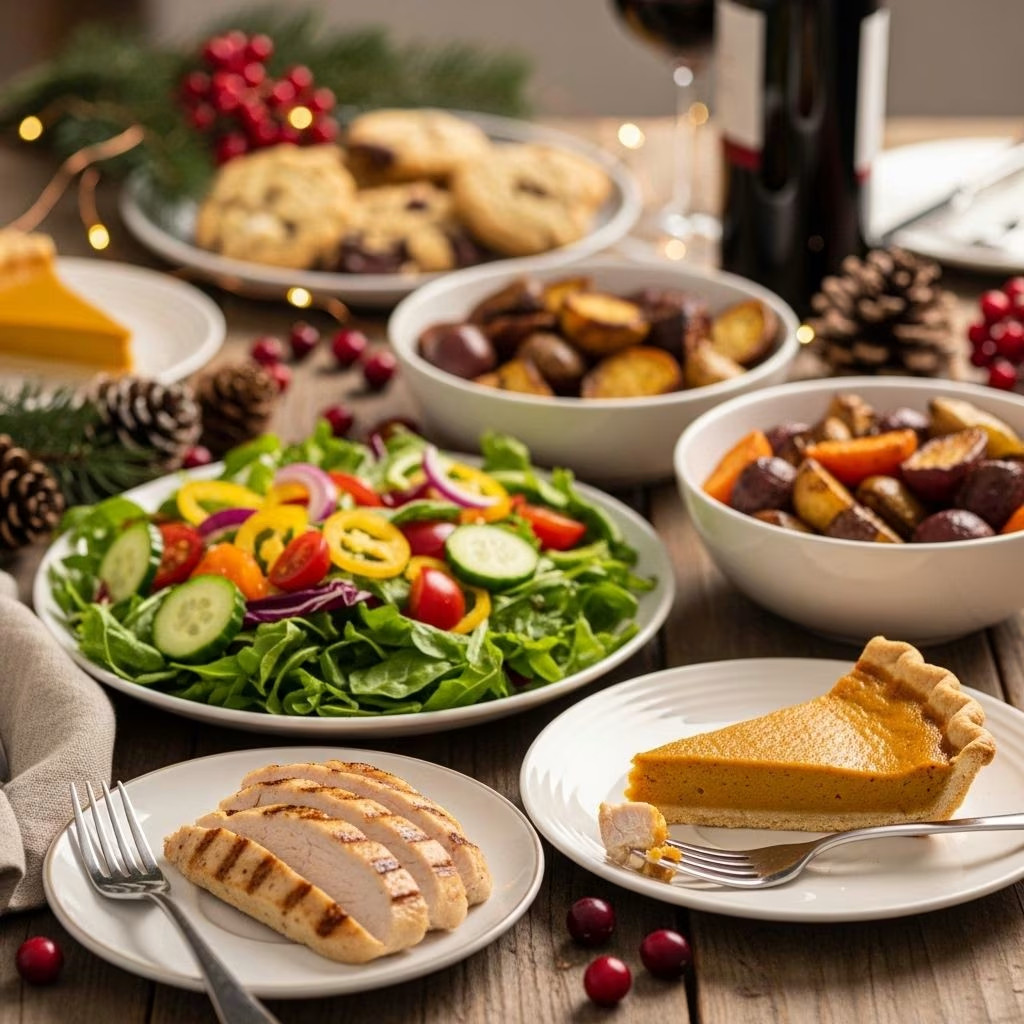
Holiday spreads often center around rich starches and meats, but balancing your plate with plenty of non-starchy vegetables, a serving of protein, healthy fats, and moderate portions of starches helps stabilize your blood sugar and promotes satiety. Visualize half your plate as colorful salads or roasted veggies, a quarter with lean protein (such as turkey or fish), and the remaining quarter with your favorite casserole, stuffing, or bread. This simple formula ensures both satisfaction and lasting energy for the festivities.
Mindful Eating: Savor Each Bite
Slow down your pace and focus on eating mindfully. Use all your senses to truly enjoy the flavors, aromas, and textures of holiday foods. Put down your fork between bites, chew thoroughly, and pause to appreciate the experience. Assess your hunger and fullness throughout the meal, aiming to stop when you feel comfortably satisfied rather than stuffed. Mindful eating not only enhances enjoyment, it helps you naturally regulate intake and avoid post-meal regret.
Take Breaks During Your Meal
A classic tendency at large meals is to eat quickly and continuously, but pausing periodically during the meal gives your body and mind time to register fullness. Engage in conversation, set down your utensils between bites, and allow yourself to check in. This practice often leads to greater satisfaction with less food, supporting both physical comfort and social enjoyment.
Be Selective with Appetizers and Snacks
Appetizer tables, cheese boards, and bowls of snacks can easily add up to a meal’s worth of calories before you reach the main course. Choose a few favorites to sample and steer clear of mindless grazing. If you’re mingling with friends, try carrying your snack on a plate instead of eating directly from the buffet. Keeping a distance from the food table while socializing helps reduce temptation and supports mindful choices.
Stick to a Regular Meal Schedule
Busy holiday schedules can disrupt regular eating patterns, leading to skipped meals or erratic snacking. Try to maintain consistent meal times, aiming to eat every four to five hours. This strategy prevents extreme hunger, which can result in overeating, and provides a sense of structure and stability amidst the season’s chaos. Even on days with special events, prioritize sitting down for balanced meals.
Don’t Skip Meals to ‘Save Up’ for Feasts
It may seem logical to eat less earlier in the day to ‘make room’ for a big holiday dinner, but this usually leads to excessive hunger and less nutritional balance. Skipping meals can slow your metabolism and increase cravings for high-calorie, less nutritious foods. Instead, eat comparable portions of balanced meals leading up to your event.
Enjoy Your Holiday Favorites—Guilt-Free
Holiday eating isn’t just about sustenance—it’s about celebration, tradition, and togetherness. Allow yourself to enjoy special treats without self-blame or negative talk. Savor slices of pie, handmade cookies, or savory dishes mindfully, paying attention to hunger and fullness. Remember, a day or two of indulgence won’t undo overall progress, but unnecessary guilt can make enjoyment harder and encourage unhealthy cycles.
Set Realistic Expectations
Instead of aiming for perfection (and inevitable disappointment), set intentions that prioritize balance, self-care, and enjoyment. Acknowledge that holiday routines are different from day-to-day habits, and being flexible is part of a healthy relationship with food. Focus on making the best choices you can in each moment and let go of the idea of ‘failure’ if you eat more than you planned at one meal.
Engage Socially Beyond Food
Part of what makes holiday gatherings tricky is their focus on food as the centerpiece. Shift attention to activities that don’t revolve around eating—group walks, games, crafts, or singing together. Not only will you create joyful memories, but you’ll also give your body a break between meals and keep your mind off the snack table.
Handle Leftovers Wisely
Generous portions often lead to abundant leftovers. Instead of feeling compelled to finish every last bite, package leftovers into balanced meals for the next days, freeze extras, or share with guests. Keeping treats out of immediate reach helps continue healthy habits after the event is over.
Quick Success Tips for Handling Holiday Eating
- Eat slowly and savor every bite.
- Use a smaller plate to help manage portions.
- Prioritize sleep and stress management to avoid emotional eating.
- Pre-plan indulgence days, knowing which events you’ll truly enjoy your favorites.
- Move more: even a walk after a meal aids digestion.
- Fill up first on salads, veggies, or broth-based soups.
- Bring a healthy dish to contribute to gatherings.
- Practice saying no politely to extra servings if you’re already full.
Frequently Asked Questions (FAQs)
Q: Why do people tend to overeat during the holidays?
A: Holidays come with unique foods, increased social events, and greater food availability—all of which make it tempting to eat more than usual. Emotional factors, stress, traditions, and less structured routines also play a role.
Q: Should I avoid desserts and holiday treats completely?
A: No, restriction increases cravings and may lead to bingeing. It’s healthier to enjoy favorite treats in reasonable portions, savoring them mindfully and without guilt.
Q: Can exercise ‘cancel out’ overeating?
A: While staying active has many benefits, intense exercise does not erase the effects of overindulgence and shouldn’t be used as punishment. Instead, view activity as a way to manage stress, boost mood, and balance holidays rather than earning food.
Q: What are practical ways to signal fullness and stop eating?
A: Listen to your hunger cues, eat slowly, take mindful pauses, and check in with yourself halfway through your meal. Putting down your fork and engaging in conversation can help gauge your level of fullness.
Q: How can I manage portions at buffet-style events?
A: Survey all options before filling your plate, select your top choices, serve yourself moderate portions, and avoid returning for seconds immediately. Balance richer dishes with veggies and lean proteins.
Final Thoughts: Celebrate with Intention
Holiday eating doesn’t have to be an all-or-nothing affair. With a blend of planning, mindfulness, and gentle self-compassion, you can experience the full joy of the season’s flavors and traditions—without feeling out of control or burdened by guilt. By listening to your body, honoring your preferences, and embracing balance, you’ve got the key ingredients to enjoy a vibrant, healthy holiday.
References
- https://www.healthcentral.com/article/avoid-holiday-overeating
- https://www.prevention.com/weight-loss/a20489358/prevent-holiday-weight-gain/
- https://www.prevention.com/health/a34384918/holiday-weight-gain-myths/
- https://www.uchealth.org/today/overeatingduringholidays/
- https://www.prevention.com/weight-loss/a20440030/how-to-avoid-overeating-during-the-holidays/
- https://www.prevention.com/weight-loss/a20464931/exercise-counteracts-overeating/
- https://www.prevention.com/weight-loss/g20480726/what-to-do-when-you-overeat/
- https://www.mdanderson.org/cancerwise/how-to-feel-better-after-overeating-during-the-holidays.h00-159623379.html
- https://www.prevention.com/weight-loss/diets/a20468935/weight-gain-from-one-day-of-overeating/


